Proper Chicken Adobo (The Filipino Braise You'll Make Every Week)
Tender bone-in chicken thighs braised in a punchy vinegar-soy sauce with garlic, whole peppercorns, and bay leaves until the sauce reduces into something deeply savory and slightly glossy. We broke down the technique so the skin stays crispy, the sauce clings, and the rice underneath gets completely destroyed in the best way.
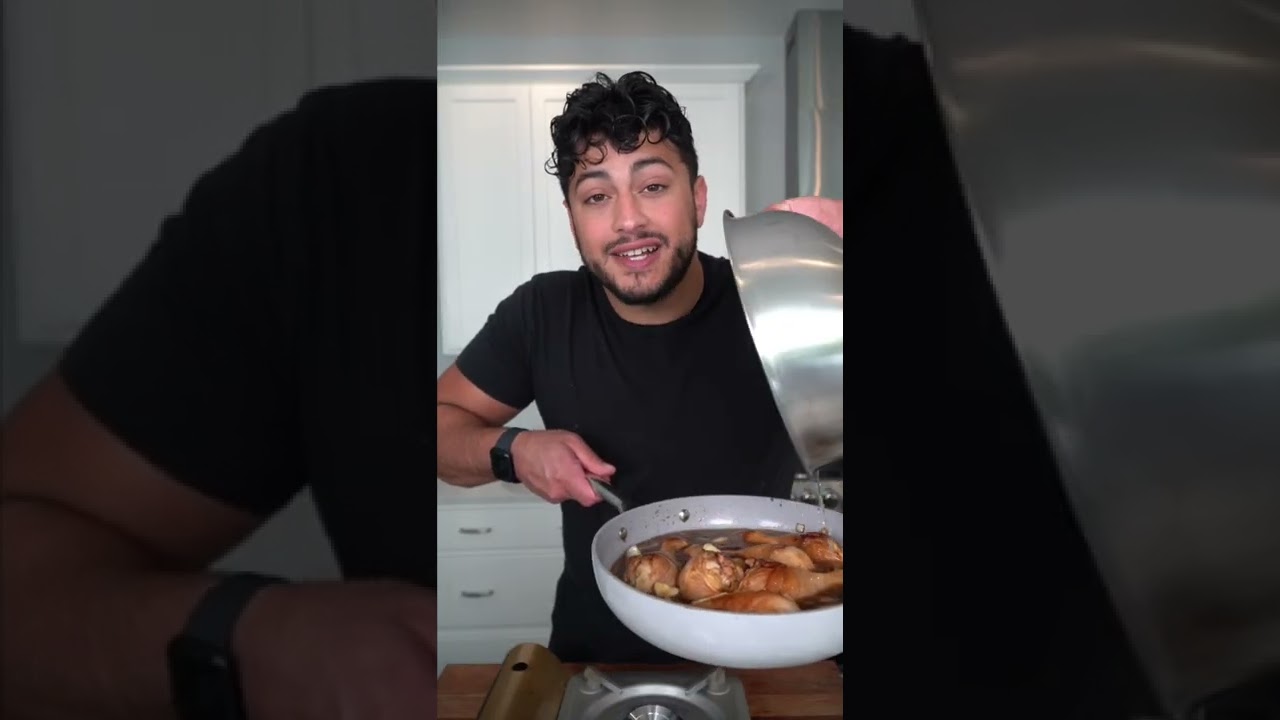
“Chicken adobo is the Filipino dish that every home cook in the Philippines makes differently, and somehow every version is correct. The bones are vinegar, soy sauce, garlic, and bay leaves — everything else is negotiation. What most Western recipes get wrong is the sear. They skip it, or they do it timidly, and then wonder why the skin is rubbery and the sauce tastes thin. The sear isn't optional. It's the whole first act.”
Why This Recipe Works
Chicken adobo is technically simple — sear, braise, reduce — but it earns its reputation by being the kind of dish that tastes like it took three times longer than it did. The reason is the sauce architecture. Vinegar carries acid. Soy sauce carries umami and salt. Garlic and bay leaves carry aromatic complexity. They cook together for forty-five minutes until they stop tasting like individual ingredients and start tasting like one coherent, deeply savory thing.
The Sear Is Non-Negotiable
The first and most important instruction in this recipe is also the one most home cooks rush: the sear. Bone-in, skin-on chicken thighs have a thick layer of fat under the skin that needs sustained, direct contact heat to render and crisp. Six to seven minutes skin-side down, no touching, no adjusting, no peeking. If you move the chicken before the skin has crisped, it tears and sticks. If the pan isn't hot enough to begin with, you steam the skin instead of searing it and end up with something pale and gelatinous.
The sear accomplishes two things simultaneously. First, it creates the crackling skin texture that holds up through the braise. Second — and more critically — it builds the fond: the browned protein and fat deposits that coat the bottom of the Dutch oven after the chicken comes out. When the vinegar hits that hot fond, it deglazes it instantly, lifting everything off the bottom and dissolving it into the braising liquid. That fond is concentrated flavor. Don't skip the deglaze.
The Vinegar Equation
Rice vinegar is the right call here, and it's not interchangeable with white distilled vinegar. White distilled vinegar has an abrasive, single-note sharpness that doesn't mellow the same way during braising. Rice vinegar has comparable acidity but a cleaner, rounder finish that recedes into the background as it cooks down, allowing the garlic, soy, and bay leaves to come forward. You want the acidity as structure — a backbone — not a dominant flavor.
The coconut sugar counterbalances the acid without making the dish taste sweet. At two tablespoons to a half cup of vinegar, the ratio keeps the sauce savory-forward with just enough rounding to take the edge off. Add more sugar and it tips toward teriyaki. Go without it and the sauce can read as thin and sharp.
The Braise Mechanics
Partially covering the pot for the first 25-30 minutes serves a specific purpose: it allows enough evaporation to concentrate the sauce while keeping the chicken submerged and cooking evenly. A fully covered pot traps too much moisture and dilutes the final sauce. A fully open pot reduces too fast and risks scorching before the chicken is tender.
Bone-in thighs are the right cut for this application. The bones insulate the meat from direct heat, slowing down the cooking enough that the connective tissue has time to break down into gelatin. That gelatin is what gives the finished sauce its body and the slightly sticky, glossy quality that makes it cling to rice instead of pooling at the bottom of the bowl. Boneless thighs cook faster, release less collagen, and produce a thinner result. The bone earns its place.
The turmeric and red pepper flakes are not traditional in every regional version of adobo, but they belong here. Turmeric adds a warm, earthy undertone and turns the sauce a deep amber-gold that looks as good as it tastes. Red pepper flakes provide heat that builds slowly through the braise rather than hitting immediately. Both contribute without overriding the foundational vinegar-soy character.
Why It Gets Better Overnight
Adobo is one of those dishes that genuinely improves with time. After refrigeration, the gelatin released from the bones firms up the sauce, the acid integrates further, and the fat rises to the surface where it can be easily skimmed before reheating. The chicken also continues to absorb the braising liquid overnight, so every bite on day two has more depth than it did on day one. Make it ahead whenever you can. It rewards patience.
Where Beginners Mess This Up
Before we start, read this. These are the 4 reasons your proper chicken adobo (the filipino braise you'll make every week) will fail:
- 1
Not drying the chicken before searing: Wet chicken skin doesn't brown — it steams. Pat every piece aggressively dry with paper towels before it touches the pan. Moisture on the surface drops the pan temperature immediately and you lose the Maillard reaction that creates the flavor base for the entire sauce.
- 2
Crowding the pan during the sear: Browning four thighs at once in anything smaller than a 12-inch Dutch oven guarantees steaming, not searing. Work in batches. The extra five minutes is not optional — it's the difference between golden crackling skin and pale rubbery skin that peels off in the braise.
- 3
Reducing the sauce too fast: Adobo sauce reduces during the final uncovered simmer, and the line between glossy and scorched is thin. Keep the heat at medium-low and watch it. The sauce is done when it coats the back of a spoon and leaves a clean line when you drag your finger through it.
- 4
Using the wrong vinegar: Distilled white vinegar is too harsh and one-dimensional. Unseasoned rice vinegar has the same acidity with a gentler, cleaner finish that lets the garlic and soy do their jobs without fighting. This is not a place to improvise with apple cider vinegar — the flavor profile shifts too far.
The Video Reference Library
Want to see it in action? Here are the exact videos we analyzed and combined to build this foolproof recipe translation:
The primary reference for this recipe. Demonstrates the sear-then-braise technique and shows exactly what the sauce should look like at each stage of reduction.
🛠️ Core Equipment
- Dutch oven or heavy-bottomed braising potEven heat distribution is critical for both the initial sear and the long braise. Thin pots create hot spots that scorch the bottom of the sauce during reduction. A [Dutch oven](/kitchen-gear/review/dutch-oven) is the ideal vessel — it goes from stovetop sear to covered simmer without complaint.
- Wooden spoon or flat-edged spatulaFor deglazing the fond (the browned bits stuck to the bottom after searing) when the vinegar goes in. This is where a significant portion of the sauce's flavor lives. Metal utensils work too, but wood won't scratch a good pot.
- Paper towelsNon-negotiable for drying the chicken. Keep a full stack next to the cutting board. Damp chicken is the enemy of a good sear.
- TongsFor flipping chicken safely during the sear without puncturing the skin. Forks pierce the meat and let juices escape. Use tongs every time.
Proper Chicken Adobo (The Filipino Braise You'll Make Every Week)
🛒 Ingredients
- ✦2 pounds bone-in, skin-on chicken thighs
- ✦3 tablespoons olive oil
- ✦5 cloves garlic, minced
- ✦1 medium yellow onion, thinly sliced
- ✦1/2 cup unseasoned rice vinegar
- ✦1/3 cup low-sodium soy sauce
- ✦1 cup chicken broth
- ✦1 teaspoon whole black peppercorns
- ✦3 dried bay leaves
- ✦1 teaspoon ground turmeric
- ✦1/2 teaspoon red pepper flakes
- ✦2 tablespoons coconut sugar
- ✦2 medium carrots, cut into 1-inch pieces
- ✦1 red bell pepper, cut into 1-inch pieces
- ✦3 green onions, cut into 2-inch pieces
- ✦2 teaspoons fresh ginger, minced
- ✦1 teaspoon sea salt
- ✦Fresh cilantro, chopped, for garnish
👨🍳 Instructions
01Step 1
Pat the chicken thighs completely dry with paper towels. Season generously with sea salt and black pepper on both sides.
02Step 2
Heat olive oil in a large Dutch oven over medium-high heat until shimmering, about 2 minutes.
03Step 3
Working in batches, place chicken thighs skin-side down and sear without moving for 6-7 minutes until the skin is deep golden and releases cleanly from the pot. Flip and sear the other side for 4-5 minutes. Transfer to a plate.
04Step 4
Pour off all but 1 tablespoon of fat from the pot. Reduce heat to medium. Add minced garlic and ginger and stir constantly for 1 minute until fragrant.
05Step 5
Add the sliced onion and sauté for 3-4 minutes until translucent.
06Step 6
Pour in the rice vinegar and scrape up every browned bit from the bottom of the pot with a wooden spoon. This is the fond — don't leave any of it behind.
07Step 7
Add the soy sauce, chicken broth, peppercorns, bay leaves, turmeric, red pepper flakes, and coconut sugar. Stir to combine.
08Step 8
Nestle the seared chicken thighs back into the pot, skin-side up, ensuring they are mostly submerged in the liquid.
09Step 9
Bring to a gentle simmer over medium heat. Reduce to medium-low, partially cover, and cook for 25-30 minutes until the chicken is very tender.
10Step 10
Add the carrot and bell pepper pieces. Stir gently and continue simmering uncovered for 8-10 minutes until the vegetables are tender-crisp and the sauce coats a spoon.
11Step 11
Stir in the green onions. Taste the sauce and adjust with salt or a small splash of vinegar if it needs brightness.
12Step 12
Transfer to a serving platter. Pour all the sauce over the top and finish with chopped cilantro. Serve immediately over steamed rice.
Nutrition Per Serving
Estimates based on standard preparation. Adjustments alter macros.
🔄 Substitutions
Instead of Low-sodium soy sauce...
Use Tamari or coconut aminos
Tamari is a direct 1:1 swap with an identical flavor profile. Coconut aminos are slightly milder and subtly sweet — reduce the coconut sugar by half if using.
Instead of Chicken broth...
Use Bone broth
Richer flavor and more body in the final sauce due to higher collagen content. Worth the upgrade if you have it.
Instead of Coconut sugar...
Use Brown sugar or monk fruit sweetener
Brown sugar is a straightforward swap. Monk fruit or stevia works for lower carbohydrate needs — use 1/2 teaspoon and adjust to taste.
Instead of Olive oil...
Use Avocado oil
Higher smoke point means better browning with less risk of burning at the sear stage. Nearly identical flavor in the finished dish.
🧊 Storage & Reheating
In the Fridge
Store in an airtight container with the sauce for up to 4 days. The flavor improves significantly after 24 hours.
In the Freezer
Freeze for up to 2 months. The sauce may separate slightly upon thawing — stir over low heat to re-emulsify.
Reheating Rules
Reheat covered in a pot over low heat with a splash of broth to loosen the sauce. Microwave works in a pinch but softens the skin.
❓ Frequently Asked Questions
Can I use boneless chicken thighs?
Yes, but reduce the braising time to 18-20 minutes — boneless thighs cook faster and become dry if overdone. You'll also get a thinner sauce since the bones release gelatin during a long braise. The dish still works, just differently.
Why does my adobo taste too sour?
Two possible causes: you used too much vinegar, or you didn't let the sauce reduce long enough. The acidity mellows significantly as it simmers. If the sauce is still sharp after full reduction, add a small pinch of sugar and another minute or two over low heat.
Do I need to marinate the chicken first?
Traditional adobo often calls for marinating the chicken in the vinegar-soy mixture for 30 minutes to an hour before cooking. It adds depth. The version here skips it to keep the process weeknight-friendly, but if you have the time, combine the chicken with half the vinegar and soy sauce and refrigerate for up to an hour before searing.
What rice should I serve this with?
Plain steamed white rice is the classic pairing — the neutral starch balances the aggressive sauce. Jasmine rice is a particularly good match. Brown rice works for more fiber. Cauliflower rice cuts the carbohydrates but can't absorb the sauce as effectively.
Is chicken adobo actually gluten-free?
Only if you use gluten-free soy sauce. Standard soy sauce contains wheat. Tamari and coconut aminos are both naturally gluten-free and work as direct substitutes.
Why did my sauce break or look greasy?
The fat from the chicken skin separated during simmering. Skim the surface fat with a spoon before the final reduction, or let the finished dish sit for two minutes and tilt the pot to pool the fat on one side for easy removal.
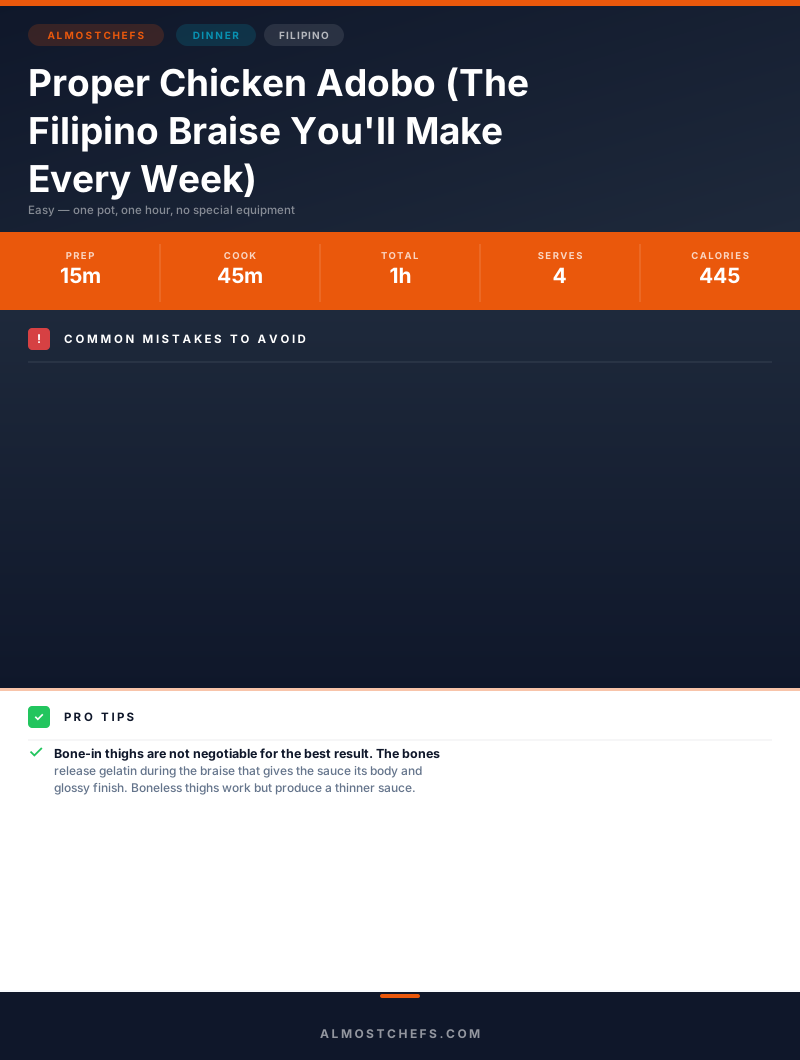
The Science of
Proper Chicken Adobo (The Filipino Braise You'll Make Every Week)
We turned everything on this page into a beautiful, flour-proof PDF cheat sheet. Print it out, stick it to your fridge, and never mess up your proper chicken adobo (the filipino braise you'll make every week) again.
*We'll email you the high-res PDF instantly. No spam, just perfectly cooked meals.
AlmostChefs Editorial Team
We translate the internet's most popular cooking videos into foolproof, beginner-friendly written recipes. We analyze multiple methods, test them in our kitchen, and engineer a single "Master Recipe" that gives you the best possible result with the least possible stress.