Copycat Chick-fil-A Mac and Cheese (Better Than the Drive-Thru)
A roux-based three-cheese sauce coating tender elbow pasta, baked until bubbling with a golden panko crust. We reverse-engineered Chick-fil-A's cult side dish to nail the velvety texture and bold cheddar flavor — then made it worth cooking at home.
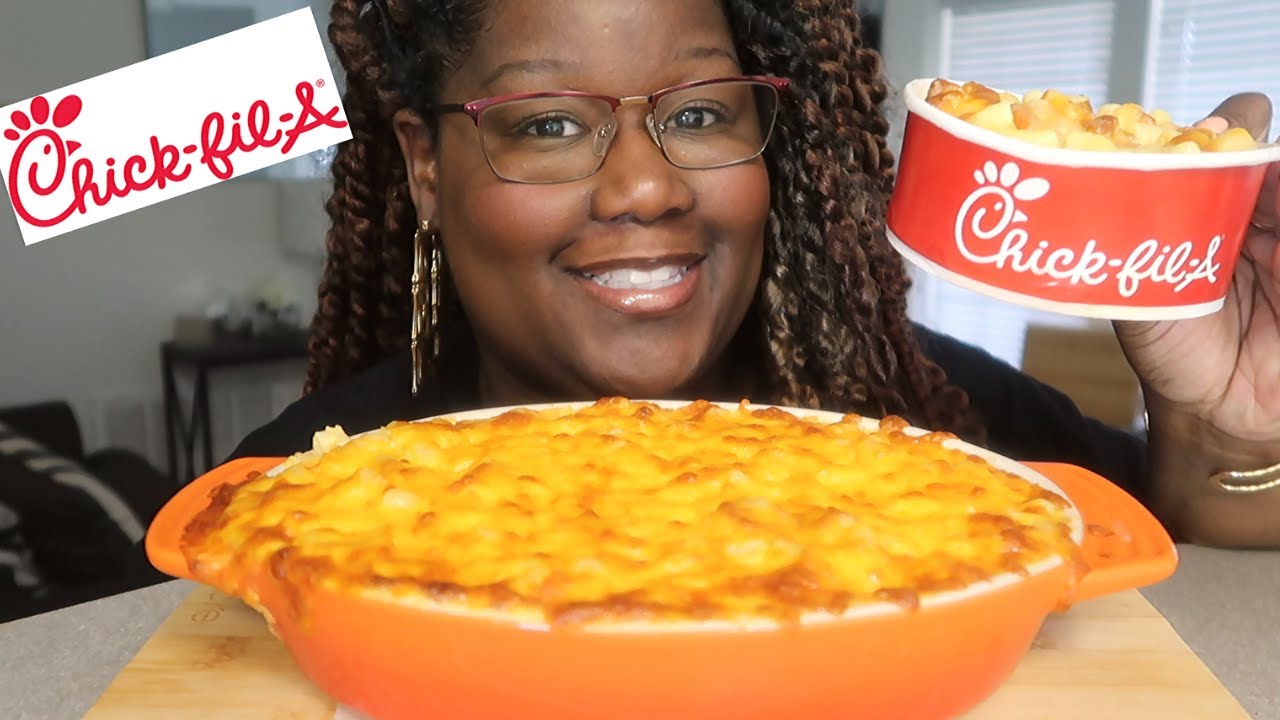
“Chick-fil-A's mac and cheese has a cult following for one reason: the texture. Not too thick, not too loose — a sauce that clings to every elbow without becoming gluey. Most homemade versions miss this entirely because they skip the roux, dump in too much flour, or pull the sauce before it's had time to thicken properly. We fixed all of that.”
Why This Recipe Works
Chick-fil-A's mac and cheese is not complicated. It's not trying to be anything other than what it is: a creamy, bold, unapologetically cheesy side dish that doesn't ask you to think about it. The cult following exists because the restaurant gets the texture right every single time, and most home cooks don't — not because the recipe is hard, but because they skip the two steps that matter most.
The Roux Is the Foundation
This is a béchamel-based mac and cheese, not a dump-and-stir situation. The roux — butter cooked with flour until golden — is what gives the sauce its body and prevents the fat in the cheese from separating out into a greasy slick. One minute of active whisking between the butter and flour stage is the difference between a sauce that holds together for hours and one that breaks the moment it hits the baking dish.
The milk addition sequence matters just as much. Cold milk hitting hot roux produces lumps. The fix is simple: add the milk slowly, starting with just a splash to temper the temperature difference, then stream in the rest while whisking continuously. Five to seven minutes of steady stirring over medium heat and you have a smooth, thick base that can carry four cheeses without losing cohesion.
Four Cheeses, One Job
Sharp cheddar provides the flavor backbone — the bold, slightly tangy note that reads as "mac and cheese" to your brain. Gruyere adds a nutty, melty quality that cheddar alone can't produce. Parmesan contributes salt and depth. And American cheese, which home cooks instinctively want to omit on principle, is doing the structural work.
American cheese contains sodium citrate, a salt compound that acts as an emulsifier. It keeps the fats and proteins in the sauce cohesive under heat, which is exactly why restaurant cheese sauces stay glossy and smooth even sitting under a heat lamp. Without it, even great cheddar can separate under the sustained heat of a 350°F oven. Two ounces is not enough to taste — it's enough to hold everything together. Leave it in.
The critical rule: the pan comes off the heat before any cheese goes in. Melting cheese over active heat causes the proteins to contract and squeeze out their fat. The result is grainy, separated, and no amount of stirring brings it back. Residual heat from the saucepan melts all four cheeses cleanly in under two minutes.
The Panko Problem
Most baked mac and cheese recipes produce a topping that goes from raw-looking to burnt with no middle ground. The fix is a reliable baking dish with enough surface area to keep the cheese layer shallow, plus a pan of melted butter mixed into the panko so it toasts from within rather than just from the top-down oven heat. If you want deeper color on the crust, two minutes under the broiler after the bake delivers it — but watch it. Panko under a broiler moves fast.
The two-minute rest after baking is the final step most people skip. The sauce is still fluid at 350°F. It needs those two minutes to set from pourable to scoopable. Cut that rest and the sauce runs immediately when plated — the dish looks underdone even when it isn't.
Why This Version Works at Home
Restaurant mac and cheese is held at temperature, not baked to order. That means Chick-fil-A's version is creamier and slightly looser than what comes out of a home oven, because it never experiences the drying effect of sustained bake time. To close the gap: pull yours at the early end of the window (18-20 minutes) rather than the late end, and err toward a looser sauce before it goes in — the oven will tighten it the rest of the way. The result is a side dish that doesn't need the drive-thru.
Where Beginners Mess This Up
Before we start, read this. These are the 4 reasons your copycat chick-fil-a mac and cheese (better than the drive-thru) will fail:
- 1
Rushing the roux: The flour needs to cook in the butter for a full 1-2 minutes before the milk goes in. An undercooked roux tastes like raw flour and produces a sauce with a pasty, chalky finish. You'll know it's ready when it turns light golden and smells faintly nutty.
- 2
Adding cold milk all at once: Dumping cold milk into hot roux creates lumps that don't cook out. Add the milk gradually while whisking constantly, starting with just a splash to temper the roux, then building up in a steady stream. Room-temperature milk helps.
- 3
Melting cheese over direct heat: Once the cheese goes in, the pan should be off the heat. High heat causes the proteins in cheddar and Parmesan to seize and separate, producing a greasy, grainy sauce. Residual heat from the saucepan is enough to melt the cheese smoothly if you stir continuously.
- 4
Skipping the rest after baking: Two minutes off heat is not optional — it's the step that lets the sauce set from pourable to scoopable. Pull it straight from the oven and serve immediately and the sauce runs across the plate. Rest it and it holds its shape.
The Video Reference Library
Want to see it in action? Here are the exact videos we analyzed and combined to build this foolproof recipe translation:
The source video that informed this recipe's roux technique and cheese blend ratio. Close-up of sauce consistency at the right pull point is particularly useful.
🛠️ Core Equipment
- Large heavy-bottomed saucepanEven heat distribution prevents the roux from scorching in the corners. A thin pan creates inconsistent hot spots that turn a smooth sauce grainy before the cheese even goes in.
- WhiskNot a spoon — a whisk. The wire loops break up lumps in real time as the milk hits the roux. Switching to a spoon mid-sauce is how lumpy béchamel happens.
- 9-by-13-inch baking dishThe shallow depth maximizes the surface area for the panko crust while keeping the sauce layer thick enough to stay creamy. Deeper dishes produce too much trapped steam and a soggy topping.
- Box graterPre-shredded cheese contains anti-caking agents (cellulose powder) that prevent clean melting and produce a grainy sauce. Grate your own from a block — it takes three minutes and makes a measurable difference.
Copycat Chick-fil-A Mac and Cheese (Better Than the Drive-Thru)
🛒 Ingredients
- ✦1 pound elbow pasta
- ✦4 tablespoons butter
- ✦3 tablespoons all-purpose flour
- ✦2 cups whole milk
- ✦1 cup sharp cheddar cheese, shredded from block
- ✦1/2 cup Gruyere cheese, shredded
- ✦1/2 cup grated Parmesan cheese
- ✦2 ounces American cheese, sliced
- ✦1/2 teaspoon salt
- ✦1/4 teaspoon black pepper
- ✦1/4 teaspoon garlic powder
- ✦1/4 teaspoon onion powder
- ✦1/8 teaspoon paprika
- ✦1/8 teaspoon white pepper
- ✦2 tablespoons panko breadcrumbs
- ✦1 tablespoon butter, melted, for topping
👨🍳 Instructions
01Step 1
Preheat oven to 350°F and lightly grease a 9-by-13-inch baking dish.
02Step 2
Bring a large pot of heavily salted water to a boil. Cook elbow pasta until al dente, about 8 minutes. Drain well and set aside.
03Step 3
In a large heavy-bottomed saucepan, melt 4 tablespoons butter over medium heat. Add the flour and whisk constantly for 1-2 minutes until the roux turns light golden and smells nutty.
04Step 4
Gradually add the whole milk while whisking continuously — start with a small splash to temper, then stream in the rest slowly. Continue whisking over medium heat for 5-7 minutes until the sauce thickens enough to coat the back of a spoon.
05Step 5
Remove the saucepan from heat entirely. Add sharp cheddar, Gruyere, Parmesan, and American cheese. Stir continuously until completely melted and smooth.
06Step 6
Season the cheese sauce with salt, black pepper, garlic powder, onion powder, paprika, and white pepper. Taste and adjust.
07Step 7
Add the drained pasta to the sauce. Fold gently until every elbow is evenly coated.
08Step 8
Transfer to the prepared baking dish and spread into an even layer.
09Step 9
Combine panko breadcrumbs with 1 tablespoon melted butter in a small bowl. Sprinkle evenly over the top.
10Step 10
Bake for 20-25 minutes until the top is golden brown and the sauce is bubbling around the edges.
11Step 11
Remove from oven and rest for 2 minutes before serving.
Nutrition Per Serving
Estimates based on standard preparation. Adjustments alter macros.
🔄 Substitutions
Instead of Whole milk...
Use Half whole milk, half unsweetened oat milk
Marginally lighter texture with negligible flavor difference when using a quality oat milk. Full plant-based milk thins the sauce more noticeably and may require an extra half-tablespoon of flour in the roux.
Instead of All-purpose flour...
Use Chickpea flour
Slightly nuttier base note that works well with aged cheddar. Chickpea flour also produces a marginally creamier sauce texture due to its higher protein content. Use the same quantity 1:1.
Instead of American cheese...
Use Aged white cheddar plus 1/2 teaspoon sodium citrate powder
Sodium citrate (available in most grocery stores or online) replicates the emulsifying function of processed American cheese without the processed cheese flavor. This is how restaurant cheese sauces stay glossy.
Instead of Panko breadcrumbs...
Use Crushed Ritz crackers
Richer, butterier crust that leans more indulgent than crispy. Use slightly less melted butter in the topping mix since the crackers already contain a significant fat content.
🧊 Storage & Reheating
In the Fridge
Store in an airtight container for up to 4 days. The sauce thickens considerably in the fridge — this is normal.
In the Freezer
Freeze before baking for best results, up to 2 months. Thaw overnight in the fridge, add fresh panko topping, and bake from cold at 350°F for 30-35 minutes.
Reheating Rules
Add 1-2 tablespoons of whole milk per serving, cover tightly with foil, and reheat at 325°F for 15-20 minutes. Microwave works but produces uneven heating — stir halfway through and add milk before reheating.
❓ Frequently Asked Questions
Why does my homemade mac and cheese turn out grainy?
Grainy sauce almost always means either the cheese was added while the pan was still over direct heat, or you used pre-shredded cheese. Both cause the proteins to seize. Pull the pan off heat before adding any cheese, and grate from a block. If it's already grainy, whisk in a tablespoon of cold milk and stir vigorously — it sometimes rescues the emulsion.
Do I have to bake it, or can I serve it straight from the stovetop?
You can serve it straight from the stovetop — the sauce is fully cooked at that point. Baking adds the panko crust and slightly tightens the sauce from pourable to scoopable. If you want pure creaminess over crust, skip the oven entirely.
Why is American cheese in this recipe? Can I leave it out?
American cheese contains sodium citrate, an emulsifier that keeps the sauce smooth and glossy under heat. Without it, the cheddar and Parmesan tend to separate into a greasy pool if the dish gets too hot or sits too long. You can omit it, but the sauce texture will be noticeably less stable.
My sauce was smooth but turned grainy after baking. What went wrong?
The oven temperature is likely too high or the bake time too long. Prolonged high heat causes even a well-emulsified cheese sauce to break. Stick to 350°F, pull it at 20-25 minutes, and rest it for 2 minutes before serving — don't let it sit in a hot oven.
Can I make this ahead of time?
Yes. Assemble everything including the panko topping, cover with plastic wrap, and refrigerate up to 24 hours before baking. Add 5-8 extra minutes to the bake time to account for the cold start. The pasta will absorb some sauce overnight — this is fine and actually produces a denser, more cohesive texture.
How close is this actually to Chick-fil-A's version?
The texture and cheddar-forward flavor profile are very close. The main differences: the restaurant version uses a proprietary processed cheese blend that's slightly sweeter, and theirs is creamier (less baked) because it's held at temperature rather than baked to order. For the creamiest result at home, underbake slightly — pull it at 18-20 minutes and rest for 3 minutes.
The Science of
Copycat Chick-fil-A Mac and Cheese (Better Than the Drive-Thru)
We turned everything on this page into a beautiful, flour-proof PDF cheat sheet. Print it out, stick it to your fridge, and never mess up your copycat chick-fil-a mac and cheese (better than the drive-thru) again.
*We'll email you the high-res PDF instantly. No spam, just perfectly cooked meals.
AlmostChefs Editorial Team
We translate the internet's most popular cooking videos into foolproof, beginner-friendly written recipes. We analyze multiple methods, test them in our kitchen, and engineer a single "Master Recipe" that gives you the best possible result with the least possible stress.