The Classic New York Cheesecake (Water Bath Method, Zero Cracks)
A rich, creamy baked cheesecake with a buttery graham cracker crust and a silky cream cheese filling lightened with Greek yogurt. We analyzed the most common cracking and texture failures to build one foolproof water bath method that delivers a restaurant-quality result every time.
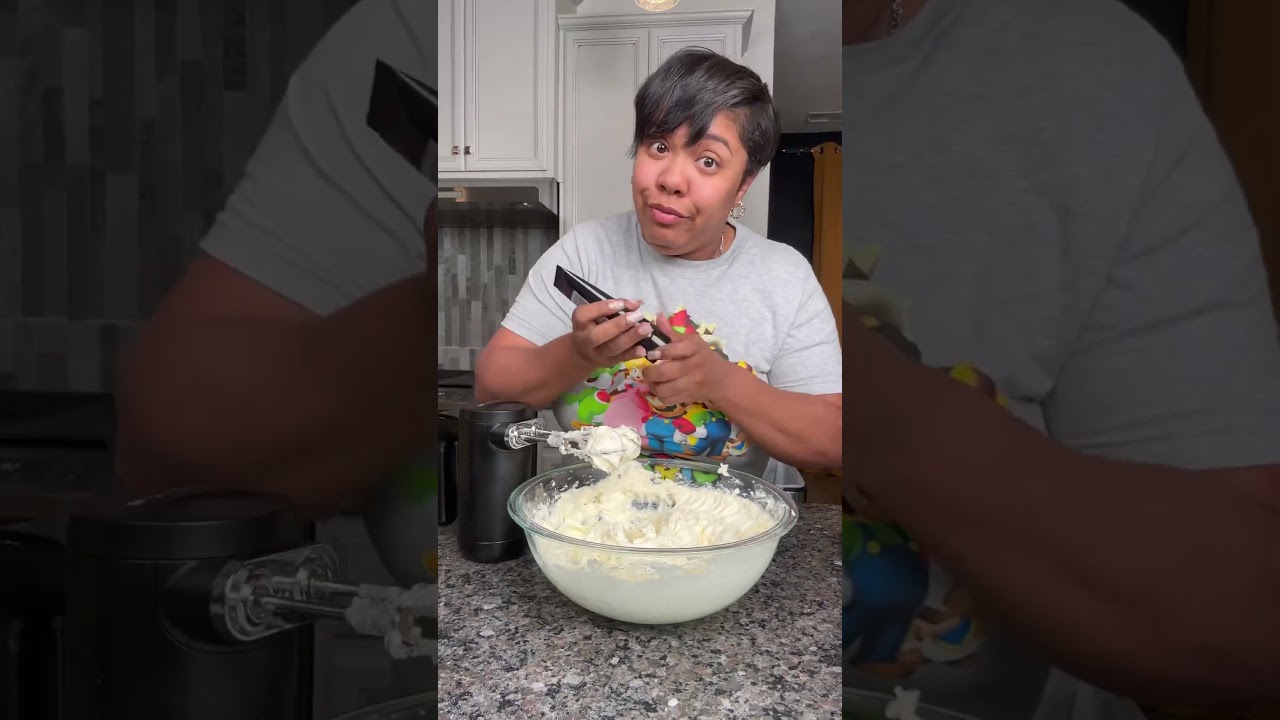
“Every cracked cheesecake in history had one thing in common: it got too hot, too fast, or cooled too quickly. The water bath is not optional. It is not a suggestion from overcautious bakers. It is the only reason restaurant cheesecakes look the way they do. We broke down every major failure point — the cracking, the rubbery texture, the soggy crust — so you don't have to learn them the hard way.”
Why This Recipe Works
Cheesecake has a reputation for being difficult. That reputation is earned by people who skip steps they don't understand. Once you understand why each step exists, the recipe becomes straightforward — because every instruction has exactly one purpose, and that purpose is preventing a specific, predictable failure.
The Temperature Problem
Cheesecake is a custard. Not a cake. It sets through the same mechanism as crème brûlée — the coagulation of egg proteins in the presence of fat and liquid — and custards are profoundly sensitive to heat. Above 165°F, egg proteins tighten and squeeze, producing a rubbery, eggy result that no amount of toppings can fix. Below 150°F at the center, the proteins haven't fully coagulated and you get a filling that never sets properly.
The water bath solves this by capping the maximum ambient temperature at 212°F — the boiling point of water — regardless of what your oven thermostat says. This gives you a cooking environment that's aggressive enough to set the cheesecake in a reasonable amount of time but gentle enough that you have a wide margin of error before overcooking. It also adds humidity that keeps the surface from drying out and cracking under direct heat.
A 9-inch springform pan wrapped in foil and set inside a roasting pan half-filled with hot water is not a restaurant technique reserved for professionals. It is the correct tool for the correct job, and it's the reason every recipe that skips it produces a compromised result.
The Mixing Problem
Cheesecake batter is deceptively forgiving at the beginning and mercilessly punishing at the end. The cream cheese and sugar phase requires aggressive beating — you want it light, smooth, and completely lump-free, and that takes 4-5 full minutes with a mixer. Any lump that survives this phase is permanent.
The egg phase is the opposite. Once the eggs go in, every stroke of the spatula incorporates air. Air expands during baking. Expanded air bubbles collapse as the cheesecake cools, and those collapsing bubbles are what crack the surface. The solution is to fold — not mix — with exactly 2-3 strokes per egg, stopping the moment each one disappears into the batter. Count your strokes. It feels like you're underdoing it. You are not.
The Greek yogurt in this recipe adds something the traditional all-sour-cream filling doesn't: a slightly looser, more delicate texture and a cleaner tang that makes the flavor feel less heavy. The lemon juice amplifies this. Together, they create a filling that reads as rich without being cloying — the thing most cheesecakes fail at.
The Cooling Problem
The oven rest is the final piece of the system, and it's the one most people skip because it feels passive. After the bake, you turn off the oven, crack the door three inches, and leave the cheesecake inside for a full hour. This accomplishes two things simultaneously: the residual heat finishes cooking the center without additional exposure to active heat, and the gradual temperature drop prevents the thermal shock that contracts the surface too quickly and causes cracking.
Running an offset spatula around the inner edge immediately after the bake — before cooling, not after — is the other underrated step. As the cheesecake cools, it contracts slightly. If it's stuck to the sides of the pan, that contraction has nowhere to go except inward, pulling the surface apart. The spatula release gives it room to contract freely.
After the oven rest, room-temperature rest, and minimum four-hour refrigeration, you have a cheesecake that slices cleanly, holds its shape, and tastes better than anything in a grocery store refrigerator case. The process is not fast. It is also not difficult. The two are not the same thing.
Where Beginners Mess This Up
Before we start, read this. These are the 4 reasons your the classic new york cheesecake (water bath method, zero cracks) will fail:
- 1
Overmixing the batter after the eggs go in: Every stroke of the spatula after you add eggs incorporates air. Air bubbles expand in the oven, then collapse as the cheesecake cools — that's what cracks the surface. Add eggs one at a time, fold with 2-3 strokes per egg, and stop the moment each one disappears into the batter. This is the single most common home baker mistake.
- 2
Skipping the water bath: Without a water bath, the oven's dry heat cooks the outer edges fast while the center is still liquid. That temperature differential creates internal stress fractures. The water bath holds the ambient temperature at 212°F maximum, cooking the entire cheesecake at the same gentle rate. There is no substitute.
- 3
Pulling the cheesecake when it looks done: A properly cooked cheesecake is not firm in the center when you pull it. The outer 2-3 inches should be set, but the center should wobble like Jell-O when you tap the pan. It finishes cooking from residual heat during the oven rest. If the center is firm when you pull it, you've already overcooked it.
- 4
Skipping room temperature on your dairy: Cold cream cheese doesn't fully incorporate — it stays in chunks that never smooth out, producing a lumpy batter that bakes unevenly. Every dairy ingredient in this recipe must be room temperature before you begin. Not 'left out for 10 minutes.' Actually room temperature.
The Video Reference Library
Want to see it in action? Here are the exact videos we analyzed and combined to build this foolproof recipe translation:
The primary reference video for this recipe. Covers the water bath setup, the jiggle test for doneness, and the oven-rest cooling technique that prevents cracking.
🛠️ Core Equipment
- 9-inch springform panThe removable sides are the only way to release a cheesecake cleanly. A regular cake pan is not a substitute. Quality springforms have tight seals — check yours before buying by looking for gaps where the base meets the ring.
- Roasting pan (larger than the springform)This is your water bath vessel. It needs to be deep enough to hold water halfway up the sides of the springform. A disposable aluminum roasting pan works perfectly and eliminates cleanup.
- Stand mixer or hand mixerBeating the cream cheese by hand produces uneven texture. A mixer on low speed creates the smooth, lump-free base that's non-negotiable for a good cheesecake. Do not rush this step.
- Offset spatulaTwo uses: smoothing the top of the batter before baking, and running around the inner edge of the pan immediately after baking to release the sides. That post-bake release is one of the key crack-prevention steps.
The Classic New York Cheesecake (Water Bath Method, Zero Cracks)
🛒 Ingredients
- ✦2 cups graham cracker crumbs
- ✦5 tablespoons unsalted butter, melted
- ✦2 tablespoons granulated sugar
- ✦1/4 teaspoon sea salt
- ✦32 ounces cream cheese, softened to room temperature
- ✦1 cup granulated sugar
- ✦1/2 cup full-fat sour cream, room temperature
- ✦1/2 cup plain Greek yogurt, room temperature
- ✦2 tablespoons all-purpose flour
- ✦1 teaspoon vanilla extract
- ✦1 tablespoon fresh lemon juice
- ✦5 large eggs, room temperature
- ✦Parchment paper for springform pan
- ✦Aluminum foil for water bath wrapping
👨🍳 Instructions
01Step 1
Preheat your oven to 325°F and position the rack to the middle position.
02Step 2
Combine graham cracker crumbs, melted butter, 2 tablespoons sugar, and sea salt. Mix until the texture resembles damp sand with no dry pockets.
03Step 3
Press the crumb mixture firmly and evenly across the bottom of a 9-inch springform pan using the flat bottom of a measuring cup.
04Step 4
Bake the crust for 8-10 minutes until lightly golden and fragrant. Remove and cool while preparing the filling.
05Step 5
Wrap the exterior of the springform pan tightly with two layers of heavy-duty aluminum foil, pressing it up the sides. No gaps.
06Step 6
Beat softened cream cheese on medium-low speed for 2-3 minutes until completely smooth, scraping the bowl frequently.
07Step 7
Add 1 cup sugar gradually while beating on low for another 2 minutes until light and fluffy.
08Step 8
In a separate bowl, whisk together sour cream, Greek yogurt, flour, vanilla extract, and lemon juice until completely combined.
09Step 9
Add the sour cream mixture to the cream cheese base and fold gently with a spatula — no more than 8-10 strokes — until barely combined. Stop while it still looks slightly streaky.
10Step 10
Add eggs one at a time, folding gently after each with just 2-3 strokes until each egg disappears. Do not overmix.
11Step 11
Pour the filling into the cooled crust and smooth the top with an offset spatula.
12Step 12
Place the foil-wrapped springform pan inside a larger roasting pan. Pour enough hot water into the roasting pan to reach halfway up the sides of the springform.
13Step 13
Bake for 55-65 minutes. The edges should be set and the center should jiggle visibly — like firm Jell-O — when you tap the pan. The center should not be firm.
14Step 14
Turn off the oven, crack the door open 3 inches, and leave the cheesecake inside for 1 hour. Do not remove it.
15Step 15
Remove from the oven. Run a thin offset spatula around the inside edge of the pan to release the cheesecake from the sides.
16Step 16
Cool to room temperature on a wire rack for 2 hours, then refrigerate for at least 4 hours — overnight is better — before releasing from the springform and serving.
Nutrition Per Serving
Estimates based on standard preparation. Adjustments alter macros.
🔄 Substitutions
Instead of Graham cracker crust...
Use Almond flour crust with dates and walnuts
Nuttier, denser base with more fiber and nutritional value. Process 1 cup almond flour, 6 medjool dates, and 1/2 cup walnuts until it holds together when pressed. No baking required.
Instead of Granulated sugar (all portions)...
Use Erythritol or monk fruit sweetener blend
Reduces calories by 30-40% and eliminates refined sugar. Use a 1:1 blend designed for baking — pure erythritol can have a cooling aftertaste in large quantities.
Instead of All-purpose flour...
Use Cornstarch
Produces a slightly more delicate, silkier texture. Use the same quantity. Lower glycemic impact as a bonus.
Instead of Full-fat sour cream...
Use Non-fat Greek yogurt mixed with 1 tablespoon lemon juice
Reduces saturated fat significantly while maintaining tang. The lemon juice compensates for the milder flavor of non-fat yogurt.
🧊 Storage & Reheating
In the Fridge
Cover loosely with plastic wrap and refrigerate for up to 5 days. The flavor and texture actually improve on days 2 and 3.
In the Freezer
Freeze whole or in pre-cut slices on a parchment-lined baking sheet until solid, then wrap individually in plastic wrap and store in a freezer bag for up to 2 months.
Reheating Rules
Thaw overnight in the refrigerator. Serve cold or at room temperature — cheesecake does not need to be reheated and heat will damage the texture.
❓ Frequently Asked Questions
Why did my cheesecake crack?
Almost always one of three causes: overmixing after the eggs were added (incorporated too much air), oven temperature too high, or cooling too quickly without the oven rest. The jiggle test and the 1-hour oven rest with the door cracked are your two main crack-prevention tools.
Do I really need a water bath?
Yes. The water bath holds the oven environment at a maximum of 212°F and adds humidity that prevents the surface from drying out and cracking. Without it, the dry oven heat cooks the edges much faster than the center, creating the stress that causes cracks and rubbery edges.
How do I know when it's done if the center is supposed to jiggle?
The outer 2-3 inches of the cheesecake should be fully set and not move when you tap the pan. The center 3-4 inches should jiggle as a unit — like a thick liquid, not sloshing. If the whole thing moves like water, it needs more time. If nothing moves at all, you've overcooked it.
Can I make this without a springform pan?
Technically yes, but practically no. Without removable sides, you cannot release the cheesecake cleanly, and you'll end up scooping it rather than slicing it. A springform pan is the correct tool for this job.
Why does my cheesecake taste eggy?
Overcooked. When a cheesecake exceeds 165°F internally, the egg proteins tighten and the eggy flavor dominates. Pull it when the center still jiggles. The residual heat will bring it to the right final temperature during the oven rest.
Can I add toppings?
Add them after the full chill — never before or during baking. Classic options: fresh berries, a thin layer of sour cream mixed with sugar and vanilla (spread on before the final chill), salted caramel, or lemon curd. All go on cold, just before serving.
The Science of
The Classic New York Cheesecake (Water Bath Method, Zero Cracks)
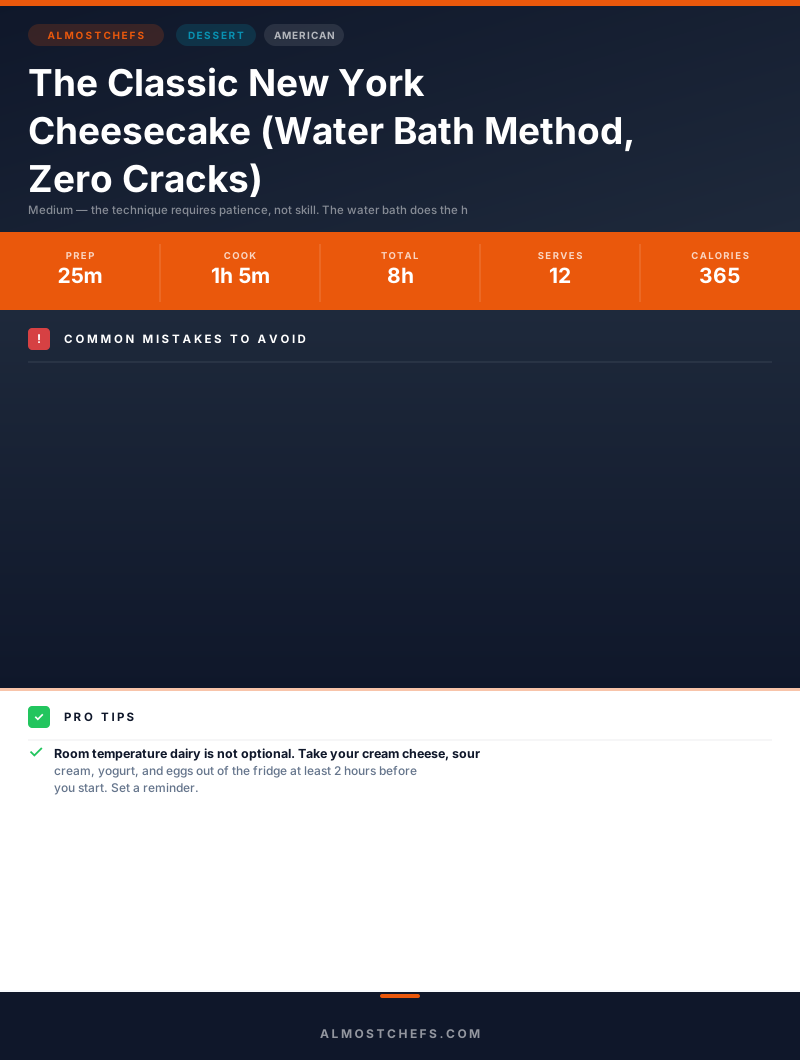
We turned everything on this page into a beautiful, flour-proof PDF cheat sheet. Print it out, stick it to your fridge, and never mess up your the classic new york cheesecake (water bath method, zero cracks) again.
*We'll email you the high-res PDF instantly. No spam, just perfectly cooked meals.
AlmostChefs Editorial Team
We translate the internet's most popular cooking videos into foolproof, beginner-friendly written recipes. We analyze multiple methods, test them in our kitchen, and engineer a single "Master Recipe" that gives you the best possible result with the least possible stress.