Homemade Cheese Crackers (Better Than the Box)
Crispy, buttery homemade cheese crackers loaded with sharp cheddar, cayenne, and garlic — built from pantry staples and finished in under an hour. We broke down the technique so every batch comes out uniformly golden with a satisfying snap.
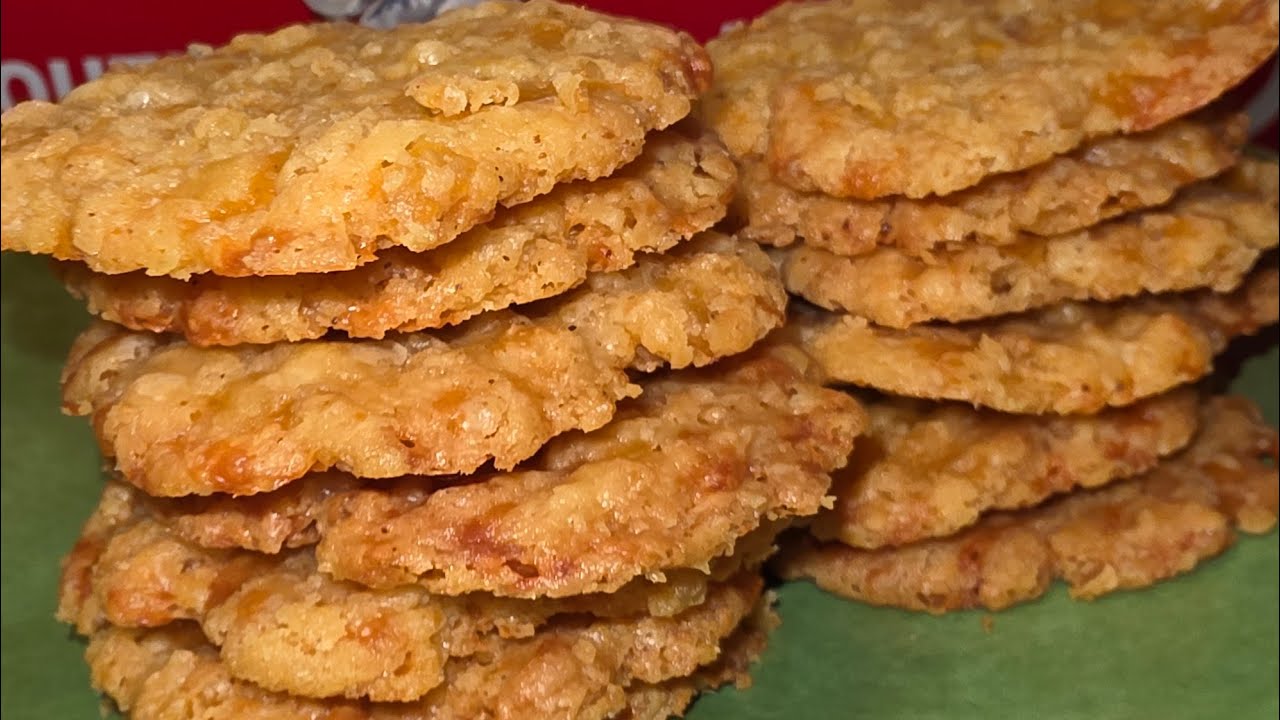
“Store-bought cheese crackers taste like they were engineered in a lab to be aggressively mediocre — not quite cheesy, not quite crispy, just relentlessly beige. Homemade cheese crackers take 15 minutes of hands-on work and taste completely different: real sharp cheddar, real butter, real heat from cayenne. The only variable worth mastering is the roll thickness. Get that right and everything else takes care of itself.”
Why This Recipe Works
Cheese crackers are one of those recipes that seems simple until you make them and realize the entire thing depends on a handful of variables that interact in ways the ingredient list doesn't warn you about. The good news: once you understand the mechanics, it becomes a genuinely repeatable formula.
The Fat Architecture
Two fats doing two different jobs. Butter provides flavor, tenderness, and the flaky laminated structure that makes a good cracker snap instead of bend. Olive oil distributes more evenly through the flour matrix, lubricating the starch granules and contributing to a crisp, uniform bite. Use only butter and the cracker is rich but can turn dense. Use only oil and you get something closer to a flatbread than a cracker. The combination produces a texture that's genuinely difficult to achieve with a single fat.
The critical constraint: the butter must stay cold until it hits the oven. This is why the dough gets chilled before rolling. When butter remains in distinct small pieces within the flour, it creates steam pockets during baking that translate to flaky layers. When the butter has warmed and fully absorbed into the flour, you get a homogeneous dough that bakes into something denser and less interesting. Cold dough. Hot oven. That's the exchange.
The Cheese Integration Problem
Most cheese cracker recipes call for stirring the cheese into the dough last, like an afterthought. The better approach is treating it as a structural ingredient — which it is. Two cups of finely grated sharp cheddar represents a significant portion of the dough's total weight. It contributes fat, protein, moisture, and flavor distribution.
Freshly grated cheese matters because the fat in the cheese needs to incorporate with the butter during mixing. The cellulose coating on pre-shredded cheese prevents this — you end up with cheese particles suspended in dough rather than cheese woven through it. A good box grater on the fine side produces the right texture. Food processor with a grating disk works equally well for larger batches.
Roll Thickness is Everything
One-eighth of an inch. Not a quarter inch. Not "pretty thin." One-eighth. This is roughly the thickness of two stacked pennies, and it's the entire difference between a crispy cracker and a dry shortbread.
The math: at 1/4 inch, the exterior browns before the interior moisture drives off. You pull the crackers because the edges look done, but the center is still soft. As they cool, they go from "almost crispy" to "slightly leathery." At 1/8 inch, the moisture content is low enough that the entire cracker reaches the right temperature and dries out simultaneously. The difference in bake time is under 5 minutes. The difference in texture is dramatic.
Rolling between two sheets of parchment solves the sticking problem without adding flour. Additional flour dusted onto the dough surface during rolling dries out the exterior and creates an uneven texture. The parchment method requires zero extra flour — roll, peel, cut.
The Spice Balance
Cayenne, garlic powder, black pepper, and paprika are doing specific work here. Cayenne provides background heat that you feel in the throat 3 seconds after eating, not upfront sharpness. Garlic powder amplifies the savory register of the cheddar. Black pepper adds aromatic complexity. Paprika contributes color and a subtle sweetness that rounds off the cayenne's edge. None of these flavors should be individually identifiable in the finished cracker — if you taste "garlic cracker" or "spicy cracker" rather than "really good cheese cracker," reduce the individual components.
Taste the raw dough before chilling. It should taste aggressively seasoned — almost too much. Baking mellows every flavor by 20-30%. What tastes sharp raw will taste balanced baked.
The Cooling Contract
A wire cooling rack is non-negotiable for the final step. Crackers need airflow underneath them to release moisture from the bottom as they cool. A flat surface traps that steam and softens the base. Five minutes on the sheet to stabilize, then the rack until fully room temperature before any container gets involved. This step takes 20 minutes and requires zero effort. Skip it and you've undermined everything that came before.
Where Beginners Mess This Up
Before we start, read this. These are the 4 reasons your homemade cheese crackers (better than the box) will fail:
- 1
Rolling the dough too thick: Crackers cut thicker than 1/8 inch bake up soft and bready instead of crispy. The geometry is unforgiving — twice the thickness means four times the interior moisture to drive off. Use parchment sheets above and below the dough and roll aggressively thin. If you're unsure, go thinner.
- 2
Skipping the chill: Warm dough spreads during baking because the butter softens before the structure sets. The 30-minute refrigerator rest re-solidifies the fat, meaning the crackers hold their shape and crisp edges instead of puffing into soft rounds. Do not skip this step.
- 3
Pulling the crackers too early: The difference between golden and perfect is about 2 minutes, and under-baked crackers feel almost done when hot but turn leathery as they cool instead of snapping. The edges should be a clear amber-brown. If only the outer ring is colored and the center is still pale, give them 2 more minutes.
- 4
Not letting them cool completely on the rack: Crackers continue crisping as steam escapes during cooling. Moving them to a container while warm traps that moisture and softens everything you just worked to dry out. Five minutes on the sheet, then the rack, then the container — in that order.
The Video Reference Library
Want to see it in action? Here are the exact videos we analyzed and combined to build this foolproof recipe translation:
The source video behind this recipe — clean technique, good close-ups of the proper roll thickness and the exact golden-brown edge color you're targeting before pulling from the oven.
🛠️ Core Equipment
- Rolling pinAchieving consistent 1/8-inch thickness is the single most important variable in this recipe. A heavy rolling pin lets you apply even pressure. The parchment sandwich method (dough between two sheets) prevents sticking without adding flour, which dries the dough out.
- Pizza cutter or bench scraperCuts clean squares without dragging the dough. A knife pressed straight down works but can distort edges and compress the layers. A rolling pizza cutter covers a full sheet in 20 seconds.
- Parchment-lined baking sheetsDirect pan contact burns the bottoms before the centers crisp. Parchment creates a small insulating gap that keeps heat even. Greased pans are not an adequate substitute — they brown too aggressively.
- Box grater or food processorPre-shredded cheese contains anti-caking cellulose that interferes with how the cheese binds into the dough. Freshly grated sharp cheddar melts into the fat more completely and produces more intense flavor and better cracker structure.
Homemade Cheese Crackers (Better Than the Box)
🛒 Ingredients
- ✦1 3/4 cups all-purpose flour
- ✦1/2 cup whole wheat flour
- ✦1/2 cup unsalted butter, softened
- ✦2 tablespoons extra virgin olive oil
- ✦2 cups sharp cheddar cheese, freshly finely grated
- ✦1/2 teaspoon fine sea salt
- ✦1/4 teaspoon cayenne pepper
- ✦1/2 teaspoon garlic powder
- ✦1/4 teaspoon black pepper
- ✦1/4 teaspoon paprika
- ✦2 tablespoons ice water
- ✦1 tablespoon sesame seeds (optional)
👨🍳 Instructions
01Step 1
Whisk together the all-purpose flour and whole wheat flour in a large mixing bowl until evenly combined.
02Step 2
Add the softened butter and olive oil. Use a pastry cutter or your fingertips to work the fats into the flour until the mixture resembles coarse breadcrumbs with no large butter chunks visible, about 3 minutes.
03Step 3
Add the grated cheddar, sea salt, cayenne, garlic powder, black pepper, and paprika. Use a spatula to fold everything together until the cheese is evenly distributed throughout the flour mixture.
04Step 4
Drizzle ice water over the mixture one tablespoon at a time, stirring after each addition, until the dough just comes together into a cohesive ball. It should hold when squeezed but not feel sticky.
05Step 5
Flatten the dough into a disc, wrap tightly in plastic wrap, and refrigerate for at least 30 minutes.
06Step 6
Preheat your oven to 350°F. Line two large baking sheets with parchment paper.
07Step 7
Divide the chilled dough in half. Place one portion between two sheets of parchment paper and roll out to exactly 1/8-inch thickness.
08Step 8
Remove the top parchment sheet. Cut the rolled dough into 1-inch squares using a pizza cutter, working in a grid pattern.
09Step 9
Slide the bottom parchment sheet with the cut crackers directly onto a prepared baking sheet. The crackers don't need to be separated — they pull apart cleanly after baking.
10Step 10
If using sesame seeds, sprinkle them over the crackers and press lightly so they adhere.
11Step 11
Bake for 12 to 15 minutes, rotating the pans halfway through, until the edges are amber-brown and the crackers feel firm and dry when tapped. Watch the last 2 minutes closely.
12Step 12
Remove from the oven and cool on the baking sheet for 5 minutes, then transfer to a wire rack to cool completely before storing.
13Step 13
Repeat with the remaining dough half.
Nutrition Per Serving
Estimates based on standard preparation. Adjustments alter macros.
🔄 Substitutions
Instead of Unsalted butter...
Use Grass-fed butter or ghee
Grass-fed butter has a richer, more complex flavor. Ghee removes the milk solids entirely, producing a slightly crispier cracker with a cleaner finish. Use the same quantity.
Instead of All-purpose flour...
Use Spelt flour or einkorn flour
Ancient grain flours are slightly lower in gluten, producing a crumblier, more tender cracker. The flavor is nuttier. Substitute 1:1 but expect the dough to be slightly more fragile when rolling.
Instead of Sharp cheddar...
Use Aged manchego or gruyère
Manchego produces a nuttier, slightly sheepy flavor. Gruyère is more complex and less sharp. Both melt into the dough cleanly. Avoid soft or semi-soft cheeses — they add too much moisture.
Instead of Extra virgin olive oil...
Use Avocado oil
More neutral flavor and higher smoke point. Produces a virtually identical cracker. Good option if you want the butter flavor to dominate without olive oil's fruitiness in the background.
🧊 Storage & Reheating
In the Fridge
Not recommended — refrigerator humidity softens crackers within a day. Room temperature storage is better.
In the Freezer
Freeze baked crackers in a zip-lock bag with the air pressed out for up to 2 months. Re-crisp in a 300°F oven for 5 minutes directly from frozen.
Reheating Rules
If crackers have softened, spread them on a baking sheet and bake at 300°F for 5-7 minutes. They'll crisp back up as they cool. Do not microwave — they'll steam and turn soft.
❓ Frequently Asked Questions
Why are my crackers soft instead of crispy?
Three possibilities: the dough was rolled too thick, they were underbaked, or they were stored before fully cooling. Check thickness first — 1/8 inch is thinner than you think. If the edges were golden but the center was pale, add 2 minutes next time. And always cool completely on a wire rack before storing.
Can I make the dough ahead of time?
Yes, and it's actually better that way. The dough keeps in the refrigerator for up to 3 days, tightly wrapped. You can also freeze it in a disc for up to 2 months — thaw overnight in the fridge before rolling.
Do I have to use whole wheat flour?
No. You can substitute all all-purpose flour for a more neutral, slightly crisper cracker. The whole wheat adds nuttiness and a small nutritional boost but doesn't fundamentally change the technique.
Why did my cheese burn before the crackers were done?
The grate was too coarse. Large cheese shreds sit on the surface and scorch before the cracker body dries out. Always use the fine side of a box grater — you want the cheese fully incorporated into the dough, not sitting on top of it.
Can I add herbs or other mix-ins?
Yes. Finely chopped fresh rosemary (1 teaspoon), black sesame seeds, everything bagel seasoning, or red pepper flakes all work well. Add dry ingredients with the spices in step 3. Keep add-ins finely chopped or ground — chunky inclusions create weak points where crackers break unevenly.
How do I get perfectly uniform squares?
Use a ruler and a pizza cutter on a scored grid — mark every inch lightly before cutting through. Alternatively, embrace imperfect squares. They taste identical and irregular edges are the honest tell of a homemade cracker.

The Science of
Homemade Cheese Crackers (Better Than the Box)
We turned everything on this page into a beautiful, flour-proof PDF cheat sheet. Print it out, stick it to your fridge, and never mess up your homemade cheese crackers (better than the box) again.
*We'll email you the high-res PDF instantly. No spam, just perfectly cooked meals.
AlmostChefs Editorial Team
We translate the internet's most popular cooking videos into foolproof, beginner-friendly written recipes. We analyze multiple methods, test them in our kitchen, and engineer a single "Master Recipe" that gives you the best possible result with the least possible stress.