One-Hour Cheap & Healthy Meal Prep (Four Days of Real Food Done)
A practical, budget-conscious meal prep strategy that stacks lentils, roasted sweet potatoes, caramelized vegetables, and whole grains into four complete, satisfying meals — all cooked simultaneously in 60 minutes. Built for busy weeks and grocery budgets that actually exist.
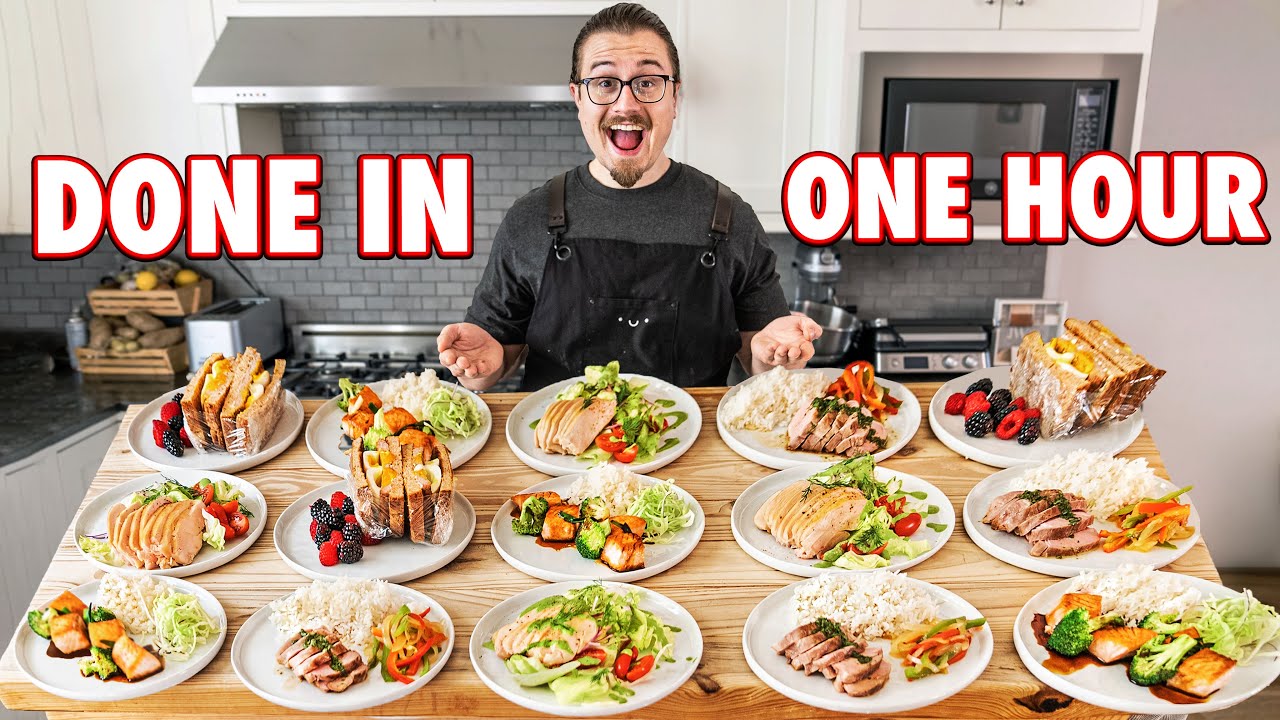
“Most meal prep content is either so complicated it defeats the point or so bland you stop eating it by Wednesday. This method does one thing differently: it runs the oven and the stovetop at the same time, so four complete meals — lentils, roasted vegetables, caramelized sweet potatoes, whole grains — are all done in 60 minutes flat. The food is genuinely good. The cost per serving is genuinely low. That's the entire pitch.”
Why This Recipe Works
There is a category of cooking advice that sounds practical but is functionally useless: "just meal prep on Sundays." Great. Meal prep what, exactly? Most meal prep content either requires three hours and a culinary degree, or it produces containers of beige sadness that you stop eating by Tuesday. This recipe solves a different problem — it asks for one hour and returns four genuinely good meals. The technique is what makes it possible.
Parallel Cooking Is the Entire Strategy
The 60-minute claim holds up only if you run the oven and the stovetop simultaneously from minute one. This is not complicated. It is just a sequencing decision that most home cooks skip because they're used to cooking one thing at a time. Preheat the oven, start the lentils, prep the vegetables, get everything into the oven, then handle the onion and garlic base while the lentils finish. Every component hits the same finish line at roughly the same time. Cook them sequentially and you're looking at 90 minutes minimum.
The two rimmed baking sheets matter here. Sweet potatoes and mixed vegetables roast at the same temperature but benefit from different rack positions — lower rack for the sweet potatoes, which need bottom heat to caramelize their natural sugars, upper rack for the vegetables, which need convective heat to dry out their surfaces quickly. One pan means compromised results for at least one component.
What Lentils Actually Do
Lentils are the highest-fiber, most budget-friendly protein available at any grocery store — roughly 18g protein and 15g fiber per cooked cup at a fraction of the cost of meat. But their real function in this recipe is textural and structural. They break down the tomato into a thick, sauce-like consistency that coats the grains beneath and holds the whole container together. This is why the cook level matters: lentils cooked to paste turn the sauce watery and formless. Lentils cooked to just-tender create a sauce with body and structure that actually improves over 48 hours in the refrigerator as the flavors continue to meld.
The broth is not optional. Cooking lentils in water produces a flat, starchy result. Cooking them in vegetable or chicken broth means every lentil absorbs seasoned liquid from the inside out. By the time you fold in the tomatoes, the flavor base is already built.
Roasting Instead of Steaming
The difference between roasted and steamed vegetables is not subtle — it's the difference between caramelized and limp. At 425°F on a heavy baking sheet, the surface moisture evaporates quickly and the Maillard reaction begins, converting sugars and proteins into the hundreds of flavor compounds that make roasted vegetables taste complex and slightly sweet. The same vegetables boiled or steamed retain their moisture, which prevents browning and leaves the flavor flat.
This is also why crowding ruins the result. Vegetables packed tightly create a humid microclimate above the pan — they essentially steam each other. Single-layer roasting, with space between pieces, lets moisture escape and gives you the caramelized edges that make this worth eating four days in a row.
The Acid Finish
Lemon juice at the end is not garnish. It is a functional ingredient. Lentils cooked in broth with tomatoes are rich and savory but tonally heavy — all bass, no treble. A small amount of acid at the end doesn't add a sour note; it amplifies the brightness of every other flavor already in the container. This is the same principle behind adding vinegar to braised dishes or lime to tacos. The food doesn't taste acidic. It tastes more like itself.
Why This Holds Up Four Days
Meals that degrade quickly in containers usually fail for one reason: moisture migration. Hot food sealed in a container traps steam, which condenses and slowly soaks into the grains. The grains turn soft, the vegetables turn limp, and by day three everything tastes like reheated sadness. The solution is mechanical: let every component cool completely before sealing. Twenty minutes of patience on Sunday produces containers that taste structurally intact on Thursday.
The grain-lentil-vegetable layering also helps. The grains form a barrier that absorbs sauce gradually rather than all at once. The roasted vegetables stay on top, separated from the liquid below. Assembly order is not aesthetic — it is food preservation.
Where Beginners Mess This Up
Before we start, read this. These are the 4 reasons your one-hour cheap & healthy meal prep (four days of real food done) will fail:
- 1
Overcooking the lentils: Lentils that turn to paste can't be rescued by layering. Cook them until just tender but still holding their shape — around 20-25 minutes at a gentle simmer. If they're mushy before you assemble the containers, the texture of every meal is ruined. Start checking at the 18-minute mark.
- 2
Crowding the roasting pans: If sweet potatoes and vegetables are piled on top of each other, they steam instead of roast. Steamed vegetables are soft and watery. Roasted vegetables are caramelized and flavorful. Single layer, always. Use two separate baking sheets and two oven racks if needed.
- 3
Skipping the lemon finish: Lentils cooked in broth are rich and earthy, which is great. They're also flat without acid. The squeeze of lemon at the end doesn't make the dish taste lemony — it brightens every other flavor. Skipping it is the difference between food that tastes complete and food that tastes like it's missing something.
- 4
Sealing containers while hot: Trapping steam inside a sealed container creates condensation that makes grains soggy and vegetables limp within 24 hours. Let everything cool to room temperature — 20-30 minutes — before sealing. The extra wait is the reason the meals are still good on day four.
The Video Reference Library
Want to see it in action? Here are the exact videos we analyzed and combined to build this foolproof recipe translation:
The source video that inspired this method. Clear breakdown of the parallel cooking approach — oven and stovetop running simultaneously — with practical tips on timing each component to finish at the same time.
🛠️ Core Equipment
- Two rimmed baking sheetsYou need separate pans for the sweet potatoes and the vegetables. Crowding two different vegetables with different roasting times onto one pan produces uneven results. Rimmed sheets keep oil and juices contained.
- Large heavy-bottomed potLentils need room to circulate in liquid without boiling over. A [Dutch oven](/kitchen-gear/review/dutch-oven) or large saucepan distributes heat evenly and prevents the bottom layer from scorching during the 25-minute simmer.
- Four glass meal prep containers with lidsGlass doesn't absorb odors or stain from tomato-based sauces. Airtight lids prevent refrigerator moisture from softening the grains. Containers sized around 3-4 cups hold each assembled meal without compressing the layers.
- Fine-mesh colanderFor rinsing the lentils before cooking. Dried lentils carry dust and small debris from processing. A quick rinse under cold water prevents any off-flavors and removes the surface starches that cause excessive foaming during boiling.
One-Hour Cheap & Healthy Meal Prep (Four Days of Real Food Done)
🛒 Ingredients
- ✦2 cups dried lentils (brown or green)
- ✦4 medium sweet potatoes, cut into 1-inch cubes
- ✦3 cups fresh broccoli florets
- ✦2 cups sliced mushrooms
- ✦1 large red bell pepper, diced
- ✦3 tablespoons extra virgin olive oil, divided
- ✦4 cloves garlic, minced
- ✦2 teaspoons ground cumin, divided
- ✦1 teaspoon smoked paprika
- ✦1 teaspoon dried oregano
- ✦6 cups vegetable or chicken broth
- ✦2 medium yellow onions, finely diced
- ✦1 can diced tomatoes (14.5 ounces)
- ✦Sea salt to taste
- ✦Black pepper to taste
- ✦2 tablespoons fresh green onions, chopped
- ✦1 teaspoon fresh lemon juice
- ✦2 cups cooked quinoa or brown rice
👨🍳 Instructions
01Step 1
Preheat your oven to 425°F and position racks in the upper and lower thirds for even roasting.
02Step 2
Rinse the lentils thoroughly under cold water in a fine-mesh colander, then transfer to a large pot with 6 cups of broth and bring to a boil over high heat.
03Step 3
Reduce the lentil mixture to a gentle simmer and cook uncovered for 20-25 minutes until the lentils are tender but still holding their shape.
04Step 4
While lentils cook, toss sweet potato cubes with 2 tablespoons olive oil, half the cumin, the smoked paprika, and a generous pinch of salt on a baking sheet. Spread in a single layer.
05Step 5
Roast the sweet potatoes on the lower oven rack for 25-30 minutes, stirring once halfway through, until caramelized on the edges and fork-tender throughout.
06Step 6
Combine broccoli florets, mushroom slices, and diced red bell pepper in a bowl with 1 tablespoon olive oil, the remaining cumin, dried oregano, and a pinch of salt. Toss to coat evenly.
07Step 7
Spread the vegetable mixture on a second baking sheet and roast on the upper rack for 20-25 minutes until edges are golden and the mushrooms have reduced by about half.
08Step 8
Heat 1 tablespoon olive oil in a large saucepan over medium-high heat. Add the diced onions and sauté for 4-5 minutes until softened and translucent.
09Step 9
Add the minced garlic and cook for 1 minute until fragrant.
10Step 10
Stir in the diced tomatoes with their juices and the cooked lentils. Combine thoroughly and season with salt and black pepper. Remove from heat.
11Step 11
Divide the cooked quinoa or brown rice evenly among four containers as the base layer.
12Step 12
Layer the lentil and tomato mixture over the grains, then top with equal portions of roasted sweet potatoes and roasted vegetables.
13Step 13
Finish each container with chopped green onions and a squeeze of lemon juice.
14Step 14
Allow all containers to cool to room temperature — about 20-30 minutes — then seal and refrigerate for up to four days.
Nutrition Per Serving
Estimates based on standard preparation. Adjustments alter macros.
🔄 Substitutions
Instead of Brown lentils...
Use Chickpeas or split peas
Chickpeas add sweetness and a firmer, meatier bite. Split peas break down more and produce a thicker, creamier sauce. Both work — chickpeas are better for texture, split peas for a stew-style result.
Instead of White or brown rice...
Use Farro, barley, or millet
All three offer more fiber and a chewier, nuttier flavor than rice. Farro and barley take longer to cook — check package times. Millet cooks in about 20 minutes and has a light, fluffy texture similar to couscous.
Instead of Vegetable broth...
Use Bone broth or low-sodium chicken broth
Richer and more savory with a noticeable depth the lentils absorb well. Bone broth adds collagen but no flavor compromise. If reducing sodium, use low-sodium versions of either.
Instead of Sweet potatoes...
Use Carrots, beets, or butternut squash
All root vegetables with similar roasting times. Beets turn everything slightly pink (including the lentils if they touch). Butternut squash is the most neutral substitute. Carrots are sweeter and crispier at the edges.
🧊 Storage & Reheating
In the Fridge
Store sealed in glass containers for up to 4 days. Flavors deepen by day two as the lentil sauce absorbs into the grains.
In the Freezer
Freeze the lentil mixture separately for up to 3 months. The roasted vegetables don't freeze well — they turn watery on thaw. Freeze only the lentils and grains, then roast fresh vegetables when ready to eat.
Reheating Rules
Remove the lid and microwave for 2-3 minutes, stirring once halfway through. Add a tablespoon of water or broth before reheating if the lentil layer looks dry. Stovetop reheating in a covered pan with a splash of broth takes 5-7 minutes and produces better texture.
❓ Frequently Asked Questions
Can I use canned lentils instead of dried?
You can, but reduce the broth to 2 cups and skip the 20-25 minute simmer. Canned lentils are already fully cooked — just warm them through with the onion, garlic, and tomatoes. The flavor will be slightly less developed since dried lentils absorb the broth as they cook, but the time savings are significant.
Why are my roasted vegetables soggy instead of caramelized?
Two likely causes: the oven wasn't fully preheated when the pans went in, or the vegetables were crowded. Vegetables release moisture as they cook — if they're touching, that moisture steams them instead of evaporating. Use two pans, single layer, and give the oven a full 15 minutes to reach 425°F before anything goes in.
Is this meal prep actually filling enough?
At 465 calories per container with 19g protein and 14g fiber, it's a complete meal by any reasonable measure. The combination of lentils (slow-digesting protein and fiber), complex carbohydrates from the grains, and fat from olive oil produces sustained satiety — not the 90-minute blood sugar crash that follows a sandwich.
Can I make this vegan?
It already is, provided you use vegetable broth. No substitutions required. The nutrition values listed are for the vegetable broth version.
How do I keep the grains from getting soggy by day three?
Two things: cool completely before sealing, and don't let the lentil sauce sit directly on the grains for days at a time. If you know you won't eat a container until day four, layer the grains and lentils separately in the container with a piece of parchment between them, or store the lentil mixture in a separate small container to combine at reheating.
What's the actual cost per serving?
Roughly $2.50-$3.50 per container depending on your market and whether you use quinoa (pricier) or brown rice (cheaper). Lentils are the most economical protein per gram available in any grocery store. The sweet potatoes and broccoli are the only cost variables — buy what's in season and on sale.
The Science of
One-Hour Cheap & Healthy Meal Prep (Four Days of Real Food Done)
We turned everything on this page into a beautiful, flour-proof PDF cheat sheet. Print it out, stick it to your fridge, and never mess up your one-hour cheap & healthy meal prep (four days of real food done) again.
*We'll email you the high-res PDF instantly. No spam, just perfectly cooked meals.
AlmostChefs Editorial Team
We translate the internet's most popular cooking videos into foolproof, beginner-friendly written recipes. We analyze multiple methods, test them in our kitchen, and engineer a single "Master Recipe" that gives you the best possible result with the least possible stress.