Foolproof Chana Masala (The 40-Minute Indian Curry That Actually Works)
Tender chickpeas simmered in a vibrant tomato-spice sauce built on properly toasted aromatics. We broke down the technique to show exactly why most home versions taste flat — and how to fix it in under 40 minutes with pantry staples.
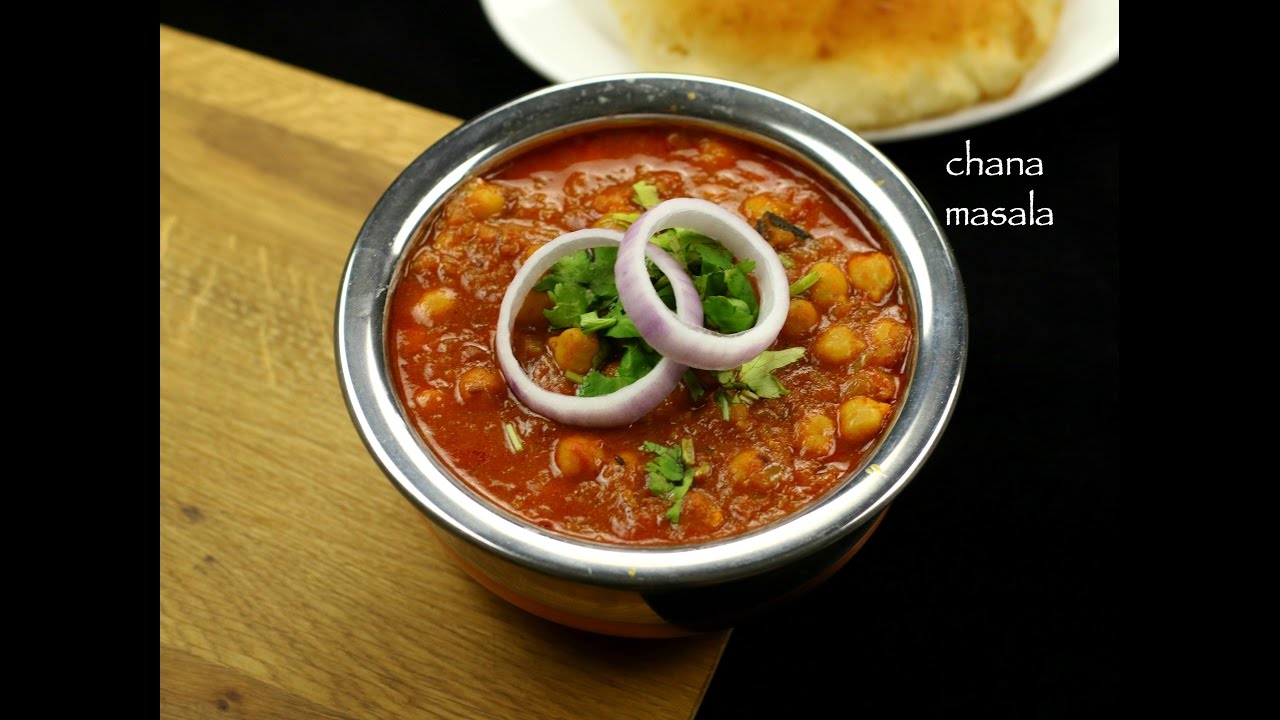
“Most home chana masala tastes like spiced tomato sauce with chickpeas dumped in. Restaurant chana masala tastes like something completely different — layered, complex, slightly tangy, with a sauce that clings instead of pools. The gap isn't exotic ingredients or hours of work. It's three decisions made in the first eight minutes: how long you cook the onions, whether you bloom the spices in fat before adding liquid, and whether you let the tomatoes fully cook down before the chickpeas go in. Miss any one of them and you're back to spiced tomato soup.”
Why This Recipe Works
Chana masala is one of the most requested Indian recipes on the internet and one of the most frequently disappointing to make at home. The ingredients are simple. The technique isn't complicated. And yet most home versions land somewhere between mediocre and forgettable — technically correct, missing something essential.
That something is sequencing. Indian curry cooking is not a stew. It is a series of discrete chemical reactions that must happen in order, each one building the foundation for the next. Skip or compress any step and you corrupt the entire stack.
The Onion Foundation
Every serious Indian curry begins the same way: onions, cooked longer than you think they need to be. The goal is not softness — it's transformation. Raw onion contains sharp sulfur compounds that read as aggressive on the palate. Eight to ten minutes of sustained heat converts those compounds through the Maillard reaction into sweet, complex flavor molecules that form the base note of the sauce. This is not background flavor. It is the majority of the dish's depth. Restaurants that produce exceptional chana masala spend more time on this step than any other.
The visual target: soft, fully translucent, beginning to show the first signs of gold at the edges. If there's still white in the center of any piece, cook longer.
Spice Blooming Is the Whole Game
Ground spices contain two categories of flavor compounds: water-soluble and fat-soluble. The fat-soluble ones — which carry the majority of each spice's intensity and complexity — are locked inside until they contact hot fat. Blooming means adding ground spices directly to hot oil or ghee and stirring constantly for 45 to 60 seconds before any liquid enters the pot.
This single step is the difference between chana masala that tastes like Indian food and chana masala that tastes like tomato soup with cumin in it. The fat captures and distributes the volatile aromatics throughout the entire dish. Water-only cooking disperses the spices without ever activating them.
If you've made this recipe before and been disappointed, this is almost certainly where it broke down.
Tomato Reduction Before the Chickpeas
Canned tomatoes are mostly water — and that water is acidic, thin, and needs time to cook off before it becomes sauce. The tomatoes need 5 to 7 minutes of active reduction after they hit the pot, stirring occasionally and letting the liquid evaporate. You're looking for a color shift from bright red to deep burgundy, a jammy texture, and — the clearest signal — oil beginning to separate and pool at the edges of the pan.
This is called the "oil floating" stage and it's referenced in virtually every traditional Indian cooking method. It tells you the water has cooked off, the sugars have concentrated, and the tomato base is ready to absorb the chickpeas and broth without diluting back into soup. Skip this and you'll simmer for 30 minutes trying to thicken a sauce that never quite gets there.
Chickpeas: Texture and Integration
Canned chickpeas are fully cooked — the 15 to 20 minute simmer is not about cooking them, it's about integration. The chickpeas need to absorb the spiced tomato base through their outer layer, while the sauce reduces to a consistency that coats rather than pools. Stirring occasionally helps both processes.
Mash a quarter of the chickpeas against the side of the pot at the 10-minute mark. This releases starch that thickens the sauce organically, giving the finished dish a body that no amount of additional simmering achieves on its own.
The Finish Matters
Cooking drives off volatile aromatic compounds — the top notes that register in the front of your palate and signal "fresh" and "bright" to your brain. A dish cooked entirely over heat for 40 minutes loses those notes entirely. The fresh cilantro and lime juice added off heat replace them. This is not garnish. Remove these two ingredients and the dish tastes heavy, flat, and aged, even when everything else was executed perfectly.
Use a heavy-bottomed pot throughout — thin pans create hot spots during the onion and spice stages that scorch the garlic before the foundation is built. Even heat is a non-negotiable requirement for a recipe where timing this precise.
Chana masala is one of the best arguments for plant-based cooking: high protein, high fiber, anti-inflammatory spice profile, and genuinely satisfying. The version you get at the end of this method is not a compromise. It's the real thing.
Where Beginners Mess This Up
Before we start, read this. These are the 4 reasons your foolproof chana masala (the 40-minute indian curry that actually works) will fail:
- 1
Undercooking the onions: Five minutes of onion sautéing produces a sharp, raw-tasting base that no amount of simmering will fix. The onions need to be soft, translucent, and beginning to turn golden — 8 to 10 minutes at medium-high. This is the foundation the entire sauce is built on. Rushing it produces a finished dish that tastes undercooked no matter how long you simmer.
- 2
Blooming spices in wet heat instead of fat: Ground cumin, coriander, and garam masala need to hit hot oil or fat for 45-60 seconds before any liquid enters the pot. This step releases the fat-soluble volatile compounds that carry the majority of each spice's flavor and aroma. Adding spices to a wet sauce instead disperses them evenly but never activates them — the result is a one-dimensional curry that tastes like it's missing something, because it is.
- 3
Not cooking down the tomatoes: Canned diced tomatoes are about 94% water. Pouring chickpeas in immediately after adding them produces a thin, acidic sauce that never coheres. The tomatoes need 5-7 minutes of active reduction before the chickpeas join — long enough for the water to evaporate and the sugars to concentrate. You'll know it's ready when the sauce looks jammy and the oil starts separating at the edges.
- 4
Skipping the lime and fresh cilantro at the end: A dish cooked entirely over heat loses its top notes — the bright, volatile aromatics that register in the front of your palate. Fresh lime juice and cilantro added off heat replace those notes. Without them, chana masala tastes heavy and one-dimensional even when everything else was done correctly. This step is not garnish. It is seasoning.
The Video Reference Library
Want to see it in action? Here are the exact videos we analyzed and combined to build this foolproof recipe translation:
The source video behind this recipe. Covers the core technique clearly, with good attention to the spice-blooming and tomato reduction steps that most beginner recipes skip over.
🛠️ Core Equipment
- Heavy-bottomed pot or Dutch ovenEven heat distribution is critical for the onion and spice stages. A thin pan creates hot spots that burn the garlic and ginger before the onions are ready. A [Dutch oven](/kitchen-gear/review/dutch-oven) gives you consistent, forgiving heat across the entire base.
- Wooden spoon or silicone spatulaYou'll be scraping up fond (browned bits) after the tomatoes go in. A wooden spoon's firm edge gets under those deposits cleanly — they're concentrated flavor that needs to dissolve back into the sauce.
- Fine grater or microplaneFresh ginger grated fine integrates into the sauce completely. Minced ginger leaves fibrous chunks that never fully soften. Grating takes 30 seconds and is worth every one of them.
Foolproof Chana Masala (The 40-Minute Indian Curry That Actually Works)
🛒 Ingredients
- ✦3 tablespoons olive oil
- ✦1 large yellow onion, finely diced
- ✦4 cloves garlic, minced
- ✦1 tablespoon fresh ginger, finely grated
- ✦2 teaspoons ground cumin
- ✦1 teaspoon ground coriander
- ✦1 teaspoon garam masala
- ✦1/2 teaspoon turmeric powder
- ✦1/4 teaspoon cayenne pepper, or to taste
- ✦1 can (15 ounces) diced tomatoes with juices
- ✦2 cans (15 ounces each) chickpeas, drained and rinsed
- ✦1 cup low-sodium vegetable broth
- ✦1 teaspoon fine sea salt
- ✦1/2 teaspoon black pepper
- ✦1 tablespoon fresh cilantro, chopped
- ✦1 tablespoon fresh lime juice
- ✦Optional garnish: fresh cilantro sprigs and diced red onion
👨🍳 Instructions
01Step 1
Heat olive oil in a large heavy-bottomed pot over medium-high heat until it shimmers, about 1 minute.
02Step 2
Add the diced onion and sauté, stirring occasionally, until soft, translucent, and lightly golden — 8 to 10 minutes.
03Step 3
Add the minced garlic and grated ginger. Stir constantly over medium heat until fragrant, about 1-2 minutes.
04Step 4
Add the ground cumin, coriander, garam masala, turmeric, and cayenne directly to the pot. Stir vigorously to coat the aromatics and toast the spices for 45-60 seconds until the aroma intensifies.
05Step 5
Pour in the canned tomatoes with their liquid. Stir thoroughly, scraping up any browned bits from the bottom of the pot. Cook uncovered for 5-7 minutes, stirring occasionally, until the sauce thickens and the oil begins separating at the edges.
06Step 6
Add the drained chickpeas and vegetable broth. Stir well to combine.
07Step 7
Bring to a gentle simmer over medium heat and cook uncovered, stirring occasionally, for 15-20 minutes until the sauce thickens to your liking and the flavors meld.
08Step 8
Season with sea salt and black pepper. Adjust cayenne to taste.
09Step 9
Remove from heat. Stir in the fresh cilantro and lime juice.
10Step 10
Serve immediately, garnished with fresh cilantro sprigs and diced red onion if using.
Nutrition Per Serving
Estimates based on standard preparation. Adjustments alter macros.
🔄 Substitutions
Instead of Olive oil...
Use Ghee or coconut oil
Ghee adds authentic nutty depth and is the traditional fat for this dish. Coconut oil works well for a dairy-free version with a subtle sweetness. Either change shifts the flavor profile toward richer, more traditional Indian notes.
Instead of Canned diced tomatoes...
Use 1.5 cups fresh tomatoes, chopped, plus 2 tablespoons tomato paste
Brighter, fresher flavor with slightly less body. The tomato paste compensates for the lower concentration. You may need an extra 5 minutes of reduction time.
Instead of Canned chickpeas...
Use Dried chickpeas soaked overnight and pressure-cooked until tender
Firmer texture, cleaner flavor, and lower sodium. Requires significant additional prep time but produces a noticeably better result if you plan ahead. Cook dried chickpeas until they yield easily to pressure but hold their shape.
Instead of Ground spices...
Use Whole spices toasted and ground fresh
Dramatically more aromatic. Toast whole cumin and coriander seeds in a dry pan for 90 seconds, then grind. The volatile oils in whole spices are preserved until the moment they're ground — pre-ground spices lose potency steadily from the day the container is opened.
🧊 Storage & Reheating
In the Fridge
Store in an airtight container for up to 4 days. Flavors deepen significantly after the first day.
In the Freezer
Freeze in portions for up to 3 months. Chickpeas hold their texture well through freezing. Thaw overnight in the fridge.
Reheating Rules
Reheat on the stovetop over low heat with a splash of water or broth, stirring occasionally. Add a fresh squeeze of lime and a few torn cilantro leaves before serving to restore brightness.
❓ Frequently Asked Questions
Why does my chana masala taste flat even after following the recipe?
Two likely culprits: the spices weren't bloomed in hot fat long enough, or the tomatoes weren't reduced before the chickpeas went in. Both steps require more time than most recipes suggest. Also check your garam masala — a stale jar that's been open for more than 6 months loses most of its potency. Fresh spices are not optional.
Can I use dried chickpeas instead of canned?
Yes, and the result is notably better — firmer texture and cleaner flavor. Soak overnight, then pressure cook for 35-40 minutes or simmer for 90 minutes until fully tender. One cup dried yields about two cups cooked, which replaces one 15-ounce can.
Is chana masala supposed to be thick or saucy?
Both are valid depending on region and preference. North Indian versions tend toward a thick, cling-to-the-chickpea consistency. Restaurant versions are often saucier to serve over rice. Control thickness by how long you simmer uncovered — more time equals thicker sauce. Mashing a quarter of the chickpeas also thickens without reducing.
What do I serve with chana masala?
Basmati rice is the default and the right choice for soaking up the sauce. Naan or roti makes it a hands-on meal. For a lower-carb option, cauliflower rice works well. A dollop of plain yogurt on top cuts the heat and adds creaminess.
How do I make it less spicy?
Reduce the cayenne to a pinch or omit entirely. Garam masala and coriander are warm but not hot — the cayenne is the only ingredient with significant heat. A spoonful of full-fat coconut milk stirred in at the end also dampens heat while adding richness.
Can I make this in a slow cooker?
Yes, but still bloom the spices and cook the onions on the stovetop first — the slow cooker cannot do those steps. Transfer the cooked base to the slow cooker, add chickpeas, tomatoes, and broth, and cook on low for 6-8 hours or high for 3-4. Add lime and cilantro just before serving.
The Science of
Foolproof Chana Masala (The 40-Minute Indian Curry That Actually Works)
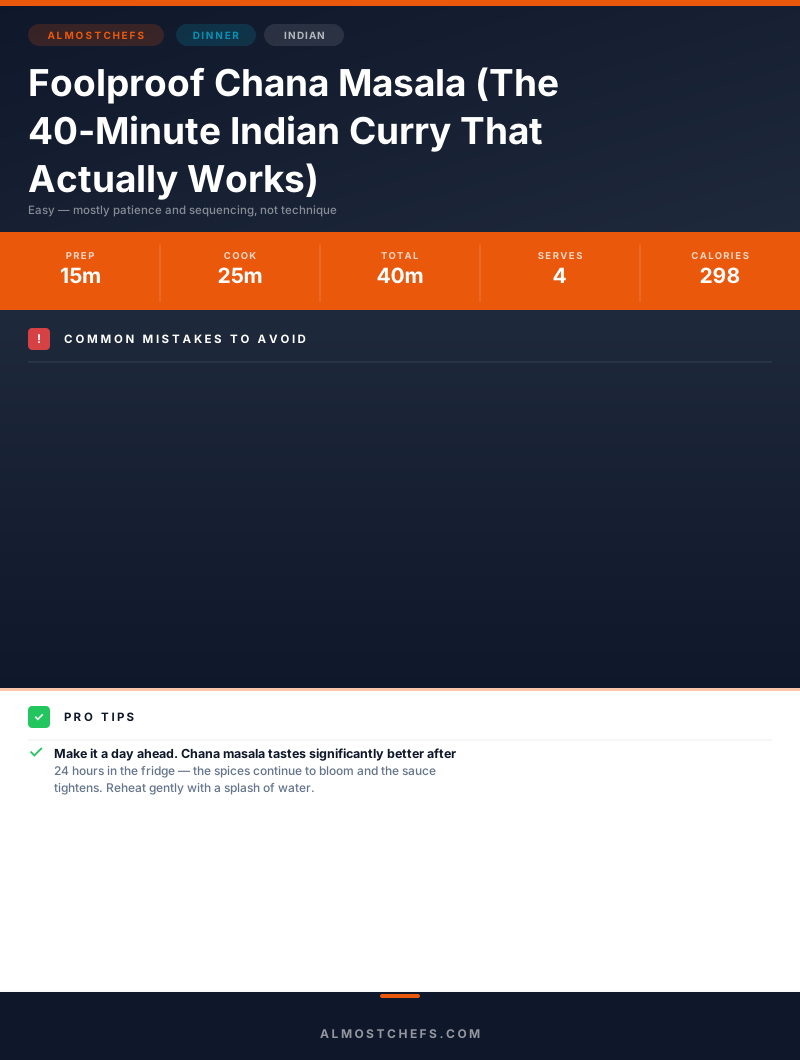
We turned everything on this page into a beautiful, flour-proof PDF cheat sheet. Print it out, stick it to your fridge, and never mess up your foolproof chana masala (the 40-minute indian curry that actually works) again.
*We'll email you the high-res PDF instantly. No spam, just perfectly cooked meals.
AlmostChefs Editorial Team
We translate the internet's most popular cooking videos into foolproof, beginner-friendly written recipes. We analyze multiple methods, test them in our kitchen, and engineer a single "Master Recipe" that gives you the best possible result with the least possible stress.