Bright, Foolproof Ceviche (The Acid-Cooking Method Explained)
Sushi-grade white fish 'cooked' entirely by lime acid, combined with crisp red onion, fresh tomatoes, jalapeño, and avocado. We broke down the most popular Latin American methods to give you one technique that nails the texture every time — no heat required.

“Ceviche has exactly one irreplaceable rule: your fish must be sushi-grade. After that, the entire dish is a matter of timing and restraint. The acid from fresh lime juice denatures the fish proteins the same way heat does — but it stops there, leaving you with something delicate and bright that no pan can replicate. Get the fish right, time the marinade correctly, and add the avocado at the absolute last second. That's the whole recipe.”
Why This Recipe Works
Ceviche is the oldest trick in cooking: no fire required. Citrus acid denatures protein the same way heat does, turning raw fish opaque, firm, and safe to eat without a single degree of applied temperature. It sounds like a workaround. It is actually a superior method for certain fish — one that preserves delicate flavor compounds that heat destroys and produces a texture no pan can replicate.
The entire technique rests on two variables: fish quality and timing. Get both right, and the recipe almost makes itself. Get either wrong, and there is no recovery.
The Only Rule That Matters: Fish Quality
Every other decision in ceviche — which citrus, which peppers, whether to add orange juice — is negotiable. Fish quality is not. Sushi-grade or ceviche-grade fish has been handled, stored, and frozen to standards that make acid-marinating safe. Standard grocery store fish has not. This is not a question of preference or fastidiousness. It is the one place in this recipe where there is a right answer and a wrong answer, and the wrong answer involves a hospital.
Find a fishmonger. Tell them you're making ceviche. They know what that means and will point you to the right fish. Halibut is the workhorse — it holds its cube shape cleanly under acid and has a neutral flavor that lets the lime and herbs lead. Sea bass is richer, slightly more forgiving. Snapper is the classic for a reason: its firm, white flesh takes acid beautifully and delivers that clean, bright flavor that defines the dish.
The Acid Window
Fifteen to thirty minutes. That is the acid-cooking window, and it does not stretch. At 15 minutes, start checking. You're looking for fish that is fully opaque when cut — no translucent center — with a texture that is firm but yields gently under pressure. That is the sweet spot.
Past 45 minutes, the acid overcooks the fish exactly the way heat overcooks it: the proteins seize up, expel moisture, and turn rubbery. The pieces become chalky and dense. You cannot rescue overmarinated ceviche. The only fix is a timer and enough discipline to pull the fish when it's done rather than when it's convenient.
The lime juice you drain off is called leche de tigre — tiger's milk. In Peru, it's served as a shot alongside the ceviche, sometimes spiked with fish stock and a chile. Reserve two tablespoons for final assembly and consider serving the rest separately. It is more interesting than most cocktails.
Building the Vegetable Base
Red onion, soaked briefly in cold water before adding, loses its harshest sulfur edge while keeping its crunch. Roma tomatoes must be seeded — the gel and seeds hold water that turns the finished ceviche soupy if left in. Both jalapeño and serrano earn their place: jalapeño delivers clean grassy heat, serrano adds a sharper aromatic punch. Together they build depth that either alone can't achieve.
Fresh cilantro and garlic go in at the end of assembly, not during marinating. Cilantro wilts and loses its volatile aromatics within minutes of contact with acid. Garlic raw and minced is sharp; it mellows slightly against the lime but should still be felt. Add both just before serving.
The Avocado Problem
Avocado is the only ingredient in this dish that fights back. It oxidizes on contact with air, browns within minutes, and turns from creamy to paste under aggressive stirring. The solution is timing: cube it, hold it, and fold it in the absolute last moment before the bowl leaves your hands. Not two minutes before. Not while you're plating the chips. When the bowl is going to the table, fold in the avocado, and serve immediately.
A sharp chef's knife matters more here than anywhere else in the recipe. Clean cuts on cold fish and ripe avocado require a blade that doesn't tear. A dull knife turns avocado to mush before it ever reaches the bowl.
Why This Dish Is Worth Learning
Ceviche is what you make when you want to show someone that cooking is more than heat management. It is acid, timing, and quality — three variables that reward attention and punish shortcuts with exactly the kind of feedback that makes you a better cook. The method teaches you something no sauté pan ever will: that the line between raw and cooked is a question of chemistry, not temperature, and that the best way to treat exceptional fish is often to do as little to it as possible.
Where Beginners Mess This Up
Before we start, read this. These are the 4 reasons your bright, foolproof ceviche (the acid-cooking method explained) will fail:
- 1
Using non-sushi-grade fish: Standard grocery store fish is not safe to consume without heat cooking. Sushi-grade or ceviche-grade fish has been handled and stored to a standard that makes acid-marinating safe. This is not optional. Source your fish from a reputable fishmonger and tell them exactly what you're making.
- 2
Over-marinating the fish: Fifteen to thirty minutes in lime juice is the window. Past 45 minutes, the acid continues breaking down the proteins past the point of pleasant firmness — the fish becomes rubbery, chalky, and mealy. Set a timer. Pull it when it's opaque throughout and still tender.
- 3
Adding avocado too early: Avocado oxidizes within minutes of exposure to acid and air. If you fold it in during mixing or let the assembled ceviche sit, you'll have brown mush instead of creamy green cubes. Add it at the absolute last moment, immediately before the bowl hits the table.
- 4
Cutting uneven fish pieces: Uneven cubes mean uneven marinating. The small pieces overcook in acid while the large ones stay raw in the center. Cut every piece to a uniform half-inch cube, work fast with cold fish, and get it into the lime juice immediately.
The Video Reference Library
Want to see it in action? Here are the exact videos we analyzed and combined to build this foolproof recipe translation:
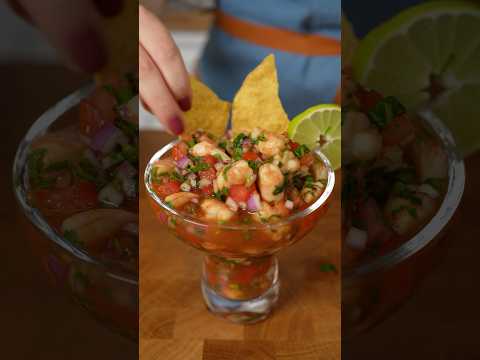
The primary reference for this recipe. Covers fish sourcing, the acid-cooking window, and final assembly technique.
2. Classic Ceviche Technique
Detailed walkthrough of the marinade timing and how to identify when the fish has reached the correct level of acid-cooking.
3. Latin American Ceviche FundamentalsCovers regional variations and the core principles behind building a balanced ceviche with proper acid, heat, and herbaceous notes.
🛠️ Core Equipment
- Glass or ceramic mixing bowl ↗Acid reacts with metal bowls, leaching a metallic taste into the ceviche. Glass and ceramic are non-reactive. Never use aluminum or uncoated stainless steel for the marinade step.
- Fine-mesh sieve ↗For draining the marinade lime juice before final assembly. You want to control exactly how much liquid goes back in — too much and the ceviche is soupy, too little and it's dry.
- Sharp chef's knife ↗Clean, precise cuts on cold fish require a sharp blade. A dull knife tears the flesh rather than cutting it, creating ragged edges that marinate unevenly and fall apart in the bowl.
- Chilled serving bowls ↗Ceviche is a cold dish and warm bowls start raising the temperature the moment you plate it. Chill your serving bowls in the freezer for 10 minutes before plating.
Bright, Foolproof Ceviche (The Acid-Cooking Method Explained)
🛒 Ingredients
- ✦1.25 pounds sushi-grade white fish (halibut, sea bass, or snapper), cut into ½-inch cubes
- ✦¾ cup fresh lime juice (about 6-8 limes)
- ✦½ large red onion, thinly sliced into half-moons
- ✦2 medium Roma tomatoes, seeded and diced
- ✦1-2 fresh jalapeños, minced (seeds removed for less heat)
- ✦1 serrano pepper, minced
- ✦⅓ cup fresh cilantro, chopped
- ✦2 cloves garlic, minced
- ✦1 ripe avocado, cubed (added just before serving)
- ✦½ teaspoon sea salt, plus more to taste
- ✦¼ teaspoon freshly cracked black pepper
- ✦2 tablespoons extra-virgin olive oil
- ✦1 tablespoon fresh orange juice (optional, adds subtle sweetness)
- ✦Ice for chilling the serving bowl
👨🍳 Instructions
01Step 1
Purchase sushi-grade or ceviche-grade white fish from a reputable fishmonger. Tell them exactly what you're making. Never use standard grocery store fish for ceviche.
02Step 2
Keep the fish refrigerated until the moment you cut it. Cube into uniform ½-inch pieces immediately after cutting to prevent oxidation and ensure even marinating.
03Step 3
Combine the cubed fish with fresh lime juice in a glass or ceramic bowl, stirring gently to coat all pieces evenly.
04Step 4
Cover the bowl and refrigerate for 15-30 minutes, allowing the acid to denature the fish proteins until each piece is opaque and firm throughout.
05Step 5
While the fish marinates, prepare all vegetables: slice the red onion thinly, seed and dice the tomatoes, mince both jalapeño and serrano peppers, mince the garlic, and chop the cilantro.
06Step 6
Drain the lime juice through a fine-mesh sieve, reserving about 2 tablespoons of the liquid.
07Step 7
Transfer the marinated fish to a fresh, chilled bowl. Add the sliced red onion, diced tomatoes, minced jalapeño, serrano, and garlic.
08Step 8
Drizzle the reserved lime juice and extra-virgin olive oil over the mixture. Season with sea salt and black pepper.
09Step 9
Toss gently but thoroughly, ensuring even distribution without breaking apart the fish. Taste and adjust with more salt or lime juice as needed.
10Step 10
Fold in the fresh cilantro just before serving to preserve its color and aroma.
11Step 11
Gently stir in the cubed avocado at the absolute last moment. Serve immediately in chilled bowls with tortilla chips or tostadas.
Nutrition Per Serving
Estimates based on standard preparation. Adjustments alter macros.
🔄 Substitutions
Instead of Fresh lime juice...
Use Fresh lime juice with 1 tablespoon fresh lemon juice
Adds complexity and a slightly rounder acidity. The lemon softens the sharpness of pure lime without compromising the acid content needed to cook the fish.
Instead of Red onion...
Use Thinly sliced white onion or shallots
Shallots provide milder sweetness and less harsh bite while maintaining crispness. White onion is more traditional in Mexican-style ceviche.
Instead of Jalapeño and serrano pepper...
Use 1-2 habanero peppers, seeds removed
Significantly higher heat with fruity undertones. Not recommended for heat-sensitive palates. Use half a habanero as your starting point.
Instead of Avocado...
Use Diced mango or papaya
Sweeter profile with tropical notes and lighter mouthfeel. Works beautifully with snapper. Eliminates the oxidation problem entirely.
🧊 Storage & Reheating
In the Fridge
Ceviche does not store well. If you must refrigerate assembled ceviche, consume within 2 hours maximum. The acid continues working and will overcook the fish overnight.
In the Freezer
Do not freeze. The texture of acid-marinated fish becomes completely unacceptable after freezing and thawing.
Reheating Rules
Ceviche is a cold dish. There is no reheating. Make only what you will serve immediately.
❓ Frequently Asked Questions
Is ceviche actually cooked?
Yes and no. The lime acid denatures the fish proteins in exactly the same way heat does — the flesh turns opaque, firms up, and becomes safe to eat. But it doesn't kill parasites or bacteria the way heat does, which is why sushi-grade fish sourced from a reputable fishmonger is non-negotiable. The 'cooking' is real. The pathogen elimination is not as complete as with heat.
How do I know when the fish is done marinating?
Check at 15 minutes. The fish should be opaque all the way through when you cut a piece open, and firm but still tender when you press it. If the center is still translucent, give it another 5-10 minutes. If it's gone chalky and rubbery, you've gone too long — that's the overcook, and there's no fixing it.
What fish is best for ceviche?
Halibut, sea bass, and snapper are the classic choices. Halibut holds its shape best under prolonged acid exposure. Sea bass has a richer, slightly buttery flavor. Snapper is the most traditional. All must be sushi-grade. Avoid oily fish like salmon or mackerel — the acid reacts differently with their fat content and produces off-flavors.
Can I make ceviche ahead of time?
You can prep all your vegetables and have them ready. You can even combine everything except the fish and avocado hours ahead. But the fish must marinate no more than 30-45 minutes before serving, and the avocado goes in at the absolute last moment. There is no such thing as make-ahead ceviche.
Why is my ceviche watery?
Two likely causes. First, you didn't drain enough of the marinade — reserve only 2 tablespoons of lime juice for final assembly and discard the rest. Second, your tomatoes weren't properly seeded and diced — tomato seeds and gel release significant water into the bowl. Seed your tomatoes thoroughly before dicing.
Do I need both jalapeño and serrano?
They serve different purposes. Jalapeño provides a clean, grassy heat. Serrano is hotter and slightly more aromatic. Together they build a layered heat that neither delivers alone. If you want less heat, remove the serrano. If you want more, keep the seeds in the jalapeño. But using both is the right call if your palate can handle it.
The Science of
Bright, Foolproof Ceviche (The Acid-Cooking Method Explained)
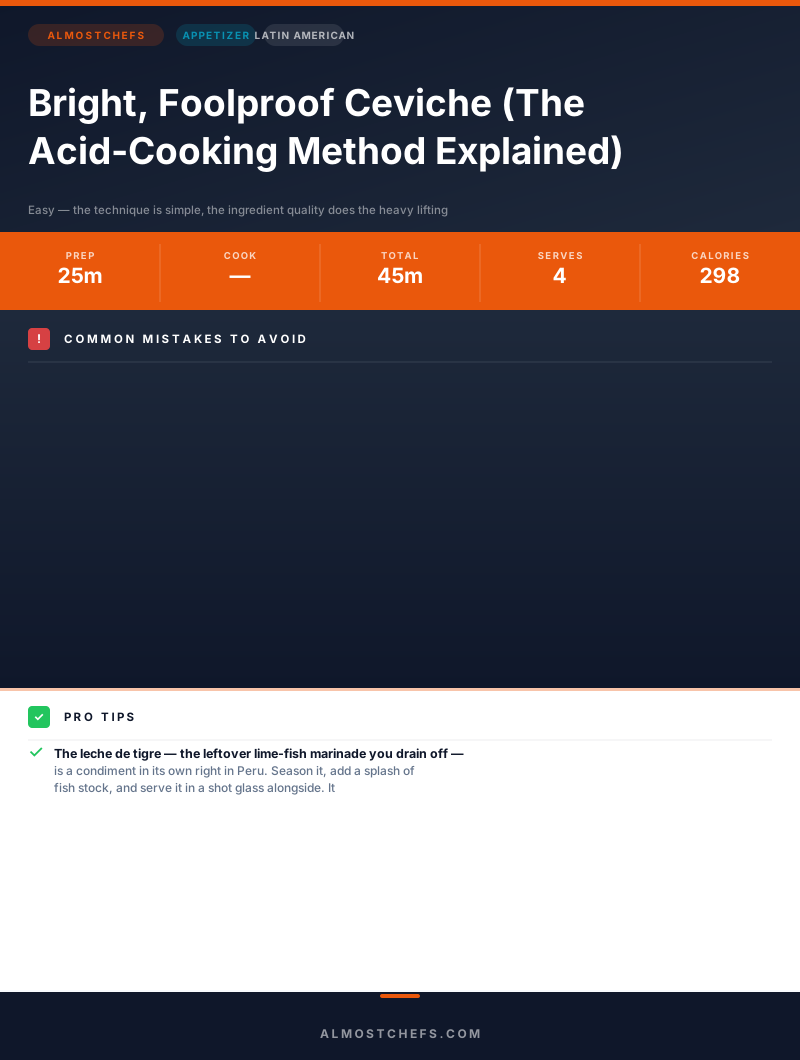
We turned everything on this page into a beautiful, flour-proof PDF cheat sheet. Print it out, stick it to your fridge, and never mess up your bright, foolproof ceviche (the acid-cooking method explained) again.
*We'll email you the high-res PDF instantly. No spam, just perfectly cooked meals.
AlmostChefs Editorial Team
We translate the internet's most popular cooking videos into foolproof, beginner-friendly written recipes. We analyze multiple methods, test them in our kitchen, and engineer a single "Master Recipe" that gives you the best possible result with the least possible stress.