Silky Cauliflower Soup (No Cream, No Compromise)
A velvety, naturally dairy-free cauliflower soup that achieves restaurant-quality creaminess through technique, not heavy cream. We broke down the blending science and aromatic layering to build a foolproof method that delivers deep flavor from humble ingredients every single time.
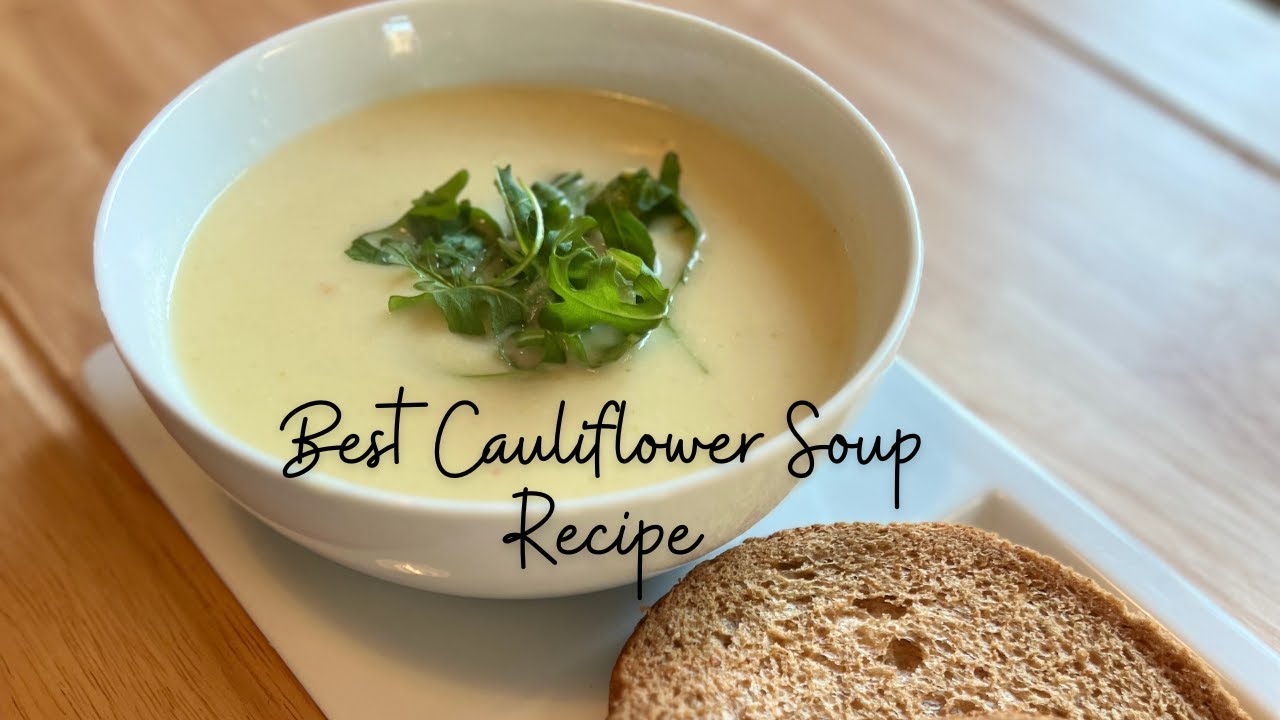
“Most cauliflower soup tastes like boiled blandness in a bowl. The vegetable itself is mild to a fault, which means every flavor decision you make either builds complexity or disappears into the void. The difference between a soup that tastes like a health compromise and one that makes people ask for the recipe comes down to how long you cook the aromatics, whether you let the potato do its job, and exactly when you add the smoked paprika. We built this method to get it right.”
Why This Recipe Works
Cauliflower has an image problem. It's the vegetable that gets compared to everything it isn't — the rice substitute, the steak substitute, the mashed potato substitute. When you make cauliflower soup and treat it the same way — as a placeholder for something richer — you get exactly what you deserve: a bowl of pale, watery compromise.
This recipe takes a different position. Cauliflower soup isn't a consolation prize. It's a precision exercise in building layers of flavor from fundamentally mild ingredients, and when you execute it correctly, the result is a soup that's genuinely satisfying — not just filling.
The Aromatic Foundation
Every great vegetable soup is built on a mirepoix-style base, and this one is no different. The onion and garlic aren't decorative — they're generating the majority of the soup's flavor complexity through extended heat exposure. The Maillard reaction working on onion sugars over 5-7 minutes produces dozens of new flavor compounds that simply do not exist in the raw vegetable. This is the difference between a soup that tastes developed and one that tastes like vegetables in water.
The garlic is added separately, later, because it burns faster than onion and bitter garlic is unrecoverable. One to two minutes in hot oil is all it needs. Watch it. The moment it smells fragrant rather than raw, move on.
The Potato's Role
The russet potato is not filler — it's infrastructure. When blended, potato starch creates an emulsified, velvety base that no amount of additional liquid can replicate. This is how the soup achieves a cream-like body without actual cream. The starch molecules bind to the water in the broth and create a texture that reads as rich even at 168 calories per serving.
If you're using an immersion blender, the potato ensures you get smooth, cohesive results without over-processing. Without it, extended blending of cauliflower alone can turn gluey — the vegetable's natural structure breaks down differently from starch under mechanical stress.
Blending is a Technique, Not a Step
Most home cooks treat blending as something that just happens. It isn't. Blending duration directly determines final texture — thirty additional seconds of processing takes a soup from smooth to genuinely silky. The physics: longer blending breaks cell walls down further, releasing more starch into the broth and creating finer particle dispersion throughout the liquid.
The sequence matters too. Blend first, then add the almond milk. If you add liquid before blending, you're diluting the concentrated base before the starch has been fully incorporated into the broth. Blend the thick, undiluted soup first to build maximum body, then thin it to your preferred consistency with liquid.
Smoked Paprika and Why It's Not Optional
Cauliflower's flavor profile is mild and slightly sulfurous — a characteristic of all brassica vegetables. Smoked paprika addresses both issues simultaneously. The smoke introduces a charred complexity that counters the vegetable's flat mildness, while the paprika's natural sweetness balances the subtle bitterness that can develop during long simmering. It goes in after blending because volatile aromatic compounds in paprika dissipate under prolonged heat — adding it at the end preserves the full impact.
Nutritional yeast works on the same principle: added late, scattered on top or stirred in at the finish, it contributes glutamate-rich umami that makes the soup taste like it contains something it doesn't. This is the invisible hand that separates a vegetable soup that tastes complete from one that tastes like it's missing something.
A Heavy-Bottomed Pot Changes Everything
Thin pots are the enemy of any soup built on a sautéed base. Hot spots scorch garlic and onion while other areas are still raw, producing an uneven base where bitter and sweet compete in every spoonful. A heavy stainless or enameled cast iron pot distributes heat evenly across the entire cooking surface, letting the aromatics develop uniformly and giving you consistent control from start to finish.
The simmer phase — 15-18 minutes uncovered — is where the potato and cauliflower become genuinely tender and where the broth starts concentrating. Don't cover the pot. The evaporation is intentional. You want to lose some water and intensify what remains before blending.
This is a soup that rewards attention. Not complexity — attention. Pay close attention to the onions, to the garlic, to the moment the vegetables are truly tender, and to the seasoning after blending. Four focused decisions. That's the entire recipe.
Where Beginners Mess This Up
Before we start, read this. These are the 4 reasons your silky cauliflower soup (no cream, no compromise) will fail:
- 1
Rushing the onion and garlic: The aromatic base — onion and garlic — is where most of this soup's flavor is generated. If you add the garlic too early or pull the onions while they're still sharp, every sip will taste flat and slightly raw. The onions need 5-7 full minutes until translucent and sweet. The garlic needs 1-2 minutes until fragrant, not browned.
- 2
Blending without removing the bay leaf: A bay leaf blended into the soup turns the broth bitter and slightly medicinal. It sounds obvious, but in the chaos of transferring hot soup to a blender, it gets forgotten constantly. Pull the bay leaf before anything goes near the blender.
- 3
Adding almond milk before blending: If you blend the soup first and then add milk to adjust consistency, you have full control. If you add milk before blending, you dilute the base and make it harder to achieve a genuinely thick, velvety result. Add liquid at the end, gradually, until you reach the texture you want.
- 4
Under-seasoning after blending: Blending concentrates and alters flavor perception. A soup that tasted well-seasoned before blending almost always needs another round of salt and pepper after. Taste again at the end — always — before serving.
The Video Reference Library
Want to see it in action? Here are the exact videos we analyzed and combined to build this foolproof recipe translation:
The primary reference video for this recipe. Clear technique walkthrough covering the sauté base, proper simmer time, and blending approach for maximum creaminess without dairy.
🛠️ Core Equipment
- Large heavy-bottomed potEven heat distribution prevents the garlic and onion from scorching during the sauté phase. A thin pot creates hot spots that burn aromatics before they've had time to develop properly.
- Immersion blenderBlends directly in the pot with no hot liquid transfers and no batch processing. Safer than a countertop blender for soups and gives you precision control over final texture — blend less for rustic, more for silk.
- Fine-mesh sieve (optional)If you want an ultra-refined, restaurant-level texture, pass the blended soup through a sieve to remove any remaining fibrous bits from the cauliflower. Not required, but noticeable.
Silky Cauliflower Soup (No Cream, No Compromise)
🛒 Ingredients
- ✦2 tablespoons extra-virgin olive oil
- ✦1 large yellow onion, finely diced
- ✦4 cloves garlic, minced
- ✦1 medium head cauliflower, cut into florets (about 6 cups)
- ✦4 cups vegetable broth
- ✦1 cup unsweetened almond milk
- ✦1 medium russet potato, peeled and diced
- ✦1 teaspoon dried thyme
- ✦1 bay leaf
- ✦Sea salt to taste
- ✦Freshly ground black pepper to taste
- ✦1/2 teaspoon smoked paprika
- ✦Fresh parsley, chopped, for garnish
- ✦2 tablespoons nutritional yeast (optional)
👨🍳 Instructions
01Step 1
Heat the olive oil in a large heavy-bottomed pot over medium-high heat until it shimmers, about 1 minute.
02Step 2
Add the diced onion and sauté for 5-7 minutes, stirring occasionally, until the pieces are fully translucent and sweet-smelling.
03Step 3
Stir in the minced garlic and cook for 1-2 minutes until fragrant. Watch carefully — garlic goes from fragrant to burnt in under 30 seconds.
04Step 4
Pour in the vegetable broth and bring to a gentle boil.
05Step 5
Add the cauliflower florets, diced potato, dried thyme, and bay leaf.
06Step 6
Reduce heat to medium and simmer uncovered for 15-18 minutes, until both the cauliflower and potato are completely tender and pierce easily with a fork.
07Step 7
Remove from heat. Discard the bay leaf completely before blending.
08Step 8
Use an immersion blender directly in the pot to blend until completely smooth and velvety. Alternatively, transfer in batches to a countertop blender, leaving the lid slightly ajar and covered with a towel to vent steam.
09Step 9
Stir in the almond milk gradually until you reach your desired consistency — thicker for a chowder-style result, looser for a classic soup.
10Step 10
Add the smoked paprika, then season generously with sea salt and freshly ground black pepper. Taste and adjust.
11Step 11
Return to medium-low heat and simmer for 3-4 minutes to let the flavors meld.
12Step 12
Ladle into bowls and garnish with chopped fresh parsley, a drizzle of olive oil, and nutritional yeast if using.
Nutrition Per Serving
Estimates based on standard preparation. Adjustments alter macros.
🔄 Substitutions
Instead of Russet potato...
Use Celery root or parsnip
Lower glycemic index with earthier sweetness. Celery root blends exceptionally smooth — arguably better than potato for texture. Parsnip adds mild sweetness.
Instead of Vegetable broth...
Use Homemade bone broth or mushroom broth
Bone broth adds depth and body with additional protein. Mushroom broth adds umami and keeps the dish fully plant-based. Either dramatically improves the soup's baseline flavor.
Instead of Almond milk...
Use Full-fat coconut milk or oat milk
Coconut milk makes the soup richer and more indulgent with a subtle tropical note — works well with added curry spices. Oat milk is the most neutral substitute and behaves closest to dairy.
Instead of Dried thyme...
Use Fresh thyme, or a combination of fresh sage and rosemary
Fresh herbs deliver brighter, more volatile aromatics. Use three times the quantity of fresh versus dried. Add fresh herbs in the last 5 minutes of simmering rather than at the start.
🧊 Storage & Reheating
In the Fridge
Store in an airtight container for up to 4 days. The soup thickens as it sits — add a splash of broth when reheating.
In the Freezer
Freeze in individual portions for up to 3 months. Thaw overnight in the refrigerator. Re-blend briefly after reheating if the texture has separated.
Reheating Rules
Reheat gently on the stovetop over medium-low heat, stirring occasionally. Add broth or water as needed to reach original consistency. Microwave works but stir halfway through to heat evenly.
❓ Frequently Asked Questions
Why does my cauliflower soup taste bland?
Three likely causes: the onions weren't cooked long enough, the seasoning wasn't adjusted after blending, or the smoked paprika was skipped. Cauliflower is a mild vegetable — every other ingredient has to carry more flavor weight than it would in a more assertive soup. Salt again after blending. Always.
Can I skip the potato?
You can, but the soup will be thinner and slightly less velvety. The potato starch is what gives the blended soup its body. If you skip it, substitute with half a cup of raw cashews simmered with the cauliflower — they blend smooth and replicate the thickening effect.
Is an immersion blender necessary?
No, a countertop blender works fine. Never fill it more than halfway with hot liquid, always leave the lid slightly ajar and covered with a kitchen towel to vent steam, and blend in batches. An immersion blender is just safer and faster for soups.
Can I make this soup ahead of time?
Yes — this is an excellent make-ahead soup. The flavor actually improves after a day in the refrigerator as the aromatics meld. Make the full batch, store it unseasoned in the fridge, and add final salt, pepper, and paprika adjustments when reheating.
How do I make this soup higher in protein?
Add two tablespoons of nutritional yeast (already suggested as an optional garnish), stir in white beans before blending, or top with roasted chickpeas for crunch. A swirl of Greek yogurt at serving adds protein and a pleasing tang if you're not keeping it dairy-free.
Can I use frozen cauliflower?
Yes. Frozen cauliflower works well in blended soups because texture after blending is the same regardless of whether the florets were fresh or frozen. No need to thaw — add directly to the simmering broth and increase cooking time by 3-5 minutes.
The Science of
Silky Cauliflower Soup (No Cream, No Compromise)
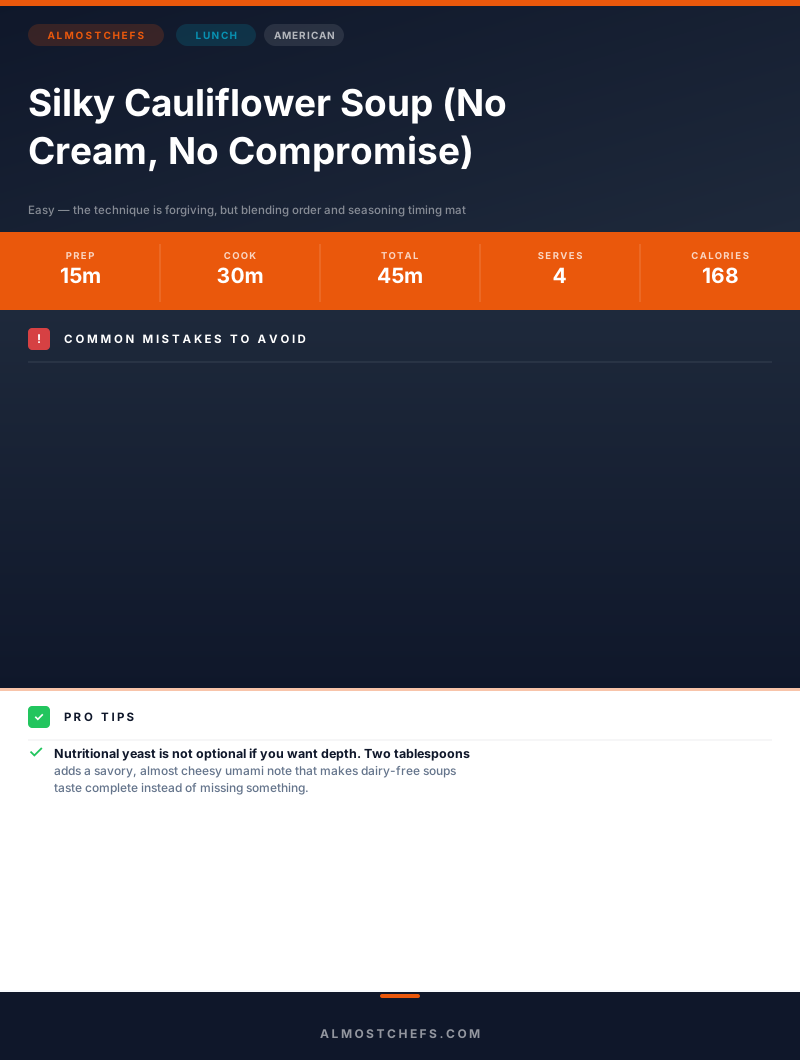
We turned everything on this page into a beautiful, flour-proof PDF cheat sheet. Print it out, stick it to your fridge, and never mess up your silky cauliflower soup (no cream, no compromise) again.
*We'll email you the high-res PDF instantly. No spam, just perfectly cooked meals.
AlmostChefs Editorial Team
We translate the internet's most popular cooking videos into foolproof, beginner-friendly written recipes. We analyze multiple methods, test them in our kitchen, and engineer a single "Master Recipe" that gives you the best possible result with the least possible stress.