Classic Casserole (The One-Pan Dinner You're Overthinking)
A hearty, layered one-pan dinner built on tender chicken, creamy sauce, vegetables, and a golden breadcrumb crust. We broke down the most-watched casserole techniques on YouTube to find the method that delivers consistent results without dried-out edges or a watery center.
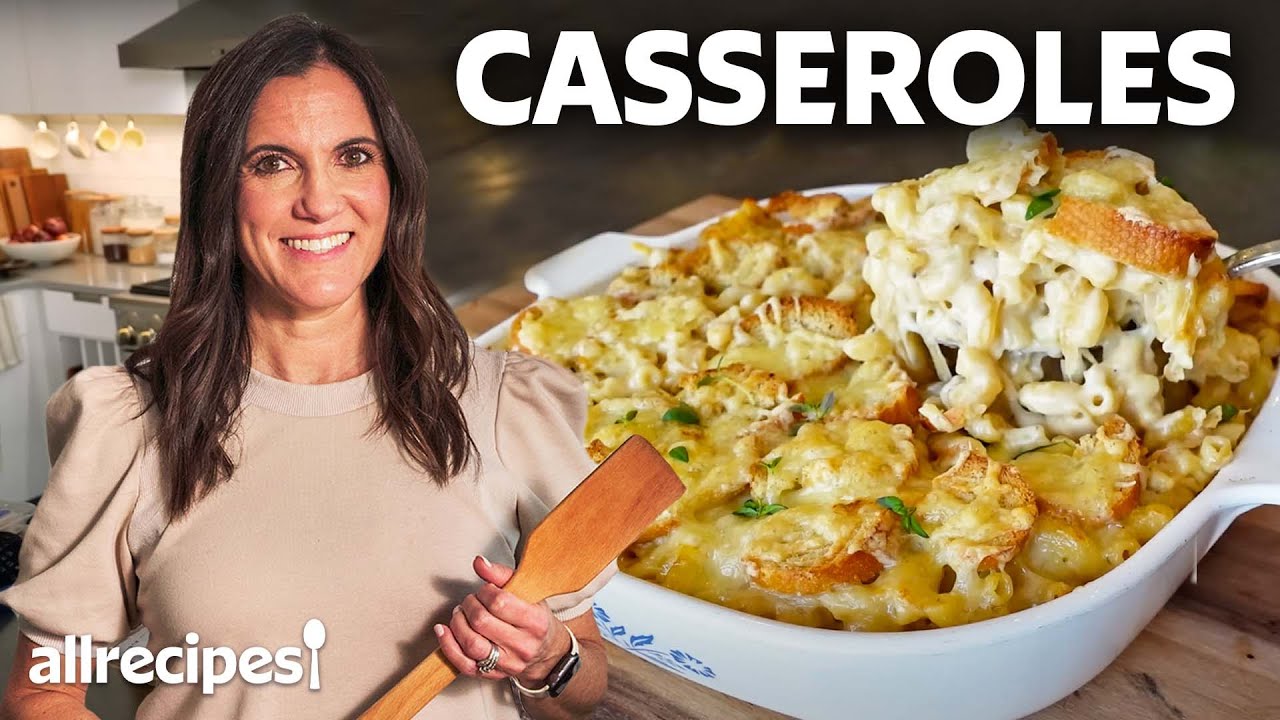
“Casserole has a reputation problem. People think it's a dump-everything-in-a-dish shortcut — and that's exactly why most casseroles come out waterlogged, bland, or both. The difference between a forgettable casserole and one that gets scraped clean comes down to moisture management, proper layering, and knowing when the crust is done versus when the center still needs time. We pulled apart the top YouTube methods to build one technique that eliminates every common failure.”
Why This Recipe Works
Casserole is not a recipe — it's a category. And within that category lives a century of compromises: canned soups passed off as sauce, raw vegetables flooding the dish with liquid, breadcrumb toppings that emerge from the oven pale and soft. The reason casseroles have a mediocre reputation is not that the format is flawed. It's that most people treat assembly as the entire job and ignore the physics of what happens inside a sealed baking dish for an hour at high heat.
The Moisture Problem
Every failure in a casserole traces back to water. Vegetables — especially mushrooms, onions, and celery — contain between 85 and 92 percent water by weight. At 375°F, that water doesn't stay in the vegetable. It migrates into the sauce, dilutes it progressively over the bake time, and what started as a thick, cohesive filling becomes a thin, broken slurry by the time the breadcrumb crust looks ready.
The fix is brutally simple: cook the vegetables before they go into the dish. Seven to eight minutes in a hot skillet drives off the majority of that water before it becomes your problem. The vegetables shrink, concentrate in flavor, and turn slightly golden — and in that transformation, the Maillard reaction converts their natural sugars into hundreds of new flavor compounds that a raw vegetable simply cannot contribute. You're not just preventing water damage. You're building flavor.
Sauce Architecture
The roux — butter cooked with flour — is the structural backbone of the casserole. It's also where most home cooks make their first error. The flour must cook in the butter for at least sixty to ninety seconds before any liquid is added. This eliminates the raw, starchy taste that makes homemade cream sauce taste like wallpaper paste. You'll know it's ready when the mixture smells faintly nutty and the bubbling slows.
When you add the milk and broth, temperature control becomes critical. Whisk constantly and add the liquids in a slow stream rather than all at once. Dumping cold milk into a hot roux causes lumps — the outer starch granules seize before the inner ones hydrate. Slow addition, constant whisking, and patience over four to five minutes produces a sauce with the exact consistency you need: thick enough to coat a spoon heavily, loose enough to pour.
The dairy additions — sour cream and cheddar — happen off heat, and this matters as much as any other step. Active boiling denatures the proteins in both ingredients unevenly, creating a greasy, broken texture. Residual heat at 180-190°F is sufficient to melt both completely while keeping the emulsion intact. A heavy skillet retains enough heat after you pull it off the burner to do the job cleanly.
The Two-Stage Bake
Casseroles need a covered phase and an uncovered phase, and the split is roughly 30 minutes covered, 20-25 minutes uncovered. The logic is straightforward: during the covered phase, trapped steam heats the filling evenly from every direction simultaneously. The center, which is the last place heat reaches in a baking dish, needs this head start. An uncovered casserole loses surface moisture too quickly in the first thirty minutes, and the crust begins browning before the center has reached temperature.
In the uncovered phase, the 9x13 inch baking dish becomes an open radiator. Moisture escapes, the sauce concentrates, and the panko crust — coated in oil and mixed with cheddar — toasts to a deep amber crunch that gives you textural contrast against the creamy filling below. The two layers, crust and filling, finish cooking at different rates, which is exactly what you want. The crust provides snap. The filling provides yielding richness. Together they make the dish worth making again.
The Rest
Ten to fifteen minutes of rest time is not optional. Fresh out of the oven, the sauce inside a casserole is still at near-boiling temperature and fully liquid. The gelatin from the chicken and the starch in the sauce need time to set up as the temperature drops. Slice into a casserole immediately and you're serving soup with a crust. Wait fifteen minutes and you get a portion that holds its shape, where every forkful contains a cross-section of all the layers rather than a collapsed pile.
This is the part of the recipe that nobody follows, and it's why nobody can figure out why their casserole looks wrong on the plate even when it tastes right. The physics are simple. The patience is hard. Trust the rest.
Where Beginners Mess This Up
Before we start, read this. These are the 4 reasons your classic casserole (the one-pan dinner you're overthinking) will fail:
- 1
Not pre-cooking wet vegetables: Onions, celery, and mushrooms release enormous amounts of water during baking. If you add them raw, that liquid floods the dish, dilutes the sauce, and prevents the bottom from setting. Always sauté wet vegetables before assembly to cook off excess moisture — this step is not optional.
- 2
Using cold dairy straight from the fridge: Adding cold cream or cold cheese to a hot sauce causes it to break — you get a greasy, grainy texture instead of a smooth, cohesive sauce. Bring dairy to room temperature before incorporating, and never let the sauce boil after the cheese goes in.
- 3
Skipping the foil cover for the first half: Uncovered casseroles lose too much moisture in the first 30 minutes, drying out the top layer before the center has a chance to set. Cover with foil for the first 30 minutes, then uncover to brown the crust. This two-stage bake is the key to even cooking from edge to center.
- 4
Cutting into it too early: Casseroles need 10-15 minutes of resting time after they come out of the oven. The sauce is still bubbling and liquid at 375°F — it thickens and sets as it cools slightly. Slice too early and it falls apart on the plate. Patience is the final step.
The Video Reference Library
Want to see it in action? Here are the exact videos we analyzed and combined to build this foolproof recipe translation:
Clear walkthrough of the full casserole method from scratch — covers sauce consistency, layering technique, and the two-stage covered-then-uncovered bake that ensures even doneness.
Deep dive into sauce building and why homemade cream sauce outperforms canned soup in both flavor and texture. Covers the exact consistency to aim for before assembly.
Focused on prep-ahead techniques and how to freeze and reheat casseroles without losing texture. Useful if you want to batch-cook this recipe for the week.
🛠️ Core Equipment
- 9x13 inch baking dishThe standard size for six servings. Too small and the layers compress — too large and the sauce spreads thin and burns at the edges. Ceramic or glass distributes heat more evenly than metal for casseroles.
- Large skilletFor pre-cooking the vegetables and building the cream sauce. A wide surface area lets moisture evaporate quickly rather than steaming the aromatics. Stainless or cast iron works best.
- Aluminum foilCovers the dish for the first half of baking to trap steam and prevent the top from over-browning while the center is still cold. Essential for even doneness throughout the dish.
- Instant-read thermometerThe visual cue of a bubbling casserole is not reliable for doneness. The internal temperature of the filling should reach 165°F at the center. A thermometer removes the guesswork.
Classic Casserole (The One-Pan Dinner You're Overthinking)
🛒 Ingredients
- ✦2 pounds boneless skinless chicken thighs, cut into 1-inch pieces
- ✦1 cup yellow onion, diced
- ✦3 stalks celery, sliced
- ✦2 cups frozen peas and carrots, thawed
- ✦8 ounces cremini mushrooms, sliced
- ✦3 cloves garlic, minced
- ✦4 tablespoons unsalted butter
- ✦1/4 cup all-purpose flour
- ✦2 cups whole milk, room temperature
- ✦1 cup low-sodium chicken broth
- ✦1 cup sour cream, room temperature
- ✦1.5 cups shredded sharp cheddar cheese, divided
- ✦1 teaspoon onion powder
- ✦1 teaspoon garlic powder
- ✦1/2 teaspoon smoked paprika
- ✦1/2 teaspoon dried thyme
- ✦1/2 teaspoon black pepper
- ✦1 teaspoon kosher salt
- ✦1 cup panko breadcrumbs
- ✦2 tablespoons olive oil
- ✦2 tablespoons fresh parsley, chopped (for garnish)
👨🍳 Instructions
01Step 1
Preheat oven to 375°F. Lightly grease a 9x13 inch baking dish with butter or cooking spray.
02Step 2
Season the chicken pieces with salt, pepper, garlic powder, onion powder, and smoked paprika. Toss to coat evenly.
03Step 3
Heat 1 tablespoon olive oil in a large skillet over medium-high heat. Sear the chicken pieces in a single layer for 3-4 minutes per side until golden. Remove to a plate — the chicken does not need to be fully cooked through at this stage.
04Step 4
In the same skillet, melt 2 tablespoons butter over medium heat. Add the onion, celery, and mushrooms. Sauté for 7-8 minutes until softened and most of the moisture has cooked off.
05Step 5
Add the garlic and dried thyme to the vegetables. Cook for 1 minute until fragrant.
06Step 6
Push the vegetables to the edges of the skillet. Add the remaining 2 tablespoons of butter to the center and let it melt. Whisk in the flour and cook for 90 seconds to eliminate the raw flour taste.
07Step 7
Gradually whisk in the chicken broth, then the milk, adding each in a slow stream while whisking constantly. Bring to a gentle simmer and cook for 4-5 minutes until the sauce thickens enough to coat the back of a spoon.
08Step 8
Remove the skillet from heat. Stir in the sour cream and 1 cup of the shredded cheddar until fully melted and smooth. Season with additional salt and pepper to taste.
09Step 9
Fold the seared chicken pieces and the thawed peas and carrots into the sauce until everything is evenly combined.
10Step 10
Pour the filling into the prepared baking dish and spread into an even layer.
11Step 11
Combine the panko breadcrumbs, remaining 0.5 cup cheddar, and 1 tablespoon olive oil in a small bowl. Mix until the breadcrumbs are lightly coated. Scatter evenly over the top of the casserole.
12Step 12
Cover tightly with aluminum foil and bake for 30 minutes.
13Step 13
Remove the foil and bake uncovered for an additional 20-25 minutes until the breadcrumb topping is deep golden brown and the filling is bubbling at the edges. Internal temperature at the center should read 165°F.
14Step 14
Remove from the oven and let rest uncovered for 10-15 minutes before serving. Garnish with fresh parsley.
Nutrition Per Serving
Estimates based on standard preparation. Adjustments alter macros.
🔄 Substitutions
Instead of Chicken thighs...
Use Rotisserie chicken, shredded
Skip the searing step entirely. Fold pre-cooked rotisserie chicken directly into the finished sauce. Reduces active cook time by 15 minutes. Slightly less juicy but significantly more convenient.
Instead of Sour cream...
Use Full-fat Greek yogurt
Nearly identical tang and creaminess. Use the same quantity and ensure it's room temperature before adding to the sauce. Slightly higher protein content.
Instead of Sharp cheddar...
Use Gruyère or Monterey Jack
Gruyère melts beautifully and adds a nutty, complex flavor. Monterey Jack is milder but extremely creamy. Both outperform pre-shredded bags, which contain anti-caking agents that inhibit smooth melting.
Instead of Panko breadcrumbs...
Use Crushed Ritz crackers or cornflakes
Ritz crackers add a buttery richness to the crust. Cornflakes create an extra-crunchy, slightly sweet topping. Use either at a 1:1 ratio. Avoid regular fine breadcrumbs — they go pasty rather than crunchy.
🧊 Storage & Reheating
In the Fridge
Store covered in the baking dish or in an airtight container for up to 4 days. The flavors meld and improve by day two.
In the Freezer
Freeze in individual portions or the full dish (well-wrapped) for up to 3 months. Thaw overnight in the refrigerator before reheating.
Reheating Rules
Cover with foil and reheat in a 350°F oven for 20-25 minutes until heated through. Add a splash of chicken broth before covering to restore moisture. Avoid microwaving large portions — the edges overheat before the center warms.
❓ Frequently Asked Questions
Why is my casserole watery?
Wet vegetables — especially mushrooms, zucchini, and onions — release significant water during baking. Always sauté them first until their moisture has cooked off. Also check that your sauce was thick enough before assembly: it should coat the back of a spoon. Thin sauce plus wet vegetables equals a puddle.
Can I use canned cream of mushroom soup instead of making a sauce?
You can, but the result will be noticeably saltier and have a processed flavor that homemade sauce doesn't. If using canned soup, dilute it with half a can of milk instead of water, and skip any additional salt until you taste the finished dish.
Can I assemble this casserole the night before?
Yes, and it actually improves it. Assemble completely, cover tightly, and refrigerate. The flavors have time to meld. Add 10 minutes to the covered baking phase to compensate for the cold start from the refrigerator.
My breadcrumb topping is pale and soggy — what went wrong?
Two likely causes: the topping wasn't coated in enough fat (oil or butter), or you didn't bake uncovered long enough. Toss the panko in oil before topping, and make sure the uncovered phase runs a full 20-25 minutes. If it still isn't browning, switch the oven to broil for the final 2-3 minutes — but watch it constantly.
Can I make this casserole without cheese?
Yes. The sauce is structurally complete without it — the roux and sour cream provide enough body and richness. Add a tablespoon of Dijon mustard to the sauce for flavor depth in place of the cheddar sharpness.
How do I know when the casserole is fully cooked?
The filling should be bubbling around the edges (not just in the center), the breadcrumb crust should be deep golden brown, and an instant-read thermometer inserted into the center should read 165°F. Visual cues alone are unreliable — the bubbling edges can look done while the center is still cold.

The Science of
Classic Casserole (The One-Pan Dinner You're Overthinking)
We turned everything on this page into a beautiful, flour-proof PDF cheat sheet. Print it out, stick it to your fridge, and never mess up your classic casserole (the one-pan dinner you're overthinking) again.
*We'll email you the high-res PDF instantly. No spam, just perfectly cooked meals.
AlmostChefs Editorial Team
We translate the internet's most popular cooking videos into foolproof, beginner-friendly written recipes. We analyze multiple methods, test them in our kitchen, and engineer a single "Master Recipe" that gives you the best possible result with the least possible stress.