Crispy Carnitas (The Low-and-Slow Method That Actually Works)
Pork shoulder braised in its own fat with citrus, warm spices, and garlic until it falls apart — then crisped in a screaming-hot skillet until the edges char. We broke down the technique behind authentic carnitas so you get melt-in-your-mouth texture with a genuinely crispy exterior, every time.
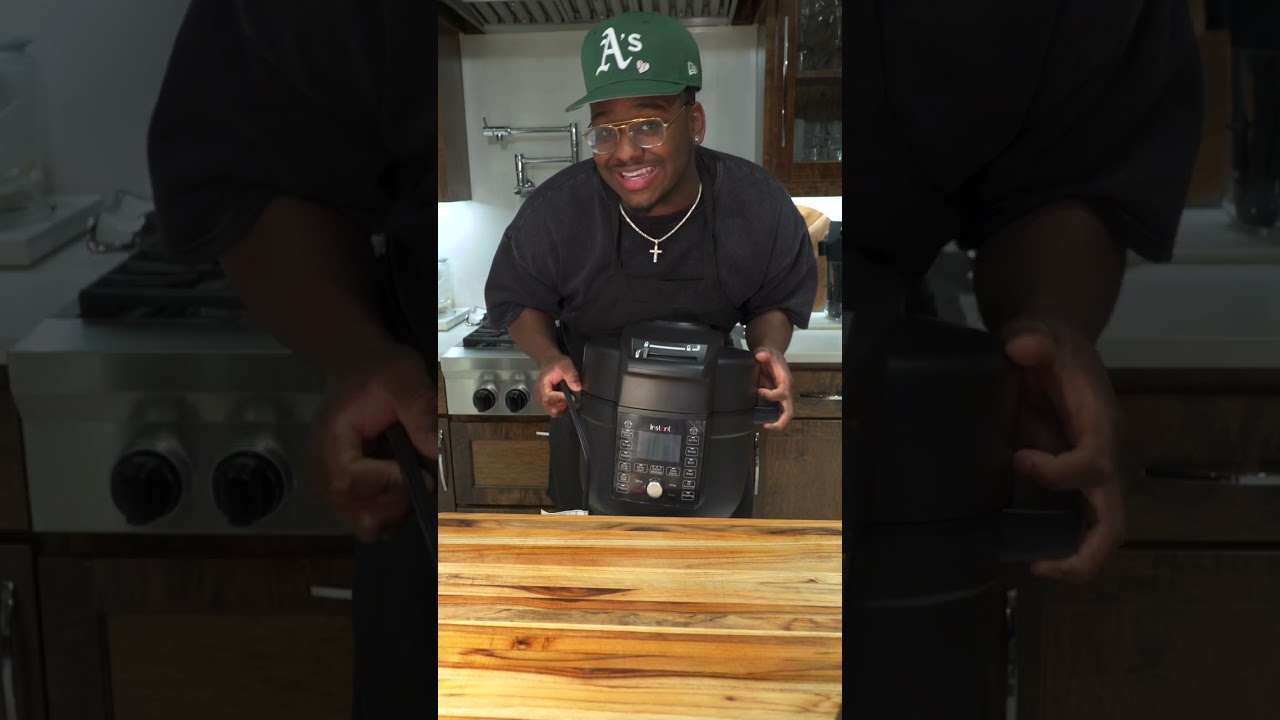
“Most home carnitas is braised pork that happens to be shredded. It's tender, sure. But it doesn't have the charred, caramelized edges that make taqueria carnitas worth eating with your hands over a sink. The difference is one extra step — a screaming-hot cast-iron skillet and the willingness to let it go longer than feels comfortable. We reverse-engineered the fat-braising method to explain exactly why it works and where most home cooks abandon the process too early.”
Why This Recipe Works
Carnitas is not pulled pork. This distinction matters enormously, because the techniques that make pulled pork exceptional — low water braise, long cook, aggressive shredding — produce mediocre carnitas. Real carnitas is pork confit: meat slowly braised in fat at a controlled, low temperature until the collagen liquefies and the muscle fibers separate into individually tender strands. Then — and this is the step most home recipes skip — those strands get crisped in a screaming-hot skillet until the edges char and caramelize. The contrast between the tender interior and the crackling exterior is the entire point.
The Fat Physics
Water boils at 212°F. No matter how high you set your burner, a water-based braise never exceeds that temperature. Fat behaves differently. Lard, maintained at 275°F, conducts heat to the pork about 30% more efficiently than boiling water while simultaneously never getting hot enough to toughen the muscle proteins. This is the physics behind confit cooking, and it's why the texture of fat-braised pork is categorically different from anything you've made in a slow cooker.
The fat also does something water cannot: it seals the exterior of each pork chunk immediately upon contact, preventing moisture loss while the interior slowly reaches temperature. The pork essentially poaches in its own rendered fat, cycling between releasing moisture and reabsorbing it. After three hours, what you have is not merely cooked pork — it's self-basted, self-sauced, and structurally transformed.
Collagen and the Patience Tax
Pork shoulder is approximately 25% connective tissue by weight. That connective tissue — collagen — is what makes the cut both challenging and magnificent. At oven temperatures below 250°F, collagen barely converts. Above 325°F, it converts too quickly and squeezes moisture out of the muscle fibers before the interior has time to fully tenderize. At 300°F, the conversion happens slowly and evenly, producing gelatin that melts back into the meat and fat around it.
The critical mistake is pulling the pork at the 2.5-hour mark, when it first becomes fork-tender. The pork is technically done — it's safe, it's soft — but the collagen hasn't fully converted. Push through to 3 to 3.5 hours and something different happens: the meat stops resisting entirely. Shredding becomes effortless. The texture shifts from "tender pulled pork" to something silkier, richer, and fundamentally different.
The Crisp Step Is Not Optional
Every taqueria in Mexico understands something most home recipes ignore: cooked pork is not finished carnitas. The Maillard reaction — the same chemical process behind seared steak and toasted bread — requires surface temperatures above 300°F. Braised pork never reaches that temperature. The exterior stays soft, pale, and slightly bland without a finishing step.
The skillet crisp is that step. Two tablespoons of reserved braising fat in a cast-iron skillet over medium-high heat, small batches, no crowding, and the discipline to leave the meat undisturbed for at least two minutes before touching it. The edges char slightly. The exterior texture shifts from soft to crackling. The fat that renders out in the skillet coats the surrounding pieces and creates a glaze.
Do not skip this step. Do not rush it by adding too much pork at once. Do not stir it every 30 seconds out of anxiety. The pork will tell you when it's ready — you'll hear the sizzle change from active to quiet, which means the surface moisture has cooked off and the Maillard reaction has begun.
Citrus as Architecture
The orange juice and zest in this recipe are not garnish. The acid in the juice breaks down surface proteins during the braise, creating texture contrast between the interior and exterior of each chunk. The orange zest contains volatile aromatic oils that dissolve into the braising fat and permeate the meat over three hours. The result is pork that tastes inexplicably brighter and more complex than the spice list would suggest.
The cinnamon stick and cumin operate on a similar principle — they're whole and dried, releasing their aromatic compounds slowly over the full braise rather than front-loading all their flavor in the first 30 minutes. By the time the pork is done, those spices have done their work quietly and the flavor is woven into the meat rather than sitting on top of it.
This is the architecture of carnitas: fat for texture, citrus for brightness, whole spices for depth, time for collagen conversion, and high heat at the end for the char that makes it worth eating.
Where Beginners Mess This Up
Before we start, read this. These are the 4 reasons your crispy carnitas (the low-and-slow method that actually works) will fail:
- 1
Skipping the fat-based braise: Carnitas is not a water braise and not a slow-cooker dump. The fat medium — traditionally lard — conducts heat more evenly than water and never exceeds its own temperature, which is why the pork stays impossibly tender without drying out. Substituting water or broth as the primary braising liquid produces poached pork, not carnitas.
- 2
Crowding the pot during the crisp step: Every batch of shredded pork you add to the skillet drops the pan temperature. Too much meat at once steams instead of sears. Work in small batches, leave space between pieces, and resist stirring constantly. You want static contact with the hot surface for at least 2 minutes before you move anything.
- 3
Pulling the pork before it truly collapses: At the 2.5-hour mark, pork shoulder will feel done — it's tender, it's soft, you can almost shred it. It's not ready. The collagen breakdown that creates the gelatinous, self-basting quality of good carnitas happens in the final 30-45 minutes. Pull it early and the texture is merely good. Wait and it becomes extraordinary.
- 4
Discarding the braising fat: The rendered fat left in the pot after braising is loaded with pork gelatin, citrus oil, garlic, and spice compounds. Two tablespoons of this fat in the skillet for the crisp step is what gives carnitas its layered flavor. Dumping it down the drain and using fresh oil is a significant loss.
The Video Reference Library
Want to see it in action? Here are the exact videos we analyzed and combined to build this foolproof recipe translation:
The foundational technique video for this recipe. Covers fat temperature, pork sizing, and the critical difference between a confit braise and a standard braise.
🛠️ Core Equipment
- Dutch oven or heavy braising pot with lidThe enclosed environment traps moisture from the citrus and broth while the fat does the actual cooking. A thin pot creates hot spots that scorch the bottom layer before the interior collagen has time to break down.
- Instant-read thermometerThe lard needs to reach 275°F before you add the pork. Below that temperature, the pork stews in warm fat instead of slowly confit-braising. Above it, the exterior overcooks before the collagen breaks down.
- Cast-iron skilletFor the final crisp step. Cast iron retains heat when cold meat hits the surface — stainless or non-stick pans lose temperature too quickly and you end up steaming instead of searing.
- Fine-mesh sieveTo strain the braising liquid quickly and cleanly. Speed matters here — every minute the pork sits in hot liquid after the braise is finished pushes it from tender toward waterlogged.
Crispy Carnitas (The Low-and-Slow Method That Actually Works)
🛒 Ingredients
- ✦3.5 pounds bone-in pork shoulder, cut into 3-inch chunks
- ✦3 cups rendered pork lard or duck fat
- ✦1.5 tablespoons kosher salt
- ✦1 teaspoon freshly cracked black pepper
- ✦8 garlic cloves, smashed
- ✦1 medium yellow onion, quartered
- ✦2 fresh jalapeños, halved lengthwise
- ✦Juice and zest of 1 large orange
- ✦3 bay leaves
- ✦1 cinnamon stick, broken in half
- ✦1.5 teaspoons ground cumin
- ✦1.5 teaspoons dried oregano
- ✦0.5 cup pork or chicken broth
👨🍳 Instructions
01Step 1
Preheat your oven to 300°F and position the rack in the lower-middle section.
02Step 2
Pat the pork chunks completely dry with paper towels, then season generously all over with salt and black pepper.
03Step 3
Warm the lard in a large Dutch oven over medium heat until it reaches 275°F on an instant-read thermometer, about 8 minutes.
04Step 4
Carefully add the seasoned pork to the hot fat in a single layer, working in batches if necessary to avoid crowding.
05Step 5
Scatter the smashed garlic, onion quarters, halved jalapeños, bay leaves, and cinnamon stick pieces among the pork.
06Step 6
Sprinkle the cumin and oregano directly over the meat and fat.
07Step 7
Pour the fresh orange juice around the meat and add the broth, then stir gently to combine the spices throughout.
08Step 8
Cover the pot with a lid and transfer to the preheated oven. Braise for 3 to 3.5 hours until the meat shreds easily with a fork.
09Step 9
Remove the pot from the oven and carefully strain the cooking liquid through a fine-mesh sieve into a separate container, reserving the fat.
10Step 10
Using two forks, shred the pork into bite-sized pieces directly in the pot, discarding large bones, aromatics, and bay leaves.
11Step 11
Heat a large cast-iron skillet over medium-high heat and add 2 tablespoons of the reserved braising fat.
12Step 12
Working in batches, crisp the shredded pork in the hot skillet for 4 to 6 minutes per batch, stirring occasionally, until the edges are golden brown and slightly charred.
13Step 13
Taste the finished carnitas and adjust seasoning with salt and pepper as needed.
14Step 14
Serve warm with flour or corn tortillas, fresh lime wedges, diced white onion, and chopped fresh cilantro.
Nutrition Per Serving
Estimates based on standard preparation. Adjustments alter macros.
🔄 Substitutions
Instead of Rendered pork lard...
Use Olive oil or avocado oil
Will produce leaner results with a different flavor profile. Increase oven temperature to 325°F and monitor closely — without the heat-buffering capacity of fat, the pork can dry out faster.
Instead of Orange juice and zest...
Use Fresh lime juice and zest plus 1 tablespoon apple cider vinegar
Creates a brighter, more tangy flavor. The vinegar approximates the acidic contribution of orange juice while adding complexity. Use the same quantity.
Instead of Dried oregano...
Use Fresh oregano or fresh thyme (1 tablespoon)
Fresher, more herbaceous notes. Add it in the last hour of the braise rather than at the start — fresh herbs lose their volatile oils over a long cook.
Instead of Pork or chicken broth...
Use Bone broth, homemade or high-quality store-bought
Enhances the richness of the final braising liquid and adds gelatin, which improves the body of any pan sauce you make from the strained liquid.
🧊 Storage & Reheating
In the Fridge
Store shredded carnitas in an airtight container with 2-3 tablespoons of the reserved braising fat poured over the top to prevent drying. Keeps for up to 4 days.
In the Freezer
Freeze in portions for up to 3 months. Freeze with a spoonful of braising fat in each container. Thaw overnight in the refrigerator.
Reheating Rules
Reheat in a dry cast-iron skillet over medium-high heat for 3-5 minutes. The residual fat recrisps the exterior without any additional oil. Avoid microwaving — it steams the meat and destroys the crispy texture.
❓ Frequently Asked Questions
Can I make carnitas in a slow cooker?
You can braise the pork in a slow cooker on low for 8 hours, but you will not get the same result. The fat-based braise is what creates the confit texture — a slow cooker uses moist heat, which produces pulled pork, not carnitas. The crisp step is still required regardless of the braising method.
Why is my carnitas dry after crisping?
Two likely causes: the pork was pulled from the braise before full collagen breakdown, so it didn't have the self-basting fat content it needed; or the crisp batches were too large, causing the meat to steam rather than sear. Small batches and a fully preheated skillet are non-negotiable.
Do I have to use lard?
For authentic carnitas, yes. Lard conducts heat evenly, never exceeds roughly 370°F before smoking, and imparts a subtle pork-forward richness you cannot replicate with vegetable oils. Duck fat is an excellent substitute. Avocado oil works but changes the flavor profile meaningfully.
How do I know when the pork is done braising?
Pull a piece out and attempt to shred it with two forks. If it resists at all — if there's any springiness or structural integrity — it needs more time. Done carnitas shreds in under 5 seconds with almost no pressure. The meat should essentially fall apart when you touch it.
What cut of pork works best?
Bone-in pork shoulder (also sold as pork butt or Boston butt) is the correct cut. It has the right fat-to-muscle ratio for a 3-hour fat braise. Pork loin is too lean and will turn dry. Pork ribs can work but require significantly different sizing and timing.
Can I make this ahead for a party?
Carnitas is an ideal make-ahead dish. Braise the day before, refrigerate the pork in the braising fat overnight, then do the crisp step right before serving. The overnight rest actually improves flavor as the spices continue to penetrate the meat.
The Science of
Crispy Carnitas (The Low-and-Slow Method That Actually Works)
We turned everything on this page into a beautiful, flour-proof PDF cheat sheet. Print it out, stick it to your fridge, and never mess up your crispy carnitas (the low-and-slow method that actually works) again.
*We'll email you the high-res PDF instantly. No spam, just perfectly cooked meals.
AlmostChefs Editorial Team
We translate the internet's most popular cooking videos into foolproof, beginner-friendly written recipes. We analyze multiple methods, test them in our kitchen, and engineer a single "Master Recipe" that gives you the best possible result with the least possible stress.