Authentic Carne Asada (The Citrus Marinade Changes Everything)
Tender Mexican grilled beef marinated in fresh lime, orange, garlic, and toasted cumin — then seared hard in a cast-iron pan until the crust is dark and the inside stays juicy. We built this technique from the most-watched YouTube methods and fixed the three mistakes that make home carne asada taste flat.
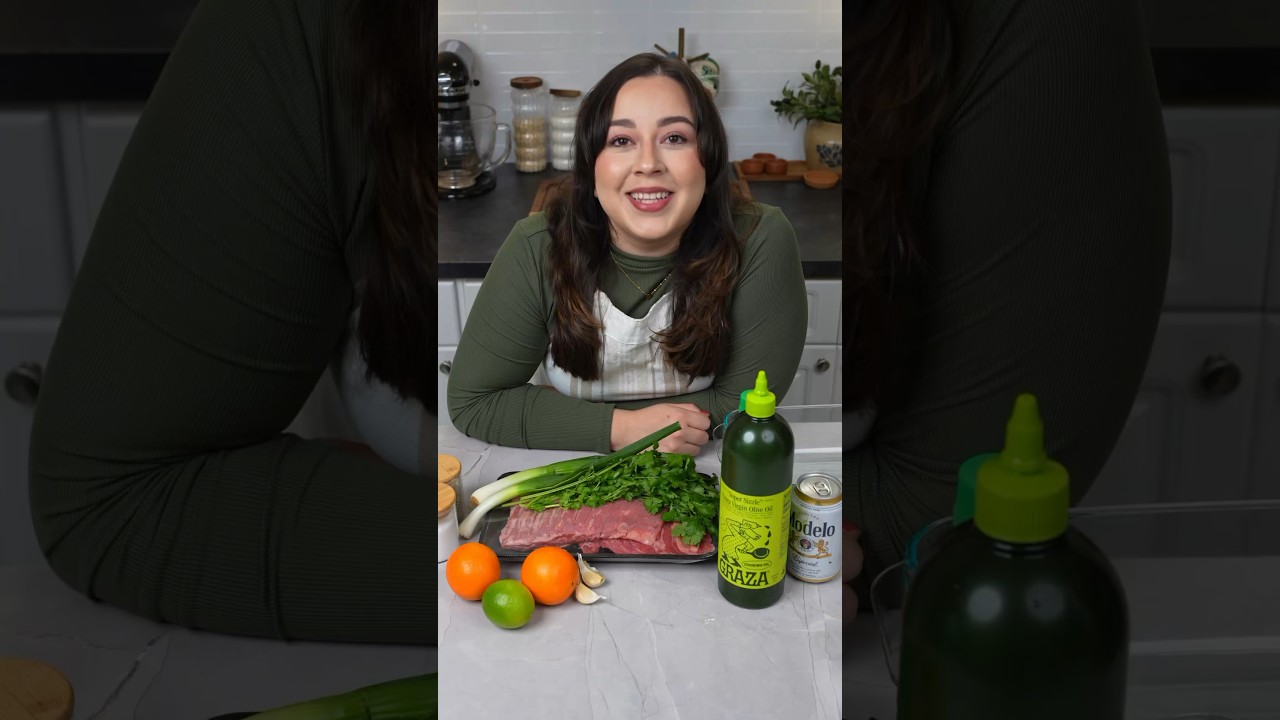
“Most home carne asada fails at the same two points: not enough marinade time and a pan that isn't hot enough. You end up with gray, chewy beef that tastes like lime juice instead of the dark-crusted, smoky-sweet meat that makes this dish worth ordering every single time. The fix is not a different recipe — it's understanding what the citrus and heat are actually doing, and then not rushing either one.”
Why This Recipe Works
Carne asada is three techniques stacked on top of each other: acid chemistry, high-heat searing, and mechanical slicing. Get all three right and you have meat that's tender, dark-crusted, and bright with citrus. Miss one and the whole thing collapses into something you'd rather not serve.
What the Marinade Is Actually Doing
The lime and orange juice aren't there for flavor alone — they're doing structural work on the beef. Citrus acids denature surface proteins, which means they unfold and relax the tight muscle fibers that make raw beef tough. This is the same principle as ceviche, where fish "cooks" in lime without heat. For beef, the goal is tenderizing without cooking — which is why the 6-hour minimum exists, and why you shouldn't push past 24 hours.
The garlic and cumin aren't just floating in the marinade waiting to be absorbed. The oil acts as a carrier: fat-soluble flavor compounds in garlic, smoked paprika, and toasted cumin dissolve into the olive oil and penetrate the meat alongside the acid. This is why toasting whole cumin seeds and grinding them fresh matters — pre-ground cumin has lost most of its volatile oils sitting in a jar. You're adding texture, not flavor.
Apple cider vinegar sharpens the marinade's acidity and adds a secondary flavor note. It also slightly extends the effective pH range, keeping the marinade aggressive enough to work through the full six hours.
The Sear Is Non-Negotiable
A cast-iron skillet is not a preference here — it's a requirement. You need a pan that holds heat when 2 pounds of cold beef hits it, because the moment the pan temperature drops, you lose the Maillard reaction and start steaming. Thin pans can't recover. Cast iron doesn't care.
The dry-off step is where most home cooks hand back all the work the marinade just did. Wet meat cannot sear. The moisture on the surface has to evaporate before the surface temperature can climb above 212°F — the Maillard reaction doesn't start until around 280°F. Every second your pan is boiling off surface liquid is a second it isn't building crust. Paper towels, every surface, completely dry.
Four to five minutes per side without touching it. The crust tells you when it's ready by releasing from the pan. If you're prying, wait. The instant-read thermometer handles the rest — pull at 130-135°F and the carryover heat handles the final few degrees while the meat rests.
The Pan Sauce No One Talks About
After the beef comes out, the skillet has a layer of concentrated brown bits (fond) from the sear — caramelized proteins and fats that took 5 minutes to build. Most recipes discard this and call it done. This recipe uses it.
Sautéing the onion rings and jalapeño directly in that fond starts dissolving it immediately. The reserved marinade goes in next and does the rest — the acid lifts everything off the pan and the liquid reduces into a savory, slightly tangy sauce that coats the onions and soaks into the sliced beef when it goes back in. This two-minute step doubles the depth of the final dish. Do not skip it.
The Grain Direction Problem
Skirt and chuck are long-grained muscles. The fibers run in one direction for the entire length of the cut, and if you slice with them, every bite requires your jaw to chew through intact muscle fiber bundles. It's like eating rope. Slice against the grain — perpendicular to the fiber direction — and your knife does the work your teeth would otherwise have to do. The meat is physically shorter-fibered, which registers as tender even though the cooking is identical.
Find the grain direction before you start slicing. Look at the surface of the rested meat. The parallel lines are the fibers. Turn your knife 90 degrees from those lines and slice thin. That's the entire secret every Mexican grandmother already knows.
Where Beginners Mess This Up
Before we start, read this. These are the 4 reasons your authentic carne asada (the citrus marinade changes everything) will fail:
- 1
Cutting the marinade time short: Six hours is the minimum. Less than that and the citrus acids haven't had time to denature the surface proteins and carry the garlic and cumin into the meat. You get surface flavor only — every bite tastes flat in the middle. Overnight marinade is the real target.
- 2
Skipping the dry-off step: Wet meat steams instead of sears. No matter how hot your pan is, if there's marinade dripping off the surface, you will never get a proper Maillard crust. Pat the beef completely dry with paper towels before it hits the pan. Every drop of moisture costs you a degree of browning.
- 3
Moving the meat too soon: Four to five minutes per side, undisturbed. The crust releases itself when it's ready. If you're prying the beef off the pan, it isn't done yet. Premature flipping tears the crust and leaves gray meat where there should be caramel.
- 4
Slicing with the grain: Skirt and chuck are long-grained muscles. Slicing with the grain means chewing through long muscle fibers — it's tough regardless of how you cooked it. Always slice against the grain, perpendicular to the direction the fibers run. This is not optional.
The Video Reference Library
Want to see it in action? Here are the exact videos we analyzed and combined to build this foolproof recipe translation:
The source video for this recipe's core technique. Covers the citrus marinade ratio, the dry-off step, and the cast-iron sear with close-ups of the crust color you're aiming for.
🛠️ Core Equipment
- Cast-iron skilletRetains heat better than any other pan and distributes it evenly across the base. A thin stainless skillet drops temperature the moment cold beef hits it, turning your sear into a braise. Cast iron recovers fast and holds the heat needed for a proper dark crust.
- Instant-read thermometerMedium-rare (130-135°F) is the target. At 140°F, skirt steak goes from tender to chewy in under a minute. A thermometer removes all guesswork. You cannot judge doneness by color or touch on a thick piece of chuck.
- Large glass bowlFor marinating. Metal bowls react with citrus acids and can impart a metallic taste to the marinade over 6+ hours. Glass or ceramic only.
Authentic Carne Asada (The Citrus Marinade Changes Everything)
🛒 Ingredients
- ✦2 pounds beef skirt steak or chuck roast, cut into 2-inch thick pieces
- ✦1 cup fresh-squeezed lime juice
- ✦1/2 cup fresh orange juice
- ✦1/4 cup olive oil
- ✦8 garlic cloves, minced
- ✦2 tablespoons apple cider vinegar
- ✦2 teaspoons cumin seeds, toasted and ground
- ✦1 1/2 teaspoons dried oregano
- ✦1 teaspoon smoked paprika
- ✦1/2 teaspoon cayenne pepper
- ✦1 teaspoon sea salt
- ✦1/2 teaspoon black pepper
- ✦1 medium yellow onion, sliced into rings
- ✦1 jalapeño pepper, thinly sliced
- ✦1/4 cup fresh cilantro, finely chopped
- ✦2 green onions, sliced for garnish
- ✦1 lime, cut into wedges for serving
👨🍳 Instructions
01Step 1
Combine lime juice, orange juice, olive oil, minced garlic, and apple cider vinegar in a large glass bowl. Whisk until fully incorporated.
02Step 2
Stir in ground cumin, oregano, smoked paprika, cayenne, sea salt, and black pepper until evenly distributed.
03Step 3
Add the beef pieces to the marinade, turning each piece to coat all sides completely.
04Step 4
Cover with plastic wrap and refrigerate for at least 6 hours, preferably overnight.
05Step 5
Remove the beef from the refrigerator 30 minutes before cooking to take the chill off for more even searing.
06Step 6
Heat a cast-iron skillet over medium-high heat for 3-4 minutes until a drop of water evaporates instantly on contact.
07Step 7
Remove beef from the marinade and reserve 1/2 cup of the liquid. Pat the beef completely dry with paper towels on all sides.
08Step 8
Sear the beef in the hot pan for 4-5 minutes on the first side without moving it until a dark caramelized crust forms.
09Step 9
Flip once and cook for another 4-5 minutes until internal temperature reaches 130-135°F for medium-rare.
10Step 10
Transfer beef to a cutting board and rest for 5 minutes.
11Step 11
In the same pan over medium heat, sauté the onion rings and jalapeño for 3-4 minutes until softened with charred edges.
12Step 12
Pour the reserved 1/2 cup of marinade into the pan, scraping up any browned bits. Simmer 2 minutes until slightly reduced.
13Step 13
Slice the rested beef against the grain into thin strips and return to the pan with the onions.
14Step 14
Toss everything together for 1 minute, then transfer to a serving platter. Finish with fresh cilantro, green onions, and lime wedges.
Nutrition Per Serving
Estimates based on standard preparation. Adjustments alter macros.
🔄 Substitutions
Instead of Beef skirt steak...
Use Grass-fed beef chuck roast or flank steak
Slightly more robust, earthy flavor. Chuck needs to be pounded to even thickness. Flank is the closest substitute — same grain structure, similar marinade behavior.
Instead of Olive oil...
Use Extra virgin avocado oil
Higher smoke point makes it more stable at the searing temperatures you need. Milder flavor that doesn't compete with the citrus. A genuine upgrade for this application.
Instead of Apple cider vinegar...
Use Raw apple cider vinegar with mother
Adds subtle tangy complexity. Functionally identical in this recipe — the distinction matters more if you're drinking it than if you're marinating beef in it.
Instead of Dried oregano...
Use Fresh oregano leaves, finely chopped (use 2 tablespoons)
Brighter, more grassy herbal notes. Add fresh oregano in the last minute of cooking to preserve the volatile oils — don't marinate with it or it turns bitter.
🧊 Storage & Reheating
In the Fridge
Store sliced beef in an airtight container with pan juices for up to 3 days. The fat keeps it from drying out.
In the Freezer
Freeze in portions for up to 2 months. Thaw overnight in the refrigerator — never on the counter.
Reheating Rules
Reheat in a covered skillet over low heat with a tablespoon of water or beef broth for 3-4 minutes. Microwave makes it rubbery.
❓ Frequently Asked Questions
Can I grill this instead of using a cast-iron pan?
Yes — and if you have a charcoal grill, you should. The char from live fire adds a smoky complexity the pan can't replicate. Use direct high heat, 4-5 minutes per side, and watch the temperature. The technique is identical.
Why does my carne asada taste sour instead of savory?
You didn't dry the meat before searing. When the marinade is still on the surface, it heats up and the citrus acids intensify rather than cooking off. Pat completely dry, sear hard, and the lime flavor becomes a background note instead of the lead.
What cut of beef is best for carne asada?
Skirt steak is the traditional choice — it has coarse grain that marinates deeply and sears fast. Flank steak is the most common substitute. Chuck works but needs longer in the marinade. Avoid anything labeled 'stew meat' — it's too thick and the fibers don't break down properly.
How do I know when it's sliced against the grain?
Look at the surface of the rested beef. You'll see parallel lines running the length of the cut — those are the muscle fibers. Slice perpendicular to those lines, not parallel. Your knife should be cutting across the fibers, not through them lengthwise.
Can I marinate for less than 6 hours if I'm short on time?
Two hours is the absolute floor, and you'll notice the difference. The citrus acids need time to penetrate beyond the surface. If you're under two hours, add an extra tablespoon of vinegar and score the meat lightly with a knife to help the marinade reach deeper.
Why is the internal temperature target 130-135°F and not higher?
Skirt and flank are lean, coarse-grained muscles. At 145°F (USDA's recommended minimum) they become noticeably chewy. Medium-rare preserves the tenderness. If food safety is a concern, use a thermometer and stay consistent — 130°F held for 1 minute is considered safe by food science standards.
The Science of
Authentic Carne Asada (The Citrus Marinade Changes Everything)
We turned everything on this page into a beautiful, flour-proof PDF cheat sheet. Print it out, stick it to your fridge, and never mess up your authentic carne asada (the citrus marinade changes everything) again.
*We'll email you the high-res PDF instantly. No spam, just perfectly cooked meals.
AlmostChefs Editorial Team
We translate the internet's most popular cooking videos into foolproof, beginner-friendly written recipes. We analyze multiple methods, test them in our kitchen, and engineer a single "Master Recipe" that gives you the best possible result with the least possible stress.