Perfect Caprese Salad (The 3-Ingredient Technique Everyone Gets Wrong)
A classic Italian no-cook salad of ripe tomatoes, creamy buffalo mozzarella, and fresh basil — dressed with premium olive oil and aged balsamic. We broke down the most popular methods to isolate the exact details that separate a forgettable plate from one people photograph before eating.
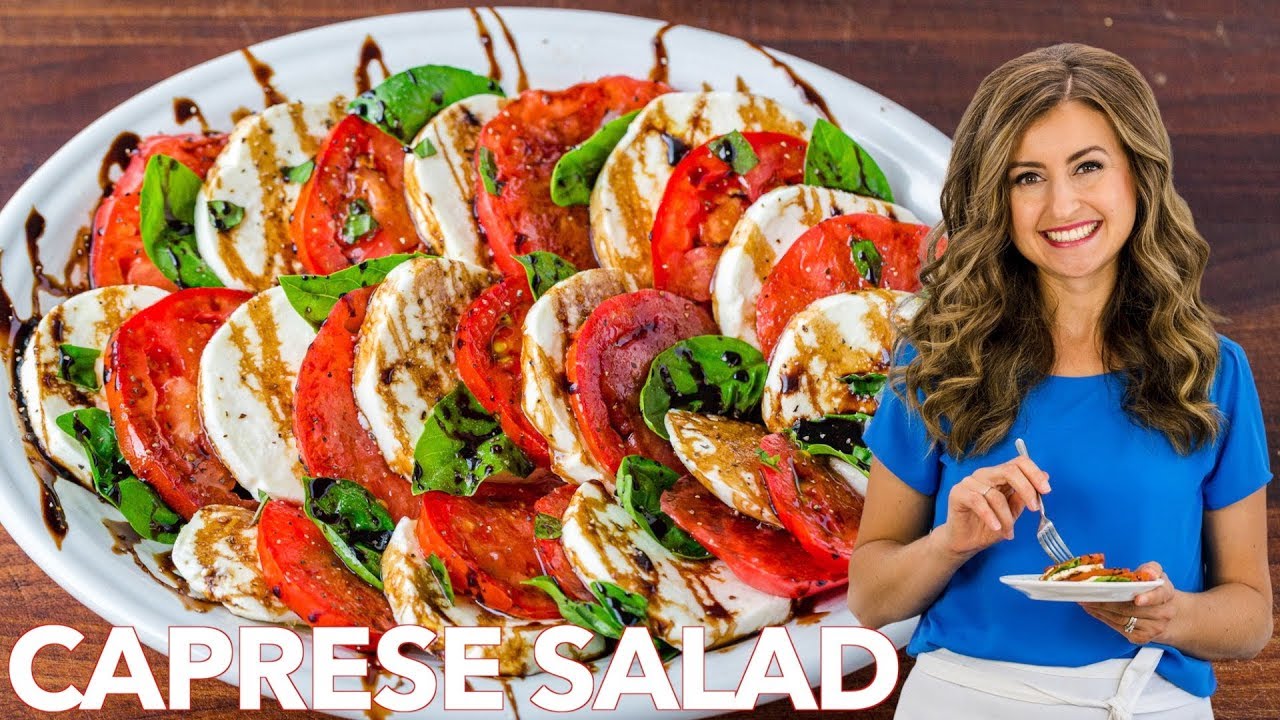
“Caprese is three ingredients. That's why everyone thinks it's foolproof — and why most versions taste like nothing. Cold mozzarella straight from the fridge. Watery supermarket tomatoes. Olive oil from a bottle that's been open since last summer. The technique is simple. The discipline to do it right is not. We analyzed every detail that separates a stunning caprese from a forgettable one, and it all comes down to temperature, quality, and the order you dress it.”
Why This Recipe Works
Caprese is a dish that exposes every shortcut. There is no sauce to hide behind, no technique to compensate for bad produce, no cooking process that transforms mediocre ingredients into something good. What you put on the plate is exactly what people taste. This is either the easiest recipe you will ever make or the most demanding one, depending on whether you respect that constraint.
The Temperature Problem
Cold mozzarella is a different ingredient than room-temperature mozzarella. At refrigerator temperature (38-40°F), the milk proteins in fresh mozzarella tighten and the fat solidifies slightly — the result is a dense, rubbery disc that tastes like very little. At room temperature, the proteins relax, the fat softens, and the delicate lactic-acid flavors that make fresh mozzarella worth eating become accessible.
Fifteen minutes is the minimum. Twenty is better. This single step is responsible for more failed capreses than any other variable, and it costs exactly nothing to fix.
The Tomato Situation
A tomato that has been refrigerated is not the same tomato it was before. Cold temperatures deactivate the enzymes responsible for producing volatile aroma compounds — the molecules that make a ripe tomato smell and taste like a ripe tomato. Once deactivated, they do not recover when the tomato warms back up. The damage is permanent.
This means two things. First, never refrigerate tomatoes you intend to eat raw. Second, buy from sources where the tomatoes were also never refrigerated — farmers markets, garden-grown, or produce sections that display them at room temperature. A supermarket tomato that sat in a refrigerated truck for four days before landing on a shelf will never taste like a farmers market tomato, regardless of what you do to it afterward.
Season also matters. A peak-summer heirloom tomato has roughly 40% more sugar and 60% more aromatic compounds than a winter hothouse tomato. Caprese in February is a compromise. Caprese in August is the point.
The Dressing Window
Salt is hygroscopic — it pulls water out of whatever it touches through osmosis. The moment you salt a tomato, the timer starts. Within 5 minutes, visible liquid begins pooling on the plate. Within 15, the arrangement is sitting in diluted tomato water that washes away the olive oil and thins the balsamic into something sharp and flat.
The solution is discipline: dress the salad at the table, in front of people, right before they eat it. This is not a dish you prep and cover with plastic wrap for an hour. Assemble, arrange, dress, serve. The window between dressed and served should be measured in minutes, not in how long the conversation ran before dinner.
The Olive Oil and Balsamic Investment
In a dish with no cooking and three primary ingredients, the supporting players are fully audible. Cheap extra virgin olive oil tastes greasy and flat. Good extra virgin olive oil tastes grassy, peppery, and faintly fruity — it contributes actual flavor rather than just fat. Buy a quality bottle with a harvest date on the label (not just a use-by date). Olive oil oxidizes over time; harvest dates tell you how fresh it actually is.
Aged balsamic vinegar should be thick enough to coat the back of a spoon. If it pours like wine, it hasn't been aged long enough and the natural sugars haven't concentrated. That thinness translates directly to sharp, one-note acidity in the finished dish. If your balsamic is thin, fix it: simmer it in a small saucepan for 8-10 minutes over low heat until it reduces by a third and coats a spoon. This is faster than buying a new bottle and produces the same result.
What Makes This Worth Making
The discipline required to make caprese correctly is almost entirely about restraint — restraint from refrigerating the tomatoes, from dressing it early, from using the olive oil that's been open since last spring. The technique takes 15 minutes. The discipline takes intention. When both are present, it's one of the finest things you can put in front of people. When either is absent, it's a plate of cold cheese and watery tomatoes, and everyone at the table knows it.
Where Beginners Mess This Up
Before we start, read this. These are the 4 reasons your perfect caprese salad (the 3-ingredient technique everyone gets wrong) will fail:
- 1
Using cold mozzarella: Fresh mozzarella straight from the refrigerator is dense, rubbery, and tastes like almost nothing. It needs 15 minutes at room temperature to soften and allow its milky, delicate flavor to open up. Serving it cold is the single most common reason a caprese lands flat despite good ingredients.
- 2
Using off-season or refrigerated tomatoes: Refrigeration destroys tomato flavor — the enzymes that produce aroma compounds are deactivated below 55°F and never fully recover. Buy tomatoes that have never been refrigerated, and use them only when they're fully ripe. Out-of-season supermarket tomatoes have 40% less flavor than peak-season fruit. There is no dressing that compensates for a bad tomato.
- 3
Dressing too early: Salt draws water out of tomatoes through osmosis. If you dress the salad more than 5 minutes before serving, a puddle of tomato water dilutes your olive oil, thins your balsamic, and makes the whole plate look waterlogged. Dress it at the table, right before it goes in front of people.
- 4
Using cheap olive oil or balsamic: In a dish with no heat and no technique to hide behind, every ingredient is fully exposed. Extra virgin olive oil should taste grassy and peppery. Aged balsamic should be thick and syrupy, not thin and sharp. If your balsamic pours like water, it's not aged and it will taste sour rather than sweet. These two ingredients are where the budget actually matters.
The Video Reference Library
Want to see it in action? Here are the exact videos we analyzed and combined to build this foolproof recipe translation:
The source video behind this recipe. Clear demonstration of the room-temperature technique and how to arrange slices for maximum visual impact.
🛠️ Core Equipment
- Sharp slicing knifeClean, uniform quarter-inch slices require a sharp blade. A dull knife tears mozzarella instead of cutting it and crushes tomatoes, releasing juice prematurely. Sharpness is not optional here.
- Wide flat serving platterThe overlapping arrangement needs horizontal space to display properly. A deep bowl traps moisture and hides the layering. A flat platter lets air circulate and presents the alternating colors clearly.
- Small finishing bowl for the dressingPre-mixing the olive oil, balsamic, and optional garlic in a small bowl gives you control over distribution. Drizzling straight from the bottle makes even coverage almost impossible.
Perfect Caprese Salad (The 3-Ingredient Technique Everyone Gets Wrong)
🛒 Ingredients
- ✦1.25 pounds fresh heirloom or Roma tomatoes (about 4 medium)
- ✦10 ounces fresh buffalo mozzarella cheese
- ✦10 fresh basil leaves, whole
- ✦3.5 tablespoons extra virgin olive oil
- ✦1.5 tablespoons aged balsamic vinegar
- ✦0.75 teaspoon sea salt, divided
- ✦0.25 teaspoon freshly ground black pepper
- ✦1 garlic clove, minced (optional)
- ✦1 tablespoon thin red onion slices (optional)
- ✦Small pinch dried oregano (optional)
👨🍳 Instructions
01Step 1
Remove the fresh buffalo mozzarella from the refrigerator 15 minutes before assembling.
02Step 2
Rinse the tomatoes under cool water and pat them completely dry with paper towels.
03Step 3
Slice the tomatoes into uniform quarter-inch thick rounds, discarding the top and bottom ends.
04Step 4
Slice the room-temperature mozzarella into matching quarter-inch thick rounds.
05Step 5
Arrange the tomato and mozzarella slices alternately on a wide flat serving platter, overlapping each slice by about one-third.
06Step 6
Distribute the whole basil leaves evenly between and on top of the tomato and cheese slices.
07Step 7
If using, scatter the minced garlic and thin red onion slices across the arrangement.
08Step 8
In a small bowl, combine the extra virgin olive oil and aged balsamic vinegar. Drizzle over the entire salad generously.
09Step 9
Sprinkle the sea salt and freshly ground black pepper evenly over the top.
10Step 10
Finish with a small pinch of dried oregano if desired. Serve immediately at room temperature.
Nutrition Per Serving
Estimates based on standard preparation. Adjustments alter macros.
🔄 Substitutions
Instead of Fresh buffalo mozzarella...
Use Fresh burrata
Richer and creamier — the interior cream spills out when cut and mingles with the olive oil. More luxurious mouthfeel, slightly more expensive. Use the same volume.
Instead of Balsamic vinegar...
Use Red wine vinegar or apple cider vinegar
Sharper and more acidic, with none of the natural sweetness of aged balsamic. The dish skews tangier. Add a small pinch of sugar to the dressing to partially compensate.
Instead of Extra virgin olive oil...
Use Walnut oil or avocado oil
Walnut oil adds a nutty, slightly bitter note that works well with peppery arugula if you're substituting the basil too. Avocado oil is neutral and smooth — it disappears into the background rather than contributing flavor.
Instead of Fresh basil...
Use Fresh arugula or rocket greens
Shifts the dish from sweet and floral to peppery and bitter. Pairs particularly well with burrata. Use about a small handful scattered across the top rather than tucking it between slices.
🧊 Storage & Reheating
In the Fridge
Caprese is a same-day dish. If you must store leftovers, cover tightly and refrigerate for up to 1 day — but the tomatoes will weep and the mozzarella will firm up. Bring fully to room temperature before eating again.
In the Freezer
Do not freeze. Fresh mozzarella becomes grainy and watery after thawing, and tomatoes turn completely mushy. This dish has no freezer application.
Reheating Rules
No reheating. This is served at room temperature exclusively. If refrigerated, set out for 20 minutes before serving to allow the mozzarella to soften and the flavors to open back up.
❓ Frequently Asked Questions
Why does my caprese taste watery and bland?
Two likely causes. First: the mozzarella was cold — it needs 15 minutes at room temperature to develop flavor. Second: you dressed it too early and the salt drew liquid out of the tomatoes, diluting everything. Dress immediately before serving and serve within 5 minutes.
What kind of tomatoes should I use?
Peak-season heirloom or Roma tomatoes that have never been refrigerated. Heirlooms bring more flavor complexity and color variation. Romas have meatier flesh with less water content, which keeps the plate cleaner. Avoid any tomato that was refrigerated at any point — the cold permanently damages the flavor compounds.
Does the type of balsamic vinegar matter?
Yes, significantly. Aged balsamic (look for 'Aceto Balsamico Tradizionale' or at minimum 'aged' on the label) is thick, syrupy, and sweet. Young balsamic is thin and sharp. If yours pours like water, reduce it on the stovetop before using. The difference in the finished dish is not subtle.
Can I make caprese ahead of time?
You can slice and arrange everything up to 30 minutes ahead, covered and at room temperature. Do not add salt, olive oil, or balsamic until the moment you serve. Salt triggers tomato weeping immediately — once you dress it, the clock is running.
Is buffalo mozzarella really different from regular fresh mozzarella?
Substantially. Buffalo milk mozzarella (made from water buffalo milk) is richer, tangier, and has a more complex flavor than cow's milk fior di latte. It's also softer and more delicate. Both work, but buffalo mozzarella is the traditional choice for caprese and the flavor difference is worth the price if you can find it.
Why do Italian recipes skip the balsamic entirely?
Authentic Neapolitan caprese uses only olive oil and salt — no balsamic. Balsamic is a northern Italian product (from Modena and Reggio Emilia) and was introduced to caprese outside Italy. The olive-oil-only version lets the tomato flavor dominate completely. Try both and decide which you prefer. Neither is wrong.
The Science of
Perfect Caprese Salad (The 3-Ingredient Technique Everyone Gets Wrong)
We turned everything on this page into a beautiful, flour-proof PDF cheat sheet. Print it out, stick it to your fridge, and never mess up your perfect caprese salad (the 3-ingredient technique everyone gets wrong) again.
*We'll email you the high-res PDF instantly. No spam, just perfectly cooked meals.
AlmostChefs Editorial Team
We translate the internet's most popular cooking videos into foolproof, beginner-friendly written recipes. We analyze multiple methods, test them in our kitchen, and engineer a single "Master Recipe" that gives you the best possible result with the least possible stress.