Spicy Cajun Chicken Pasta (The Weeknight Stunner)
A bold, creamy one-pan pasta loaded with blackened Cajun chicken, peppers, and a smoky cream sauce that clings to every noodle. We broke down the most-watched YouTube methods to build one foolproof technique that delivers restaurant heat and richness without a culinary degree.
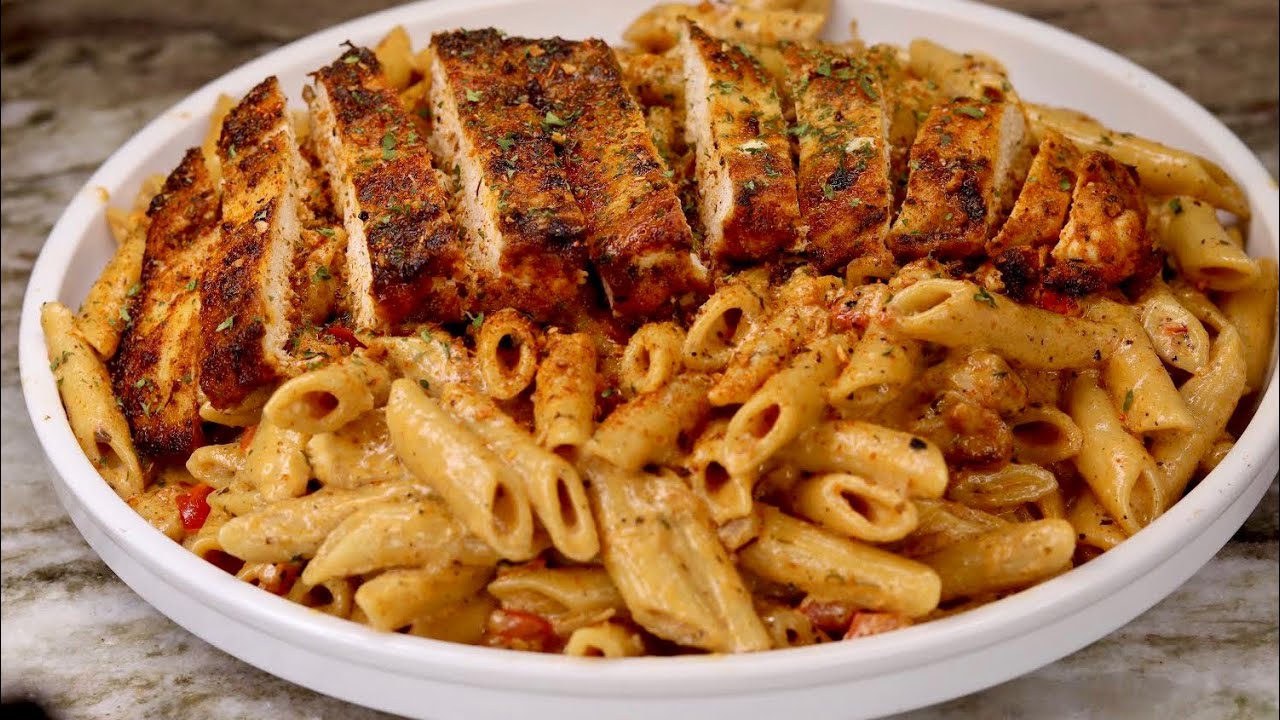
“Most people make this dish wrong in the same way: they cook the chicken and pasta separately, toss everything in cream at the end, and wonder why the sauce slides off the noodles like it has somewhere better to be. The fix is a single pan, a proper sear, and building the sauce directly in the fond. We watched every major YouTube method to build one version that actually sticks — literally.”
Why This Recipe Works
Cajun Chicken Pasta is a dish that exists in the gap between two cooking traditions and gets used against you by both. Italian purists will tell you cream doesn't belong near a noodle. Cajun traditionalists will point out that rice, not pasta, is the grain of Louisiana. Both camps are correct, and neither should stop you from making this on a Tuesday, because the dish that emerged from this cultural collision — somewhere in the American chain restaurant industrial complex of the late 1980s — is genuinely great when executed with any degree of care.
The Blackening Imperative
The word "Cajun" in this recipe's title is entirely contingent on what happens to the chicken in the first three minutes of cooking. Blackening is not burning. It is a controlled, high-heat application of a specific spice blend — paprika, cayenne, garlic, onion powder, dried herbs — to a protein that is seared in a very hot fat. The spices form a crust through the Maillard reaction, creating hundreds of aromatic compounds that are not achievable at lower temperatures. The result is smoky, slightly charred on the surface, and explosively savory in a way that simply seasoned sautéed chicken is not.
The equipment requirement here is real. A cast iron skillet or heavy stainless pan gets hot, stays hot, and holds that heat through the thermal shock of cold meat hitting the surface. A non-stick pan, by design, is coated to prevent exactly the kind of surface adhesion that creates fond — and fond, the browned protein and spice residue stuck to the pan after the chicken comes out, is the entire foundation of your cream sauce. Non-stick gives you pale chicken and flavorless sauce. Cast iron gives you blackened crust and a pan covered in the most concentrated flavor in your kitchen.
Fond Is Not an Accident
Most home cooks see the dark sticky coating left by the chicken and panic. They reach for the sponge. This is a culinary tragedy. That layer is called fond, from the French word for "base" or "bottom," and it is chemically distinct from the raw spice blend that formed it. Every compound that made the Cajun crust complex and smoky is now concentrated, caramelized, and adhered to the pan in a form that dissolves instantly in liquid. When you add onions and peppers over that fond and let them sweat, their released moisture lifts every molecule of it into your sauce.
The vegetables serve a structural purpose beyond flavor. Bell peppers contain high water content that generates the steam needed to deglaze the fond without scorching. The onion's natural sugars caramelize against the residual heat and add sweetness that balances the cayenne's aggression. By the time the garlic goes in, the pan's flavor foundation has more complexity than most cream sauces achieve even after 30 minutes of reduction.
Cream Sauce Physics
Heavy cream is an emulsion of fat in water, stabilized by milk proteins. Under gentle heat, the water evaporates and the sauce thickens while the proteins hold the fat in suspension. Under aggressive heat, those proteins denature and the emulsion breaks — fat pools on the surface, the remaining liquid turns thin and watery, and no amount of stirring saves it. This is why the temperature drop before adding cream is not optional. The 30 seconds off heat costs you nothing and prevents the most common technical failure in this dish.
The pasta starch is your other emulsification tool. Always reserve pasta water before draining — the starch-laden liquid acts as a binder that helps the cream sauce adhere to the noodles rather than pooling at the bottom of the bowl. Add it in small amounts during the final toss and watch the sauce shift from slippery to genuinely clingy. This is the difference between pasta that tastes like pasta with sauce on top and pasta that tastes like a unified dish.
The Resting Logic
Chicken continues to cook after it leaves the heat. The center of a strip seared to 160°F internal will reach the safe 165°F through carryover within two minutes of resting, tented under foil. Slicing it immediately sends that internal heat — and every juice it's holding — directly onto your cutting board. Resting for five to eight minutes while you build the sauce costs nothing, and the chicken you slice at the end will be visibly more moist, with juice that stays in the meat where it belongs. Use an instant-read thermometer to take the guesswork out entirely. Visual cues on blackened chicken are useless — the exterior looks done long before the interior agrees.
This is not a complicated dish. It is a dish with a small number of critical decision points that most recipes gloss over in a rush to get to the ingredient list. Get the sear right, protect the fond, and add the cream at the right temperature. Everything else is just mise en place.
Where Beginners Mess This Up
Before we start, read this. These are the 4 reasons your spicy cajun chicken pasta (the weeknight stunner) will fail:
- 1
Using store-bought Cajun seasoning without adjusting salt: Most commercial Cajun blends are 40-60% salt by weight. If you season your chicken with it and then salt the pasta water and add parmesan, the dish becomes aggressively salty before it even hits the table. Always taste your seasoning blend before applying it — or make your own so you control the sodium.
- 2
Adding cold cream to a screaming-hot pan: Cold dairy hits a very hot pan and the fat separates instantly. You get greasy, broken sauce with white curds instead of a silky emulsion. Remove the pan from heat for 30 seconds before adding the cream, or use room-temperature cream. This is the single biggest reason home versions look wrong.
- 3
Overcrowding the pan when searing the chicken: Chicken releases moisture when it cooks. If your pieces are touching, that moisture steams instead of evaporating, and you get pale, boiled chicken instead of a deeply blackened crust. Cook in batches if necessary. The fond that dark crust leaves behind is the flavor foundation for the entire sauce.
- 4
Cooking the pasta fully before finishing in the sauce: Pasta that's cooked to al dente in boiling water and then simmered in cream sauce will overcook. Pull it 90 seconds early — it should have a distinct white core — so it finishes in the cream and absorbs the sauce rather than just wearing it.
The Video Reference Library
Want to see it in action? Here are the exact videos we analyzed and combined to build this foolproof recipe translation:
The definitive walkthrough of the blackening technique and how to build the cream sauce directly from the fond. Essential viewing for understanding why pan selection matters.
Demonstrates the difference between homemade and store-bought Cajun blends, including how to balance heat, salt, and smoke. Directly relevant to the most common failure point in this dish.
A technique-focused breakdown of cream sauce emulsification — why temperature, fat content, and pasta starch are the three variables that determine whether your sauce clings or breaks.
🛠️ Core Equipment
- 12-inch stainless steel or cast iron skilletYou need a pan that can take screaming heat for the sear and then retain it evenly for the sauce reduction. Non-stick pans don't build fond — and fond is the entire flavor base of this dish.
- TongsFor turning chicken without piercing it. Every stab releases juices that you need inside the meat, not steaming off on the pan surface.
- Large pot for pastaProperly salted pasta water — it should taste like mild seawater — is non-negotiable. A pot that's too small causes the water temperature to drop when you add pasta, resulting in gummy, uneven cooking.
- Instant-read thermometerCajun blackening creates a deeply dark crust that makes it impossible to judge doneness visually. Pull chicken at 160°F internal — carryover heat brings it to the safe 165°F without drying it out.
Spicy Cajun Chicken Pasta (The Weeknight Stunner)
🛒 Ingredients
- ✦1.5 pounds boneless skinless chicken breasts, sliced into strips
- ✦12 ounces penne or linguine pasta
- ✦1.5 cups heavy cream
- ✦1 cup chicken stock
- ✦3 tablespoons unsalted butter, divided
- ✦1 tablespoon olive oil
- ✦1 red bell pepper, thinly sliced
- ✦1 yellow bell pepper, thinly sliced
- ✦4 cloves garlic, minced
- ✦1 small yellow onion, thinly sliced
- ✦1/2 cup freshly grated Parmesan, plus more for serving
- ✦3 tablespoons Cajun seasoning, divided
- ✦1 teaspoon smoked paprika
- ✦1/2 teaspoon cayenne pepper, or to taste
- ✦1/2 teaspoon dried oregano
- ✦1/4 teaspoon freshly ground black pepper
- ✦2 tablespoons fresh lemon juice
- ✦3 tablespoons fresh flat-leaf parsley, chopped
- ✦Kosher salt to taste
👨🍳 Instructions
01Step 1
Slice the chicken breasts into uniform strips, about 1/2 inch thick. Toss with 2 tablespoons Cajun seasoning, smoked paprika, cayenne, and a pinch of salt until thoroughly coated.
02Step 2
Bring a large pot of generously salted water to a boil. Cook pasta until 90 seconds short of al dente. Reserve 1 cup of pasta water before draining.
03Step 3
Heat a 12-inch [cast iron skillet](/kitchen-gear/review/cast-iron-skillet) or stainless pan over high heat until smoking. Add olive oil and 1 tablespoon butter. Working in batches if needed, add chicken strips in a single layer.
04Step 4
Sear chicken 2-3 minutes per side until deeply blackened and cooked through to 160°F internal. Transfer to a cutting board and tent loosely with foil.
05Step 5
Reduce heat to medium. Add remaining 2 tablespoons butter to the same pan. Add the onion and bell peppers, scraping up the dark fond from the chicken as they release moisture. Cook 4-5 minutes until softened.
06Step 6
Add minced garlic and remaining 1 tablespoon Cajun seasoning and dried oregano. Cook 60 seconds until fragrant.
07Step 7
Pour in the chicken stock and bring to a simmer, scraping up any remaining fond. Cook 2 minutes until slightly reduced.
08Step 8
Remove pan from heat for 30 seconds, then add the heavy cream. Return to medium-low heat and simmer gently for 4-5 minutes until the sauce thickens enough to coat the back of a spoon.
09Step 9
Add the drained pasta directly to the sauce. Toss to coat, adding reserved pasta water a splash at a time if the sauce is too thick. The starch in the pasta water helps the sauce cling.
10Step 10
Stir in Parmesan cheese and lemon juice. Taste and adjust salt, cayenne, and black pepper.
11Step 11
Slice the rested chicken and arrange over the pasta, or fold it in. Finish with chopped parsley and extra Parmesan. Serve immediately.
Nutrition Per Serving
Estimates based on standard preparation. Adjustments alter macros.
🔄 Substitutions
Instead of Heavy cream...
Use Full-fat coconut cream
Dairy-free and works surprisingly well. Adds a faint sweetness that actually complements the Cajun heat. Use the same volume.
Instead of Chicken breasts...
Use Andouille sausage or shrimp
Andouille is the more traditional Cajun protein — slice into coins and brown the same way. Shrimp cooks in 2 minutes per side; do not overcook.
Instead of Penne...
Use Linguine or rigatoni
Rigatoni's ridges and tubes capture the cream sauce more aggressively than smooth penne. Linguine works for a lighter, more elegant presentation.
Instead of Parmesan...
Use Pecorino Romano
Sharper and saltier than Parmesan — reduce added salt elsewhere in the recipe to compensate. Melts similarly and adds a slightly more pronounced savory bite.
🧊 Storage & Reheating
In the Fridge
Store in an airtight container for up to 3 days. The pasta will absorb the sauce as it sits, so it will be drier when reheated.
In the Freezer
Not recommended. Cream sauces separate on freezing and the pasta texture deteriorates significantly after thawing.
Reheating Rules
Add 2-3 tablespoons of cream or chicken stock to the pasta before reheating covered in a skillet over low heat. Stir gently to re-emulsify the sauce. Avoid the microwave.
❓ Frequently Asked Questions
Why is my cream sauce breaking and turning greasy?
The pan was too hot when you added the cream. Cold or even room-temperature dairy introduced to a very hot surface causes the fat to separate before the emulsion can form. Remove the pan from heat for 30 seconds, then add cream and return to medium-low.
Can I use chicken thighs instead of breasts?
Yes, and they're arguably better for this dish. Thighs have higher fat content which protects against drying out under the aggressive Cajun blackening heat. Slice them into strips the same way and reduce sear time by about 30 seconds per side.
How do I make this less spicy for kids?
Cut the cayenne to 1/8 teaspoon and use a mild paprika-based Cajun blend. The bell peppers provide sweetness that offsets heat. Serve with a side of sour cream as a heat buffer — it works the same way yogurt cools Indian food.
Why does my chicken look pale instead of blackened?
Either the pan wasn't hot enough or you crowded the chicken. You need a screaming hot pan and a single layer. If chicken pieces are touching, they steam each other's moisture and you get poaching instead of searing. Cook in two batches if needed.
Is this dish actually Cajun?
It's American Cajun-inspired, not authentic Louisiana Cajun cooking. Cajun cuisine is historically a low-waste, ingredient-forward tradition from rural Louisiana. The cream-heavy pasta version is a 1990s American adaptation — most commonly credited to chains like Chili's — that took Cajun seasoning and applied it to Italian-American pasta technique. It's delicious regardless of its origin story.
Can I make this ahead of time?
You can prep all the components — seasoned chicken, sliced vegetables, measured cream — but assemble and sauce the pasta at serving time. Pre-sauced pasta sitting in cream for hours becomes bloated and soft. The Cajun chicken itself keeps well for 3 days and can be reheated separately.

The Science of
Spicy Cajun Chicken Pasta (The Weeknight Stunner)
We turned everything on this page into a beautiful, flour-proof PDF cheat sheet. Print it out, stick it to your fridge, and never mess up your spicy cajun chicken pasta (the weeknight stunner) again.
*We'll email you the high-res PDF instantly. No spam, just perfectly cooked meals.
AlmostChefs Editorial Team
We translate the internet's most popular cooking videos into foolproof, beginner-friendly written recipes. We analyze multiple methods, test them in our kitchen, and engineer a single "Master Recipe" that gives you the best possible result with the least possible stress.