Butter Chicken (Murgh Makhani — Tomato Cream Sauce, Proper Spice Bloom)
Butter chicken (murgh makhani) built on the correct sauce — charred tandoori-style chicken, a tomato-butter-cream sauce with bloomed spices, and kasuri methi that is non-negotiable. Not tikka masala.
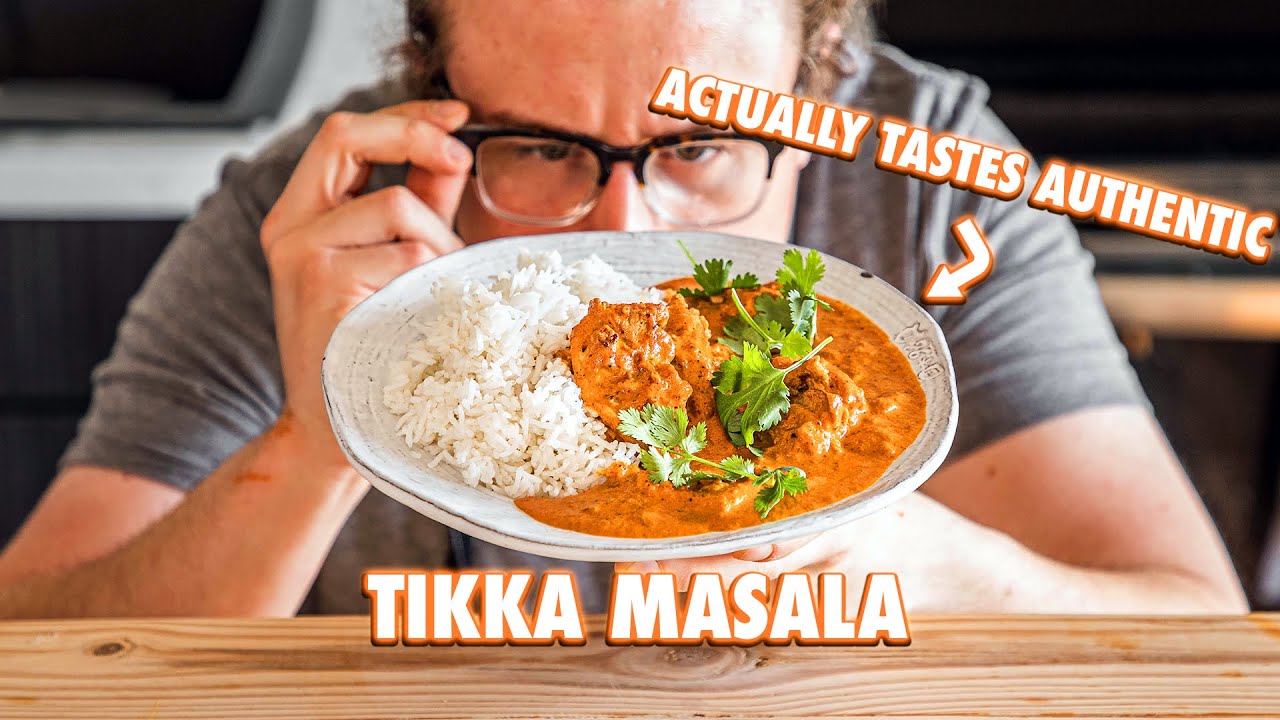
“Butter chicken is not chicken tikka masala with a creamier sauce. It is a distinct dish with a distinct origin — murgh makhani, developed at Moti Mahal restaurant in Delhi in the 1950s — and it has a distinct sauce character: sweeter, richer, and more butter-forward than tikka masala's sharper tomato and spice profile. The chicken must be charred. The spices must be bloomed in fat. The kasuri methi goes in last. These are not preferences. They are the three things that make it taste like the dish.”
Why This Recipe Works
Murgh makhani has been mangled by Western adaptation more than almost any other Indian dish. It gets flattened into a generic orange cream sauce with dried spices stirred in and called good. The actual dish — developed at Moti Mahal in Delhi by Kundan Lal Gujral and Kundan Lal Jaggi — is built on three things that home versions routinely skip: charred chicken, bloomed spices, and kasuri methi. Understanding why each of those components is non-negotiable is the recipe.
The Difference Between Butter Chicken and Tikka Masala
These are not the same dish. This needs to be stated clearly because most English-language menus use them interchangeably, and most home recipes treat them as variations on a theme.
Murgh makhani is sweeter, richer, and more butter-forward. The sauce is primarily tomato and cream enriched with a very significant quantity of butter — enough that the butter flavor is detectable in every bite. The spicing is present but moderate: garam masala provides warmth, the cumin and coriander give depth, but the cayenne is restrained. The overall impression is of a velvety, slightly sweet, deeply savory sauce with underlying spice.
Chicken tikka masala has a sharper tomato base, more aggressive spicing, a higher acid to fat ratio, and less of the buttery richness that defines murgh makhani. It is a different dish with a different sauce architecture. Knowing this distinction is the difference between making the correct thing and making a confused version of both.
The Char: What High Heat Does to Marinated Chicken
The yogurt marinade serves a dual function. The lactic acid in yogurt partially denatures the surface proteins of the chicken — it effectively pre-tenderizes the outer layer, which allows spices to penetrate further into the meat rather than sitting on the surface. The yogurt fat creates a thin protective coating that prevents immediate surface desiccation when the chicken hits a screaming-hot pan.
When marinated chicken hits a cast iron skillet or a broiler at maximum heat, the Maillard reaction begins almost immediately on the yogurt-coated surface. The Maillard reaction is not caramelization — it is a chemical reaction between amino acids and reducing sugars that produces hundreds of new flavor and aroma compounds. At the high temperatures required for char, this produces bitter, smoky, complex compounds that a gentle sear simply cannot create. The char marks are not incidental. They are the flavor contribution of the chicken to the sauce.
Thigh meat is specified because it contains significantly more intramuscular fat than breast meat — fat deposits between the muscle fibers that insulate the interior from heat during the aggressive sear and keep the protein strands from drying out before char forms on the exterior. Breast meat at char-producing temperatures is dry before the surface is adequately darkened.
Spice Blooming: Fat Solubility and Flavor Release
The aromatic compounds in spices — terpenes in coriander and cumin, capsaicin in cayenne, cinnamaldehyde in cassia-forward garam masala blends — are fat-soluble, not water-soluble. Added to a water-based sauce, they disperse into the aqueous phase and their flavor contribution is muted compared to what is possible.
Added to hot butter or oil first, these compounds dissolve into the fat. Fat is then distributed throughout the sauce, carrying those flavor compounds with it. The difference in the finished dish is dramatic: a sauce made with dry-added spices tastes like it has spices in it. A sauce made with bloomed spices tastes like the spices are the sauce. The mechanism is straightforward. The execution requires 30-45 seconds of attention to heat and smell: bloom until fragrant and sizzling, not until burned.
Tomato-Cream Emulsification: Why the Sauce Doesn't Break
Heavy cream is an oil-in-water emulsion — fat droplets suspended in a water medium, stabilized by milk proteins. Added to an acidic tomato sauce, there is a risk of emulsion breakdown: the acid can destabilize the milk protein emulsifiers, causing the fat to coalesce and separate into visible pools.
The butter in this recipe is the key stabilizer. Butter contributes emulsified fat already stabilized by milk proteins and lecithin from the milk solids. The butter fat acts as a compatibilizer between the cream fat and the tomato aqueous phase, providing an intermediate layer that prevents rapid destabilization. More butter means a more stable, more forgiving sauce. This is why the recipe's butter quantity is high — it is doing structural work, not just flavor work.
The practical implication: add cream off the heat or at low heat, stir gently, and never return the sauce to a full boil after cream addition. Vigorous boiling is agitation that physically breaks the fat-water interface even when the chemistry is otherwise stable.
Kasuri Methi: The Compound You're Missing
Kasuri methi contributes a flavor that food scientists have attributed primarily to sotolone, a compound found in fenugreek that smells like maple syrup at low concentrations and more intensely herbal and bitter at higher ones. In the context of a rich tomato cream sauce, it provides a counterpoint that makes the sauce more complex and less one-dimensional.
It is added off the heat because sotolone and the other volatile aromatics in fenugreek are heat-sensitive. Continued cooking drives them off. Crush the leaves between your palms before adding — the physical disruption releases more compound into the sauce than adding the leaves whole. Two minutes of resting after addition allows some reabsorption into the sauce before serving.
A fine-mesh strainer for the final sauce pass is worth mentioning if you want a truly restaurant-quality texture — it removes onion fiber and any residual spice grit and produces a completely smooth, velvety sauce. The step is optional. The kasuri methi is not.
Where Beginners Mess This Up
Before we start, read this. These are the 4 reasons your butter chicken (murgh makhani — tomato cream sauce, proper spice bloom) will fail:
- 1
Skipping the marinade char on the chicken: Murgh makhani was built around tandoor-cooked chicken — chicken that has been marinated in spiced yogurt and cooked at extremely high heat until the exterior chars and the interior stays juicy. On a home stovetop or under the broiler, you replicate this by cooking the marinated chicken pieces at the highest possible heat until the exterior has visible dark char marks. Without the char, the chicken is simply spiced — it lacks the smoky, slightly bitter complexity that the Maillard reaction at high heat produces. This char is what makes the chicken interesting inside the sauce.
- 2
Not blooming the dry spices: Garam masala, cumin, coriander, and paprika are fat-soluble flavor compounds. Added to a tomato-and-liquid sauce, they disperse into the water phase and contribute relatively little flavor. Added to hot butter or oil first — for 30-45 seconds, until they are fragrant and slightly darkened — they release their aromatic volatile compounds into the fat, which then carries those flavors throughout the entire sauce. This is the physical difference between a sauce that tastes spiced and a sauce that tastes integrated. Do not skip the bloom.
- 3
Adding cream to an actively boiling sauce: Cream is an oil-in-water emulsion. Added to a sauce that is at a full boil, the rapid agitation can break the emulsion — the fat separates and you get a greasy, curdled-looking sauce. Add the cream off the heat or with the heat reduced to low, and stir it in gently. The sauce should never return to a full boil after the cream is incorporated. A gentle simmer for 5-10 minutes after adding cream is correct; rapid boiling is not.
- 4
Leaving out the kasuri methi: Kasuri methi — dried fenugreek leaves — is the finishing herb in murgh makhani. It has a flavor that is simultaneously bitter, slightly sweet, and maple-adjacent, and it provides the aromatic complexity that distinguishes an authentic butter chicken sauce from a generic tomato cream sauce. There is no substitute that produces the same effect. It is widely available in Indian grocery stores and online. If you cannot find it, the sauce is still good. But it is not butter chicken.
The Video Reference Library
Want to see it in action? Here are the exact videos we analyzed and combined to build this foolproof recipe translation:
The primary reference video. Covers the marinade, the charring technique, the spice bloom, and the sauce build in sequence. Particularly useful for the visual reference on what the bloomed spice stage looks like versus under-bloomed.
🛠️ Core Equipment
- Large heavy-bottomed skillet or cast iron panThe chicken charring step requires very high heat sustained evenly across the pan surface. Thin stainless pans develop hot spots that burn some pieces while others cook unevenly. A [cast iron skillet](/kitchen-gear/review/cast-iron-skillet) holds heat uniformly and produces consistent char marks across all pieces. The same pan works for the sauce.
- Blender or immersion blenderA smooth, velvety sauce requires blending the cooked tomato and onion base before adding the cream. A rough, unblended sauce produces a texture more like chunky tomato stew than a restaurant-style murgh makhani. Blend until completely smooth. An immersion blender works but a countertop blender produces a silkier result.
- Heavy-bottomed Dutch oven or saucepanThe sauce simmer phase benefits from a vessel that distributes heat evenly to prevent scorching at the base. Dutch-process tomato sauces with dairy can scorch on the bottom of thin pans when simmered at medium heat. A Dutch oven keeps the temperature stable and even.
Butter Chicken (Murgh Makhani — Tomato Cream Sauce, Proper Spice Bloom)
🛒 Ingredients
- ✦2 lbs boneless, skinless chicken thighs, cut into 2-inch pieces
- ✦1 cup plain whole-milk yogurt
- ✦2 teaspoons garam masala (for marinade)
- ✦1 teaspoon ground cumin (for marinade)
- ✦1 teaspoon ground turmeric
- ✦1 teaspoon grated fresh ginger (for marinade)
- ✦3 cloves garlic, grated (for marinade)
- ✦1 teaspoon fine salt (for marinade)
- ✦6 tablespoons unsalted butter
- ✦1 large yellow onion, roughly chopped
- ✦6 cloves garlic, minced
- ✦2-inch piece fresh ginger, grated
- ✦1 can (28 oz) crushed tomatoes
- ✦2 teaspoons garam masala (for sauce)
- ✦1 teaspoon ground cumin (for sauce)
- ✦1 teaspoon ground coriander
- ✦1 teaspoon paprika
- ✦1/2 teaspoon cayenne pepper (adjust to heat preference)
- ✦1 cup heavy cream
- ✦1 tablespoon granulated sugar
- ✦1 teaspoon kasuri methi (dried fenugreek leaves)
- ✦Fine salt to taste
- ✦Fresh cilantro and naan or basmati rice for serving
👨🍳 Instructions
01Step 1
Combine chicken thigh pieces with yogurt, garam masala, cumin, turmeric, ginger, garlic, and salt in a bowl. Mix thoroughly to coat every piece. Marinate for at least 30 minutes at room temperature, or up to 8 hours refrigerated.
02Step 2
Heat a cast iron skillet or heavy-bottomed pan over high heat until smoking hot. Add a thin layer of neutral oil. Add the marinated chicken pieces in a single layer, working in batches if needed.
03Step 3
Cook the chicken for 3-4 minutes per side until dark char marks form and the exterior is noticeably blackened in spots. The interior does not need to be fully cooked — it will finish in the sauce. Remove and set aside.
04Step 4
In a large heavy-bottomed saucepan or Dutch oven, melt 4 tablespoons of butter over medium heat. Add the onion and cook for 8-10 minutes, stirring occasionally, until soft and translucent with golden edges.
05Step 5
Add the minced garlic and grated ginger to the softened onions. Cook for 90 seconds, stirring constantly, until fragrant and slightly golden.
06Step 6
Add garam masala, cumin, coriander, paprika, and cayenne to the pan. Stir the spices into the onion and fat and cook for 30-45 seconds until they are fragrant and slightly darkened. This is the bloom.
07Step 7
Pour in the crushed tomatoes and stir to combine with the bloomed spice and onion base. Bring to a simmer and cook for 15 minutes, stirring occasionally, until the sauce has thickened and darkened slightly.
08Step 8
Remove from heat. Use an immersion blender directly in the pot (or transfer to a countertop blender in batches) to blend the sauce until completely smooth.
09Step 9
Return the blended sauce to low heat. Add the remaining 2 tablespoons of butter and stir until melted. Add the charred chicken pieces and any collected juices to the sauce.
10Step 10
Reduce heat to low. Pour in the heavy cream in a slow, steady stream, stirring gently. Add the sugar and salt to taste. Simmer on low for 10 minutes until the chicken is cooked through and the sauce has thickened slightly.
11Step 11
Remove from heat. Crush the kasuri methi between your palms before adding it to the sauce — crushing releases more volatile aromatic compounds. Stir in and let sit for 2 minutes before serving.
12Step 12
Serve over basmati rice or with naan, garnished with fresh cilantro.
Nutrition Per Serving
Estimates based on standard preparation. Adjustments alter macros.
🔄 Substitutions
Instead of Heavy cream...
Use Full-fat coconut cream
Produces a dairy-free sauce with a subtle coconut note that pairs naturally with the spice profile. Use the same quantity. The sauce will be slightly less rich but still fully emulsified and smooth. Reduce the sugar by half since coconut cream is slightly sweeter than heavy cream.
Instead of Chicken thighs...
Use Paneer, cut into 2-inch cubes
For a vegetarian version. Pan-fry the paneer in the same cast iron pan at high heat until golden-brown on two sides before adding to the sauce. The char marks on paneer replicate the textural and flavor contrast of the charred chicken. Tofu (extra-firm, pressed and dried) works similarly.
Instead of Kasuri methi...
Use Fresh fenugreek leaves (3 tablespoons) or fresh baby spinach (1/4 cup, wilted)
Fresh fenugreek is closer to the original flavor but is difficult to find outside of Indian grocery stores. Spinach wilted into the sauce adds color and a mild bitter note that approximates the role of kasuri methi, but the flavor profile will be noticeably different. There is no perfect substitute for kasuri methi.
🧊 Storage & Reheating
In the Fridge
Store in an airtight container for up to 4 days. The flavor deepens on day 2 as the spices continue to bloom in the sauce. Reheat gently over low heat — do not boil the reheated sauce or the cream may separate.
In the Freezer
Freeze for up to 2 months. For best results, freeze the sauce before adding cream, then add fresh cream when reheating. Cream-based sauces can separate slightly on freezing and thawing, though whisking vigorously while reheating typically re-emulsifies them.
Reheating Rules
Reheat over low heat in a saucepan, stirring frequently. Add 2-3 tablespoons of water or cream if the sauce has thickened too much during refrigeration. Do not microwave — uneven heat causes the sauce to break and the chicken to dry out.
❓ Frequently Asked Questions
What is the difference between butter chicken and chicken tikka masala?
Butter chicken (murgh makhani) has a sweeter, richer, more butter-forward sauce made primarily with tomatoes, cream, and a high butter content. The spicing is milder and the overall flavor profile is smoother and more rounded. Chicken tikka masala has a sharper, more acidic tomato base with more aggressive spicing and less cream. Both use marinated, charred chicken. They are related but distinct dishes with different origins — murgh makhani from Delhi, tikka masala widely attributed to British-Indian cuisine.
Why does my sauce taste flat even though I used all the spices?
The spices were not bloomed. Dry spices added directly to a liquid sauce contribute far less flavor than spices that have been cooked in fat first. Go back to step 6 and add the spices to the fat before adding any liquid — cook them for 30-45 seconds until fragrant and sizzling. That single change will dramatically improve the sauce.
Can I use chicken breast instead of thighs?
You can, but expect a drier result. Breast meat has almost no intramuscular fat and will dry out during charring. If you insist on breast meat, cut into larger pieces (3-inch cubes), reduce the charring time to 2 minutes per side — just enough for grill marks, not full char — and finish cooking in the sauce.
Where do I find kasuri methi?
Indian grocery stores stock it reliably. It is sometimes labeled 'dried fenugreek leaves.' Online retailers (Amazon, Patel Brothers online) sell it in bags of 3-4 ounces for a few dollars. It keeps for 6-12 months in an airtight container. Buy it once and you have it for many recipes.
How do I prevent the sauce from separating when I add cream?
Reduce heat to the lowest possible setting before adding cream. Pour it in slowly, in a thin stream, while stirring. The key is to never let the sauce return to a full boil after the cream is added. A gentle simmer — small bubbles only at the edges — is the maximum heat for a cream-enriched sauce.
Why does the recipe add sugar to a savory sauce?
Murgh makhani is a slightly sweet sauce by design. The sugar performs two functions: it balances the acidity of the crushed tomatoes (without it, the tomato flavor reads as sharp and one-dimensional) and it amplifies the savory umami depth by contrast. One tablespoon in a recipe serving four people is a modest amount — it is below the threshold of tasting sweet. You are tasting balance.
The Science of
Butter Chicken (Murgh Makhani — Tomato Cream Sauce, Proper Spice Bloom)
We turned everything on this page into a beautiful, flour-proof PDF cheat sheet. Print it out, stick it to your fridge, and never mess up your butter chicken (murgh makhani — tomato cream sauce, proper spice bloom) again.
*We'll email you the high-res PDF instantly. No spam, just perfectly cooked meals.
AlmostChefs Editorial Team
We translate the internet's most popular cooking videos into foolproof, beginner-friendly written recipes. We analyze multiple methods, test them in our kitchen, and engineer a single "Master Recipe" that gives you the best possible result with the least possible stress.