Buffalo Chicken Rice Bowls (Better Than Any Restaurant Version)
Crispy spiced chicken tossed in tangy buffalo sauce, layered over fluffy white rice with cool ranch drizzle, crunchy celery, and shredded carrots. We broke down the most-watched YouTube methods to engineer a bowl that hits every texture and temperature contrast in one shot.
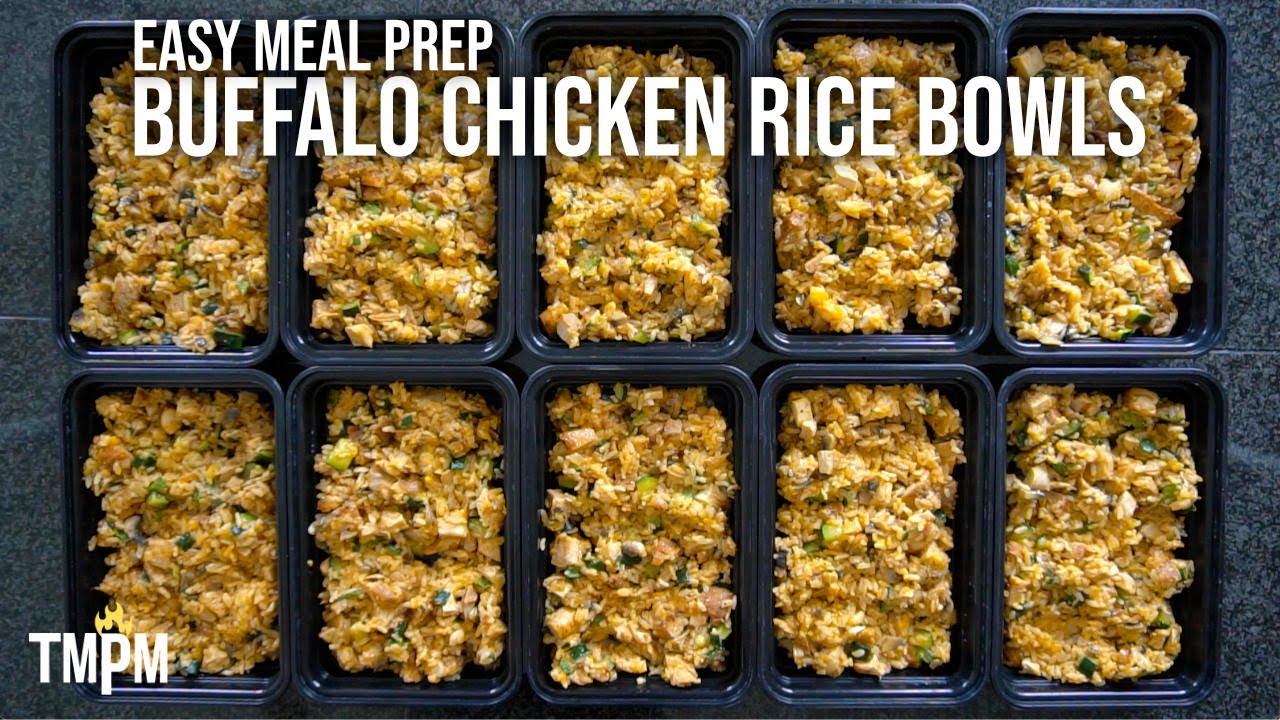
“Buffalo chicken rice bowls look effortless on the menu and taste disappointing on your plate. The sauce is always too thin, the chicken is either dry or greasy, and the rice is an afterthought. The fix isn't a better sauce brand — it's understanding that the chicken needs a fat-side sear, the sauce needs to be reduced by a third before tossing, and the rice needs to be seasoned like it's actually part of the dish and not just filler. Get those three things right and this becomes a bowl people request by name.”
Why This Recipe Works
Buffalo chicken rice bowls exist at the intersection of fast-casual laziness and genuinely good food — and most home versions land firmly on the wrong side of that line. The sauce is sharp and watery, the chicken is texturally wrong, and the rice is treated like packing material rather than a flavor-bearing component. None of this is inevitable. Every problem has a specific, fixable cause, and fixing those causes takes maybe three extra minutes of active cooking.
The Chicken Problem
The single biggest mistake in buffalo chicken bowl recipes is treating the protein like a secondary character. Boneless chicken cubes seasoned with a pinch of salt and dropped into a mediocre pan will give you mediocre results regardless of how good your sauce is. The crust matters. It's not cosmetic — it's structural. A deep golden-brown sear on each piece creates a surface that catches and holds sauce instead of absorbing it like a paper towel.
This requires two things: a cast iron skillet hot enough to make butter foam immediately on contact, and chicken that's been patted bone-dry before hitting the pan. Surface moisture converts to steam and defeats the Maillard reaction before it can begin. You don't need any special technique. You need a hot pan, dry meat, and the discipline to leave it alone for three full minutes before flipping.
The spice rub serves a secondary purpose beyond seasoning. Garlic powder, onion powder, and smoked paprika form a thin, dry coating that increases surface area at the microscopic level, creating more sites for browning and giving the buffalo sauce more texture to grip when you toss.
The Sauce Architecture
Bottled buffalo sauce is mostly hot sauce, butter, and vinegar in a ratio designed for wings — where the sauce gets driven into irregular, rugose surfaces during a hard toss in a metal bowl. On smooth chicken cubes, that same sauce runs straight off and puddles at the bottom of the bowl before the first forkful.
The fix is reduction. Pour the sauce into a small saucepan and simmer over medium heat until it thickens by roughly one-third. The water evaporates, the vinegar mellows, the residual butter fats concentrate, and you end up with a glossy, clingy coating instead of a thin liquid. Add this to your just-seared chicken off the heat and the sauce bonds to the crust. This is what restaurant versions are actually doing — you're just now seeing the step they skip in the recipe card.
Rice as Foundation, Not Filler
Most bowl recipes say "serve over rice" as if the rice is furniture. It isn't. In a properly built buffalo chicken bowl, the rice is the ballast — it absorbs excess sauce, provides starchy contrast to the tangy chicken, and gives the whole assembly structural coherence. But it only performs those functions if it's seasoned.
Cooking the rice in chicken stock rather than water is a non-negotiable upgrade that costs nothing and takes exactly the same amount of time. A rice cooker makes this hands-off, but any heavy saucepan with a tight lid will do. Finishing the cooked rice with butter and garlic powder keeps the grains separate, adds richness, and gives the base a savory baseline that holds its own against the acidic buffalo sauce above it. Plain, water-cooked white rice just disappears into the bowl. Seasoned rice anchors it.
The Temperature Equation
The final architectural principle of a good buffalo chicken bowl is temperature contrast. Hot rice, hot chicken, room-temperature celery and carrot, cold ranch. That gradient — from hot at the base to cool at the top — is what makes the bowl feel composed rather than random. It's also why you should never dress the entire bowl before serving. The cool toppings go on last, stay cool, and provide a counterpoint to the heat of the buffalo chicken on every bite.
This is a weeknight lunch that performs like a restaurant order when you follow the structure. The technique isn't hard. It's just more intentional than most bowl recipes admit.
Where Beginners Mess This Up
Before we start, read this. These are the 4 reasons your buffalo chicken rice bowls (better than any restaurant version) will fail:
- 1
Using cold chicken straight from the fridge: Cold chicken dropped into a hot pan drops the pan temperature immediately, causing the outside to steam instead of sear. The result is a pale, soft exterior that soaks up buffalo sauce like a sponge and turns soggy before the bowl hits the table. Chicken should sit at room temperature for at least 15 minutes before cooking.
- 2
Tossing in sauce straight from the bottle: Uncooked buffalo sauce is mostly vinegar and water. It slides off the chicken, pools at the bottom of the bowl, and tastes sharp and one-dimensional. Reducing it in the pan for 2-3 minutes concentrates the flavor and creates a glossy coating that clings to every piece.
- 3
Skipping the rice seasoning: Plain white rice absorbs buffalo sauce aggressively and becomes a soggy, flavorless base. Cooking the rice in chicken stock instead of water — and finishing it with a pat of butter and a pinch of garlic powder — gives it enough backbone to hold up against the bold sauce without disappearing.
- 4
Adding the cool toppings too early: Ranch, sour cream, and shredded carrot all wilt under hot chicken. Load the grain base first, add hot chicken, then layer the cool elements on top immediately before serving. Temperature contrast is a core feature of this dish, not an accident.
The Video Reference Library
Want to see it in action? Here are the exact videos we analyzed and combined to build this foolproof recipe translation:
The source video for this recipe. Clear technique walkthrough covering the sear, sauce reduction, and bowl assembly. Watch this before your first attempt to get the visual cues for chicken doneness and sauce consistency.
A breakdown of bowl architecture — grain seasoning, sauce ratios, and topping placement. Particularly useful for understanding why temperature layering matters in assembled bowls.
Side-by-side comparison of homemade and store-bought buffalo sauce reduction. Confirms that the reduction technique works equally well with either — the process matters more than the brand.
🛠️ Core Equipment
- 12-inch cast iron or stainless steel skilletHigh heat retention is what creates the golden crust on the chicken. Non-stick pans can't get hot enough to develop real color. A [cast iron skillet](/kitchen-gear/review/cast-iron-skillet) will outlast every other pan in your kitchen and do this job better than anything else.
- Rice cooker or heavy-bottomed saucepan with lidConsistent, even steam distribution produces fluffy, separate grains. A [rice cooker](/kitchen-gear/review/rice-cooker) removes all guesswork and frees up a burner. If using a saucepan, a tight-fitting lid is non-negotiable.
- TongsYou need to flip chicken pieces frequently during the sear without piercing the crust. Forks and spatulas create holes that release the juices you're trying to lock in.
- Small saucepanFor reducing the buffalo sauce separately before tossing. Doing this in the skillet with the chicken risks overcooking the meat while the sauce tightens. Keep them separate until the last moment.
Buffalo Chicken Rice Bowls (Better Than Any Restaurant Version)
🛒 Ingredients
- ✦1.5 pounds boneless skinless chicken breasts or thighs, cut into 1-inch cubes
- ✦2 cups long-grain white rice
- ✦3.5 cups low-sodium chicken stock
- ✦3/4 cup buffalo sauce (Frank's RedHot or equivalent)
- ✦2 tablespoons unsalted butter, divided
- ✦1 tablespoon olive oil
- ✦1 teaspoon garlic powder
- ✦1 teaspoon onion powder
- ✦1 teaspoon smoked paprika
- ✦1/2 teaspoon cayenne pepper (optional, for extra heat)
- ✦1 teaspoon kosher salt
- ✦1/2 teaspoon black pepper
- ✦3 stalks celery, thinly sliced
- ✦2 medium carrots, shredded
- ✦1 cup shredded romaine or green cabbage
- ✦1/2 cup ranch dressing or blue cheese dressing
- ✦2 tablespoons sliced green onions
- ✦1 tablespoon fresh lemon juice
👨🍳 Instructions
01Step 1
Remove chicken from the refrigerator 15 minutes before cooking. Pat completely dry with paper towels.
02Step 2
Cook rice in 3.5 cups of chicken stock according to package directions. When done, fluff with a fork and stir in 1 tablespoon butter and 1/2 teaspoon garlic powder. Cover and keep warm.
03Step 3
In a small saucepan, heat buffalo sauce over medium heat. Simmer for 3-4 minutes, stirring, until it reduces by about a third and coats the back of a spoon. Remove from heat and set aside.
04Step 4
Toss chicken cubes with garlic powder, onion powder, smoked paprika, cayenne (if using), salt, and pepper until evenly coated.
05Step 5
Heat olive oil and remaining 1 tablespoon butter in a cast iron skillet over medium-high heat until the butter stops foaming. Add chicken in a single layer — do not crowd the pan.
06Step 6
Sear chicken undisturbed for 3-4 minutes until a deep golden crust forms on the bottom. Flip with tongs and cook another 2-3 minutes until cooked through (internal temperature 165°F).
07Step 7
Remove skillet from heat. Pour the reduced buffalo sauce over the chicken and toss to coat every piece. The residual pan heat will help the sauce cling.
08Step 8
Add lemon juice to the shredded carrot and toss to prevent browning. Set aside.
09Step 9
Divide the seasoned rice evenly among four bowls. Arrange buffalo chicken on top of the rice.
10Step 10
Top each bowl with shredded romaine or cabbage, shredded carrot, and sliced celery. Drizzle generously with ranch or blue cheese dressing. Scatter green onions over the top.
Nutrition Per Serving
Estimates based on standard preparation. Adjustments alter macros.
🔄 Substitutions
Instead of White rice...
Use Brown rice, cauliflower rice, or farro
Brown rice adds nuttiness and fiber but requires an extra 15-20 minutes of cook time. Cauliflower rice drops carbs significantly but needs to be sautéed dry before serving or the bowl turns watery. Farro adds chew and a slight earthy note that pairs well with the tangy sauce.
Instead of Buffalo sauce...
Use Sriracha honey glaze or Korean gochujang sauce
Sriracha-honey runs sweeter and less vinegary. Gochujang is deeper, fermented, and more complex. Both need the same reduction treatment before tossing. Neither is traditional, but both work.
Instead of Ranch dressing...
Use Greek yogurt with garlic and dill, or tahini with lemon
Greek yogurt cuts the richness and adds protein. Tahini drizzle makes the bowl feel more Mediterranean. Both are lighter than ranch while still providing the cool, creamy counterpoint the dish needs.
Instead of Chicken breasts...
Use Rotisserie chicken or canned chickpeas
Rotisserie chicken reduces active cook time to nearly zero — shred it, toss in reduced sauce, done. Chickpeas work surprisingly well for a vegetarian version: crisp them in the skillet until firm before tossing in sauce.
🧊 Storage & Reheating
In the Fridge
Store components separately for up to 4 days. Assembled bowls get soggy within hours. Keep the chicken, rice, and toppings in separate airtight containers and build when ready to eat.
In the Freezer
Freeze the cooked buffalo chicken in portioned bags for up to 2 months. Rice freezes well in single-serving portions. Do not freeze the fresh toppings.
Reheating Rules
Reheat chicken in a skillet over medium heat with a splash of water or extra buffalo sauce to rehydrate the coating — about 3-4 minutes. Microwave works in a pinch but makes the crust soft. Rice reheats well in the microwave with a damp paper towel on top to trap steam.
❓ Frequently Asked Questions
Can I use an air fryer for the chicken instead?
Yes, and it produces excellent results. Season the chicken as directed, spray lightly with oil, and air fry at 400°F for 12-14 minutes, shaking halfway through. Toss in reduced buffalo sauce immediately after. The air fryer crust holds up slightly better to sauce than the pan-seared version.
Why is my buffalo sauce sliding off the chicken?
Two reasons: the sauce wasn't reduced enough before tossing, or the chicken surface was too wet going into the pan. Reduce the sauce until it visibly thickens and coats a spoon, and make sure the chicken is fully dried before searing. Both steps are required for the sauce to bond.
Is this recipe good for meal prep?
It's one of the best meal prep lunches that exists — high protein, reheats well, and the components hold separately for four days without quality loss. The one rule: always store everything separately and assemble fresh. Pre-built bowls turn soggy overnight.
How do I make this less spicy for kids?
Use a mild buffalo sauce (many brands offer it) and skip the cayenne entirely. The buttery, tangy character of buffalo sauce remains without the heat. A drizzle of honey over the finished bowl also tempers the bite significantly.
Can I substitute the rice with lettuce for a low-carb version?
Romaine or iceberg works as a base, but the bowl needs structural adjustment. Add avocado slices for fat and satiety, increase the carrot and celery volume, and use a thicker dressing like blue cheese. Without grain absorbing some of the sauce, the dressing-to-protein ratio becomes the anchor.
What's the best buffalo sauce brand to use?
Frank's RedHot Original is the industry standard and what most restaurant buffalo sauces are built on. For more butter flavor, mix Frank's with equal parts melted unsalted butter before reducing. Crystal Hot Sauce is tangier and thinner. Whatever you use, the reduction step matters more than the brand.

The Science of
Buffalo Chicken Rice Bowls (Better Than Any Restaurant Version)
We turned everything on this page into a beautiful, flour-proof PDF cheat sheet. Print it out, stick it to your fridge, and never mess up your buffalo chicken rice bowls (better than any restaurant version) again.
*We'll email you the high-res PDF instantly. No spam, just perfectly cooked meals.
AlmostChefs Editorial Team
We translate the internet's most popular cooking videos into foolproof, beginner-friendly written recipes. We analyze multiple methods, test them in our kitchen, and engineer a single "Master Recipe" that gives you the best possible result with the least possible stress.