Breakfast Tacos That Actually Work (20-Minute Morning Masterclass)
Scrambled eggs, crispy bacon, sautéed vegetables, and melted cheese wrapped in warm tortillas — ready in 30 minutes. We broke down the technique so every component finishes at the right moment, no rubbery eggs, no soggy tortillas.
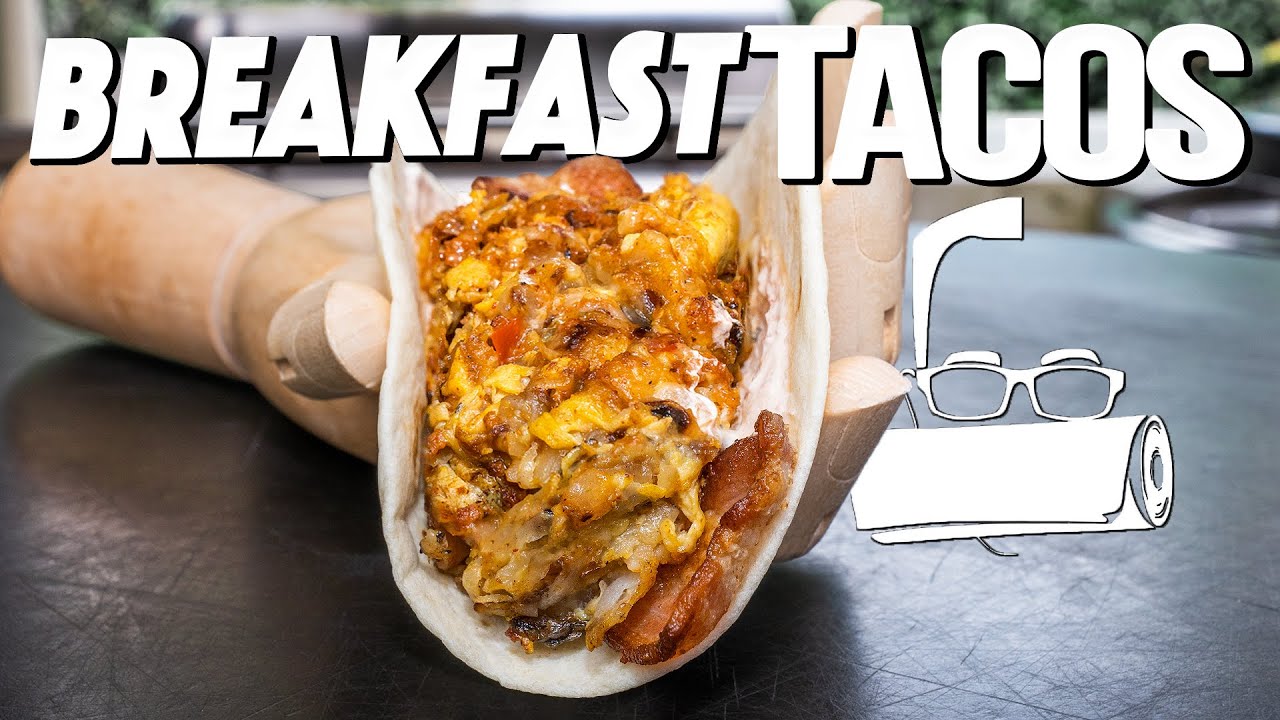
“Most breakfast tacos fail before anyone takes a bite. Overcooked eggs, cold tortillas, and bacon that went limp the second it hit the filling. The fix isn't a better recipe — it's a better sequence. Cook components in the right order, hold heat correctly, and assemble at the last possible second. Thirty minutes is all it takes to get this right.”
Why This Recipe Works
Breakfast tacos are structurally simple. One pan, eight components, thirty minutes. And yet the failure rate in home kitchens is staggeringly high — rubbery eggs, cracking tortillas, fillings that collapsed into soup before anyone sat down. The problem is never the ingredients. It's the sequence. Most people treat this as a simultaneous cook, running multiple things at once with no prioritization logic. That's not cooking — that's controlled chaos with a twenty percent success rate.
This recipe runs on a strict sequential framework. Each component finishes before the next begins. Timing is non-negotiable. If you follow the order, the result is repeatable every time. If you don't, you're gambling with breakfast.
The Pan Choice Is Not Decorative
The foundation of this entire build is the pan you start with. A large cast iron skillet or a heavyweight stainless skillet is the only acceptable option here, and the reason is thermodynamic, not stylistic. Bacon renders at high heat. Vegetables need sustained, even heat to drive off moisture. Eggs require medium, carefully controlled heat to form proper curds. A thin non-stick pan cannot hold heat across that range without developing hot spots that burn bacon edges while leaving fat pools in the center. Cast iron and stainless retain and distribute heat evenly across the full cooking surface. That consistency is what allows you to cook three different components in the same pan without scorching any of them.
This also means you don't wash the pan between stages. Every residual compound left from the bacon — the rendered fat, the Maillard browning, the salt — becomes the seasoning base for every vegetable and egg that follows. Washing that away and starting fresh is the culinary equivalent of throwing away your mise en place. Don't do it.
The Bacon Render Establishes the Flavor Base
The first step is not optional and cannot be rushed. Chopped bacon in a cold pan, brought up to medium-high heat, stirred occasionally until every piece is browned and crispy — approximately seven to eight minutes. The goal is full fat render with full Maillard development. Pale bacon that hasn't browned properly contributes almost no flavor compound to the pan. Burned bacon contributes bitter, acrid compounds that carry through every subsequent ingredient.
The moment the bacon transfers to a paper towel-lined plate to drain, the clock starts on everything else. One tablespoon of bacon fat stays in the pan. That's the exact quantity that seasons without oversaturating. More turns the eggs greasy. Less leaves the vegetables cooking in nothing.
Vegetable Moisture Is the Variable Most People Ignore
Bell pepper and spinach are roughly 90 percent water by weight. At cooking temperature, that water evaporates — but only if you give it enough time and heat to leave. Add the onion to the hot bacon fat and let it go translucent in three to four minutes. Add the bell pepper and let it soften another two to three minutes. Add the spinach last and cook until it has fully wilted and the aggressive steaming from the pan has quieted.
That shift in sound — from loud, moisture-heavy sizzling to a quieter, drier sizzle — is your signal. The pan looks almost dry. The spinach is fully collapsed. The vegetables have released their water and it has evaporated. This matters because if you add eggs to a pan still full of vegetable moisture, the eggs cook in liquid instead of fat. Steam-cooked eggs produce weak, wet curds that fall apart in the taco. Fat-cooked eggs produce structured, tender curds that hold their shape. The moisture has to go first.
Egg Technique Is the Most Consequential Step
Crack all eight eggs into a medium mixing bowl, add the salt, pepper, and garlic powder, then whisk vigorously until the mixture is uniform and slightly frothy. The froth is not incidental — it indicates you've incorporated air into the protein matrix, which translates to lighter, more tender curds in the pan. A fork does not achieve the same result. Vigorous whisking for thirty to forty-five seconds with a proper whisk creates the structural precondition for soft scramble.
Reduce heat to medium before the eggs go in. Pour the egg mixture over the vegetables. Now switch to your thin flexible silicone spatula and do not move aggressively. The method is fold-and-wait: push from the outer edge of the pan toward the center, let the eggs sit undisturbed for thirty seconds, push again from a different edge, wait again. You are allowing large curds to form and partially set before you disturb them. A stiff spatula mashes forming curds into uniform, homogeneous paste — that's French bistro eggs, not taco eggs. A thin flexible spatula guides without crushing. The distinction matters.
The critical pull point: remove the pan from heat when the eggs still look slightly underdone and wet. There will still be glossy, unset portions. This is correct. The residual heat stored in the cast iron or stainless pan — and in the hot vegetables themselves — continues cooking the eggs for sixty to ninety seconds after the burner turns off. By the time those eggs reach the tortilla, they are perfectly set. If you wait until they look done in the pan, they will be overcooked in the taco. This is the most common failure in the entire recipe, and it is entirely a timing discipline problem, not a skill problem.
Tortilla Timing Is Not Optional
A tortilla that has been sitting on a plate for five minutes is not a warm tortilla. It is a cold tortilla that was warm five minutes ago. The thermal mass of a 6-inch corn or flour tortilla is almost nothing. It goes from ambient to warm in fifteen seconds over a gas flame, and it returns to ambient in approximately two minutes. This means tortilla warming happens immediately before assembly — not before you start the eggs, not while the eggs are cooking, not whenever is convenient. Immediately before. If you're working alone, pull the eggs off heat, warm the tortillas, and assemble within ninety seconds.
Corn tortillas warmed directly over an open flame pick up light char and develop a distinct earthiness that flour tortillas cannot replicate. Flour tortillas are more pliable and more forgiving of a thirty-second delay. Neither is wrong. They are different flavor and texture profiles for different preferences. The technique is identical.
Assembly Sequence and the Role of Acid
Hot filling on warm tortilla. Cheese goes on first, directly against the hot eggs, so residual heat from the filling melts it partially without requiring any additional cooking. Cold toppings — diced avocado, salsa, fresh cilantro — go on last, providing thermal and textural contrast to the hot egg mixture. Avocado and salsa applied during cooking or too early in the assembly process release moisture that turns the tortilla soft within two to three minutes. Cold, fresh, applied at the last second.
The lime squeeze is not a garnish. Acid applied to fat is a flavor mechanism, not decoration. The egg yolks, bacon fat, cheese, and avocado are all lipid-heavy components. A squeeze of fresh lime at service provides the citric acid that cuts through that fat, resets the palate, and lifts flavors that would otherwise read as heavy and one-dimensional. Use it. Every time. It takes three seconds and changes the entire finish of the taco.
Why Sequence Beats Skill
Every failure mode in this recipe — rubbery eggs, soggy tortillas, wet filling, flavorless vegetables — traces back to skipping a step, rushing a step, or running steps in the wrong order. The technique required at each individual stage is low. The bacon is straightforward. Whisking eggs is straightforward. The scramble fold is learnable in one attempt. What requires discipline is the sequence: bacon out before vegetables in, vegetables dry before eggs in, eggs off heat before they look done, tortillas warmed immediately before assembly, toppings on cold at the last possible second.
Follow the order. The result is consistent. Deviate from the order, and you get the taco you've always gotten — the one you eat over the sink.
Where Beginners Mess This Up
Before we start, read this. These are the 4 reasons your breakfast tacos that actually work (20-minute morning masterclass) will fail:
- 1
Overcooking the scrambled eggs: Eggs continue cooking from residual heat after you pull them off the burner. If they look done in the pan, they're overdone in the taco. Pull them when they're just set and still slightly glossy — the carry-over heat finishes the job. Rubbery eggs are the most common breakfast taco failure, and it's entirely avoidable.
- 2
Assembling on cold tortillas: A cold tortilla cracks when you fold it and kills the texture of everything inside. Warm them directly over a gas flame or in a dry skillet immediately before assembly — not 5 minutes before, immediately before. They go cold fast.
- 3
Adding toppings too early: Avocado, salsa, and cilantro go on at the last second. Added during assembly too far in advance, they release moisture that turns the egg filling wet and the tortilla soggy within two minutes. Mise en place matters here.
- 4
Cooking the vegetables without driving off moisture: Spinach and bell pepper hold a significant amount of water. If you don't cook them long enough to evaporate that moisture before adding the eggs, the filling turns into a wet scramble. The moisture evaporates — that's the goal — so don't rush the vegetable step.
The Video Reference Library
Want to see it in action? Here are the exact videos we analyzed and combined to build this foolproof recipe translation:
The primary reference video covering the full build from bacon render to final assembly. Pay attention to the egg texture at the pull point — it should look wetter than you think is correct.
🛠️ Core Equipment
- Large cast iron or stainless skilletEven heat across the full base matters for cooking bacon, vegetables, and eggs in sequence without scorching. A thin non-stick pan has hot spots that unevenly cook the eggs.
- Spatula with a thin, flexible edgeGentle folding — not aggressive stirring — is what keeps scrambled eggs creamy. A stiff spatula mashes the curds. A thin silicone spatula guides them.
- Medium mixing bowl and whiskWhisking eggs vigorously until slightly frothy incorporates air, which translates to lighter, softer curds in the pan. A fork doesn't achieve the same result.
- Paper towel-lined plateBacon needs to drain immediately after cooking. Leaving it in the pan continues rendering fat and turns crispy bacon into greasy bacon.
Breakfast Tacos That Actually Work (20-Minute Morning Masterclass)
🛒 Ingredients
- ✦8 large eggs
- ✦6 slices bacon or turkey bacon, chopped
- ✦1 medium yellow onion, finely diced
- ✦1 red bell pepper, diced
- ✦1 cup fresh spinach, roughly chopped
- ✦1 cup shredded cheddar cheese or Mexican blend
- ✦8 whole wheat or corn tortillas, 6-inch
- ✦3 tablespoons unsalted butter
- ✦1/2 teaspoon sea salt
- ✦1/4 teaspoon black pepper
- ✦1/4 teaspoon garlic powder
- ✦1/2 cup fresh cilantro, chopped
- ✦1 lime, cut into wedges
- ✦1/2 cup diced avocado
- ✦1/2 cup salsa or pico de gallo
- ✦2 tablespoons olive oil
👨🍳 Instructions
01Step 1
Cook the chopped bacon in a large skillet over medium-high heat, stirring occasionally, until crispy and browned, about 7-8 minutes.
02Step 2
Transfer the cooked bacon to a paper towel-lined plate. Leave about 1 tablespoon of bacon fat in the skillet.
03Step 3
Add the diced yellow onion to the same skillet over medium-high heat and sauté for 3-4 minutes until translucent and fragrant.
04Step 4
Stir in the diced red bell pepper and cook for another 2-3 minutes until slightly softened.
05Step 5
Add the roughly chopped spinach and cook for 1-2 minutes, stirring frequently, until wilted and any excess moisture has evaporated.
06Step 6
Crack all 8 eggs into a medium bowl, add sea salt, black pepper, and garlic powder, then whisk vigorously until well combined and slightly frothy.
07Step 7
Pour the egg mixture into the skillet with the vegetables and reduce heat to medium.
08Step 8
Gently scramble with a spatula, pushing from the edges toward the center every 30 seconds, for 4-5 minutes until the eggs are just set but still slightly creamy.
09Step 9
Fold the cooked bacon back into the eggs and remove the skillet from heat.
10Step 10
Warm the tortillas directly over a gas flame for 10-15 seconds per side, or wrap in a damp paper towel and microwave for 30 seconds until pliable.
11Step 11
Assemble each taco by spooning the egg mixture onto a warm tortilla, then top with shredded cheese, diced avocado, salsa, and fresh cilantro.
12Step 12
Serve immediately with lime wedges for squeezing over the top.
Nutrition Per Serving
Estimates based on standard preparation. Adjustments alter macros.
🔄 Substitutions
Instead of Bacon...
Use Turkey bacon or plant-based breakfast sausage
Slightly leaner with comparable crispiness. Renders less fat, so add a tablespoon of olive oil to the pan before cooking the vegetables.
Instead of Whole wheat or corn tortillas...
Use Sprouted grain or low-carb tortillas
Nuttier, earthier flavor. Sprouted grain tortillas are firmer and hold up better to wet fillings.
Instead of Cheddar cheese...
Use Greek yogurt mixed with nutritional yeast
Tangy, creamy, significantly less saturated fat. Add it after the eggs come off the heat — it doesn't need to melt, just warm through.
Instead of Unsalted butter...
Use Olive oil or ghee
Ghee has a higher smoke point and is better for the initial bacon fat replacement. Olive oil adds a mild Mediterranean note that works well with the egg and vegetable combination.
🧊 Storage & Reheating
In the Fridge
Store the egg-bacon filling separately from toppings in an airtight container for up to 3 days. Do not store assembled tacos — the tortillas turn soggy.
In the Freezer
Freeze the cooked egg filling in portions for up to 1 month. Do not freeze avocado or fresh salsa.
Reheating Rules
Reheat the filling in a covered skillet over low heat with a splash of water for 3-4 minutes. Microwave works but tends to tighten the eggs. Warm fresh tortillas and add cold toppings after reheating.
❓ Frequently Asked Questions
Why are my scrambled eggs rubbery in the tacos?
You cooked them too far in the pan. Eggs carry over-cook from residual heat — pull them when they're still slightly glossy and underdone. By the time they hit the tortilla, they'll be perfectly set.
Can I make breakfast tacos ahead of time?
The filling yes, the assembled tacos no. Cook the egg-bacon-vegetable mixture, refrigerate it, and reheat to order. Warm fresh tortillas and add cold toppings at assembly time. Assembled tacos sitting more than 5 minutes become soggy.
Corn tortillas or flour tortillas?
Corn for flavor and authenticity — they char beautifully over an open flame and have a distinct earthiness. Flour for practicality — they're more pliable, less prone to cracking, and more forgiving if you let them cool slightly before assembling. Both work.
How do I keep avocado from browning if I'm prepping ahead?
Don't. Dice the avocado immediately before assembly. No amount of lime juice or plastic wrap fully prevents browning once it's cut. Pre-sliced avocado held overnight turns gray and loses texture regardless of technique.
Can I add potatoes to this?
Yes — diced and pan-fried potatoes are a classic breakfast taco addition. Cook them first in olive oil before the bacon, since they take longer. Use small dice so they cook through before the exterior over-browns.
What salsa works best here?
Pico de gallo (fresh tomato, onion, cilantro, lime, jalapeño) for brightness and texture contrast. Cooked salsa verde for a tangy, roasted note. Both are correct. Store-bought jarred salsa works fine — just drain excess liquid before adding to avoid a wet taco.
The Science of
Breakfast Tacos That Actually Work (20-Minute Morning Masterclass)
We turned everything on this page into a beautiful, flour-proof PDF cheat sheet. Print it out, stick it to your fridge, and never mess up your breakfast tacos that actually work (20-minute morning masterclass) again.
*We'll email you the high-res PDF instantly. No spam, just perfectly cooked meals.
AlmostChefs Editorial Team
We translate the internet's most popular cooking videos into foolproof, beginner-friendly written recipes. We analyze multiple methods, test them in our kitchen, and engineer a single "Master Recipe" that gives you the best possible result with the least possible stress.