Crispy Beef Taquitos (The Roll-and-Fry Method That Actually Holds)
Tight-rolled corn tortillas stuffed with seasoned ground beef, fried until shatteringly crisp, and served with avocado crema and salsa. We broke down the most-watched YouTube taquito methods to nail the tortilla prep step that keeps them from splitting open in the oil.
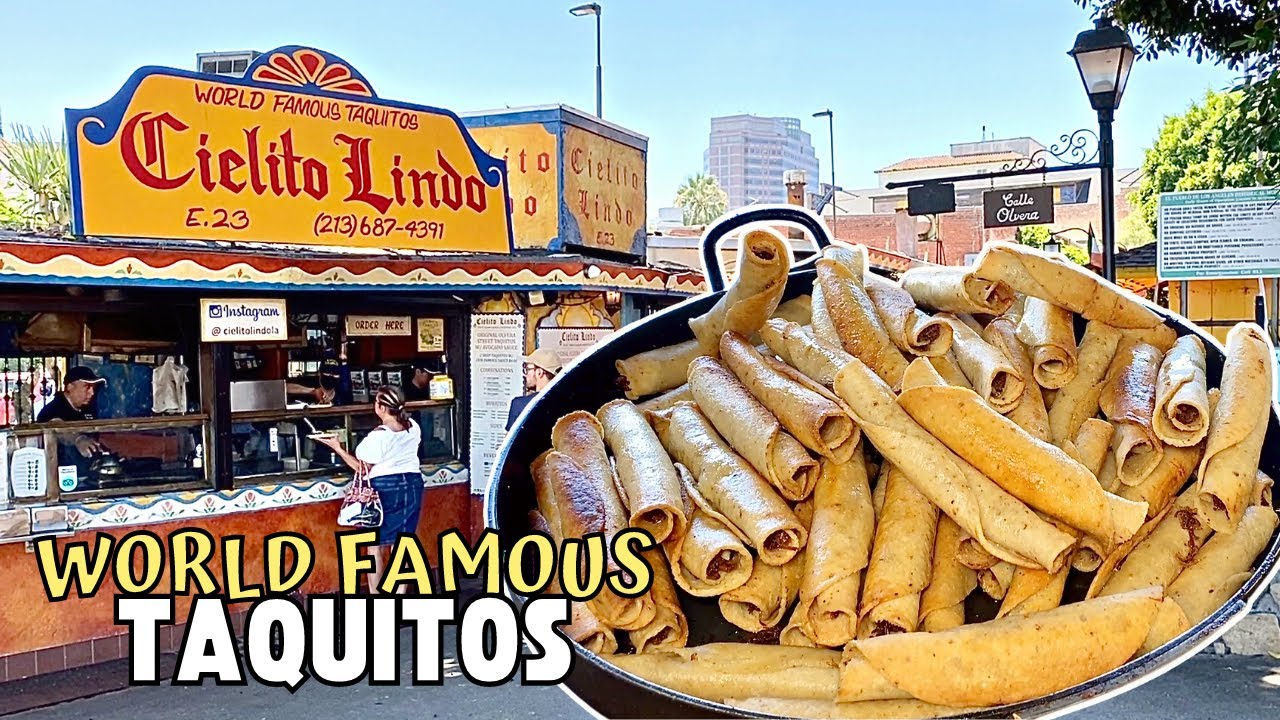
“Taquitos have one job: stay rolled and get crispy. Most home versions fail at both. The tortilla splits down the seam, the filling falls out, and you end up with a greasy corn scramble instead of a clean, crackling cylinder. The fix is not a better filling — it's a thirty-second tortilla prep step that almost nobody in home cooking talks about. We tested every major YouTube approach and one technique eliminates the split problem entirely.”
Why This Recipe Works
Taquitos are deceptively simple in concept and consistently humbling in execution. The premise is just a rolled tortilla with meat inside, crisped in oil — four ingredients, one technique. But the failure rate in home kitchens is high enough that most people eventually give up and buy frozen. The problem isn't the filling. It's never the filling. The problem is a complete misunderstanding of what corn tortillas are and what they need before they'll cooperate.
The Tortilla Is the Technique
Corn tortillas are made from masa harina — dried, treated corn that has been stone-ground into a dough, pressed flat, and dehydrated. At room temperature, they have the structural flexibility of a stiff cardboard coaster. Ask one to bend 180 degrees around a filling and it will crack along the center and split down the seam with a sound like breaking pottery. This is not a defect. This is just physics.
Heat changes everything. At around 165-175°F, the starch granules in the masa rehydrate and soften, the structure relaxes, and the tortilla becomes a genuinely pliable sheet that rolls cleanly without resistance. You can achieve this with 30-45 seconds in a microwave wrapped in a damp paper towel, or with 10-15 seconds per side directly over a gas burner flame. The flame method develops slight char that adds a smoky complexity to the final taquito — it's worth the extra effort. What you cannot do is skip the step entirely and assume the hot oil will compensate. By the time the oil reaches the problem, the seam has already fractured.
The Filling Equation
The ground beef filling operates on a simple moisture equation: moist enough to be cohesive, dry enough to not generate internal steam. Tomato paste and beef broth add richness and depth, but they need to cook down until the mixture holds its shape when scooped. A wet filling does two things wrong simultaneously — it makes the tortilla soggy from the inside before it even hits the oil, and it creates steam pressure during frying that blows the seam open from within. Four minutes of simmering after the liquid goes in is not a suggestion. It's the step that separates rolls that hold from rolls that explode.
The cheese matters more than most taquito recipes acknowledge. Monterey Jack melts into a smooth, slightly stringy matrix that binds the filling together into a unified mass. Sharp cheddar adds flavor complexity and a slightly firmer set. Together, they act as a structural adhesive — when you bite through the crispy shell, the filling stays together rather than crumbling out the ends. Fold the cheese into the hot filling off heat and let the residual temperature do the melting.
Frying as Engineering
The deep skillet you fry in is not interchangeable with whatever pan is nearest. You need at least 2 inches of oil depth — enough to fully submerge the taquito — and you need a heavy base that maintains its temperature when cold taquitos enter the oil. Each taquito you add to the pan drops the oil temperature. A thin pan can lose 40-50 degrees instantly and never recover between batches. A thick, heavy pan drops 10-15 degrees and rebounds within 90 seconds.
Temperature is everything. At 360°F, the surface moisture of the tortilla vaporizes on contact, creating a thin steam barrier that temporarily prevents oil absorption while the exterior crisps. Drop that temperature to 320°F and the steam barrier never forms — the oil saturates the tortilla like a sponge. An instant-read thermometer is not optional equipment here. It is the difference between crispy and greasy, and there is no reliable visual substitute.
Seam-side down, always. The first 60-90 seconds in oil sets the exterior of the tortilla into a rigid shell. If the seam faces down during this window, the oil immediately locks it closed. If the seam faces up, the roll unravels before the shell sets and you spend the next three minutes trying to corral a pile of seasoned beef across the bottom of your pan.
Why the Wire Rack Is Non-Negotiable
Paper towels drain oil but trap steam. The moisture that just cooked out of the taquito has to go somewhere — and if the bottom surface is resting on an absorbent surface, that steam condenses and re-softens the crispy shell from underneath within 60 seconds. A wire rack over a sheet pan allows airflow on all sides simultaneously, preserving the crunch that you just spent 20 minutes engineering. This is the same principle behind resting roasted chicken on a rack rather than a cutting board. Steam is the enemy of crispiness, and the rack is your defense.
The avocado crema is not garnish. The acidity and fat in the crema cut through the richness of the fried tortilla and seasoned beef in a way that salsa alone doesn't. Blend it smooth, thin it to a drizzle consistency, and apply it liberally. The contrast between the cold, tangy crema and the hot, shatteringly crisp taquito is what turns a simple fried snack into something worth making from scratch.
Where Beginners Mess This Up
Before we start, read this. These are the 4 reasons your crispy beef taquitos (the roll-and-fry method that actually holds) will fail:
- 1
Rolling cold tortillas: Cold corn tortillas crack immediately when you try to roll them. The masa needs to be warm and pliable before you roll — either steamed in a damp paper towel or quickly charred directly over a gas flame for 10-15 seconds per side. If you skip this step, the tortilla fractures along the seam as soon as it hits hot oil and the filling escapes into the pan.
- 2
Overfilling the taquito: More filling feels intuitive but it's the second most common failure. An overfilled taquito cannot roll tightly, the seam gaps, and the opening faces the hot oil. Two tablespoons of filling per tortilla is the hard ceiling. Roll tight, seam-side down, and the oil pressure actually holds the roll closed.
- 3
Oil that isn't hot enough: Frying in oil below 350°F produces soggy, oil-saturated taquitos instead of crispy ones. The surface moisture needs to flash-vaporize the instant the taquito hits the oil. If it doesn't — if you hear a gentle sizzle instead of an aggressive one — the taquito is absorbing oil rather than repelling it. Use a thermometer.
- 4
Frying seam-side up: Place the taquito seam-side down in the oil for the first 60 seconds. The hot oil instantly sets the outer layer of tortilla, locking the roll closed. If you drop it seam-side up, there's nothing holding the seam and it unravels before the exterior crisps.
The Video Reference Library
Want to see it in action? Here are the exact videos we analyzed and combined to build this foolproof recipe translation:
The foundational video behind this recipe. Exceptional close-up of the tortilla warming technique and the seam-side-down frying method that keeps every roll intact.
Covers the filling seasoning ratios and the importance of draining fried taquitos on a wire rack instead of paper towels. Clear temperature guidance throughout.
Stripped-down approach focused on speed without sacrificing crispiness. Good reference for the minimal-filling technique and assembly line rolling method.
🛠️ Core Equipment
- Deep-sided skillet or Dutch ovenAt least 3 inches of oil depth is required so the taquito is fully submerged and cooks evenly on all sides. A shallow pan means the top surface steams instead of fries — half crispy, half soggy.
- Instant-read or candy thermometerOil temperature is the single most important variable in frying. Visual cues (small bubbles, surface shimmer) are unreliable. A thermometer is the only way to confirm you're at 350-375°F before the first taquito goes in.
- Wire cooling rack over a sheet panDraining taquitos on paper towels traps steam underneath and softens the bottom side within 60 seconds of coming out of the oil. A wire rack lets air circulate all around, preserving the crunch.
- TongsPrecise control for placing taquitos seam-side down, turning them without dropping them, and pulling them out without piercing the crispy shell. Avoid forks — they puncture and the oil enters the filling.
Crispy Beef Taquitos (The Roll-and-Fry Method That Actually Holds)
🛒 Ingredients
- ✦1 pound ground beef (80/20)
- ✦16 small corn tortillas (6-inch)
- ✦1 cup shredded Monterey Jack cheese
- ✦1/2 cup shredded sharp cheddar cheese
- ✦1/2 yellow onion, finely diced
- ✦3 garlic cloves, minced
- ✦1 tablespoon chili powder
- ✦1 teaspoon ground cumin
- ✦1/2 teaspoon smoked paprika
- ✦1/4 teaspoon garlic powder
- ✦1/4 teaspoon onion powder
- ✦1/2 teaspoon dried oregano
- ✦2 tablespoons tomato paste
- ✦1/4 cup beef broth
- ✦1 teaspoon Worcestershire sauce
- ✦Kosher salt and black pepper to taste
- ✦Neutral oil for frying (canola or vegetable)
- ✦1 ripe avocado
- ✦1/2 cup sour cream
- ✦2 tablespoons fresh lime juice
- ✦1/4 cup fresh cilantro, roughly chopped
- ✦Salsa verde or red salsa, for serving
👨🍳 Instructions
01Step 1
Brown the ground beef in a large skillet over medium-high heat, breaking it into small crumbles. Drain excess fat, leaving about 1 tablespoon in the pan.
02Step 2
Add the diced onion to the beef and cook for 3-4 minutes until softened. Add the minced garlic and cook for another 60 seconds until fragrant.
03Step 3
Add chili powder, cumin, smoked paprika, garlic powder, onion powder, and oregano. Stir to coat the meat, then add the tomato paste, beef broth, and Worcestershire sauce. Simmer for 3-4 minutes until the liquid is mostly absorbed and the mixture is moist but not wet.
04Step 4
Remove from heat. Fold in the shredded Monterey Jack and cheddar. The residual heat will melt the cheese into the filling. Season with salt and pepper. Let cool for 5 minutes.
05Step 5
Warm the corn tortillas in batches: wrap 4 at a time in a damp paper towel and microwave for 30-45 seconds, or char each one directly over a gas burner for 10-15 seconds per side using tongs. Keep warm under a clean towel.
06Step 6
Place 2 tablespoons of beef filling in a line along the lower third of a warm tortilla. Roll tightly away from you, keeping the filling compressed, and set seam-side down on a baking sheet. Repeat with remaining tortillas.
07Step 7
Pour 2 inches of neutral oil into a deep skillet or [Dutch oven](/kitchen-gear/review/dutch-oven) and heat over medium-high to 360°F. Use a [thermometer](/kitchen-gear/review/instant-read-thermometer) to confirm the temperature.
08Step 8
Working in batches of 4-5, carefully place taquitos seam-side down in the hot oil. Fry for 2-3 minutes on the first side until deep golden, then turn with [tongs](/kitchen-gear/review/tongs) and fry 1-2 minutes on the remaining sides.
09Step 9
Transfer fried taquitos to a [wire rack](/kitchen-gear/review/wire-cooling-rack) set over a sheet pan. Never paper towels.
10Step 10
Blend the avocado, sour cream, lime juice, and cilantro with a pinch of salt until smooth. Add water a teaspoon at a time to reach a drizzleable consistency.
11Step 11
Serve taquitos immediately with avocado crema and salsa on the side. They lose crunch within 10 minutes of coming out of the oil — serve fast.
Nutrition Per Serving
Estimates based on standard preparation. Adjustments alter macros.
🔄 Substitutions
Instead of Ground beef...
Use Shredded rotisserie chicken
Pull the chicken while still warm and season with the same spice blend. Slightly drier filling — add an extra tablespoon of broth. A classic alternative that many prefer.
Instead of Corn tortillas...
Use Small flour tortillas
Flour tortillas don't need warming — they roll easily cold. The texture is softer and slightly chewy rather than crispy-shatter. Not traditional but more forgiving for beginners.
Instead of Monterey Jack and cheddar...
Use Oaxaca cheese or queso quesillo
Melts more evenly and pulls into strings. Slightly milder flavor. Tear into strips before folding into the warm filling.
Instead of Sour cream in crema...
Use Full-fat Greek yogurt
Nearly identical consistency and tang. Lower fat content makes the crema slightly thinner — reduce the water addition accordingly.
🧊 Storage & Reheating
In the Fridge
Store unfried rolled taquitos (covered) for up to 24 hours. Cooked taquitos keep for 3 days in an airtight container but will soften significantly.
In the Freezer
Freeze unfried taquitos in a single layer on a sheet pan until solid, then transfer to a zip bag. Fry from frozen at 350°F for 4-5 minutes — they go directly from freezer to oil with no thawing.
Reheating Rules
Re-crisp leftover cooked taquitos in a 400°F oven on a wire rack for 8-10 minutes. The air fryer at 375°F for 5 minutes also works well. Microwaving produces a soft, sad cylinder — avoid it.
❓ Frequently Asked Questions
Why do my taquitos keep unrolling in the oil?
Two causes. First, the filling may be too wet — it creates steam pressure that pushes the roll open from the inside. Second, you may be placing them seam-side up. Always lay taquitos seam-side down for the first 60-90 seconds so the oil sets the exterior before the seam can open.
Can I bake these instead of frying?
Yes. Brush generously with oil and bake at 425°F on a wire rack for 18-22 minutes, turning halfway. They'll be crispy but not shattering — more of a baked crunch than a fried snap. Spray oil works better than brushed oil for even coating.
How do I keep the tortillas from cracking when I roll them?
They're not warm enough. Corn tortillas must be fully pliable before rolling — they should bend completely flat without any resistance. If you see any cracking, add 15 more seconds of microwave time or another pass over the burner flame.
What oil is best for frying taquitos?
Any neutral high-smoke-point oil works: canola, vegetable, peanut, or avocado oil. Olive oil is not appropriate — its lower smoke point and strong flavor both cause problems at 360°F frying temperatures.
Can I make these ahead for a party?
Roll them a day ahead and refrigerate unfried. Fry in batches as guests arrive. They're at peak crunch for about 8 minutes after coming out of the oil, so stagger your frying rather than making them all at once.
Why is my filling falling out when I bite in?
You're overfilling. Two tablespoons is the hard limit for a 6-inch tortilla. More filling than that prevents a tight roll, which means a loose seam, which means the filling has an exit. Roll tight enough that the tortilla overlaps itself by at least half an inch.

The Science of
Crispy Beef Taquitos (The Roll-and-Fry Method That Actually Holds)
We turned everything on this page into a beautiful, flour-proof PDF cheat sheet. Print it out, stick it to your fridge, and never mess up your crispy beef taquitos (the roll-and-fry method that actually holds) again.
*We'll email you the high-res PDF instantly. No spam, just perfectly cooked meals.
AlmostChefs Editorial Team
We translate the internet's most popular cooking videos into foolproof, beginner-friendly written recipes. We analyze multiple methods, test them in our kitchen, and engineer a single "Master Recipe" that gives you the best possible result with the least possible stress.