30-Minute Beef Stir Fry (Wok Results Without the Wok)
Tender seared flank steak and crisp vegetables tossed in a glossy savory sauce — all in under 30 minutes. We broke down the most common stir fry failures to build one reliable weeknight method that delivers actual restaurant texture without a commercial burner.
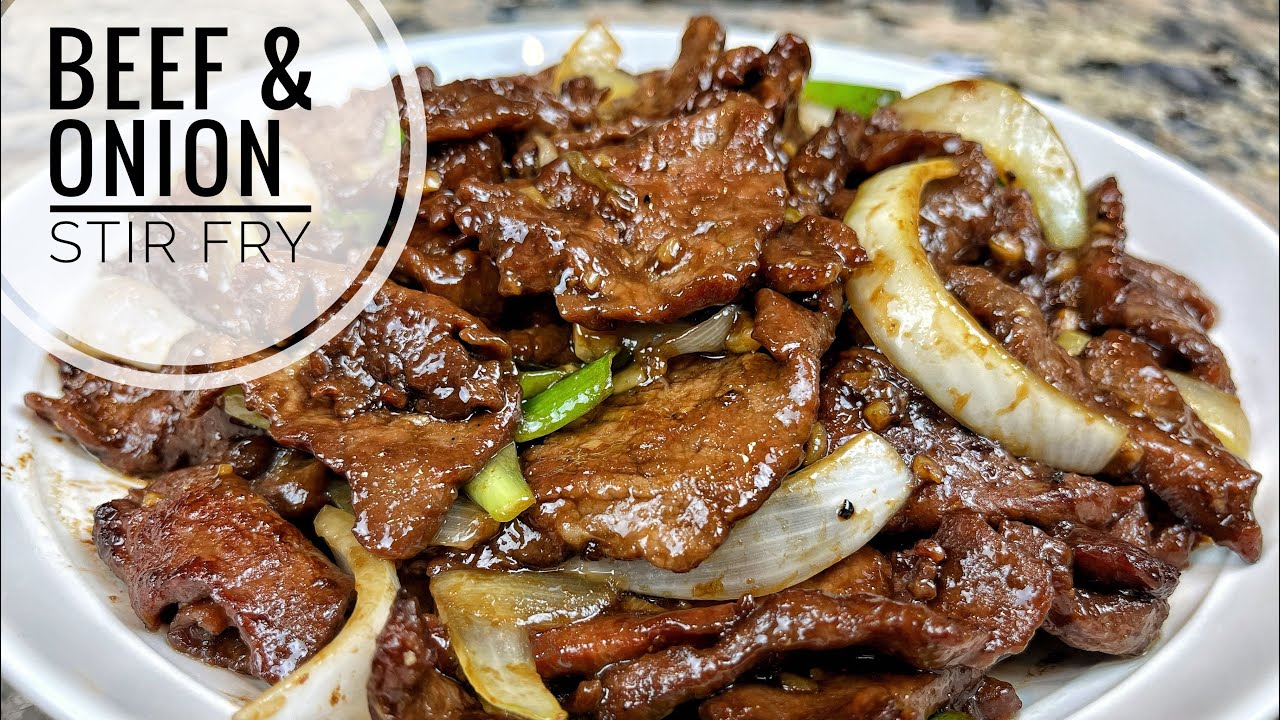
“Every stir fry recipe promises 30 minutes and restaurant quality. Most deliver gray, steamed beef sitting in a watery puddle next to limp broccoli. The gap between what you imagine and what lands on the table almost always comes down to the same three mistakes: wet beef, overcrowded pan, and sauce added too early. Fix those three things and stir fry becomes the most reliable weeknight dinner in your rotation.”
Why This Recipe Works
Stir fry is the most lied-about cooking technique in the home kitchen. Every recipe claims "30 minutes, restaurant quality" and then produces gray beef swimming in thin, salty water next to vegetables that have given up entirely. The problem isn't the recipe. The problem is physics, and once you understand it, the fix is permanent.
The Heat Problem
A restaurant wok burner runs at 150,000 BTU. Your home stove runs at 10,000-15,000 BTU on its best day. This gap is not cosmetic — it is the entire reason restaurant stir fry tastes different from yours. The professionals call the flavor produced by extreme heat "wok hei," literally "breath of the wok": a complex, slightly smoky char that develops when food hits a surface hot enough to trigger rapid Maillard reactions in under two seconds.
You cannot replicate wok hei at home. Accept this. What you can do is maximize every available BTU, and the single most effective way to do that is to cook less food at once. Piling 1.25 pounds of cold, wet beef into a home pan drops the temperature immediately and you get steamed gray strips instead of seared golden ones. Split the beef into two batches, let the pan recover between them, and you'll get within striking distance of what a restaurant does.
The Beef Equation
Flank steak is the right cut for stir fry because it's lean, has a pronounced grain, and slices into clean strips. That grain matters. Muscle fibers run parallel along the length of flank steak — slice parallel to them and you get long, chewy strands. Slice perpendicular to them, at a slight 45-degree bias, and you cut through the fibers, creating short-grained pieces that are tender from first bite. This is the technique that makes restaurant beef taste different from home beef, and it costs nothing but attention.
The cornstarch coating serves two functions. First, it creates a thin, dry surface on each slice that browns faster than bare meat. Second, when the seared beef goes back into the pan with the sauce, the cornstarch dissolves into the liquid and activates as a thickener. You're not coating the beef and making a separate cornstarch slurry — the coating is the slurry. One ingredient doing two jobs.
The Vegetable Sequence
Stir fry vegetables fail when they all go in together. Broccoli is dense and needs 3-4 minutes at high heat. Snap peas are thin and need 60 seconds. Water chestnuts need nothing — they're already cooked in the can and you're just warming them through. Add everything at once and you're compromising: either the broccoli is raw or the snap peas are mush.
The sequence in this recipe — broccoli first, onion and peppers second, snap peas and water chestnuts last — is not arbitrary. It's calibrated so every vegetable reaches crisp-tender at the same moment the sauce goes in. Follow the order, maintain high heat between additions, and the timing takes care of itself.
The Sauce Window
The sauce has one job: coat everything in a thin, glossy layer that tastes intensely savory. It fails when the pan temperature is wrong. Too cold and the cornstarch never activates — you get wet, gray food. Too much liquid added too early and the steam drops the temperature before the starch can thicken.
The correct sequence is: vegetables done, beef back in, sauce poured over the top while the pan is still screaming hot. Keep everything moving. The sauce should visibly thicken within 60-90 seconds, going from watery to glossy as the cornstarch gelatinizes. If it's not thickening, the pan cooled down — raise the heat immediately and don't stop stirring.
Sesame oil goes in last, off the heat. It's a finishing oil, not a cooking fat — its volatile aromatic compounds evaporate instantly at stir fry temperatures. Add it to the sauce bowl or drizzle it on at serving. Never let it hit the hot cast iron skillet before the food does.
Why This Beats Takeout on a Tuesday
Thirty minutes is real here — not aspirational. The prep is 18 minutes of slicing and measuring. The cook is 12 minutes of high-heat work that moves fast but follows a fixed sequence. Once you've made it twice, you stop looking at the recipe. The method becomes muscle memory: dry the beef, sear in batches, build the vegetables in order, sauce at the end. That's the whole thing. Everything else is details.
Where Beginners Mess This Up
Before we start, read this. These are the 4 reasons your 30-minute beef stir fry (wok results without the wok) will fail:
- 1
Not drying the beef before marinating: Surface moisture is the enemy of browning. When wet beef hits a hot pan, the water vaporizes and the meat steams instead of sears. Pat every slice dry with paper towels before adding the soy-cornstarch coating. This one step is the difference between golden and gray.
- 2
Overcrowding the pan: A home burner delivers 10,000-15,000 BTU. A restaurant wok burner runs at 150,000. When you pile all the beef into the pan at once, the temperature drops immediately and the meat releases moisture rather than searing it in. Cook in two batches, every time, no exceptions.
- 3
Adding sauce too early: The sauce needs to hit a hot, mostly dry pan to thicken properly. If you pour it in while the vegetables are still releasing water, the starch never activates and you get soup instead of a glossy coating. Add the beef back first, then the sauce, and keep the heat high.
- 4
Overcooking the vegetables: Stir fry vegetables should have bite — crisp-tender, not soft. Broccoli goes in first because it's dense. Snap peas and water chestnuts go in last because they need almost no cooking. Respect the vegetable order and everything finishes at the same time.
The Video Reference Library
Want to see it in action? Here are the exact videos we analyzed and combined to build this foolproof recipe translation:
The source video behind this recipe. Clear technique on batching the beef and sauce timing — watch especially for the moment the cornstarch coating turns glossy in the pan.
🛠️ Core Equipment
- Large wok or 12-inch cast iron skilletMaximum surface area for searing without overcrowding. A wok's sloped sides let you push cooked ingredients up the wall while working in batches at the bottom. A [cast iron skillet](/kitchen-gear/review/cast-iron-skillet) retains heat better than a thin nonstick and won't buckle under high heat.
- High-heat neutral oilVegetable, avocado, or refined peanut oil withstand the temperatures required for a proper sear. Olive oil smokes and turns bitter at stir fry temperatures. The oil must be shimmering before anything touches the pan.
- Sharp chef's knifeFlank steak must be sliced thin — against the grain — at a slight bias. A dull [chef's knife](/kitchen-gear/review/chefs-knife) tears the meat fibers instead of cutting cleanly, which means uneven thickness and inconsistent cooking. Paper-thin slices are non-negotiable.
- Small mixing bowlsPrep the sauce and marinade in separate bowls before any heat touches the pan. Stir fry moves fast — if you're measuring soy sauce while the garlic burns, the dish is already ruined. Mise en place is not optional here.
30-Minute Beef Stir Fry (Wok Results Without the Wok)
🛒 Ingredients
- ✦1.25 pounds beef flank steak, thinly sliced against the grain
- ✦3 tablespoons soy sauce, divided
- ✦2 tablespoons cornstarch
- ✦3 tablespoons vegetable oil, divided
- ✦4 garlic cloves, minced
- ✦1.5 tablespoons fresh ginger, minced
- ✦2 medium bell peppers (red and yellow), sliced into strips
- ✦1 medium yellow onion, sliced into wedges
- ✦3 cups fresh broccoli florets
- ✦1 cup snap peas, trimmed
- ✦0.75 cup beef broth
- ✦1.5 tablespoons oyster sauce
- ✦1.5 tablespoons rice vinegar
- ✦1.5 teaspoons sesame oil
- ✦3 scallions, chopped into 1-inch pieces
- ✦0.75 cup water chestnuts, sliced
👨🍳 Instructions
01Step 1
Pat the beef slices dry with paper towels to remove all surface moisture.
02Step 2
Combine 1.5 tablespoons soy sauce with cornstarch in a small bowl. Toss the beef to coat evenly and set aside for 15 minutes.
03Step 3
Whisk together beef broth, remaining 1.5 tablespoons soy sauce, oyster sauce, rice vinegar, and sesame oil in a separate bowl. Set aside.
04Step 4
Heat 1.5 tablespoons vegetable oil in a large wok or skillet over high heat until shimmering, about 2 minutes.
05Step 5
Cook the beef in two batches: sear each batch for 2-3 minutes until golden brown on the outside. Transfer to a clean plate.
06Step 6
Add the remaining 1.5 tablespoons oil. Add garlic and ginger, stirring constantly for 30 seconds until fragrant.
07Step 7
Add broccoli florets and cook for 3-4 minutes, tossing frequently, until they brighten and begin to soften slightly.
08Step 8
Add sliced onion and bell peppers. Cook for another 2-3 minutes with constant movement.
09Step 9
Add snap peas and water chestnuts. Toss for 1 minute until just tender-crisp.
10Step 10
Pour the prepared sauce over the vegetables. Return the seared beef to the wok. Stir continuously for 1-2 minutes until the sauce thickens and coats everything in a glossy layer.
11Step 11
Remove from heat. Fold in chopped scallions, reserving a small handful for garnish.
12Step 12
Serve immediately over steamed jasmine or brown rice. Garnish with reserved scallions and an optional drizzle of sesame oil.
Nutrition Per Serving
Estimates based on standard preparation. Adjustments alter macros.
🔄 Substitutions
Instead of Beef flank steak...
Use Chicken breast or turkey breast, thinly sliced
Slightly milder flavor. Cooking time stays the same. Chicken dries out faster than beef so pull it from the pan the moment it loses its pink — no extra time.
Instead of Vegetable oil...
Use Avocado oil
Higher smoke point than most neutral oils, handles stir fry temperatures without issue. Adds no competing flavor. Slightly more expensive but worth it for high-heat cooking.
Instead of Regular soy sauce...
Use Low-sodium soy sauce or tamari
Taste stays nearly identical. You may want an extra half tablespoon to compensate. Tamari is also gluten-free for those who need it.
Instead of Oyster sauce...
Use Mushroom-based oyster sauce or miso paste diluted in water
Mushroom oyster sauce is a clean swap with nearly identical flavor. Miso adds probiotic depth but is saltier — reduce soy sauce slightly when substituting.
Instead of White rice...
Use Brown rice, quinoa, or cauliflower rice
Brown rice adds nuttiness and more fiber. Cauliflower rice cuts carbs significantly but changes the character of the meal. Cook any grain separately — never in the wok.
🧊 Storage & Reheating
In the Fridge
Store in an airtight container for up to 3 days. Keep rice and stir fry separate to prevent the rice from absorbing all the sauce.
In the Freezer
Freeze the beef and vegetable mixture (without rice) for up to 2 months. The vegetables lose some texture but the flavor holds well. Thaw overnight in the fridge.
Reheating Rules
Reheat in a hot skillet with a splash of beef broth or water, stirring frequently, for 3-4 minutes. Microwave works but softens the vegetables — acceptable for a weekday lunch, not ideal for company.
❓ Frequently Asked Questions
Why is my beef chewy and tough?
Two likely causes: you sliced with the grain instead of against it, or you overcooked it. Flank steak has long, visible muscle fibers — slice perpendicular to those fibers, not parallel. And pull the beef from the pan the moment it loses its pink. It finishes cooking when it goes back in with the sauce.
Why is my sauce watery instead of glossy?
The pan temperature dropped when you added the sauce. Cornstarch only thickens when it reaches a high enough temperature — if the pan cooled down from adding cold vegetables or beef, raise the heat immediately and keep stirring. It will come together within 60-90 seconds once the temperature recovers.
Can I make this without a wok?
Yes. A 12-inch cast iron skillet or stainless steel pan works well. The key is surface area and heat retention — whatever pan you use, it needs to be preheated until genuinely hot before the oil goes in. Non-stick pans work but can't handle the highest heat levels, which limits your sear.
Can I prep this in advance?
Yes, and it actually helps. Slice and marinate the beef up to 24 hours ahead. Chop all vegetables and store in separate containers. Make the sauce and refrigerate. On the night you cook, everything is 12 minutes from done.
What vegetables can I swap in?
Almost anything that cooks fast at high heat: zucchini, bok choy, mushrooms, baby corn, thinly sliced carrots. Avoid dense root vegetables like whole carrots or sweet potato — they need too long to cook and they'll be raw while everything else is done.
Do I need to marinate the beef?
The 15-minute cornstarch-soy marinade is quick but important. The cornstarch creates a coating that promotes browning and later thickens the sauce. The soy starts seasoning the meat from the surface in. It's not an overnight situation — 15 minutes is genuinely enough.
The Science of
30-Minute Beef Stir Fry (Wok Results Without the Wok)
We turned everything on this page into a beautiful, flour-proof PDF cheat sheet. Print it out, stick it to your fridge, and never mess up your 30-minute beef stir fry (wok results without the wok) again.
*We'll email you the high-res PDF instantly. No spam, just perfectly cooked meals.
AlmostChefs Editorial Team
We translate the internet's most popular cooking videos into foolproof, beginner-friendly written recipes. We analyze multiple methods, test them in our kitchen, and engineer a single "Master Recipe" that gives you the best possible result with the least possible stress.