The Beef Stew That Actually Gets It Right (Low-and-Slow Mastery)
A deeply flavored, one-pot braised beef stew with tender chuck roast, root vegetables, and herbs cooked low and slow until the collagen breaks down into a naturally velvety sauce. We dissected the most reliable techniques to build one method that delivers fall-apart beef and rich broth every single time.
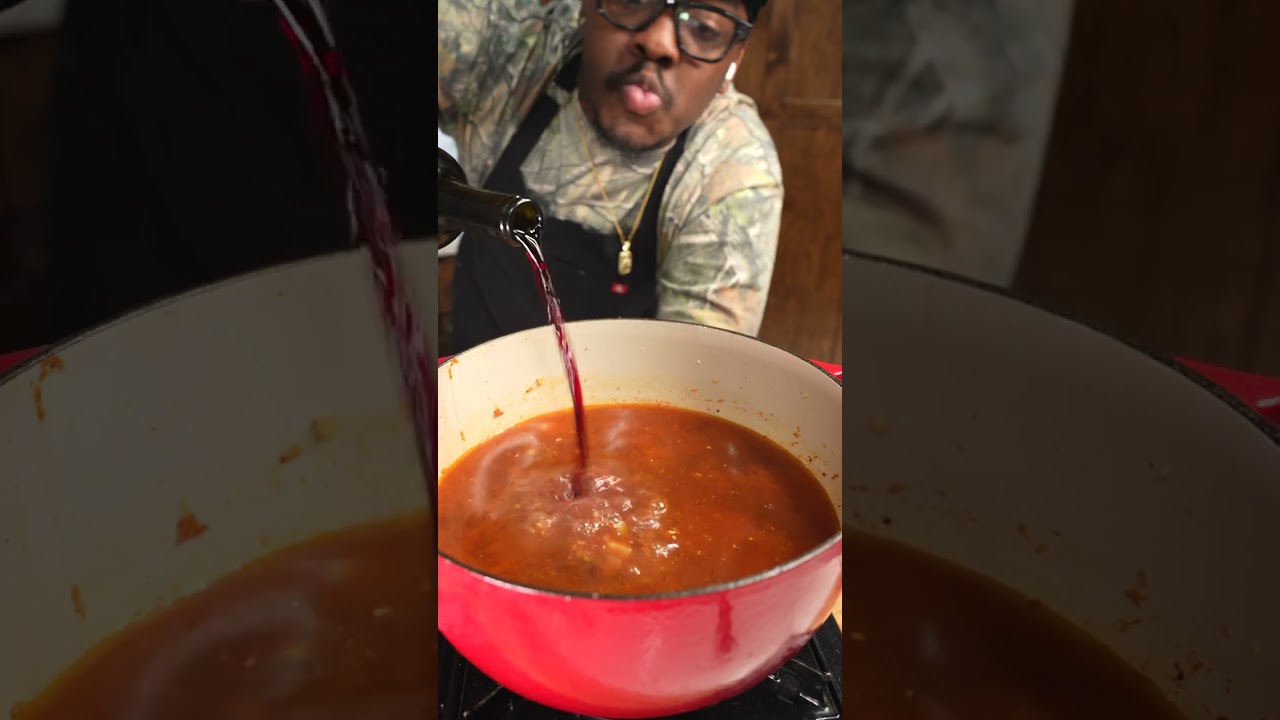
“Most beef stew recipes produce one of two outcomes: dry, stringy beef floating in thin, watery broth, or mushy vegetables in a sauce that tastes like canned soup. The difference between forgettable stew and the kind that makes people ask for the recipe comes down to three things: how dry your beef is before it hits the pan, whether you actually sear in batches, and whether you give the collagen enough time to dissolve. We built this method to eliminate every shortcut that ruins the result.”
Why This Recipe Works
Beef stew is not complicated food. It is patient food. The technique requires no special skill, no difficult knife work, no precision timing — just an understanding of why each step exists and the willingness to not rush it. Most failed beef stew is the direct result of someone deciding that one of the slower steps was optional.
The Sear Is Half the Flavor
Chuck roast has almost no developed flavor on its own. Raw beef tastes like raw beef. The Maillard reaction — the browning that happens when protein and sugars meet high, dry heat — produces hundreds of new flavor compounds in the meat's surface that will dissolve into the broth over the next two hours and become the stew's backbone.
This is why the beef must be completely dry before it touches the pan. Water on the surface boils at 212°F, which means any moisture creates a steam barrier that drops the pan surface temperature below the 300°F needed for browning. Wet beef steams. Steamed beef is grey and flavorless. The paper towels are the difference between a stew with depth and a stew that tastes like boiled meat in brown water.
This is also why you sear in batches. Crowding drops the pan temperature for the same reason — too much cold, wet protein hits the hot surface and the whole thing steams together. Three batches of searing takes about 12 minutes. It is not negotiable.
The Fond Is Not Optional
After the beef comes out, the bottom of the pot is covered in dark brown bits — the caramelized residue of the searing process. These are not burnt. They are concentrated flavor. When you pour in wine or broth and scrape them loose, they dissolve into the liquid and become the stew's flavor foundation. Skipping the deglaze — or worse, washing the pot — means abandoning the most intense flavor source in the entire recipe.
The tomato paste caramelization works the same way. Raw tomato paste tastes acidic and thin. Thirty seconds in a hot pot with drippings converts it to something deeper, almost meaty — a savory layer that doesn't read as tomato in the finished dish but would be immediately missed if absent.
Collagen, Time, and Why Chuck Is Not Negotiable
Beef chuck comes from the shoulder — a heavily worked muscle group packed with intramuscular connective tissue. That connective tissue is collagen, and collagen is the reason low-and-slow braising exists as a technique.
At temperatures between 160°F and 180°F, sustained over time, collagen breaks down into gelatin. Gelatin has no flavor of its own, but it creates body — the quality that makes a broth feel rich and velvety on the palate rather than thin and watery. The chuck in this recipe has enough collagen to produce that effect naturally, without cream, roux, or any thickening agent beyond the flour coating on the beef.
Lean cuts like round, sirloin, or eye of round have almost no intramuscular collagen. At 2.5 hours of braising, they become dry and stringy. There is no technique that compensates for this. Use chuck.
The Potato Problem
Potatoes cooked for 2.5 hours disintegrate. Their starch granules swell and burst and they turn the broth cloudy and thick in an unpleasant way. They go in during the final 45-60 minutes — after the beef is already tender — so they're cooked through but still hold their shape.
If you want to scale this recipe or prep components ahead, you can sear the beef and build the braise a day early, refrigerate it, then add the potatoes when you reheat. The day-old braise has even better flavor, and the potatoes go in fresh.
A Dutch oven is worth mentioning specifically here: the even heat distribution prevents the base from scorching during the long, low simmer while keeping the lid seal tight enough to maintain moisture. A thin stockpot will create hot spots that scorch the bottom while the center simmers too gently. The vessel matters.
The stew takes about three hours from start to finish. It requires attention during the first 20 minutes and almost none after that. The result tastes like you were working all day — because the pot was.
Where Beginners Mess This Up
Before we start, read this. These are the 4 reasons your the beef stew that actually gets it right (low-and-slow mastery) will fail:
- 1
Wet beef that steams instead of sears: If there is any surface moisture on the beef when it hits the pan, it creates steam and the Maillard reaction cannot happen. Steam-cooked beef is grey, flavored like boiled meat, and contributes nothing to the stew's depth. Pat every surface completely dry with paper towels — this takes 90 seconds and accounts for roughly 30% of the final flavor.
- 2
Crowding the pan during searing: Crowding drops the pan temperature immediately and the beef begins to steam in its own released moisture. Three batches feels tedious. It is not optional. Each batch needs full surface contact with a hot pan to develop a deep golden crust, and that crust is the flavor foundation the entire stew builds on.
- 3
Adding potatoes too early: Potatoes cooked for 2.5 hours dissolve. They thicken the broth in an unpleasant, starchy way and lose all texture. They go in during the final 45-60 minutes, after the beef has already done its long work. This is the most common structural error in home stew recipes.
- 4
Skipping the fond deglaze: The brown bits stuck to the pot after searing are concentrated flavor compounds — caramelized proteins and sugars that took high heat to produce. When you pour in the wine or broth and scrape the bottom, those compounds dissolve into the liquid. Skip this step and you lose a significant layer of depth. It takes 90 seconds. Do it.
The Video Reference Library
Want to see it in action? Here are the exact videos we analyzed and combined to build this foolproof recipe translation:
The source video that anchors this recipe. Excellent coverage of the searing technique and why batch cooking is non-negotiable. Clear visual cues for when the beef has proper color.
🛠️ Core Equipment
- Dutch oven or heavy-bottomed potEven heat distribution across the base is critical for a 2.5-hour braise. Thin pots create scorching at the base while the top layer simmers unevenly. A [Dutch oven](/kitchen-gear/review/dutch-oven) is the single most important piece of equipment for this recipe.
- Paper towelsFor drying the beef before searing. This is not optional. Surface moisture is the enemy of the Maillard reaction and you cannot skip this step. Keep a stack on the counter.
- Wooden spoon or flat-edged spatulaFor scraping the fond off the pot bottom during deglazing. A metal spatula works but risks scratching enamel-coated pots. Wood is the safe default for this task.
- Large plate or sheet panFor resting the seared beef between batches. The beef should never go back into the pot until all batches are done and you're ready to braise. Resting also collects juices that go back in with the beef.
The Beef Stew That Actually Gets It Right (Low-and-Slow Mastery)
🛒 Ingredients
- ✦2.5 pounds beef chuck roast, cut into 1 to 2 inch cubes
- ✦3 tablespoons all-purpose flour
- ✦2 tablespoons olive oil
- ✦2 medium yellow onions, finely diced
- ✦3 carrots, cut into 1-inch chunks
- ✦3 celery stalks, diced
- ✦4 cloves garlic, minced
- ✦2 tablespoons tomato paste
- ✦5 cups beef broth or stock
- ✦1 cup dry red wine, optional but strongly recommended
- ✦2 tablespoons Worcestershire sauce
- ✦1.25 pounds Yukon gold potatoes, diced into 1-inch pieces
- ✦3 bay leaves
- ✦2 teaspoons fresh thyme, or 1 teaspoon dried
- ✦1 teaspoon kosher salt, plus more to taste
- ✦0.5 teaspoon freshly ground black pepper, plus more to taste
- ✦2 tablespoons fresh parsley, chopped, for garnish
👨🍳 Instructions
01Step 1
Pat the beef chunks completely dry with paper towels, then toss them in a bowl with the flour, salt, and pepper until evenly coated.
02Step 2
Heat the olive oil in a large heavy-bottomed pot or Dutch oven over medium-high heat until it shimmers, about 2 minutes.
03Step 3
Working in three batches to avoid overcrowding, sear the floured beef for 3 to 4 minutes per side until a deep golden-brown crust forms. Transfer each finished batch to a plate.
04Step 4
Reduce heat to medium. Add the diced onions, carrots, and celery to the pot with the drippings, stirring frequently until softened and the onions turn translucent, about 6 minutes.
05Step 5
Stir in the minced garlic and tomato paste, cooking continuously for 1 minute until fragrant and the paste darkens slightly.
06Step 6
Pour in the red wine, scraping the bottom and sides of the pot with a wooden spoon to lift all the browned bits and fond. Stir for about 2 minutes until the wine reduces slightly.
07Step 7
Return all the seared beef to the pot along with any accumulated plate juices. Pour in the beef broth and Worcestershire sauce and stir well to combine.
08Step 8
Add the bay leaves and thyme. Bring to a gentle simmer, reduce heat to low, cover with a lid, and cook undisturbed for 1.5 hours.
09Step 9
Remove the lid and add the diced potatoes, stirring to distribute them evenly throughout the stew.
10Step 10
Replace the cover and continue simmering on low for another 45 minutes to 1 hour, until the potatoes are tender when pierced with a fork and the beef shreds easily.
11Step 11
Taste and adjust seasoning with additional salt and pepper as needed. Remember that flavors concentrate during a long braise — season conservatively and taste before adding.
12Step 12
Remove and discard the bay leaves. Ladle into bowls and garnish with fresh parsley before serving.
Nutrition Per Serving
Estimates based on standard preparation. Adjustments alter macros.
🔄 Substitutions
Instead of Beef chuck roast...
Use Grass-fed or pasture-raised beef chuck
Slightly richer flavor and improved nutrient profile. No meaningful taste difference — the long braise equalizes most of it. Worth the upgrade if it's available and within budget.
Instead of All-purpose flour...
Use Cornstarch or arrowroot powder in equal amounts
Creates a silkier, more translucent sauce. Slightly less browning on the beef surface, but the flavor holds. Toss the beef in the starch the same way you would flour.
Instead of Red wine...
Use Beef broth mixed with 1 tablespoon balsamic vinegar
The balsamic provides acidity and some depth without the alcohol. Slightly sweeter, slightly less complex. Perfectly respectable result.
Instead of Worcestershire sauce...
Use Tamari or coconut aminos with 1 additional teaspoon tomato paste
Nearly identical savory depth. Slightly less tangy. Gluten-free and suitable for most dietary restrictions. The extra tomato paste compensates for the slight loss of complexity.
🧊 Storage & Reheating
In the Fridge
Store in an airtight container for up to 4 days. The flavor improves significantly after the first night as the collagen and spices continue to meld.
In the Freezer
Freeze in individual portions for up to 3 months. Thaw overnight in the refrigerator before reheating. The potatoes may become slightly grainy after freezing — acceptable but not ideal.
Reheating Rules
Reheat gently in a covered pot on low heat with a splash of broth to loosen the sauce, about 10-15 minutes. Microwave works in a pinch but dries out the beef surface. Stovetop reheating is worth the extra five minutes.
❓ Frequently Asked Questions
Why is my beef still tough after 2 hours?
Beef chuck contains collagen that converts to gelatin between 160-180°F over an extended period. If the heat is too low — a bare simmer with almost no movement — this conversion stalls. Make sure you're seeing occasional gentle bubbles throughout the cook time, not just at the edges. Also check that you used chuck and not a lean cut like round, which cannot tenderize this way regardless of time.
Do I have to use red wine?
No, but the stew is noticeably flatter without it. The wine adds acidity, tannins, and fruit compounds that the broth alone doesn't provide. If you're avoiding alcohol, use beef broth with a tablespoon of balsamic vinegar as a substitute. The balsamic approximates the acid and some of the depth.
Can I make this in a slow cooker?
Yes, but do not skip the stovetop searing and deglazing steps. Transfer everything to the slow cooker after the fond deglaze and cook on low for 7-8 hours or high for 4-5 hours. Add the potatoes in the final 2 hours on low or 1 hour on high. Skipping the sear produces a noticeably weaker result.
Why did my potatoes turn to mush?
They went in too early. Potatoes cannot survive 2.5 hours of simmering — they disintegrate. They go in during the final 45-60 minutes only. If you want an even more forgiving option, use waxy red potatoes instead of Yukon golds; they hold their shape better under prolonged heat.
My broth is too thin. How do I fix it?
Remove the lid and simmer uncovered on medium heat for 10-15 minutes. Evaporation will concentrate the liquid and the starch from the flour coating on the beef will thicken it naturally. Alternatively, whisk a tablespoon of cornstarch with two tablespoons of cold water and stir it in, then simmer for 5 minutes.
Can I add other vegetables?
Yes, but timing matters. Sturdy vegetables like parsnips and turnips can go in with the potatoes. Softer vegetables like peas, green beans, or corn should go in during the final 15-20 minutes only. Mushrooms work well added with the onions at the beginning — they add significant umami depth to the broth.
The Science of
The Beef Stew That Actually Gets It Right (Low-and-Slow Mastery)
We turned everything on this page into a beautiful, flour-proof PDF cheat sheet. Print it out, stick it to your fridge, and never mess up your the beef stew that actually gets it right (low-and-slow mastery) again.
*We'll email you the high-res PDF instantly. No spam, just perfectly cooked meals.
AlmostChefs Editorial Team
We translate the internet's most popular cooking videos into foolproof, beginner-friendly written recipes. We analyze multiple methods, test them in our kitchen, and engineer a single "Master Recipe" that gives you the best possible result with the least possible stress.