Beef Empanada Pie (The One-Pan Latin Weeknight Fix)
Seasoned ground beef with warm spices, green olives, and tomato paste baked inside a golden puff pastry shell. All the architecture of a classic empanada without the individual folding. We stripped it down to one dish, one hour, zero drama.

“Individual empanadas are a weekend project. Crimping forty little pastry pockets is satisfying exactly once, after which it becomes the reason you order delivery instead. This pie format delivers the same spiced beef filling inside the same golden pastry — in a single dish, in under an hour. The only thing you lose is the folding. Everything else stays.”
Why This Recipe Works
The empanada is one of the most logistically annoying foods in the Latin American canon. The filling is simple. The pastry is simple. The crimping of forty individual pockets is a 45-minute project that turns a Tuesday night dinner into a weekend event. This pie format eliminates the bottleneck entirely. One sheet of pastry, one dish, the same filling, the same result in the half the time.
The Filling Foundation
The flavor architecture of empanada filling is built in layers, and the order of operations matters. You start with onion — not to caramelize it, but to soften it into a sweet, translucent base that will dissolve into the beef. Then garlic for exactly 30 seconds, which is the window between fragrant and acrid. Then beef, broken into the finest crumbles you can manage, because uniformly small crumbles hold together as a cohesive slice while large chunks leave structural voids.
After browning comes the drain. 80/20 ground beef releases substantial fat during cooking. Leave it all in and you have an oily filling that turns the pastry bottom into a greasy sponge. Leave one tablespoon for flavor, drain the rest. This is not optional.
The Spice Bloom
The cumin, smoked paprika, and cayenne go in after the drain — directly onto the beef, directly into the residual fat. This is called blooming, and it is the single most important step in the recipe. Spices contain both fat-soluble and water-soluble flavor compounds. When you add them to liquid, you only release the water-soluble fraction. When you add them to fat first, you release both. The perceived intensity roughly doubles with no additional spice quantity. Thirty seconds of constant stirring in hot fat does more for the flavor of this filling than an extra teaspoon of any spice added to the broth.
The tomato paste follows the spices and needs its own 1-2 minutes over heat. Raw tomato paste tastes tinny and flat — it needs to caramelize slightly, shifting from bright red to a deeper brick color, before it contributes the right kind of umami depth. Pour the broth in too soon and you shortcut this step into mediocrity.
The Pastry Problem
Puff pastry is laminated dough — hundreds of alternating layers of butter and flour that create steam during baking, forcing the layers apart into a shatteringly flaky structure. The entire mechanism depends on those butter layers staying cold and solid until they hit the oven. When you spoon hot filling into a cold pastry shell, the butter melts before the oven has a chance to do it properly. The result is a dense, greasy crust with none of the lift. Ten minutes of cooling time for the filling is the only insurance against this failure.
Work with a heavy-bottomed pie dish to get even bottom heat. Thin glass or ceramic dishes distribute heat unevenly, producing a golden top and a pale, underdone bottom. The egg wash — yolk plus water, brushed evenly — delivers the Maillard reaction that turns the pastry deep amber. Pale golden is underbaked. Go deep.
The Olive Problem
Green olives are doing structural work in this filling, not just flavor work. They contribute brininess, acidity, and textural contrast against the soft beef. If you remove them for preference reasons, you also remove the acid balance that keeps the richness of the 80/20 beef and the butter pastry from tipping into heaviness. The fix is simple: add a teaspoon of red wine vinegar to the filling at the end. Acid is doing a job here. Make sure something fills the role.
The sesame seed garnish is similarly functional. Pressed into the egg wash before baking, they add a toasted crunch that breaks the uniformity of the pastry surface and signals, visually, that someone paid attention. Small details in food presentation change how people experience the first bite before they've tasted anything. This is one worth keeping.
Why the Pie Format Actually Works Better
Individual empanadas have one functional advantage over the pie format: the crimped seal traps steam inside each pocket, which keeps the filling moist during baking. The pie format compensates by using a deeper filling layer that retains its own moisture through mass. A thin filling in a wide, shallow dish would dry out. At the depth this recipe produces in a 9-inch dish, the center stays juicy while the pastry above it crisps. The geometry solves the problem the crimping used to solve, without any crimping required.
This is a dish that respects your time without disrespecting the tradition it comes from.
Where Beginners Mess This Up
Before we start, read this. These are the 4 reasons your beef empanada pie (the one-pan latin weeknight fix) will fail:
- 1
Hot filling melts the pastry before baking: Puff pastry needs to go into the oven cold. If you spoon a hot beef filling into the pastry shell, the butter layers in the dough melt before the oven does the job. The result is a dense, greasy crust instead of a shatteringly flaky one. Let the filling cool for at least 10 minutes before assembly.
- 2
Underseasoning the beef: Ground beef is a flavor sponge — it absorbs whatever you give it. The cumin, smoked paprika, and tomato paste need to cook directly in the fat for 30-60 seconds before liquid is added. Spices bloomed in fat release fat-soluble flavor compounds that water cannot carry. Add them to liquid and you get muted, flat spice notes.
- 3
Skipping the fat drain: 80/20 ground beef releases significant fat during browning. If you skip the drain, the filling turns oily and the pastry bottom goes soggy under the weight of excess grease. Leave about one tablespoon in the pan for flavor, drain the rest.
- 4
Pulling the pie before the pastry is truly golden: Pale puff pastry is underdone puff pastry. The Maillard reaction that creates flavor in the crust doesn't complete until the pastry reaches deep amber. If it looks light golden at 18 minutes, give it 4 more. A properly baked empanada pie should look almost aggressively brown.
The Video Reference Library
Want to see it in action? Here are the exact videos we analyzed and combined to build this foolproof recipe translation:
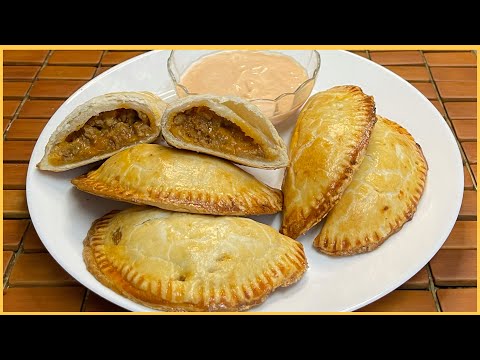
The source video for this technique. Watch specifically for how the filling is cooled before assembly and how much pastry overhang to leave before folding inward.
2. How to Work with Puff Pastry
A foundational guide to keeping puff pastry cold, preventing shrinkage, and achieving maximum flakiness in savory applications.
3. Latin Beef Filling TechniquesDeep dive into blooming spices in fat versus liquid, building a proper sofrito base, and why tomato paste needs to caramelize before broth goes in.
🛠️ Core Equipment
- 9-inch pie dish ↗Provides the right depth for the filling-to-pastry ratio. A shallow dish overflows; a deep one leaves too much empty space at the top and the pastry doesn't contact the filling properly.
- Large heavy-bottomed skillet ↗Even heat distribution browns the beef without steaming it. Crowding a thin pan causes the meat to release water and boil instead of sear — you lose the fond that flavors the whole dish.
- Pastry brush ↗For applying the egg wash evenly. Uneven application gives you patchy browning. A brush ensures the entire pastry surface gets the same thin, even coat.
- Wooden spoon or sturdy spatula ↗For breaking the beef into fine crumbles as it cooks. Larger chunks leave voids in the filling that collapse when you cut the pie. Fine crumbles hold together as a cohesive slice.
Beef Empanada Pie (The One-Pan Latin Weeknight Fix)
🛒 Ingredients
- ✦1.5 pounds ground beef (80/20 blend)
- ✦2 medium yellow onions, finely diced
- ✦4 cloves garlic, minced
- ✦2 tablespoons olive oil
- ✦1 teaspoon ground cumin
- ✦1 teaspoon smoked paprika
- ✦1/2 teaspoon cayenne pepper
- ✦1/2 cup low-sodium beef broth
- ✦1/4 cup green olives, sliced
- ✦2 tablespoons tomato paste
- ✦1 large egg yolk
- ✦1 tablespoon water
- ✦2 tablespoons fresh cilantro, chopped
- ✦1 sheet thawed puff pastry or pie dough
- ✦1 teaspoon sesame seeds for garnish
- ✦Salt and black pepper to taste
👨🍳 Instructions
01Step 1
Heat olive oil in a large skillet over medium-high heat until shimmering, about 1 minute.
02Step 2
Add the diced onions and sauté for 4-5 minutes, stirring occasionally, until softened and translucent at the edges.
03Step 3
Stir in the minced garlic and cook for 30 seconds until fragrant, then add the ground beef.
04Step 4
Break the beef into small crumbles with a wooden spoon and cook for 6-7 minutes, stirring frequently, until fully browned and no pink remains.
05Step 5
Drain excess fat from the skillet if needed, leaving about 1 tablespoon in the pan.
06Step 6
Sprinkle the cumin, smoked paprika, and cayenne over the beef mixture and stir constantly for 30 seconds until the spices coat everything evenly.
07Step 7
Add the tomato paste and stir for 1-2 minutes until well combined and slightly darkened.
08Step 8
Pour in the beef broth and bring the mixture to a simmer, then cook uncovered for 5-6 minutes until the liquid reduces by half.
09Step 9
Remove from heat and fold in the sliced olives and fresh cilantro, then taste and adjust seasoning with salt and pepper as needed. Let the filling cool for 10 minutes.
10Step 10
Preheat your oven to 400°F.
11Step 11
Unroll the puff pastry sheet and press it gently into a 9-inch pie dish, allowing edges to hang slightly over the rim.
12Step 12
Spoon the cooled beef mixture evenly into the pastry-lined dish, spreading it in an even layer.
13Step 13
Fold the overhanging pastry edges inward over the filling, creating a rustic border and leaving most of the filling visible.
14Step 14
Whisk together the egg yolk and water, then brush lightly over the exposed pastry. Sprinkle sesame seeds over the pastry surface.
15Step 15
Bake for 18-22 minutes until the pastry turns deep golden brown and the filling begins bubbling slightly at the edges.
16Step 16
Remove from the oven and let rest for 5 minutes before cutting and serving hot.
Nutrition Per Serving
Estimates based on standard preparation. Adjustments alter macros.
🔄 Substitutions
Instead of Puff pastry...
Use Whole wheat pastry sheet or phyllo dough
Whole wheat adds nuttier flavor and more fiber with slightly less richness. Phyllo dramatically reduces fat but requires brushing each layer with butter separately — more labor, very different texture.
Instead of Ground beef (80/20)...
Use Ground beef (93/7) or ground turkey breast
Leaner beef reduces saturated fat but also reduces richness. Compensate with an extra tablespoon of olive oil in the skillet. Turkey is more neutral in flavor — lean into the spices.
Instead of Green olives...
Use Roasted red peppers or sun-dried tomatoes
Sweeter and less salty profile. Red peppers add color and antioxidants. Sun-dried tomatoes concentrate the umami. Neither replaces the brininess of olives exactly — adjust salt accordingly.
Instead of Beef broth...
Use Low-sodium or homemade bone broth
Cleaner beef flavor and reduced sodium. Bone broth adds collagen that gives the filling a slightly richer mouthfeel when it cools and sets.
🧊 Storage & Reheating
In the Fridge
Store covered in the pie dish or in an airtight container for up to 3 days. The pastry softens slightly by day 2 but the flavors deepen.
In the Freezer
Freeze individual slices wrapped tightly in foil for up to 2 months. Thaw overnight in the fridge before reheating.
Reheating Rules
Reheat in a 350°F oven for 10 minutes to restore pastry crispness. Microwave makes the crust soft and leathery — only use it if you don't care about texture.
❓ Frequently Asked Questions
Can I use store-bought pie dough instead of puff pastry?
Yes. Pie dough produces a sturdier, more structured crust — closer to a traditional empanada texture. Puff pastry gives you flaky, shatteringly crisp layers. Both work; the choice depends on what texture you want. Pie dough is more forgiving if you're new to pastry work.
Why does my pastry bottom come out soggy?
Two causes: filling was too hot when it went in (melts the fat before baking), or excess fat wasn't drained from the beef. Make sure the filling is cooled and the beef is drained before assembly. Baking on the lower rack of the oven also helps — more direct bottom heat sets the pastry faster.
Can I make this ahead of time?
The filling can be made 24 hours ahead and refrigerated. Assemble the pie just before baking — assembled but unbaked empanada pie can sit in the fridge for up to 2 hours. Much longer and the pastry starts absorbing moisture from the filling.
How do I know when the beef filling is seasoned correctly?
Taste it after the broth reduces, not before. Reduction concentrates salt and spice. What tastes perfectly seasoned before reducing can taste oversalted after. Season at the end, when the filling is at its final flavor intensity.
What do I serve with this?
Simple green salad with a sharp vinaigrette cuts the richness. Pickled jalapeños or a dab of crema on the side gives you acid and cool dairy against the warm spiced beef. Avoid heavy starches — the pastry already covers the carb requirement.
Can I add eggs or cheese to the filling?
Hard-boiled eggs sliced into the filling are traditional in some regional empanada styles — they add protein and visual interest when sliced. Shredded Oaxaca or Monterey Jack cheese folded in off heat melts into the filling as it bakes. Both additions work. Add after you remove the filling from heat.
The Science of
Beef Empanada Pie (The One-Pan Latin Weeknight Fix)
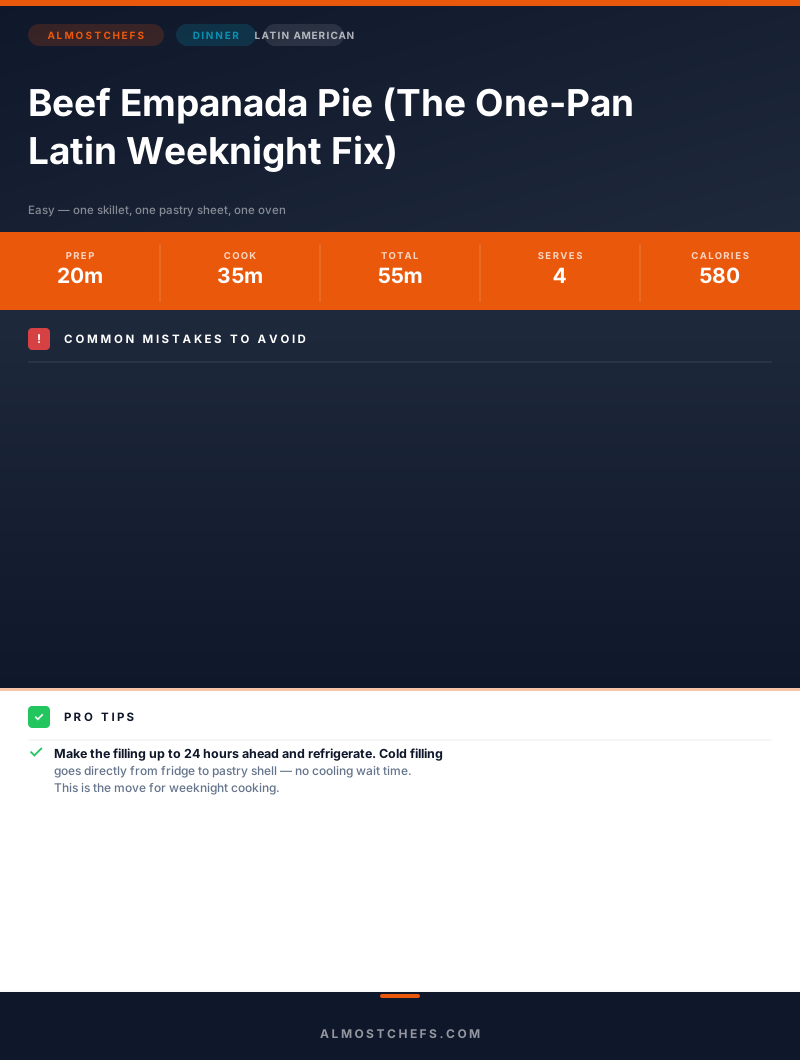
We turned everything on this page into a beautiful, flour-proof PDF cheat sheet. Print it out, stick it to your fridge, and never mess up your beef empanada pie (the one-pan latin weeknight fix) again.
*We'll email you the high-res PDF instantly. No spam, just perfectly cooked meals.
AlmostChefs Editorial Team
We translate the internet's most popular cooking videos into foolproof, beginner-friendly written recipes. We analyze multiple methods, test them in our kitchen, and engineer a single "Master Recipe" that gives you the best possible result with the least possible stress.