Quick Homemade Beef Burgers With Fresh Toppings (The Only Recipe You Need)
Classic 80/20 ground beef patties seared in a ripping hot cast iron skillet, rested properly, and stacked with fresh toppings on a toasted bun. We broke down the most common home burger failures to give you one method that produces a caramelized crust and a juicy interior every single time — in under 30 minutes.
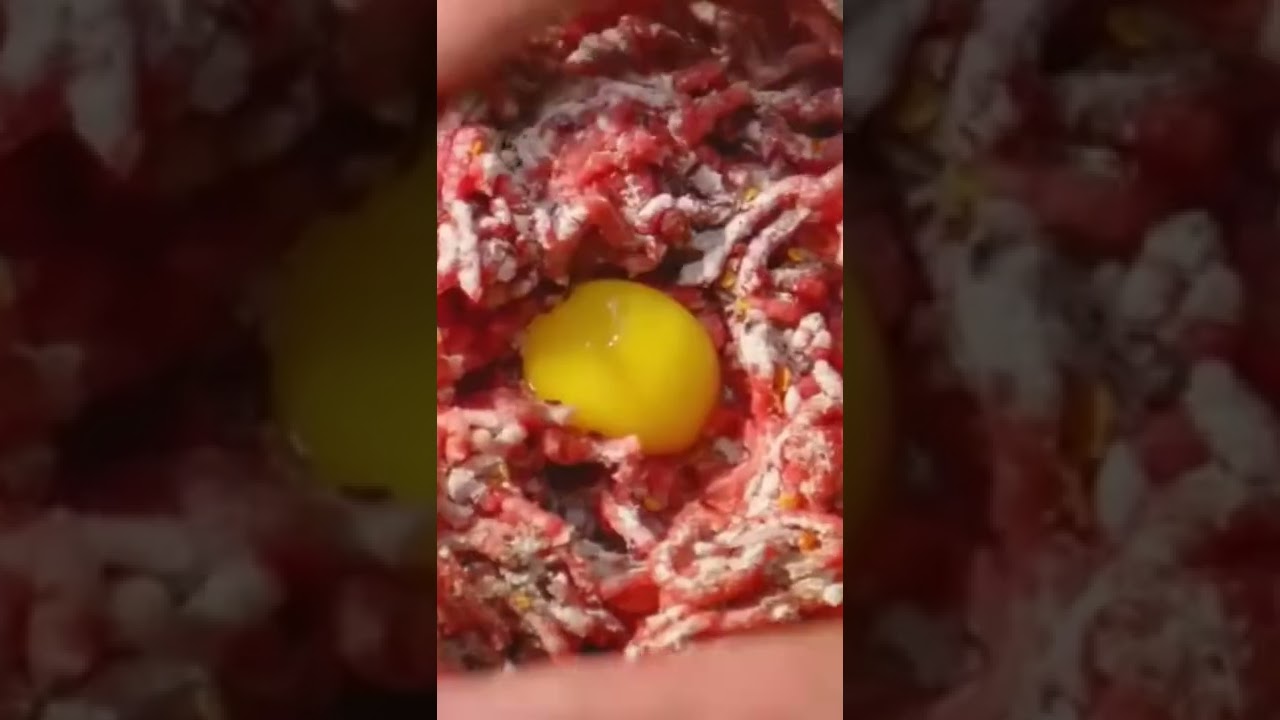
“Most homemade burgers fail the same way: overworked meat, cold pan, and no rest time. The result is a dense, grey puck with a pale exterior and juices that run out the moment you bite. The fix is not a special blend or a secret sauce. It is understanding why 80/20 beef, a hot cast iron skillet, and three minutes of patience after cooking produce something that tastes nothing like what came out of a fast food bag.”
Why This Recipe Works
A burger is the simplest thing you can cook on a stovetop. It is also the most consistently ruined. Not because the technique is hard — it isn't — but because every instinct home cooks have about the process is wrong. You want to press it. You want to move it. You want to cook it on medium heat because high heat seems aggressive. Every one of those instincts produces a worse burger.
The Fat Ratio Is Load-Bearing
80/20 ground beef — 80% lean, 20% fat — is not a preference. It is a structural choice. During cooking, the fat renders and migrates through the protein matrix, basting the meat from the inside. This is why a properly cooked 80/20 patty stays moist even at 160°F, while a 90/10 patty at the same temperature tastes like a compressed disc of dry protein.
The fat also drives crust formation. When fat hits a ripping hot cast iron skillet, it contributes to the Maillard reaction alongside the meat proteins — producing the hundreds of flavor compounds that make a seared burger taste fundamentally different from a boiled one. You cannot replicate this with a lean blend. The fat is not the problem. The fat is the product.
Handling Destroys Texture
Ground beef has a loose, open protein structure that produces a tender bite when cooked quickly. Working the meat — mixing in seasonings by hand, overforming the patty, pressing it down into the pan — compresses and realigns those proteins, producing a dense, tight texture closer to meatloaf than a burger. The goal is to form a patty with the minimum number of touches required to hold its shape. Divide, shape, done.
This is also why the seasoning method matters. Rather than mixing salt into the beef, we season the exterior of the formed patty immediately before cooking. Salt draws water out of meat through osmosis — mixed into the beef, it can begin tightening the protein structure before the patty ever hits the pan. On the surface, it seasons the crust where it belongs.
High Heat Is Correct
Medium heat produces grey, steamed burgers. The moisture that escapes from the meat as it warms creates a humid microclimate around the patty, preventing the surface temperature from reaching the 285°F minimum needed for Maillard browning. You need a pan that is hot enough to instantly vaporize that surface moisture and get the proteins browning before they overcook.
A cast iron skillet is the right tool because it holds heat. Stainless steel and non-stick pans lose temperature when cold meat hits the surface, which drops you right back into steam territory. Preheat the cast iron over medium-high for two full minutes. When the oil shimmers and the first wisp of smoke appears, the pan is ready.
The Rest Step Is Not Optional
Burger juices are not just water — they are a suspension of water, dissolved proteins, and rendered fat that exists in a semi-liquid state inside the hot patty. When you cut or bite into a burger straight from the pan, those juices are still mobile and run out immediately. Two minutes of resting allows the proteins to partially relax and reabsorb that liquid. The difference between resting and not resting is the difference between a juicy burger and a plate of expensive grey water.
Everything else — the toasted bun, the fresh toppings, the cheese melted at exactly the right moment — is construction. The burger itself lives or dies on fat ratio, gentle handling, high heat, and patience. Four variables. Under thirty minutes. No excuses.
Where Beginners Mess This Up
Before we start, read this. These are the 4 reasons your quick homemade beef burgers with fresh toppings (the only recipe you need) will fail:
- 1
Overworking the meat: Ground beef has a protein structure that tightens under pressure and heat. Every extra second you spend forming a patty compresses the fat channels and creates a dense, tough burger. Divide, gently shape, done. The patty should look slightly rough on the edges — that texture creates better crust.
- 2
Cooking in a cold or medium-heat pan: Burgers need high direct heat to develop the Maillard crust that makes them taste like burgers and not boiled meat. A lukewarm pan steams the surface instead of searing it. Wait until the oil shimmers and the pan looks almost too hot. Then add the patties.
- 3
Pressing the patty while it cooks: Pressing squeezes out the rendered fat and juices that keep the interior moist. Those juices hit the pan and vaporize — you can see it, that big puff of steam. What stays behind is a drier patty. Put the spatula down.
- 4
Skipping the thumb indentation: As beef cooks, the edges contract and push the center upward into a dome. A shallow thumbprint in the center counteracts this, keeping the patty flat against the pan for even contact and consistent crust development across the whole surface.
The Video Reference Library
Want to see it in action? Here are the exact videos we analyzed and combined to build this foolproof recipe translation:
The source video for this recipe. Clean technique walkthrough covering patty formation, pan temperature, and the rest step that most home cooks skip entirely.
🛠️ Core Equipment
- Cast iron skilletRetains heat better than stainless or non-stick, which means it doesn't drop temperature when the cold patties hit the surface. Consistent high heat is what builds the crust.
- Instant-read meat thermometerGround beef must reach 160°F for food safety. The difference between 155°F and 160°F is about 45 seconds — easy to hit consistently with a thermometer, nearly impossible by guesswork alone.
- Spatula with a thin, wide bladeA thin blade gets fully under the patty without disturbing the crust that's forming. A thick or slotted spatula rips the sear and sticks.
Quick Homemade Beef Burgers With Fresh Toppings (The Only Recipe You Need)
🛒 Ingredients
- ✦1.25 pounds ground beef (80/20 blend)
- ✦1 teaspoon kosher salt
- ✦0.5 teaspoon freshly ground black pepper
- ✦0.75 teaspoon Worcestershire sauce
- ✦0.25 teaspoon garlic powder
- ✦0.25 teaspoon onion powder
- ✦4 hamburger buns
- ✦4 slices cheddar or American cheese
- ✦1 medium ripe tomato, sliced into 8 slices
- ✦0.5 medium yellow onion, thinly sliced into rings
- ✦4 crisp lettuce leaves (butter lettuce or romaine)
- ✦3 tablespoons mayonnaise
- ✦2 tablespoons ketchup
- ✦1 tablespoon yellow mustard
- ✦1 tablespoon unsalted butter (for toasting buns)
- ✦2 tablespoons neutral oil (for cooking)
👨🍳 Instructions
01Step 1
Remove the ground beef from the refrigerator and let it sit at room temperature for 5 minutes.
02Step 2
Divide the beef into 4 equal portions of about 5 ounces each. Gently form each into a patty about 0.75 inches thick without overworking the meat.
03Step 3
Press a shallow indentation into the center of each patty with your thumb.
04Step 4
Season both sides of each patty with salt, pepper, Worcestershire sauce, garlic powder, and onion powder immediately before cooking — not in advance.
05Step 5
Heat the neutral oil in a [cast iron skillet](/kitchen-gear/review/cast-iron-skillet) over medium-high heat until it shimmers, about 2 minutes.
06Step 6
Add the patties to the skillet without moving them. Sear undisturbed for 3 to 4 minutes until a deep golden-brown crust forms.
07Step 7
Flip each burger once and cook the second side for 3 to 4 minutes until the internal temperature reads 160°F on an [instant-read thermometer](/kitchen-gear/review/instant-read-thermometer).
08Step 8
Place one slice of cheese on each burger during the final minute of cooking and let it melt from the residual pan heat.
09Step 9
Transfer the burgers to a clean plate and rest for 2 to 3 minutes before assembling.
10Step 10
Melt the butter in the same skillet over medium heat. Place the buns cut-side down and toast for 1 to 2 minutes until lightly golden.
11Step 11
Spread mayonnaise on the bottom bun, add a small dab of mustard and ketchup, then layer lettuce, two tomato slices, and a few onion rings.
12Step 12
Set the rested, cheese-topped patty on top. Cap with the toasted upper bun and serve immediately.
Nutrition Per Serving
Estimates based on standard preparation. Adjustments alter macros.
🔄 Substitutions
Instead of Ground beef (80/20 blend)...
Use Ground beef (90/10 blend)
Leaner and slightly drier. Compensate by adding a teaspoon of Worcestershire sauce to the seasoning mix and pulling the patties at exactly 160°F — no higher.
Instead of Mayonnaise...
Use Greek yogurt mixed with a pinch of salt
Tangier flavor, significantly fewer calories. Works well with fresh toppings. Avoid with heavily smoked or charred burgers where the yogurt's acidity competes.
Instead of White hamburger buns...
Use Whole wheat or sprouted grain buns
Nuttier, earthier flavor that pairs well with sharp cheddar. Slightly denser texture — toast a bit longer to avoid sogginess.
Instead of Ketchup...
Use Fresh tomato salsa or tomato sauce
Reduces added sugar significantly. The fresh acidity reads more cleanly against the beef. Works especially well with pepper jack cheese and jalapeños.
🧊 Storage & Reheating
In the Fridge
Store cooked patties separately from buns and toppings in an airtight container for up to 3 days. Reassemble only when ready to eat.
In the Freezer
Freeze uncooked formed patties between sheets of parchment paper for up to 3 months. Thaw overnight in the refrigerator before cooking.
Reheating Rules
Reheat patties in a covered skillet over low heat with a splash of water for 3-4 minutes. Microwaving works but dries out the exterior — skillet is strongly preferred.
❓ Frequently Asked Questions
Why is my burger grey instead of brown?
The pan wasn't hot enough, or it was overcrowded. Grey means the surface steamed instead of seared. Use a [cast iron skillet](/kitchen-gear/review/cast-iron-skillet), preheat until the oil shimmers, and cook no more than two patties at a time if your pan is under 12 inches.
Why does my burger puff up in the middle?
The edges of the patty contract as the proteins tighten with heat, pushing the center upward. The thumb indentation in the center counteracts this by giving the center slightly less mass. Don't skip it.
Should I use a grill or a skillet?
Both work, but a skillet concentrates fat and juices around the patty as it cooks, which adds flavor. A grill lets all of that render off into the coals. Grill for char and smoke flavor; skillet for maximum juiciness and crust.
Can I make the patties in advance?
Yes — form the patties and refrigerate uncovered on a plate for up to 4 hours. Do not season until immediately before cooking.
Why is my burger dry even though I used 80/20 beef?
You either overworked the meat compressing the fat channels, pressed the patty while it cooked squeezing out the juices, or skipped the rest step. All three mistakes produce the same dry result. The fix is minimal handling, no pressing, and patience after the pan.
What internal temperature should a burger reach?
160°F for ground beef, per USDA food safety guidelines. Unlike whole-muscle steak where the surface is the only part exposed to bacteria, ground beef mixes surface bacteria throughout — the entire patty must reach temperature.
The Science of
Quick Homemade Beef Burgers With Fresh Toppings (The Only Recipe You Need)
We turned everything on this page into a beautiful, flour-proof PDF cheat sheet. Print it out, stick it to your fridge, and never mess up your quick homemade beef burgers with fresh toppings (the only recipe you need) again.
*We'll email you the high-res PDF instantly. No spam, just perfectly cooked meals.
AlmostChefs Editorial Team
We translate the internet's most popular cooking videos into foolproof, beginner-friendly written recipes. We analyze multiple methods, test them in our kitchen, and engineer a single "Master Recipe" that gives you the best possible result with the least possible stress.