Classic Baked Ziti (The Layering Method That Actually Works)
A rich Italian-American pasta bake with tender ziti, savory meat sauce, and a three-cheese ricotta filling, all baked until bubbling and golden. We broke down the most common failures — watery sauce, gummy pasta, dry edges — and built one technique that solves all of them.
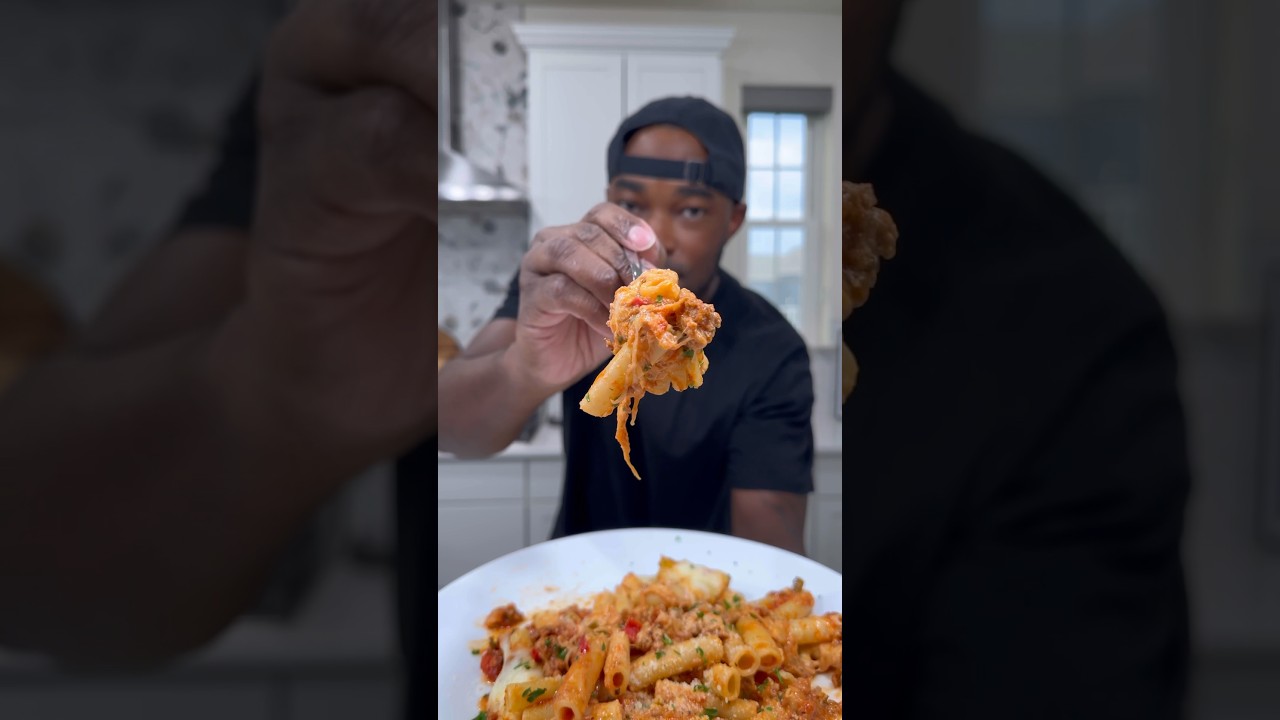
“Baked ziti has a reputation as the easiest thing you can bring to a potluck. That reputation is undeserved. Most versions come out as one of three disasters: watery from undercooked sauce, gummy from overcooked pasta, or bone-dry on top because nobody sealed the dish properly. The fix for all three is the same — discipline at each stage before anything touches the oven.”
Why This Recipe Works
Baked ziti is the dish everyone brings to a gathering and nobody thinks too hard about. It shouldn't require explanation. It's pasta, sauce, cheese, oven. And yet there are a thousand ways to execute it badly, and most home cooks have eaten at least three of those versions at someone's dinner table — the watery one, the dry one, the one where the pasta disintegrated into the sauce and the whole thing slid off the serving spoon like wet cement.
None of those failures are random. They each have a cause, and every cause has a fix.
The Pasta Timing Problem
The most counterintuitive instruction in this recipe is also the most important: undercook the pasta. Not al dente. Under al dente. One full minute under what the package specifies. It feels wrong, especially if you've spent years being told al dente is the standard.
The reason: the pasta doesn't stop cooking when it leaves the boiling water. It continues absorbing liquid inside the baking dish for 40 minutes in a 375°F oven. If you bring it to al dente on the stovetop, you're effectively baking already-cooked pasta — and it exits the oven with the texture of wet cardboard. Pulling it one minute early means it finishes at exactly the right texture during the bake, not before it.
The Sauce Problem
Canned crushed tomatoes are approximately 94% water. When you pour them into a baking dish without reducing them, that water evacuates during the oven phase and pools at the bottom of the dish. Eight to ten minutes of active simmering drives off enough of that free liquid to concentrate the sauce, deepen the flavor through caramelization, and produce the thick, glossy consistency that holds its shape between the layers instead of seeping through them.
The test: run a spoon through the sauce. If the path fills back in immediately, keep simmering. If it holds for two seconds before closing, you're there.
The Cheese Architecture
The ricotta mixture is the structural center of this dish, and eggs are what hold it together. During the oven phase, the proteins in the eggs coagulate and set the ricotta into a cohesive layer rather than letting it melt and blend into the sauce below. Without eggs, you don't get distinct layers — you get a uniform, undifferentiated cheese-sauce gradient that tastes fine but has no textural contrast.
The Pecorino Romano is not interchangeable with more mozzarella. Mozzarella is mild, fatty, and elastic. Pecorino is sharp, salty, and granular. The contrast is what gives the ricotta layer its edge. More mozzarella produces richness; Pecorino produces character.
The Two-Phase Bake
Foil on, foil off. This is not optional. The covered phase builds internal temperature and creates a steam environment that melts the cheese layers evenly and heats the center of the dish without burning the top. The uncovered phase allows the moisture to escape from the top surface, browning the mozzarella into the golden, slightly caramelized crust that signals the dish is done.
Baking uncovered for the entire time produces a desiccated, leathery top and an undercooked center. Baking covered the entire time produces a pale, steamed-looking surface with no browning and excess liquid trapped in the dish. You need both phases.
A proper 9x13 baking dish is part of this equation. The dimensions match the volume of this recipe exactly — enough depth for the layers to cook through, enough surface area for even heat distribution. A smaller dish compresses the layers and extends bake time unpredictably. A larger dish spreads the sauce thin and dries out the edges before the center heats through.
The Rest
Five minutes. That's all. The ricotta layer is still partially molten when the dish comes out of the oven. Slicing immediately produces portions that collapse sideways on the plate. A brief rest lets the cheese firm back up so every serving holds its shape. It's the same principle as resting a roast — the proteins need time to reabsorb their moisture and set. Skip the rest and you've done everything right for an hour only to serve it wrong.
Where Beginners Mess This Up
Before we start, read this. These are the 4 reasons your classic baked ziti (the layering method that actually works) will fail:
- 1
Cooking the pasta to al dente before baking: Pasta continues cooking in the oven. If you bring it to al dente on the stovetop, it exits the oven as mush. Pull the ziti one full minute before the package says al dente — you should be able to bite through it but still feel significant resistance at the center. That resistance is where the oven takes over.
- 2
Skipping the sauce simmer: Crushed tomatoes straight from the can contain a significant amount of free liquid. If you don't simmer the meat sauce for at least 8-10 minutes, that liquid floods the baking dish during the oven phase and turns your pasta bake into a soup. Reduce until the sauce just begins to pull away from the sides of the pan.
- 3
Leaving the foil off for the entire bake: Exposed cheese on top of an uncovered dish desiccates and burns before the interior reaches temperature. Cover tightly with foil for the first 25 minutes to build internal heat and melt everything evenly, then remove for the final 12-15 minutes to develop the golden crust. Both phases are necessary.
- 4
Skipping the rest before serving: Baked ziti fresh from the oven is structurally liquid. The cheeses are still molten, the layers haven't set, and every portion you cut collapses into the dish. A 5-7 minute rest lets the ricotta mixture firm back up so you can actually serve clean slices instead of a heap.
The Video Reference Library
Want to see it in action? Here are the exact videos we analyzed and combined to build this foolproof recipe translation:
The primary reference video covering the full method from sauce to layering to bake. Pay close attention to the sauce consistency before it goes into the dish.
🛠️ Core Equipment
- 9x13-inch baking dishThe dimensions matter. Too small and the layers compress; too large and the sauce spreads thin, dries out at the edges, and the center stays underdone. Standard 9x13 is calibrated for exactly this volume of pasta.
- Large heavy-bottomed skilletYou need enough surface area to brown the meat properly and simmer the sauce without crowding. A shallow pan with wide base accelerates sauce reduction. A thin pan scorches the bottom before the free liquid evaporates.
- Large pot for pastaPasta needs room to move in boiling water. A crowded pot drops temperature when you add the pasta, extends cook time unpredictably, and produces unevenly cooked ziti. Use at least a 6-quart pot for one pound of pasta.
- Aluminum foilThe covered-then-uncovered baking method is non-negotiable. Foil traps steam during the first phase to cook the interior; removing it in the final phase lets the top cheese brown. Without it, you sacrifice one or the other.
Classic Baked Ziti (The Layering Method That Actually Works)
🛒 Ingredients
- ✦1 pound ziti pasta
- ✦1.25 pounds lean ground turkey or 90/10 ground beef
- ✦1 medium yellow onion, finely diced
- ✦4 cloves fresh garlic, minced
- ✦3 tablespoons extra virgin olive oil
- ✦28 ounces canned crushed San Marzano tomatoes
- ✦2 teaspoons dried Italian seasoning
- ✦15 ounces part-skim ricotta cheese
- ✦2 cups part-skim mozzarella cheese, shredded, divided
- ✦1/2 cup grated Pecorino Romano cheese
- ✦2 large eggs
- ✦1 teaspoon kosher salt
- ✦1/2 teaspoon freshly cracked black pepper
- ✦1/4 teaspoon red pepper flakes (optional)
- ✦Fresh basil leaves for garnish (optional)
👨🍳 Instructions
01Step 1
Preheat the oven to 375°F. Lightly coat a 9x13-inch baking dish with olive oil or cooking spray.
02Step 2
Bring a large pot of heavily salted water to a rolling boil. Add the ziti and cook for 1 minute less than the package's al dente recommendation. Drain and set aside.
03Step 3
Heat 2 tablespoons of olive oil in a large skillet over medium-high heat. Add the diced onion and sauté for 3-4 minutes until softened and translucent.
04Step 4
Add the minced garlic and cook for 1 minute until fragrant. Add the ground turkey and cook, breaking it apart with a wooden spoon, for 6-7 minutes until no pink remains.
05Step 5
Pour in the crushed tomatoes. Add the Italian seasoning, salt, pepper, and red pepper flakes if using. Stir to combine.
06Step 6
Simmer the meat sauce over medium heat for 8-10 minutes, stirring occasionally, until the sauce thickens and the liquid reduces noticeably. Remove from heat.
07Step 7
In a medium bowl, combine the ricotta, eggs, 1.5 cups of the shredded mozzarella, Pecorino Romano, and a pinch of salt and pepper. Mix gently until just combined.
08Step 8
Spread a thin layer of meat sauce across the bottom of the prepared baking dish.
09Step 9
Add half of the cooked pasta in an even layer. Spoon half of the ricotta mixture over the pasta and spread gently. Add a layer of meat sauce.
10Step 10
Layer the remaining pasta, then the remaining ricotta mixture. Top with the remaining meat sauce. Sprinkle the reserved 1/2 cup mozzarella over the top.
11Step 11
Cover tightly with aluminum foil and bake for 25 minutes.
12Step 12
Remove the foil and bake uncovered for 12-15 minutes until the top is bubbling at the edges and lightly golden.
13Step 13
Remove from the oven and let rest for 5-7 minutes before cutting and serving. Garnish with fresh basil and extra Pecorino Romano if desired.
Nutrition Per Serving
Estimates based on standard preparation. Adjustments alter macros.
🔄 Substitutions
Instead of Ground beef...
Use Ground turkey or ground chicken
Slightly lighter flavor. Add an extra pinch of salt and a drizzle of olive oil to compensate for the reduced fat. The texture difference is minimal once baked.
Instead of Whole milk ricotta and mozzarella...
Use Part-skim ricotta and mozzarella
Marginally less rich but virtually indistinguishable in the final dish. Reduces saturated fat without compromising the creamy texture or melt.
Instead of Regular ziti pasta...
Use Whole wheat or chickpea-based ziti
Earthier, slightly nuttier flavor with a firmer bite. Watch the cook time closely — whole wheat pasta can tip from underdone to overdone faster than white pasta.
Instead of 2 eggs as binder...
Use 1 egg plus 2 tablespoons Greek yogurt
Produces a creamier, slightly tangier ricotta layer. The yogurt adds protein and maintains the binding function. No discernible flavor change in the final dish.
🧊 Storage & Reheating
In the Fridge
Store covered in the baking dish or in an airtight container for up to 4 days. Flavor peaks at day 2.
In the Freezer
Freeze individual portions in airtight containers for up to 3 months. Freeze before baking for best results — thaw overnight in the fridge, then bake as directed.
Reheating Rules
Add a tablespoon of water over each portion, cover tightly with foil, and reheat in a 350°F oven for 15-20 minutes. Microwaving works but dries out the edges — cover with a damp paper towel and use 60% power.
❓ Frequently Asked Questions
Why is my baked ziti watery?
The sauce wasn't reduced enough before layering. Canned tomatoes release significant liquid during baking. Simmer the meat sauce for a full 8-10 minutes until it visibly thickens and pulls away from the pan edges before assembling the dish.
Can I assemble baked ziti ahead of time?
Yes — assemble the entire dish, cover tightly with foil, and refrigerate for up to 24 hours before baking. Add 10 minutes to the covered bake time since you're starting from cold. This is actually the preferred method.
Why does my cheese layer turn rubbery?
Overbaking after the foil comes off. The ricotta mixture sets during the covered phase — the uncovered phase is just for browning the top. Once you see golden spots and active bubbling at the edges, pull it immediately.
Can I make this without meat?
Yes. Skip the meat entirely and double the sauce using two 28-ounce cans of crushed tomatoes. Add a pound of sautéed mushrooms or zucchini to the sauce for body. The technique stays identical.
Do I need to use ziti specifically?
No. Rigatoni, penne, or mostaccioli all work identically. Ziti's hollow center captures the ricotta mixture well, but any ridged or hollow tube pasta performs the same function.
Why do I pull the pasta early?
Carryover cooking. Pasta in a 375°F oven surrounded by sauce continues absorbing liquid and cooking for the full 40-minute bake time. Pasta that enters at al dente exits as mush. The one-minute-under rule accounts for exactly this.
The Science of
Classic Baked Ziti (The Layering Method That Actually Works)
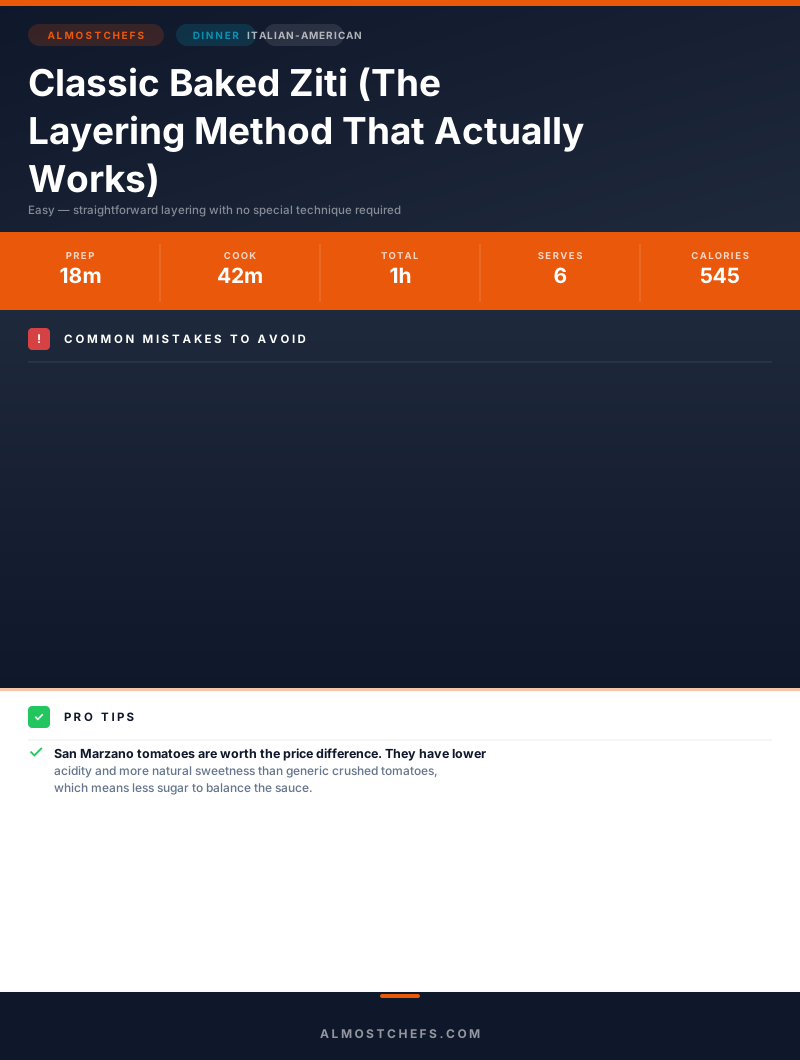
We turned everything on this page into a beautiful, flour-proof PDF cheat sheet. Print it out, stick it to your fridge, and never mess up your classic baked ziti (the layering method that actually works) again.
*We'll email you the high-res PDF instantly. No spam, just perfectly cooked meals.
AlmostChefs Editorial Team
We translate the internet's most popular cooking videos into foolproof, beginner-friendly written recipes. We analyze multiple methods, test them in our kitchen, and engineer a single "Master Recipe" that gives you the best possible result with the least possible stress.