Crispy Herb-Crusted Cod (38g Protein, Done in 25 Minutes)
Lean cod fillets topped with a Parmesan herb breadcrumb crust, roasted alongside asparagus and finished with a tangy Greek yogurt sauce. We built this from the ground up to be a genuine high-protein dinner that doesn't taste like diet food — 38g of protein, one sheet pan, 25 minutes start to finish.

“Most baked fish recipes taste like a punishment. They're dry, they're bland, and the 'crispy crust' turns soggy before it hits the table. This recipe solves all three problems: the egg white creates a binding layer that keeps the crust locked on and genuinely crispy, the Parmesan browns and crisps in dry oven heat, and the Greek yogurt sauce goes on after the oven — so nothing steams, nothing wilts, and nothing disappoints. Thirty-eight grams of protein. One sheet pan. Done.”
Why This Recipe Works
Sheet pan dinners fail for one reason: someone tried to cook everything the same way at the same time and expected different textures to emerge. Baked fish specifically fails for a second reason: people confuse a protein with a vehicle for breadcrumbs, throw wet fillets into a cold oven, and wonder why nothing is crispy.
This recipe treats both problems as engineering problems. The solution is not a better spice blend. It is a correct sequence of steps.
The Crust Architecture
Three components build the crust, and each one has a job. The panko provides structure — its large, irregular flakes create physical gaps that allow hot air to circulate inside the crust, which is what makes it crispy instead of dense. The Parmesan provides flavor and accelerated browning, because the proteins and fats in aged cheese brown faster and more deeply than plain breadcrumbs alone. The egg white is the adhesive — whisked to slightly frothy, it creates a thin, tacky film on the fish surface that the breadcrumb mixture bonds to permanently.
Skip any one of these components and the crust becomes a different thing. Panko only: pale, dry, tasteless. Parmesan only: rich, oily, no structure. No egg white: everything falls off before the pan hits the table.
The pressing technique matters too. Most people sprinkle the coating on top and hope for the best. You need to press the fillet into the mixture with firm, even pressure on all sides. The goal is physical contact between every breadcrumb and the egg white layer. That contact is what survives 400 degrees of dry heat.
Why 400°F and Not Higher
High-protein white fish like cod has a delicate cellular structure that responds poorly to blast heat. Above 425°F, the exterior sets and contracts faster than the interior can cook, squeezing moisture out of the fillet in visible white droplets (albumin) that pool in the crust and steam it soft from underneath. At 400°F, the heat penetrates more evenly — the crust browns and sets while the center finishes cooking at the same pace, with no steam pooling.
A rimmed baking sheet lined with parchment is not optional here. The Parmesan in the crust will weld itself to an unlined metal pan. When you try to lift the fillet, the crust stays on the pan. Parchment prevents the bond entirely and gives you clean lift-off every time.
The Asparagus Timing Problem
Asparagus and a 5oz cod fillet finish cooking at approximately the same temperature — which is the only reason this one-pan approach works. Thicker vegetables like carrots or potatoes would need a head start. Thinner greens like spinach or peas would need to go in later. Asparagus lands exactly right when cut to similar thickness and spread in a single layer on the opposite side of the sheet.
The single-layer rule is non-negotiable. Stacked asparagus creates a microclimate of trapped steam that turns the lower spears soft and gray. The high surface area of individual separated spears is what produces charred tips and firm-but-tender texture. One layer. Every time.
The Yogurt Sauce Timing
The Greek yogurt sauce is deliberately off-heat. Baking yogurt at 400°F produces a curdled, watery result with broken texture. But warm asparagus — just out of the oven — loosens the cold sauce to exactly the right pourable consistency on contact. You get a warm, creamy sauce without ever applying heat to it directly. This is the kind of technique that looks like intuition but is actually physics.
Wild-caught cod is specified for density and omega-3 content, but the technique works with any similarly sized white fish fillet. The fish is not the hard part. The sequence is the hard part — and once you run through it once, it takes 25 minutes flat.
Where Beginners Mess This Up
Before we start, read this. These are the 4 reasons your crispy herb-crusted cod (38g protein, done in 25 minutes) will fail:
- 1
Not drying the cod fillets: Surface moisture is the enemy of crust adhesion. If the fillets are wet when you coat them, the egg white slides off instead of bonding to the fish. Pat each fillet thoroughly dry with paper towels before doing anything else. This single step is the difference between a crust that stays on and one that falls off in the oven.
- 2
Adding the yogurt sauce before serving: The Greek yogurt sauce goes on after the baking sheet comes out of the oven — not before it goes in. Baking yogurt at 400°F curdles it, turns it watery, and destroys the texture. Drizzle it over the warm asparagus right before plating.
- 3
Overbaking the cod: Cod is done at 145°F internal temperature — about 12-15 minutes at 400°F for a 5oz fillet. It should flake easily when pressed with a fork. Every minute past that dries it out. If in doubt, check at 12 minutes. You can always add time; you can't take it back.
- 4
Skipping the Parmesan in the crust: The Parmesan does two jobs: it adds savory depth and it acts as a natural crisping agent as it browns. Substituting generic breadcrumbs without cheese produces a soft, pale crust with no real flavor structure. Don't skip it.
The Video Reference Library
Want to see it in action? Here are the exact videos we analyzed and combined to build this foolproof recipe translation:
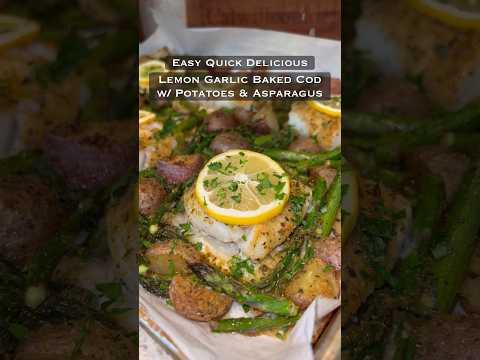
The reference video for this recipe. Watch for the pressing technique on the breadcrumb coating and the timing cues for checking the asparagus doneness.
2. How to Cook Fish Perfectly Every Time
Covers the fundamentals of oven-baked white fish — internal temperature targets, how to test for doneness without a thermometer, and why dry fillets brown better than wet ones.
3. Sheet Pan Dinners: The One-Pan FormulaBreaks down the spacing rules for sheet pan cooking, why crowding kills roasting, and how to time protein and vegetables to finish simultaneously.
🛠️ Core Equipment
- Large rimmed baking sheet ↗Gives you enough real estate to keep the cod and asparagus on separate halves without crowding. Crowded pans steam instead of roast — you'll lose the crust crispness and get limp asparagus.
- Parchment paper ↗The Parmesan in the crust will bond to an unlined pan and tear the crust off when you try to lift the fish. Parchment eliminates this entirely.
- Shallow bowl for breading ↗A wide, flat bowl lets you press the herb-breadcrumb mixture firmly onto all sides of the fillet in one motion. A deep bowl makes even coating nearly impossible.
- Instant-read thermometer ↗Cod is forgiving in flavor but unforgiving in texture. An instant-read thermometer removes the guesswork — 145°F internal means perfectly cooked, not a degree more.
Crispy Herb-Crusted Cod (38g Protein, Done in 25 Minutes)
🛒 Ingredients
- ✦4 cod fillets, 5 oz each
- ✦1/2 cup panko breadcrumbs
- ✦1/2 cup grated Parmesan cheese
- ✦1/4 cup plain Greek yogurt
- ✦2 tablespoons fresh parsley, finely chopped
- ✦1 tablespoon fresh dill, finely chopped
- ✦1 tablespoon fresh lemon zest
- ✦2 cloves garlic, minced
- ✦1 lb fresh asparagus, trimmed
- ✦2 tablespoons extra virgin olive oil, divided
- ✦1 large egg white
- ✦1/2 teaspoon sea salt
- ✦1/4 teaspoon black pepper
- ✦1/4 teaspoon garlic powder
- ✦Juice of 1 lemon
- ✦Cooking spray
👨🍳 Instructions
01Step 1
Preheat your oven to 400°F and line a large baking sheet with parchment paper.
02Step 2
Combine panko breadcrumbs, Parmesan, parsley, dill, lemon zest, minced garlic, salt, black pepper, and garlic powder in a shallow bowl. Mix until evenly distributed.
03Step 3
Whisk the egg white in a separate small bowl until slightly frothy.
04Step 4
Pat the cod fillets completely dry with paper towels. Lightly coat each fillet on both sides with cooking spray.
05Step 5
Dip each cod fillet into the egg white, letting the excess drip off, then press firmly into the herb-breadcrumb mixture until well coated on the top and sides.
06Step 6
Arrange the herb-crusted cod fillets on one half of the prepared baking sheet, spacing them about 2 inches apart.
07Step 7
Toss the trimmed asparagus with 1 tablespoon of olive oil, sea salt, and black pepper. Spread in a single layer on the other half of the baking sheet.
08Step 8
Bake for 12-15 minutes, until the cod is opaque, flakes easily with a fork, and the crust is golden brown. The asparagus should be tender with lightly charred tips.
09Step 9
While the fish bakes, whisk together Greek yogurt, remaining 1 tablespoon olive oil, 1 minced garlic clove, lemon juice, and a pinch of salt in a small bowl.
10Step 10
Remove the baking sheet from the oven. Drizzle the Greek yogurt sauce over the warm asparagus and toss gently to coat.
11Step 11
Plate the herb-crusted cod alongside the dressed asparagus. Serve immediately with extra lemon wedges.
Nutrition Per Serving
Estimates based on standard preparation. Adjustments alter macros.
🔄 Substitutions
Instead of Panko breadcrumbs...
Use Panko mixed with 2 tablespoons unflavored whey protein powder
Bumps the protein to approximately 43g per serving. The crust texture stays identical — whey protein powder has a similar dry, fine consistency to panko and browns the same way.
Instead of Cod...
Use Halibut or haddock
Halibut is firmer and slightly richer — excellent for the crust technique. Haddock is closer to cod in texture and flavor. Both work at the same temperature and timing.
Instead of Fresh herbs (parsley and dill)...
Use 1 teaspoon dried oregano plus 1/2 teaspoon smoked paprika
Dried herbs concentrate in the crust differently than fresh — the result is earthier and warmer rather than bright and grassy. Both are valid, neither is wrong.
Instead of Greek yogurt (sauce)...
Use Plain skyr or labneh thinned with a splash of water
Skyr is even higher in protein. Labneh is richer and more tangy. Both behave the same way in the sauce — whisk with olive oil and lemon and serve immediately.
🧊 Storage & Reheating
In the Fridge
Store cod and asparagus in separate airtight containers for up to 3 days. Keep the yogurt sauce in its own container. The crust softens overnight — reheat uncovered to restore crispness.
In the Freezer
Freeze the baked cod fillets (without sauce) for up to 1 month. Freeze flat on a lined tray first, then transfer to a bag. Thaw overnight in the fridge before reheating.
Reheating Rules
Reheat cod uncovered in a 350°F oven for 8-10 minutes. Avoid the microwave — it steams the crust to mush. Reheat asparagus in a dry skillet over medium heat for 2-3 minutes. Add fresh yogurt sauce after reheating, never before.
❓ Frequently Asked Questions
Can I use frozen cod?
Yes, but thaw it completely in the fridge overnight and pat it aggressively dry before coating. Frozen fish releases significantly more moisture than fresh as it thaws — that moisture is what causes the crust to steam off instead of crisping.
Why is my crust falling off the fish?
Almost always caused by wet fillets or skipping the egg white step. The egg white is the structural adhesive — without it, the breadcrumb mixture has nothing to grip. Pat the fish dry, coat with cooking spray, dip in egg white, then press into the crust mixture in that exact order.
Can I make this dairy-free?
Yes. Replace the Parmesan with nutritional yeast (use 1/3 cup — it's saltier than Parmesan) and swap the Greek yogurt sauce for a dairy-free yogurt alternative. The crust won't brown quite as deeply without the Parmesan, but the technique works.
How do I know the cod is done without a thermometer?
Press the center of the thickest fillet gently with a fork. If it flakes apart cleanly into opaque layers, it's done. If it resists and looks translucent in the center, give it 2 more minutes. The flesh transitions from shiny and gelatinous to matte and white when it hits 145°F.
Can I cook this in an air fryer?
Yes, and the crust actually gets crispier. Cook at 375°F for 10-12 minutes. Place the fish only — asparagus in the air fryer gets too dry. Roast the asparagus separately in the oven or a hot skillet.
Is there a way to prep this fully in advance?
You can bread the fillets and refrigerate them uncovered on a parchment-lined tray for up to 2 hours before baking. Longer than that and the moisture from the fish starts to soften the crust from the inside. The yogurt sauce can be made up to 24 hours ahead.
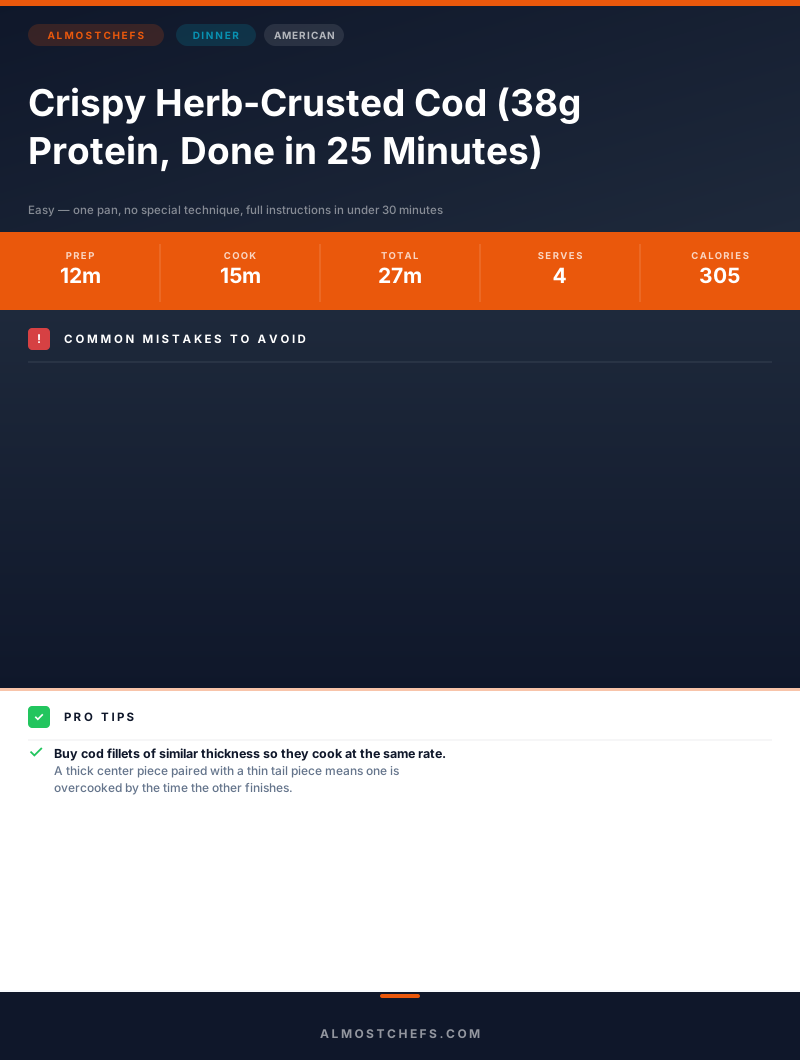
The Science of
Crispy Herb-Crusted Cod (38g Protein, Done in 25 Minutes)
We turned everything on this page into a beautiful, flour-proof PDF cheat sheet. Print it out, stick it to your fridge, and never mess up your crispy herb-crusted cod (38g protein, done in 25 minutes) again.
*We'll email you the high-res PDF instantly. No spam, just perfectly cooked meals.
AlmostChefs Editorial Team
We translate the internet's most popular cooking videos into foolproof, beginner-friendly written recipes. We analyze multiple methods, test them in our kitchen, and engineer a single "Master Recipe" that gives you the best possible result with the least possible stress.