High-Protein Baked Chicken Parmesan (42g Per Serving, No Frying)
The Italian-American classic rebuilt for serious protein goals. Greek yogurt replaces the egg wash, ricotta joins the cheese blend, and baking replaces the fryer — delivering 42g of protein per serving with all the crispy, cheesy satisfaction intact.
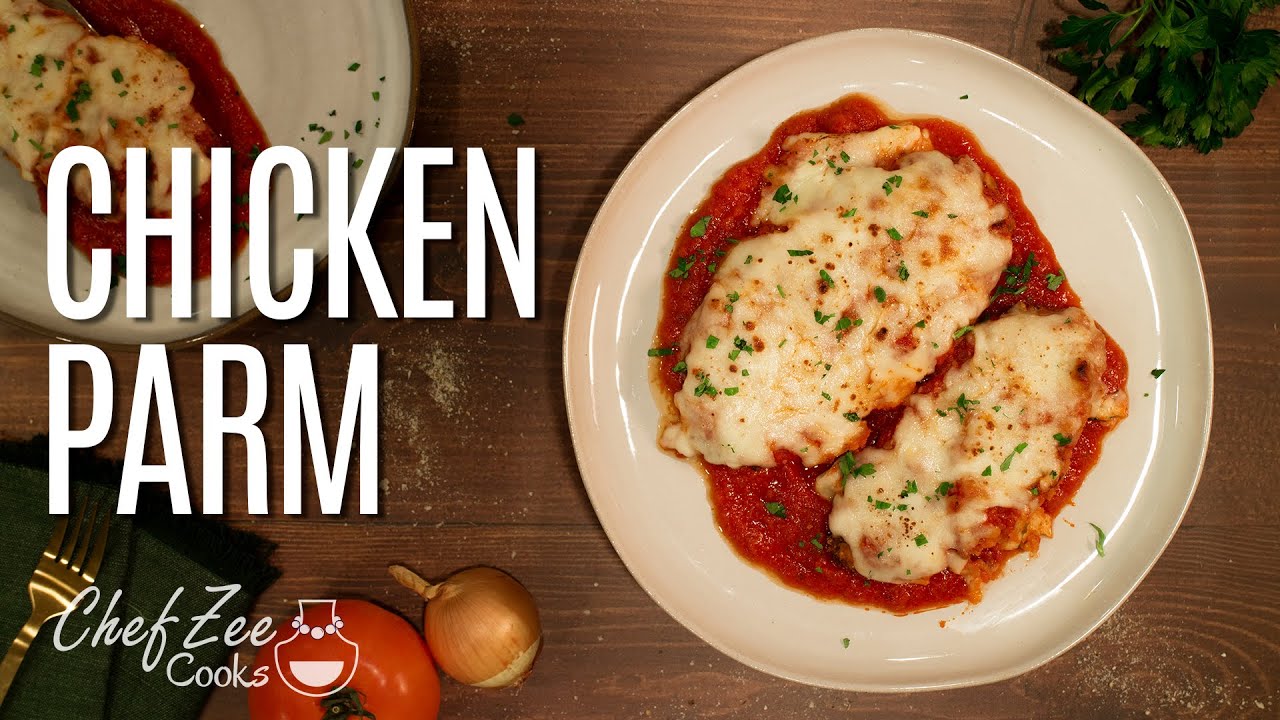
“Traditional chicken parmesan is a protein-to-fat ratio disaster. You're frying chicken in oil, then drowning it in full-fat mozzarella, and somehow calling it a protein meal. This version fixes the math without sacrificing anything you actually care about. The crust is crispier than fried, the cheese is richer thanks to ricotta, and you're hitting 42 grams of protein per serving. The trick is a single swap that most people dismiss as a weird health hack until they try it.”
Why This Recipe Works
Chicken Parmesan is not a complicated dish. Bread it, fry it, sauce it, cheese it, bake it. The problem is that every step in the traditional version treats protein as a vehicle for fat delivery — egg wash, frying oil, whole-milk mozzarella stacked three layers deep. By the time you're done, you've built a dish that clocks 520 calories with 28 grams of fat and only 32 grams of protein. That ratio is backwards for anyone using food as a performance tool.
This version corrects the math without performing surgery on the dish. It still looks like chicken parm. It still tastes like chicken parm. It just works harder.
The Yogurt Swap Is Not a Compromise
Replacing the egg wash with plain Greek yogurt is the kind of substitution that sounds like a concession until you understand what yogurt actually does to chicken. Lactic acid — the defining compound in yogurt — gently denatures the surface proteins of the breast without penetrating deep into the muscle tissue. The result is a tender, slightly yielding exterior that grips the breadcrumb coating like industrial adhesive.
Eggs do the same job, but with fewer benefits. Greek yogurt adds 10 grams of protein per serving over whole eggs, and its thicker consistency means the coating sits on the chicken rather than dripping off the sides while you're trying to dredge. It's a mechanical improvement, not just a nutritional one.
The key is using cold, nonfat Greek yogurt straight from the fridge. Warm yogurt loosens and loses viscosity — you end up with a thin liquid that can't hold the panko in place during the first bake stage.
Panko Over Standard Breadcrumbs, Every Time
Standard breadcrumbs pack too densely and absorb oil (or in this case, olive oil spray) before they can crisp. Panko — Japanese-style breadcrumbs made from crustless bread — has a coarser, more irregular structure that creates air pockets during baking. Those air pockets are what produces the shatteringly crisp exterior that makes baked chicken actually feel satisfying instead of just healthier.
Mixed with grated Parmesan, the panko coating gains umami depth and additional structural integrity. The Parmesan's proteins and fats create a secondary browning layer that stays crisp even after the marinara sauce is added on top.
The Two-Stage Bake Is Non-Negotiable
Most baked chicken parmesan recipes tell you to pile everything on at once and bake until done. This is why most baked chicken parm has a soggy crust. Marinara sauce is 90% water. Mozzarella releases moisture as it melts. Adding both directly onto a raw breadcrumb coating turns the first fifteen minutes of baking into a steaming event rather than a crisping one.
The fix is staging. Bake the coated chicken alone for 15 minutes first — this sets the crust and seals the yogurt layer. Then add the sauce and cheese and return to the oven. By the time the cheese is bubbling, the crust underneath has already been hardened into something that can withstand the moisture from above.
The Ricotta Addition Changes the Entire Cheese Layer
Standard chicken parm uses mozzarella because it melts easily and creates that iconic cheese pull. But mozzarella alone is mostly fat and water — it melts, bubbles, and then releases a pool of liquid fat that soaks into whatever is underneath. Part-skim mozzarella is better but still a single-dimensional ingredient.
Adding part-skim ricotta changes the texture profile entirely. Ricotta doesn't melt — it softens and sets, creating a creamy, thick base that holds the mozzarella above the sauce rather than letting it collapse into it. The combination delivers a richer, creamier cheese experience per bite than pure mozzarella, while contributing 7 additional grams of protein per serving. The lemon juice in the ricotta mixture cuts the richness and brightens the entire dish, doing what lemon does best: making everything taste more like itself.
A rimmed baking sheet and a reliable instant-read thermometer are the two pieces of equipment that make or break this recipe. Pull the chicken at exactly 165°F. The carryover heat handles the rest.
Where Beginners Mess This Up
Before we start, read this. These are the 4 reasons your high-protein baked chicken parmesan (42g per serving, no frying) will fail:
- 1
Skipping the chicken pounding step: Uneven thickness is the primary reason baked chicken turns out dry on the edges and undercooked in the center. Pounding to a uniform half-inch ensures every part of the breast reaches 165°F at the same moment. Thick spots overcook by the time thin spots are safe. Spend two minutes with a mallet — it changes everything.
- 2
Not coating the yogurt layer evenly: The Greek yogurt is both the binding agent and the moisture source for the entire dish. Thin patches mean the breadcrumb coating won't adhere, and those spots will dry out in the oven while the yogurt-covered sections stay juicy. Coat thoroughly and press the breadcrumbs firmly into every surface.
- 3
Pulling the chicken from the oven too early before adding toppings: The two-stage baking process exists for a reason. The first 15 minutes sets and crisps the coating. Adding the sauce and cheese too early steams the crust and turns it soggy. Wait for the initial bake, then top and return to the oven. Order of operations matters.
- 4
Skipping the rest period: The dual-cheese topping needs three minutes after it comes out of the oven to set slightly. Cut into it immediately and the ricotta-mozzarella blend slides off the chicken and pools on the plate. Rest it, then serve.
The Video Reference Library
Want to see it in action? Here are the exact videos we analyzed and combined to build this foolproof recipe translation:
The primary video reference for this recipe. Demonstrates the Greek yogurt coating method and the two-stage bake that locks in the crust before adding sauce and cheese.
🛠️ Core Equipment
- Meat malletNon-negotiable for pounding chicken to even thickness. A [meat mallet](/kitchen-gear/review/meat-mallet) does this faster and more evenly than a rolling pin or skillet. Uniform thickness is the single biggest variable in whether baked chicken comes out moist or chalky.
- Large rimmed baking sheet with parchmentA [rimmed baking sheet](/kitchen-gear/review/baking-sheet) keeps the olive oil spray from burning off and the parchment prevents sticking without adding fat. Flat pans with no rim cause drips. Foil traps steam under the coating and kills the crust.
- Instant-read thermometerThe difference between 160°F and 165°F is dry versus moist. An [instant-read thermometer](/kitchen-gear/review/instant-read-thermometer) eliminates the guesswork entirely. The yogurt coating browns faster than the interior cooks — visual cues will lie to you.
- Two shallow bowls for dredgingOne for yogurt, one for the breadcrumb-Parmesan mixture. Using deep bowls creates wasted coating stuck to the sides. Shallow and wide gives you full surface contact on every dip and press.
High-Protein Baked Chicken Parmesan (42g Per Serving, No Frying)
🛒 Ingredients
- ✦4 boneless, skinless chicken breasts (about 6 oz each)
- ✦1 cup plain nonfat Greek yogurt
- ✦1 cup panko breadcrumbs
- ✦1/2 cup grated Parmesan cheese
- ✦2 teaspoons garlic powder
- ✦2 teaspoons dried Italian seasoning
- ✦1 teaspoon black pepper
- ✦1 teaspoon kosher salt
- ✦2 cups marinara sauce (no added sugar preferred)
- ✦1 1/2 cups part-skim mozzarella cheese, shredded
- ✦3/4 cup part-skim ricotta cheese
- ✦1/4 cup fresh basil, chopped
- ✦2 tablespoons olive oil cooking spray
- ✦1 tablespoon lemon juice
👨🍳 Instructions
01Step 1
Preheat your oven to 400°F and line a large baking sheet with parchment paper.
02Step 2
Place each chicken breast between two sheets of plastic wrap and pound to an even 1/2-inch thickness using the flat side of a meat mallet.
03Step 3
Mix together the panko breadcrumbs, Parmesan cheese, garlic powder, Italian seasoning, black pepper, and kosher salt in a shallow bowl.
04Step 4
Spread the Greek yogurt evenly across another shallow bowl, then dip each chicken breast to coat both sides completely.
05Step 5
Press each yogurt-coated chicken breast into the breadcrumb mixture, patting gently so the coating adheres to both sides.
06Step 6
Arrange the breaded chicken breasts on your prepared baking sheet and lightly spray both sides with olive oil cooking spray.
07Step 7
Bake for 15 minutes until the coating is light golden and the chicken is starting to firm up.
08Step 8
Remove the baking sheet from the oven and spoon about 1/2 cup of marinara sauce over each chicken breast.
09Step 9
In a small bowl, stir together the ricotta cheese, 1/4 cup of the mozzarella, fresh basil, and lemon juice until well combined.
10Step 10
Drop spoonfuls of the ricotta mixture onto the center of each sauced chicken breast, then top with the remaining mozzarella cheese.
11Step 11
Return to the oven and bake for 12-15 minutes until the cheese is bubbling at the edges and the chicken reaches an internal temperature of 165°F.
12Step 12
Let rest for 3 minutes before serving to allow the cheese to set slightly.
Nutrition Per Serving
Estimates based on standard preparation. Adjustments alter macros.
🔄 Substitutions
Instead of Plain nonfat Greek yogurt...
Use Full-fat Greek yogurt
Works identically as a coating agent. Adds roughly 3g of fat per serving. The crust adheres just as well and the chicken stays equally moist.
Instead of Panko breadcrumbs...
Use Almond flour mixed with Parmesan
Gluten-free option. Use a 3:1 ratio of almond flour to Parmesan. The crust won't be as shatteringly crisp but holds together well and significantly reduces carbs.
Instead of Part-skim ricotta...
Use Cottage cheese (blended smooth)
Blend 3/4 cup cottage cheese until completely smooth before using. Protein count goes up slightly. The texture is nearly identical once baked. No one will know.
Instead of Chicken breast...
Use Chicken thighs, pounded flat
Higher fat content but more forgiving to overcooking. Thighs stay juicy at 170°F where breasts are already drying out. Increase cook time by 3-4 minutes.
🧊 Storage & Reheating
In the Fridge
Store cooled chicken in an airtight container for up to 4 days. Keep the cheese and sauce intact — don't scrape it off before storing.
In the Freezer
Freeze individually on a baking sheet until solid, then transfer to freezer bags for up to 2 months. Freeze before adding sauce and cheese for best texture results.
Reheating Rules
Reheat in a 350°F oven for 10-12 minutes covered loosely with foil. Remove the foil for the last 2 minutes to re-crisp the edges. Avoid the microwave — it steams the crust into mush.
❓ Frequently Asked Questions
Will the Greek yogurt coating make the chicken taste sour?
Not noticeably. The tang of the yogurt is present but subtle, and it's completely masked by the garlic, Italian seasoning, marinara, and cheese. Most people can't identify it as yogurt — they just notice the chicken is exceptionally moist.
Can I bread the chicken in advance?
Yes, up to 4 hours ahead. Place the breaded, uncooked chicken on the parchment-lined baking sheet, cover loosely with plastic wrap, and refrigerate. The coating actually adheres better after resting because the yogurt has time to bond with the breadcrumbs.
Why bake instead of air-fry?
Air frying works well for the chicken itself but creates uneven cheese melting. The air fryer's circulating heat dries the ricotta-mozzarella blend before it can fully melt and bubble. Baking in a conventional oven gives you even, consistent cheese coverage. If you only have an air fryer, cook the chicken at 380°F for 12 minutes, then finish the cheese under a broiler for 2 minutes.
How do I know when the ricotta mixture is done?
The mozzarella on top should be fully melted with bubbling edges — not just soft, but actively bubbling. The ricotta underneath will have puffed slightly and set firm. If you're unsure, an instant-read thermometer into the cheese layer should read at least 155°F.
Can I use jarred marinara or does it need to be homemade?
Jarred marinara is completely fine — this is a weeknight recipe. Look for a sauce with no added sugar and a short ingredient list. Rao's Homemade is the benchmark for jarred quality. Avoid anything that lists high-fructose corn syrup or sugar in the first five ingredients.
Is this actually lower calorie than traditional chicken parm?
By roughly 100 calories per serving compared to a restaurant portion, and by 200+ compared to a home version made with full-fat frying. The yogurt coating eliminates the oil absorption from frying (which adds 150-200 calories per serving on its own), and the part-skim dairy cuts another 80-100 calories from the cheese. The protein increase — from 32g to 42g — also improves satiety, meaning you're less likely to go back for a second serving.
The Science of
High-Protein Baked Chicken Parmesan (42g Per Serving, No Frying)
We turned everything on this page into a beautiful, flour-proof PDF cheat sheet. Print it out, stick it to your fridge, and never mess up your high-protein baked chicken parmesan (42g per serving, no frying) again.
*We'll email you the high-res PDF instantly. No spam, just perfectly cooked meals.
AlmostChefs Editorial Team
We translate the internet's most popular cooking videos into foolproof, beginner-friendly written recipes. We analyze multiple methods, test them in our kitchen, and engineer a single "Master Recipe" that gives you the best possible result with the least possible stress.