Authentic Baba Ganoush (The Char Is Not Optional)
Eggplant charred directly over a flame until completely collapsed, then mashed with tahini, lemon, and garlic. The smoke is the whole point — skip the broiler shortcut or make something else. We walk through exactly why the char matters and how to drain the eggplant correctly so you get a rich dip instead of a watery one.
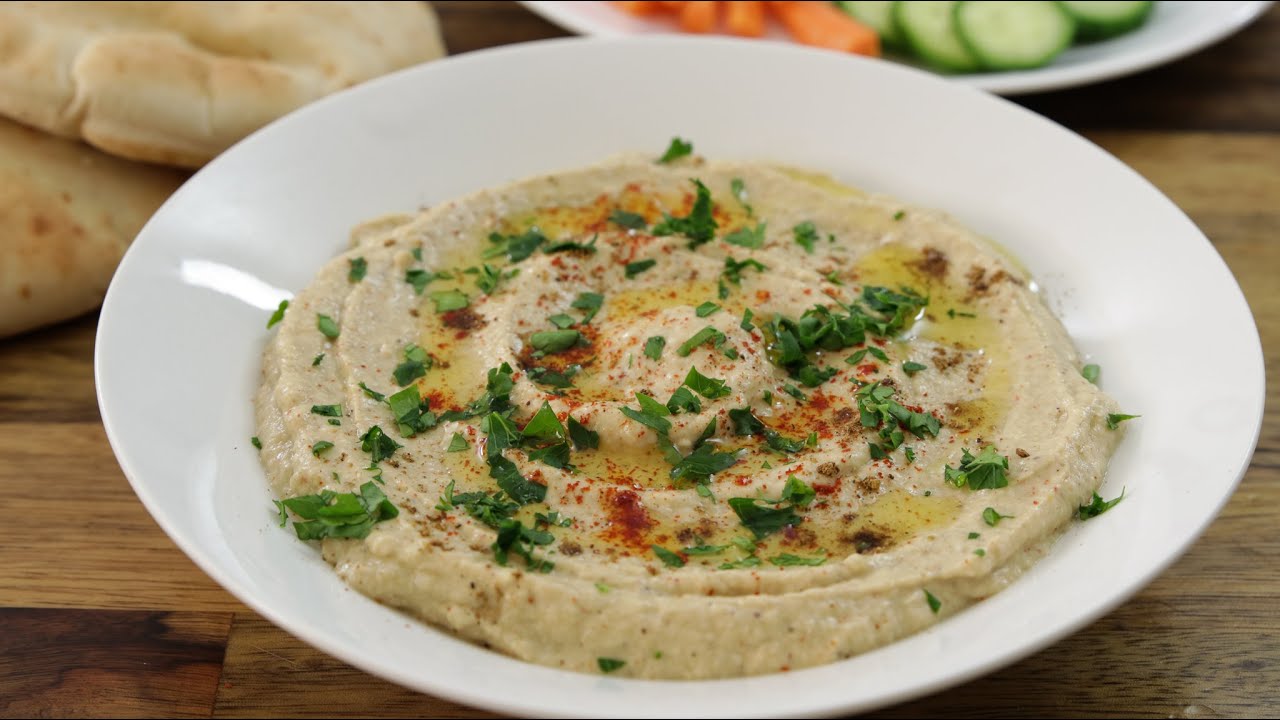
“Most baba ganoush served in the US is a pale imitation — oven-roasted eggplant with a dash of liquid smoke, smooth and uniform, tasting mostly of tahini. Real baba ganoush is built on deeply charred flesh that carries actual smoke compounds into the dip. It tastes different in a fundamental way. The technique isn't difficult. It just requires standing at your stove for 30-40 minutes and accepting that the eggplant should look completely incinerated before you're done.”
Why This Recipe Works
Baba ganoush is one of the most commonly diluted dishes in Western cooking. The versions that appear on mezze platters across the country are typically made with oven-roasted eggplant — soft, slightly sweet, texturally pleasant, and fundamentally missing the point. The dish gets its character entirely from fire. Without the char, you have an eggplant dip. With it, you have something else.
What the Char Actually Does
When eggplant is held directly over an open flame, several things happen simultaneously. The skin burns and blackens — that part is obvious. But underneath the skin, the high surface heat drives a different set of reactions. The water in the outer flesh rapidly evaporates, concentrating flavor. Pyrolysis reactions in the burning skin produce guaiacol, syringol, and other smoke compounds that migrate inward through the flesh. The proteins and sugars at the flesh-char boundary undergo Maillard browning. The result is an interior that carries genuine, complex smoke flavor — not applied smoke from liquid smoke or smoked paprika, but actual combustion-derived aromatics absorbed directly into the vegetable tissue.
This cannot be replicated in a standard oven. An oven at 450°F (230°C) will roast an eggplant beautifully, producing caramelized flesh and a soft texture. But the skin doesn't char — it dries and blisters. The smoke compounds never form. The result is a different product with a fundamentally different flavor profile, however much smoked paprika you add afterward.
The Eggplant Must Completely Collapse
The visual milestone that tells you the eggplant is done — actually done, not just looking done — is complete structural collapse. An under-charred eggplant still holds its basic shape: it's soft but vaguely upright, the skin is blistered but not uniformly black, and it resists gentle tong pressure. A properly charred eggplant is limp. It sags. It looks like a deflated balloon. Pressing it gently with tongs reveals zero internal resistance. The center has steamed completely soft from the inside out while the outside burned. This takes 30-40 minutes on a medium-high gas flame, turning every 5-7 minutes. If you're at 20 minutes and it looks done, it isn't.
The consequence of pulling the eggplant early is a dip that has surface smokiness but a clean, plain eggplant flavor at the center — two different tastes in the same bite, neither of them baba ganoush.
The Draining Step Nobody Talks About
This step is responsible for a significant percentage of watery, flat-tasting baba ganoush, and almost no recipe gives it adequate attention. Eggplant contains a lot of water — that's part of why it collapses so dramatically when cooked. As the cooked flesh cools, it continues releasing liquid. This liquid is bitter and thin. If it stays in your dip, it dilutes every other flavor and turns the texture from rich and cohesive to loose and slightly sour.
Ten minutes of draining in a colander after peeling, with occasional gentle pressing, removes the bulk of it. You'll see a noticeable amount of brownish liquid draining away. That's what would have been in your dip. The final product will be noticeably richer and more concentrated.
Do not rinse the eggplant after peeling. The small black char bits clinging to the flesh carry the smoke compounds you spent 40 minutes building. Rinse them off and you've thrown away a significant part of what makes this dish work.
The Tahini Relationship
Tahini is the structural backbone — it adds fat, richness, and the distinctive sesame note that ties the dip together. But it can also overwhelm the eggplant if you use too much or add poorly prepared paste. The ratio here (4 tablespoons to 1.5 pounds of eggplant) is moderate — present but not dominant.
The critical preparation step is stirring the tahini completely before measuring. Tahini separates during storage, with oil collecting on the surface and dense paste settling at the bottom. Tahini from the top of an un-stirred jar is mostly oil and will make your dip greasy and thin. Tahini from the bottom is thick, dry, and intensely bitter. Thirty seconds of stirring to full homogeneity before measuring fixes both problems simultaneously.
Texture Is a Decision
The choice between mashing and blending is not about convenience — it's about what you want the finished dip to be. Blending produces a smooth, cohesive paste: consistent, uniform, and visually appealing. But baba ganoush traditionally has texture. Visible threads of eggplant flesh, some areas slightly coarser than others, a dip that reads as handmade. Mashing with a fork preserves that fibrous structure and gives you full control over the final consistency.
A potato masher works slightly faster than a fork and still leaves enough textural variation to be correct. Use it with a light hand — a few passes are all it takes. The eggplant is soft enough after proper charring that it yields easily. You are not trying to purée it.
The Lemon and Garlic Balance
Lemon juice does two things: it adds brightness and it begins breaking down the eggplant texture through acidity. For that reason, it goes in after the initial mash rather than during it, and you add it in stages rather than all at once. The same lemon that brightens the dip can also make it watery if added too aggressively too early.
Raw garlic delivers sharp, present heat that works well against the smoky flesh and fatty tahini. If you want something subtler — a sweet, rounded garlic background with none of the sharpness — roast a full head at 400°F for 40 minutes, squeeze the cloves directly into the mash, and skip the raw garlic entirely. Both are correct approaches to the same dish.
Where Beginners Mess This Up
Before we start, read this. These are the 4 reasons your authentic baba ganoush (the char is not optional) will fail:
- 1
Under-charring the eggplant: The single most common mistake. Eggplant looks burnt when it's only half-done. The outside should be completely black, deeply collapsed, and almost falling apart before you pull it from the flame. If it still holds its original shape, it needs more time. The flesh inside won't carry any smoke flavor if the char hasn't fully penetrated the skin.
- 2
Not draining the cooked eggplant: Cooked eggplant releases a significant amount of liquid as it cools. This liquid is bitter and watery — it does nothing for flavor and everything against texture. Draining in a colander for at least 10 minutes after peeling is mandatory. Skipping this step produces a thin, wet dip that separates in the bowl.
- 3
Adding tahini straight from the jar without stirring: Tahini separates in the jar — the oil floats on top and the ground sesame paste sinks to the bottom. Using un-stirred tahini means your dip gets mostly oil and no actual sesame flavor from one batch, and thick, dry paste from another. Always stir until fully emulsified before measuring.
- 4
Blending instead of hand-mashing: Blending produces a smooth, uniform paste with no texture variation. Baba ganoush should have some fibrous structure — small ribbons of eggplant flesh visible in the finished dip. Hand-mashing or using a fork gives you the right combination of creamy and textured. If you blend it, you've made something technically competent but texturally wrong.
The Video Reference Library
Want to see it in action? Here are the exact videos we analyzed and combined to build this foolproof recipe translation:
The essential reference for what fully charred eggplant looks like at each stage. Most home cooks pull the eggplant too early — this video shows the correct visual target and demonstrates the draining and mashing technique.
🛠️ Core Equipment
- Gas stove or broilerA gas flame is the correct tool — direct contact between fire and eggplant produces the actual wood-smoke compounds that define the flavor. A broiler on high works as a substitute and gets close, but the result is slightly less complex. Electric coil heating is a distant third option.
- ColanderDraining the eggplant after peeling removes the bitter, watery liquid released during cooking. A colander lets you drain and press the flesh without losing the solid material you need.
- Fork or potato masherBaba ganoush needs texture — fibrous threads of eggplant flesh that give the dip body and visual interest. A [potato masher](/kitchen-gear/review/potato-masher) is slightly faster and still leaves enough texture. A blender or food processor is wrong for this application.
Authentic Baba Ganoush (The Char Is Not Optional)
🛒 Ingredients
- ✦2 large globe eggplants (about 1.5 lbs total)
- ✦4 tablespoons tahini, well-stirred
- ✦3 tablespoons fresh lemon juice (about 1.5 lemons)
- ✦2 cloves garlic, finely minced or grated
- ✦2 tablespoons extra virgin olive oil, plus more for serving
- ✦1/2 teaspoon ground cumin
- ✦1/4 teaspoon smoked paprika
- ✦1/2 teaspoon kosher salt, plus more to taste
- ✦Fresh flat-leaf parsley, roughly chopped, for garnish
- ✦Pomegranate seeds, for garnish (optional)
- ✦Warm pita bread or crudités, for serving
👨🍳 Instructions
01Step 1
Turn a gas burner to high. Place one eggplant directly on the grate over the flame. If using a broiler, set it to high and position the rack as close to the element as possible. Place both eggplants on a foil-lined sheet pan.
02Step 2
Char the eggplant over the flame, turning every 5-7 minutes using tongs, until the skin is completely black and heavily blistered on all sides and the eggplant has visibly collapsed and softened, about 30-40 minutes total.
03Step 3
Transfer the charred eggplants to a colander set over the sink. Allow to cool for 10-15 minutes until cool enough to handle.
04Step 4
Peel away and discard all charred skin, pulling it back in strips. Some small black bits will cling to the flesh — this is fine and contributes to the smoky flavor. Do not rinse.
05Step 5
Allow the peeled eggplant flesh to drain in the colander for at least 10 minutes, pressing gently with a spoon occasionally to express additional liquid.
06Step 6
Transfer the drained eggplant to a mixing bowl. Use a fork to roughly mash, leaving some fibrous texture intact.
07Step 7
Add the well-stirred tahini, lemon juice, minced garlic, olive oil, cumin, and smoked paprika. Mix with the fork until combined but still slightly rough in texture.
08Step 8
Taste and adjust seasoning with salt and additional lemon juice as needed. Transfer to a serving bowl, make a shallow well in the center, drizzle with olive oil, and garnish with parsley, smoked paprika, and pomegranate seeds if using.
Nutrition Per Serving
Estimates based on standard preparation. Adjustments alter macros.
🔄 Substitutions
Instead of Globe eggplant...
Use Japanese eggplant (use 4-5 smaller ones)
Japanese eggplants have thinner skins and char faster, around 20 minutes. The flesh is slightly less bitter and more delicate. The final dip will be lighter in texture and milder.
Instead of Fresh lemon juice...
Use White wine vinegar (use 1.5 tablespoons)
Provides acidity without the citrus brightness. Use only if no lemon is available — fresh lemon is always preferable here.
Instead of Tahini...
Use Sunflower seed butter (for sesame allergy)
Not an exact match — the flavor profile shifts significantly. Add extra lemon and cumin to compensate for the missing sesame note.
Instead of Smoked paprika...
Use Regular sweet paprika
Loses the additional smoke note. The flame-char provides the primary smokiness, so smoked paprika is a garnish-level contribution — the dip will still work without it.
🧊 Storage & Reheating
In the Fridge
Store covered in the refrigerator for up to 4 days. Press plastic wrap directly onto the surface to prevent oxidation and surface drying. The dip will firm slightly when cold — let it come to room temperature before serving.
In the Freezer
Freezes reasonably well for up to 2 months. The texture can become slightly watery on thawing. Drain any excess liquid and stir vigorously before serving.
Reheating Rules
Serve at room temperature, not warm. Take it out of the fridge 20-30 minutes before serving.
❓ Frequently Asked Questions
Can I make baba ganoush without a gas stove?
Yes. A broiler set to high with the eggplant on the top rack is the best alternative. It won't produce quite the same depth of smoky flavor as a direct flame, but it gets close. You can also use a grill outdoors — place the eggplant directly on the grates over high heat and char as you would over a gas burner.
Why is my baba ganoush watery?
You didn't drain the eggplant long enough. Cooked eggplant releases a significant amount of bitter liquid as it cools. Ten minutes of draining in a colander, with occasional gentle pressing, removes most of it. If the dip is still thin after that, transfer it to a fine mesh sieve and drain for another 5-10 minutes.
Is baba ganoush vegan?
Yes. This recipe contains no animal products and is naturally gluten-free. Serve with pita for a traditional presentation or with vegetables and crackers for a fully gluten-free option.
How do I get more smoky flavor?
Char more aggressively and hold your nerve. The most common mistake is pulling the eggplant when it looks done but isn't. Let it go until it's dramatically collapsed and the skin is uniformly black. You can also leave a few char bits on the flesh when peeling — they add intensity.
Can I use pre-made tahini from a jar?
Yes, but stir it thoroughly first. Tahini separates in storage. Some brands also vary significantly in bitterness — if yours tastes very bitter on its own, use slightly less and compensate with extra lemon.
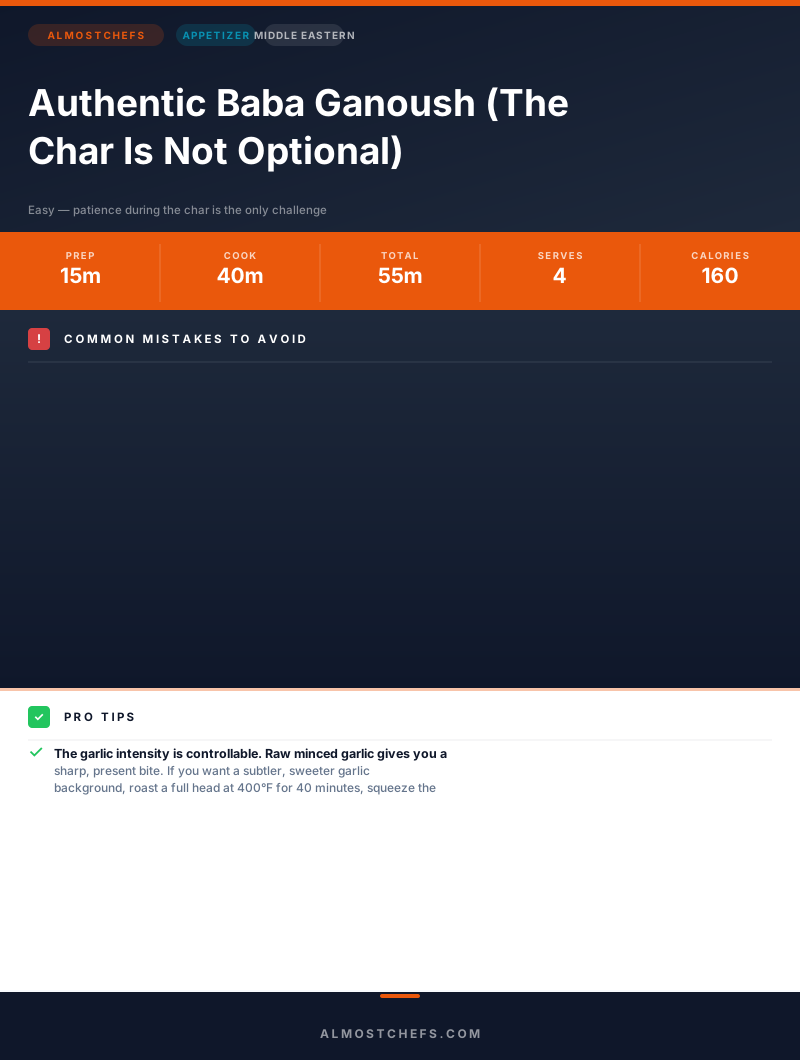
The Science of
Authentic Baba Ganoush (The Char Is Not Optional)
We turned everything on this page into a beautiful, flour-proof PDF cheat sheet. Print it out, stick it to your fridge, and never mess up your authentic baba ganoush (the char is not optional) again.
*We'll email you the high-res PDF instantly. No spam, just perfectly cooked meals.
AlmostChefs Editorial Team
We translate the internet's most popular cooking videos into foolproof, beginner-friendly written recipes. We analyze multiple methods, test them in our kitchen, and engineer a single "Master Recipe" that gives you the best possible result with the least possible stress.