Crunchy Asian Sesame Salad (15-Minute Weeknight Weapon)
A vibrant, textured salad of crisp greens, julienned vegetables, and edamame tossed in a toasted sesame-ginger dressing that emulsifies into something far better than anything bottled. We built this from the ground up to be anti-inflammatory, blood-sugar friendly, and ready faster than takeout.
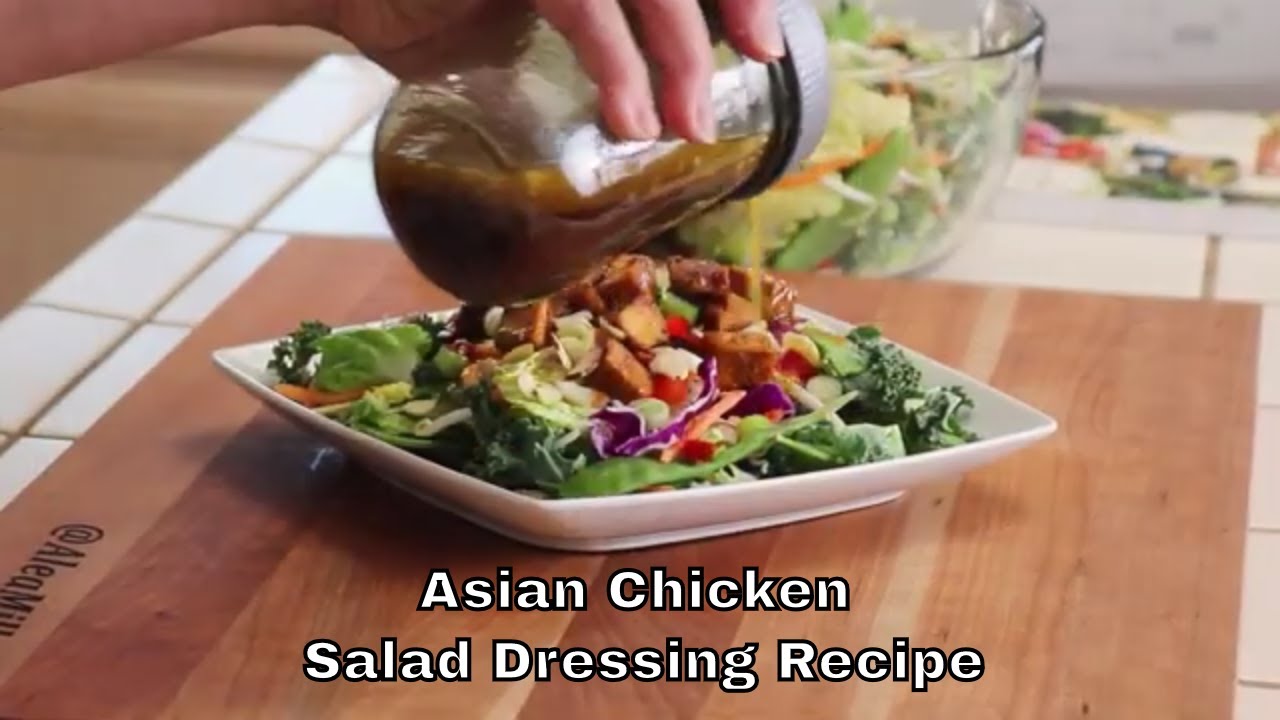
“Most Asian sesame salads are an afterthought — limp greens drowned in a bottle of Kraft sesame ginger dressing from 2019. This one is engineered differently. The dressing is built from toasted sesame oil, soy sauce, fresh ginger, and rice vinegar, then seeded with two tablespoons of just-toasted sesame seeds that bloom their oil directly into the vinaigrette. The result coats every leaf with something nutty, bright, and savory — and the whole thing takes 15 minutes from cutting board to bowl.”
Why This Recipe Works
A salad lives or dies by its dressing. Everything else is scaffolding.
That sounds reductive, but consider the failure mode of most Asian sesame salads: competent knife work, fresh vegetables, adequate assembly — and then a dressing poured straight from a bottle that tastes like sesame-flavored corn syrup. The vegetables are just delivery vehicles for something they had no hand in building. The result is technically a salad and experientially nothing.
This version starts differently. The dressing is built in three stages, and each one matters.
Stage One: Toast the Seeds First
Two tablespoons of sesame seeds go into a dry skillet before anything else. Medium heat, constant movement, two to three minutes until they're golden and your kitchen smells like a ramen shop. The moment they hit color, they come off the heat and onto a plate.
This is not optional ceremony. Raw sesame seeds contain the flavor compounds but have not released them. The Maillard reaction at sustained heat breaks open the seed's oil glands and generates hundreds of new aromatic molecules — pyrazines, furans, thiazoles — that don't exist in the raw state. You can smell the difference from across the room. Those seeds go directly into the dressing, where their released oils integrate with the sesame oil and olive oil base and bloom through every drop of vinaigrette.
Stage Two: Balance the Fat
Most sesame dressing recipes use only toasted sesame oil. The result is heavy, one-dimensional, and slightly overwhelming — like drinking perfume. This recipe cuts it with a tablespoon of extra virgin olive oil to lighten the body while keeping the sesame character in the foreground. The ratio matters: two tablespoons sesame to one tablespoon olive creates a dressing that coats without weighing down, fragrant without being aggressive.
The honey is the emulsification anchor. Whisk it in last, vigorously, for a full minute. It won't create a stable emulsion — sesame dressings never fully stabilize — but it pulls the oil and acid close enough together that the dressing pours evenly instead of in separate puddles. A small whisk does this better than a fork; the increased surface area matters when you're working with a small volume.
Stage Three: The Vegetables Are Load-Bearing
The greens are the foundation, but the crunch comes from four places: carrots, bell pepper, cabbage, and edamame. Every one of them needs to be cut consistently or the salad falls apart texturally. Thick carrot batons next to shredded cabbage mean some bites crunch and some wilt. Julienned carrots — thin matchsticks, 2 inches long — integrate with the greens so every forkful has the same structure.
Purple cabbage does double duty here. It provides crunch that holds up even after dressing, unlike romaine which starts softening within minutes of contact with acid. And it delivers anthocyanins — the same pigment compounds responsible for the color of blueberries and red wine — that contribute meaningfully to the salad's anti-inflammatory profile. Don't substitute green cabbage unless you have to.
The Assembly Logic
Dress from the outside edge of the bowl inward. Drizzle the dressing around the perimeter first, then toward the center, then toss with two large spoons or a salad set using a lift-and-fold motion rather than stirring. Stirring crushes the arugula and spinach at the bottom of the bowl. Lifting and folding keeps everything intact while distributing the dressing evenly.
The pumpkin seeds and raw sesame seeds go on top after tossing — not before. If you toss them in, they sink to the bottom and every serving after the first gets none.
Serve immediately. The acid in the rice vinegar and lime juice begins breaking down the greens within ten minutes of contact. This is a salad that rewards the person who eats it first. Plan accordingly.
Where Beginners Mess This Up
Before we start, read this. These are the 4 reasons your crunchy asian sesame salad (15-minute weeknight weapon) will fail:
- 1
Using cold sesame oil straight from the pantry: Toasted sesame oil is fragrant and dark — a finishing oil, not a cooking oil. The mistake is using too much of it and not balancing it with a neutral oil. This recipe uses both sesame oil and olive oil to get the flavor without the heaviness. Cold sesame oil also doesn't emulsify well; whisk everything at room temperature for best results.
- 2
Skipping the seed toast: Raw sesame seeds taste like nothing. Two minutes in a dry skillet over medium heat transforms them into nutty, aromatic flavor bombs. The Maillard reaction unlocks oils and compounds that simply don't exist in the raw seed. Pull them the second they start to color — they burn fast.
- 3
Dressing the salad too early: Acid from the rice vinegar and lime juice starts breaking down the cell walls of the greens the moment they make contact. Dress only what you're serving immediately. Store the dressing separately if you're making this ahead.
- 4
Cutting vegetables inconsistently: Thick carrot chunks next to paper-thin cabbage means some pieces are crunchy, some are wilted, and the dressing pools unevenly. Uniform cuts — julienne for carrots, thin slices for bell pepper, fine shred for cabbage — ensure every forkful hits the same way.
The Video Reference Library
Want to see it in action? Here are the exact videos we analyzed and combined to build this foolproof recipe translation:
The source video for this recipe. Clear breakdown of the dressing emulsification technique and how to properly layer the vegetables for maximum visual and textural impact.
🛠️ Core Equipment
- Large salad bowlYou need real volume to toss without everything flying out. A bowl that feels oversized is exactly right.
- Sharp chef's knife or mandolineJulienning carrots by hand into true matchsticks requires a sharp blade. A [mandoline](/kitchen-gear/review/mandoline) makes consistent cuts effortless and fast — worth it if you make salads regularly.
- Small dry skilletFor toasting the sesame seeds. Heavy-bottomed is better for even heat. A [stainless steel skillet](/kitchen-gear/review/stainless-steel-skillet) works perfectly — no oil needed, easy to monitor color.
- Small whisk or forkThe dressing needs vigorous whisking to bring the honey into suspension with the oils and acid. A fork works in a pinch, but a small whisk is faster.
Crunchy Asian Sesame Salad (15-Minute Weeknight Weapon)
🛒 Ingredients
- ✦8 cups mixed salad greens (romaine, spinach, and arugula blend)
- ✦2 medium carrots, julienned into thin matchsticks
- ✦1 red bell pepper, thinly sliced
- ✦1 cup shredded purple cabbage
- ✦1 cup edamame, shelled and blanched
- ✦4 scallions, sliced diagonally into 1-inch pieces
- ✦3 tablespoons sesame seeds, divided (2 tablespoons for dressing, 1 tablespoon for garnish)
- ✦2 tablespoons raw pumpkin seeds
- ✦3 tablespoons reduced-sodium soy sauce
- ✦2 tablespoons toasted sesame oil
- ✦1 tablespoon rice vinegar
- ✦1 tablespoon honey or maple syrup
- ✦1 teaspoon freshly minced ginger root
- ✦1 clove garlic, minced very fine
- ✦1 teaspoon lime juice
- ✦1 tablespoon extra virgin olive oil
- ✦1/4 teaspoon red pepper flakes
- ✦2 tablespoons fresh cilantro, roughly chopped
👨🍳 Instructions
01Step 1
Wash and dry all vegetables. Julienne the carrots into thin matchsticks, thinly slice the bell pepper, shred the cabbage, and slice the scallions diagonally.
02Step 2
Toast 2 tablespoons of sesame seeds in a dry skillet over medium heat for 2-3 minutes, stirring frequently, until fragrant and lightly golden. Transfer immediately to a plate.
03Step 3
Combine the soy sauce, toasted sesame oil, rice vinegar, honey, ginger, garlic, lime juice, and olive oil in a small bowl.
04Step 4
Whisk the dressing vigorously for about 1 minute until the honey fully dissolves and the mixture slightly emulsifies. Stir in the toasted sesame seeds.
05Step 5
Place the mixed greens in a large salad bowl as the base.
06Step 6
Arrange the julienned carrots, sliced bell pepper, shredded purple cabbage, edamame, and scallions over the greens.
07Step 7
Drizzle the sesame dressing evenly over the salad and gently toss until every leaf and vegetable is coated.
08Step 8
Sprinkle the pumpkin seeds and remaining 1 tablespoon of raw sesame seeds across the top.
09Step 9
Garnish with fresh cilantro and a pinch of red pepper flakes. Serve immediately.
Nutrition Per Serving
Estimates based on standard preparation. Adjustments alter macros.
🔄 Substitutions
Instead of Toasted sesame oil...
Use Extra virgin coconut oil
Adds a subtle tropical note that works well with the ginger and lime. Loses the nutty sesame character but keeps the healthy fat profile.
Instead of Honey...
Use Monk fruit sweetener or maple syrup
Monk fruit for zero glycemic impact; maple syrup for a deeper, earthier sweetness that pairs well with soy sauce.
Instead of Reduced-sodium soy sauce...
Use Tamari or coconut aminos
Tamari is gluten-free with near-identical umami. Coconut aminos is lighter and less salty — use slightly more to compensate.
Instead of Pumpkin seeds...
Use Hemp seeds or roughly chopped walnuts
Hemp seeds add complete protein and a mild nuttiness. Walnuts add buttery richness and omega-3s. Both work equally well as a topper.
🧊 Storage & Reheating
In the Fridge
Store undressed salad components in an airtight container for up to 2 days. The dressing keeps separately in a sealed jar for up to 5 days. Never store dressed salad — it wilts within an hour.
In the Freezer
Not suitable for freezing. The greens and vegetables lose all texture once thawed.
Reheating Rules
This is a cold dish. No reheating required or recommended.
❓ Frequently Asked Questions
Can I make this salad ahead of time?
Yes — with one rule. Keep the dressing separate from the vegetables until the moment you serve. Store the chopped vegetables in an airtight container in the fridge for up to 2 days. The dressing keeps in a sealed jar for up to 5 days. Combine only at serving time.
Is this salad actually filling as a main course?
As-written, it's a strong side dish or light lunch. Add shredded rotisserie chicken, seared tofu, or a jammy egg on top to make it a complete meal. The dressing is bold enough to handle added protein without getting lost.
Why does my sesame dressing separate immediately?
Sesame dressings are not stable emulsions — they will always separate. This is normal. The honey helps briefly, but the dressing needs a whisk or shake right before each use. Don't expect it to behave like a bottled dressing with emulsifiers.
Can I use pre-shredded cabbage from a bag?
Yes, but check the cut. The large shreds in most bagged coleslaw mixes are too chunky for this salad. Finely shredded cabbage distributes evenly; coarse shreds create uneven bites. Thinly slice a small head yourself if the bag cut is too thick.
What makes this anti-inflammatory?
Several components work together: toasted sesame oil contains sesamol and sesamin, compounds with documented anti-inflammatory properties; purple cabbage delivers anthocyanins; ginger contains gingerols; and edamame provides isoflavones. No single ingredient is a magic bullet, but the combination builds a coherent nutritional case.
Can I use regular soy sauce instead of reduced-sodium?
You can, but the sodium count jumps from 520mg to roughly 800mg per serving. If you're using regular soy sauce, cut the quantity to 2 tablespoons and add a splash of water to maintain the dressing volume.
The Science of
Crunchy Asian Sesame Salad (15-Minute Weeknight Weapon)
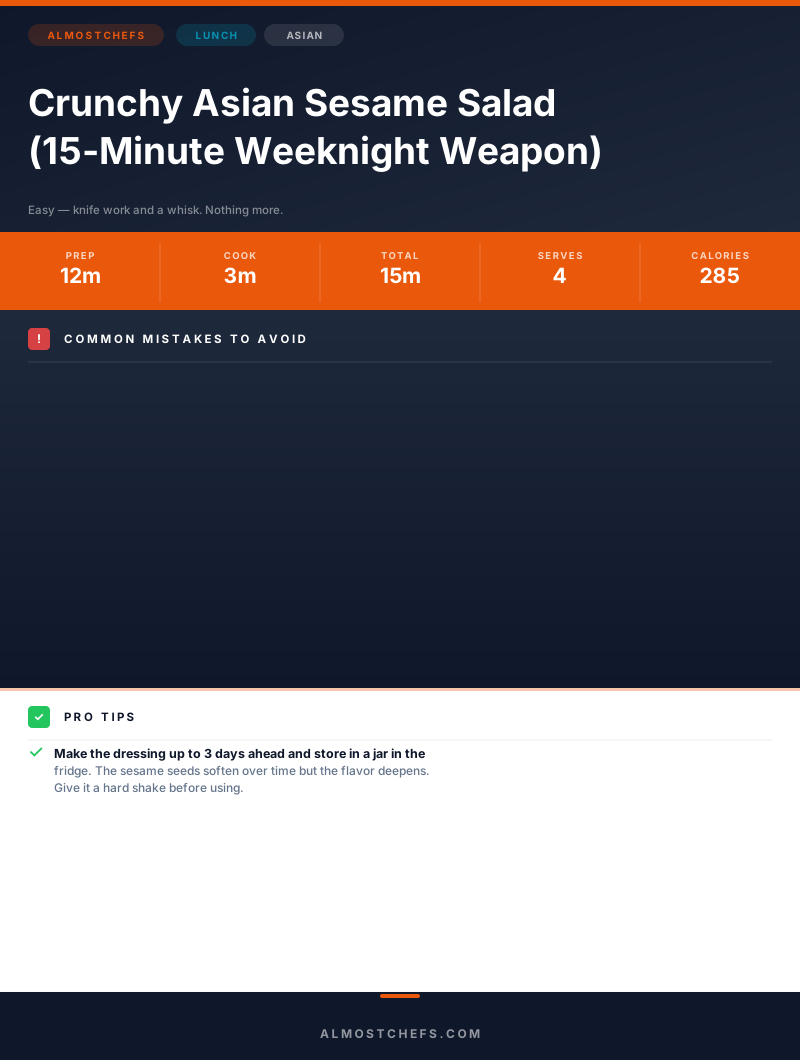
We turned everything on this page into a beautiful, flour-proof PDF cheat sheet. Print it out, stick it to your fridge, and never mess up your crunchy asian sesame salad (15-minute weeknight weapon) again.
*We'll email you the high-res PDF instantly. No spam, just perfectly cooked meals.
AlmostChefs Editorial Team
We translate the internet's most popular cooking videos into foolproof, beginner-friendly written recipes. We analyze multiple methods, test them in our kitchen, and engineer a single "Master Recipe" that gives you the best possible result with the least possible stress.