Crispy Sicilian Arancini (The Baked Version That Actually Works)
Golden-fried Sicilian rice balls filled with melted mozzarella and garden peas, built on a saffron-scented risotto base. We analyzed the most common home cook failures and engineered a baked method that delivers a shatteringly crispy exterior without a deep fryer.
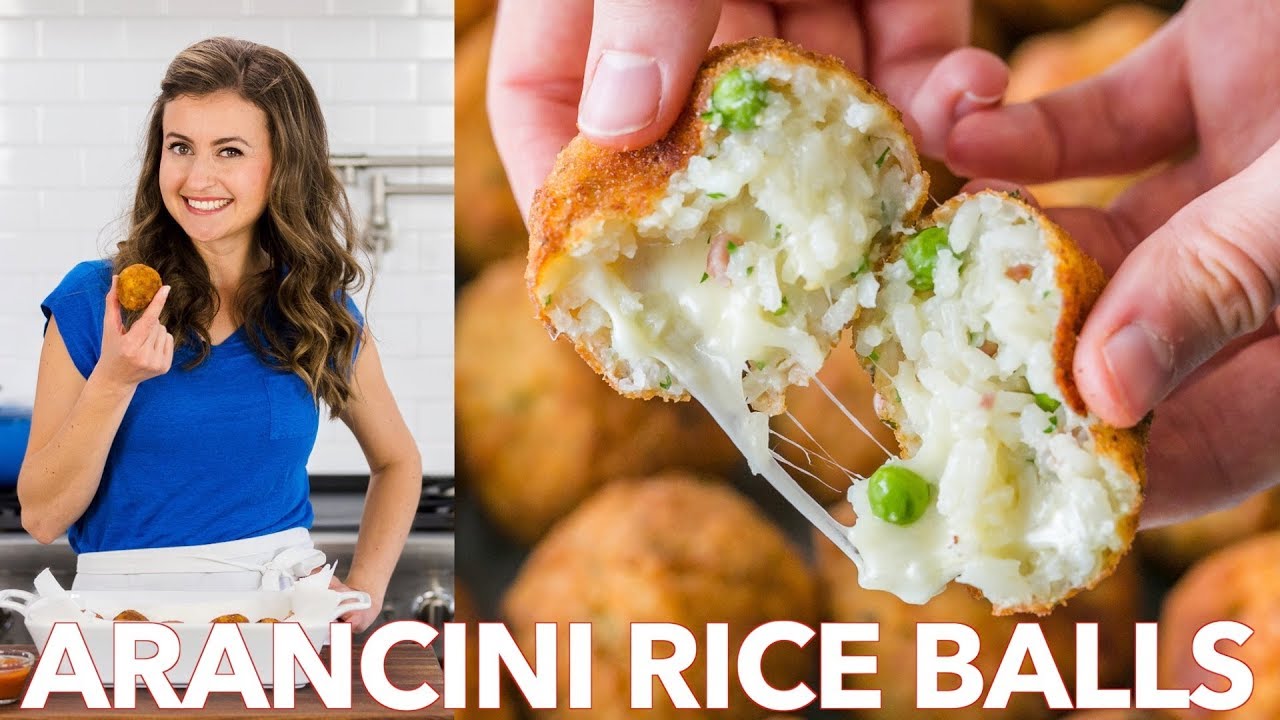
“Most homemade arancini fail at the same two points: watery risotto that won't hold its shape, and a coating that falls off the moment it hits heat. The solution to both problems is entirely about temperature control — specifically, how cold your risotto is before you shape it and how hot your oven runs when you bake. Everything else is just mise en place.”
Why This Recipe Works
Arancini are a lesson in controlled transformation. You start with something deliberately soft and loose — risotto — and through a precise sequence of cooling, shaping, coating, and heat, you produce something with a crispy shell and molten interior. Every step exists to manage a specific phase of that transformation. Skip or rush any one of them and the whole system fails.
The Risotto Foundation
Everything that happens after the risotto is built on what happens during it. Arborio rice is engineered for this — the grain has an unusually high amylopectin content (the branched starch molecule) that dissolves into the surrounding liquid as you stir, creating the thick, glossy matrix that makes risotto risotto. This is the same matrix that holds an arancini ball together under pressure and through a 400-degree oven.
The ladle-by-ladle broth addition isn't ceremony. Adding all the liquid at once boils the rice instead of cooking it — you get separate, water-logged grains rather than a cohesive mass. Each small addition of broth gets fully incorporated before the next, building starch concentration progressively. The result, when you spread it on a sheet pan, looks almost too thick and glossy. That's correct.
The Cold Equation
Room-temperature risotto is structurally weak. The starch matrix is still partially fluid, the butter hasn't resolidified, and the whole mixture deforms under the slightest hand pressure. You cannot shape it cleanly, you cannot seal a filling inside it, and you cannot get it to hold a sphere through the baking process.
Cold risotto is a different material. After an hour in the fridge, the butter resolidifies, the starch sets, and the mixture firms into something you can actually shape with control. The overnight refrigeration that traditional Sicilian home cooks use isn't just convenience — it's the condition that makes the recipe work. If you're making arancini same-day, budget the cooling time honestly.
The Coating Architecture
The three-component coating — egg wash, then panko-Parmigiano blend — is a precision system. The egg provides protein that coagulates in the oven and anchors the crumbs. The panko provides the physical structure of the crust. The Parmigiano provides fat and protein that brown faster than the panko alone, driving the golden color you see in the final product.
The avocado oil spray is the trigger that activates the whole system. Without fat coating every surface of the breadcrumbs, the exterior dries out in the oven instead of browning. Avocado oil's high smoke point means it stays clean at 400°F — it browns the crust without adding any acrid flavor from burning.
The Mozzarella Variable
Fresh mozzarella has approximately 52% moisture content. At baking temperatures, that moisture converts to steam and the cheese melts rapidly — faster than the exterior of the arancini browns. This is why small cubes and complete enclosure are non-negotiable. A large piece of mozzarella generates too much steam pressure before the rice exterior has set, and you get a blowout. A gap in the rice layer gives that steam a direct exit route and the filling leaks out entirely.
A heavy-bottomed wide saucepan for the risotto and a large rimmed baking sheet for the oven work are the two pieces of equipment that matter most. The saucepan controls your risotto quality. The baking sheet — with enough space between each arancini — controls whether you're roasting them or steaming them in their own moisture.
Why Baking Works
Deep-frying is faster, richer, and more traditional. But baking is more controllable, which matters more for a home kitchen without a dedicated fryer and thermometer. At 400°F with an oil-sprayed coating, you get the Maillard browning and structural crust that frying provides — just slightly less aggressively. The tradeoff is a slightly less rich mouthfeel and an extra 15 minutes of cook time. For most home cooks, that's a reasonable exchange.
Arancini are Sicilian street food that became a pantry staple because they're forgiving to make ahead, impossible to eat badly, and structurally satisfying in a way that few foods achieve. The engineering is simple once you understand it. The results are not simple at all.
Where Beginners Mess This Up
Before we start, read this. These are the 4 reasons your crispy sicilian arancini (the baked version that actually works) will fail:
- 1
Not cooling the risotto completely: Warm risotto is loose, sticky, and structurally useless. The starch needs to fully gelatinize and firm up as it cools — this is what gives the arancini enough structure to hold a filling and survive the baking process. Thirty minutes at room temperature is the minimum. An hour is better. Overnight in the fridge is ideal.
- 2
Skipping the egg wash adhesion step: Panko breadcrumbs will not stick to a dry rice ball — they slide off during baking and you end up with naked arancini and a pile of breadcrumbs on your sheet pan. The egg wash creates a tacky surface that the breadcrumbs adhere to. Press them in gently; don't just roll and hope.
- 3
Undercooking the risotto base: Arancini are only as good as the risotto underneath them. If you rush the broth addition or don't stir consistently, you get separate grains instead of the creamy, starchy matrix that binds the ball together. The rice should be al dente but the overall texture should look almost porridge-like when hot — it firms dramatically as it cools.
- 4
Overfilling with mozzarella: A single small cube of mozzarella is all you need. Overfill and the cheese melts faster than the exterior cooks, creating a blowout — the ball splits open and leaks. Small cube, completely enclosed, no gaps in the rice layer around it.
The Video Reference Library
Want to see it in action? Here are the exact videos we analyzed and combined to build this foolproof recipe translation:
The source video for this recipe. Covers the risotto base technique and the critical cooling step in detail. Pay close attention to the risotto consistency before spreading.
🛠️ Core Equipment
- Heavy-bottomed wide saucepanEven heat distribution is essential for risotto. A thin pan creates hot spots that cook the bottom layer too fast and leave the top undercooked. You want consistent, gentle heat across the entire base.
- Large rimmed baking sheetGives each arancini enough space to brown on all sides without steaming each other. Crowded arancini create a humid microclimate on the sheet and the coating turns soft instead of crispy.
- Parchment paperPrevents the coating from sticking and tearing when you turn them. Without it, half your crust stays on the pan.
- Avocado oil sprayEven coverage at high temperatures without burning. Avocado oil has a smoke point above 500°F — well above the 400°F baking temperature. Olive oil spray burns before it browns.
Crispy Sicilian Arancini (The Baked Version That Actually Works)
🛒 Ingredients
- ✦2 cups arborio rice
- ✦5 cups vegetable broth
- ✦1 medium yellow onion, finely diced
- ✦3 cloves garlic, minced
- ✦1 cup frozen garden peas
- ✦8 ounces fresh mozzarella, cut into small cubes
- ✦1/2 cup grated Parmigiano-Reggiano cheese
- ✦2 tablespoons unsalted butter
- ✦2 tablespoons extra virgin olive oil
- ✦1/2 teaspoon saffron threads, steeped in 1/4 cup warm water
- ✦1 teaspoon dried oregano
- ✦1/2 teaspoon sea salt
- ✦1/4 teaspoon black pepper
- ✦2 large eggs, beaten
- ✦1 cup panko breadcrumbs
- ✦3 tablespoons grated Parmigiano-Reggiano for coating
- ✦Avocado oil spray for baking
👨🍳 Instructions
01Step 1
Heat vegetable broth in a separate pot over medium heat and maintain at a gentle simmer throughout the risotto cooking process.
02Step 2
Warm olive oil in a large heavy-bottomed saucepan over medium-high heat. Add the diced onion and cook, stirring occasionally, until softened and translucent, about 4 minutes.
03Step 3
Add the minced garlic and cook for 1 minute, stirring constantly until fragrant.
04Step 4
Add the arborio rice and stir continuously for 2 minutes, coating each grain with oil and toasting lightly until the edges turn translucent.
05Step 5
Begin adding warm broth one ladle at a time, stirring frequently and waiting until each addition is almost fully absorbed before adding the next. Continue for 18-20 minutes until the rice is creamy and tender with a slight bite.
06Step 6
Stir the saffron with its soaking liquid into the rice during the final 2 minutes of cooking.
07Step 7
Remove from heat and fold in the butter, Parmigiano-Reggiano, frozen peas, oregano, salt, and black pepper until fully combined.
08Step 8
Spread the risotto onto a large rimmed baking sheet in an even layer and cool completely at room temperature for at least 30 minutes, stirring occasionally. Refrigerate for 1 hour if time allows.
09Step 9
Preheat oven to 400°F. Line a large baking sheet with parchment paper.
10Step 10
Wet your hands slightly to prevent sticking. Scoop about 2 tablespoons of cold risotto into your palm, press one small mozzarella cube into the center, and close the rice completely around it, shaping into a firm ball.
11Step 11
Combine panko breadcrumbs with the 3 tablespoons of Parmigiano-Reggiano in a shallow bowl. Place beaten eggs in a second shallow bowl.
12Step 12
Dip each arancini into the egg wash, letting excess drip off, then roll in the breadcrumb mixture and press gently to adhere. Place on the prepared baking sheet with 2 inches of space between each.
13Step 13
Spray each arancini evenly with avocado oil on all sides.
14Step 14
Bake for 20-25 minutes until deep golden brown, turning once halfway through.
15Step 15
Rest on the baking sheet for 3-4 minutes before serving. Serve with marinara sauce or lemon wedges.
Nutrition Per Serving
Estimates based on standard preparation. Adjustments alter macros.
🔄 Substitutions
Instead of Arborio rice...
Use Brown arborio or farro
Texture remains creamy but with a chewier grain and nuttier flavor. Increase cook time by 5-8 minutes and add an extra half cup of broth. The balls will hold their shape equally well once cooled.
Instead of Whole mozzarella filling...
Use Mozzarella with roasted vegetables (sun-dried tomatoes, spinach, mushrooms)
More complex filling with better nutritional density. Chop vegetables finely so they don't create structural weak points in the ball. Don't overfill — same rule applies.
Instead of Panko breadcrumbs...
Use Panko mixed with ground almonds or walnuts (2:1 ratio)
Denser coating with a pleasant nuttiness. The nut fat browns aggressively, so watch the oven closely in the final 5 minutes. Naturally gluten-reducible by increasing the nut ratio.
Instead of Parmigiano-Reggiano...
Use Mix of Parmigiano-Reggiano and aged Pecorino Romano (half and half)
Sharper, more characteristically Sicilian flavor. Pecorino is saltier, so reduce added salt in the risotto base by a quarter teaspoon.
🧊 Storage & Reheating
In the Fridge
Store cooled arancini in an airtight container for up to 3 days. They will soften in the fridge — this is unavoidable.
In the Freezer
Freeze baked arancini for up to 2 months. Arrange in a single layer to freeze solid before transferring to a bag to prevent sticking.
Reheating Rules
Reheat in a 375°F oven for 10-12 minutes directly from the fridge, or 18-20 minutes from frozen. The oven restores the crust; the microwave destroys it.
❓ Frequently Asked Questions
Why do my arancini fall apart during shaping?
The risotto isn't cold enough. Warm risotto lacks the structural integrity to hold a ball shape under hand pressure. Refrigerate for at least 1 hour, ideally overnight. If it's still too loose, fold in an extra tablespoon of Parmigiano — the extra starch and fat help bind the mixture.
Can I deep-fry these instead of baking?
Yes, and the result is richer. Heat neutral oil to 350°F and fry in batches of 3-4 for 3-4 minutes, turning occasionally, until deep golden. Drain on a wire rack, not paper towels — paper traps steam and softens the bottom. The baked version is a practical substitute, not a superior one.
My coating keeps sliding off. What's wrong?
Either the egg wash was too thin (add a teaspoon of water and whisk again) or you didn't press the breadcrumbs in firmly enough. Gently cup each coated ball in both hands and compress lightly — this anchors the coating into the rice surface before baking.
Can I make arancini without saffron?
Yes. The saffron contributes color and a subtle floral note, but it's not load-bearing flavor. Substitute a quarter teaspoon of turmeric for color, or omit entirely. The rice will be white rather than golden, which is perfectly traditional in some regional Sicilian variations.
What's the best dipping sauce for arancini?
Classic marinara is the default for a reason — its acidity cuts through the richness of the cheese and rice. Arrabbiata (spicy marinara) works equally well. For something different, a lemon aioli provides brightness and richness simultaneously.
Can I use leftover risotto from another meal?
This is actually the traditional origin of arancini — they were invented to use day-old risotto. Cold leftover risotto that's already been refrigerated overnight is ideal starting material. Any risotto variant works: mushroom, asparagus, or plain Parmesan are all excellent bases.
The Science of
Crispy Sicilian Arancini (The Baked Version That Actually Works)
We turned everything on this page into a beautiful, flour-proof PDF cheat sheet. Print it out, stick it to your fridge, and never mess up your crispy sicilian arancini (the baked version that actually works) again.
*We'll email you the high-res PDF instantly. No spam, just perfectly cooked meals.
AlmostChefs Editorial Team
We translate the internet's most popular cooking videos into foolproof, beginner-friendly written recipes. We analyze multiple methods, test them in our kitchen, and engineer a single "Master Recipe" that gives you the best possible result with the least possible stress.