Anti-Inflammatory Power Bowl (Eat This Instead of Taking Supplements)
A nutrient-dense lunch bowl built entirely around ingredients with clinically studied anti-inflammatory compounds — turmeric, wild salmon, dark leafy greens, ginger, and extra-virgin olive oil. We cut through the wellness noise to give you a meal that actually delivers what the supplements promise.
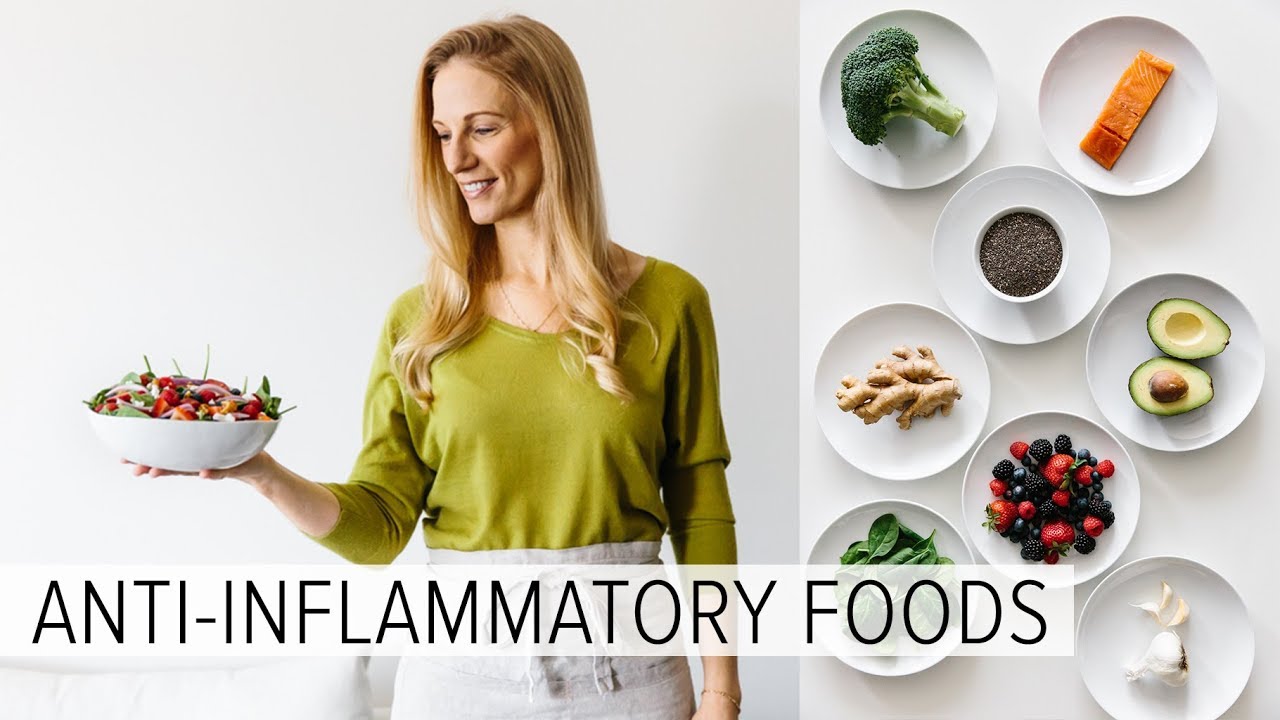
“The supplement industry sells anti-inflammatory pills by the billions while the actual research points to whole foods — turmeric with black pepper, fatty fish, dark leafy greens, and cold-pressed olive oil — as far more bioavailable than any capsule. This bowl isn't a trend. It's what the peer-reviewed literature consistently recommends, assembled into something you'll actually want to eat for lunch.”
Why This Recipe Works
Anti-inflammatory eating has become the most abused phrase in food media, attached to everything from juice cleanses to activated charcoal ice cream. Strip away the marketing and what the research actually shows is unglamorous and specific: certain whole foods contain compounds that measurably interfere with the inflammatory signaling pathways your body runs when it's under chronic stress. This bowl is built around those foods — not because they photograph well, but because the mechanisms are documented and the delivery method matters as much as the ingredients themselves.
Curcumin and the Piperine Problem
Turmeric is the ingredient most associated with anti-inflammatory eating, and also the one most commonly used wrong. The active compound, curcumin, is notoriously difficult for the human gut to absorb — standalone bioavailability studies put it below 1% in most contexts. The solution has been known since the 1990s: piperine, the alkaloid that makes black pepper spicy, inhibits the enzyme that metabolizes curcumin before it can be absorbed. The combination increases bioavailability by documented figures ranging from 154% to 2,000% depending on the study. This is why black pepper appears alongside turmeric in traditional Ayurvedic medicine — not for flavor, but because someone empirically figured out the pharmacokinetics long before the word existed. In this bowl, black pepper goes into the rice during cooking and into the dressing. Both matter. Neither is optional.
Curcumin is also fat-soluble, which is why cooking it in a fat medium rather than water helps with absorption. The olive oil in the dressing serves double duty: it's an anti-inflammatory compound in its own right and a delivery vehicle for the curcumin in the turmeric rice beneath it.
The Omega-3 Architecture
Wild-caught salmon is the structural protein of this bowl, and the distinction between wild and farmed is not snobbery — it's nutritional reality. Omega-3 fatty acids (EPA and DHA specifically) are precursors to anti-inflammatory eicosanoids that directly compete with the pro-inflammatory pathways driven by omega-6 fatty acids. The ratio between these two classes of fat is what determines the net effect. Wild Pacific salmon feeding on krill and cold-water algae accumulates a favorable omega-3 to omega-6 ratio. Farmed salmon fed grain-based pellets accumulates the opposite ratio. You can't out-cook that difference. The fat composition of the fish is determined before it reaches your kitchen.
The cast iron skillet technique here is critical for preserving this. Salmon skin contains a concentrated layer of those omega-3-rich fats just beneath it. Cooking the skin properly — searing it against a dry, very hot surface — renders it crisp while sealing the fat layer rather than letting it leach into the pan. Skin-off salmon cooked in a non-stick pan is not the same meal nutritionally. The surface area matters; the contact matters; the equipment matters.
Walnuts, Blueberries, and the Polyphenol Case
Walnuts are the most anti-inflammatory tree nut not because of their omega-3 content alone (their ALA omega-3 is significant but less bioavailable than marine sources) but because of their polyphenol profile — specifically ellagitannins, which gut bacteria convert to urolithins, compounds with strong anti-inflammatory and mitochondrial-protective effects. This conversion is highly individual based on gut microbiome composition, but the ingredient itself is among the most studied whole foods in the inflammation literature.
Wild blueberries — smaller, darker, and nutritionally distinct from farmed cultivars — carry the highest anthocyanin concentration of any common fruit. Anthocyanins are the pigments responsible for the deep blue-purple color, and they function as potent antioxidants that reduce markers of oxidative stress. They also have a short shelf life once picked, which is why frozen wild blueberries (picked and frozen at peak ripeness) often outperform fresh farmed blueberries that spent two weeks in a distribution chain. The purple cabbage works through the same mechanism — its anthocyanins are distinct in structure from the blueberry compounds, adding breadth to the polyphenol coverage.
Fresh Ginger and Why the Grater Matters
Gingerols — the active anti-inflammatory compounds in fresh ginger — are released through cell damage. Slicing ginger leaves most cells intact. Mincing improves release. Microplaning or grating produces a paste that ruptures virtually every cell, releasing the maximum concentration of gingerols into the dressing and rice. The difference is not subtle. A microplane costs twelve dollars and permanently improves everything you make with fresh ginger and garlic. The same principle applies to garlic's allicin — it requires physical cell damage followed by a brief resting period to fully form. Grate, rest two minutes, then use.
Extra-Virgin Olive Oil as the Binding Agent
Oleocanthal, the phenolic compound responsible for the throat-catching sensation at the back of your palate when you drink quality extra-virgin olive oil straight, was identified by researchers in 2005 as a natural COX inhibitor — functionally similar in mechanism to ibuprofen, though far less potent per dose. The research is real and the mechanism is understood. What the research also shows is that heat rapidly degrades oleocanthal. Above 375°F, it's gone. This is why this bowl uses avocado oil for the high-heat salmon sear and reserves the extra-virgin olive oil exclusively for the finishing dressing. A quality finishing olive oil drizzled cold over assembled food is doing a completely different job than the same oil poured into a screaming-hot pan.
This bowl is not magic. No meal is. But every ingredient here earns its place with a documented mechanism rather than a health claim, and the technique respects the chemistry enough to actually deliver it.
Where Beginners Mess This Up
Before we start, read this. These are the 4 reasons your anti-inflammatory power bowl (eat this instead of taking supplements) will fail:
- 1
Skipping the black pepper with turmeric: Curcumin, the active compound in turmeric, has abysmal standalone bioavailability — your gut absorbs less than 1% of it in isolation. Piperine, the compound in black pepper, increases curcumin absorption by up to 2,000%. This is not a wellness myth; it is documented pharmacokinetics. If you add turmeric without black pepper, you are eating yellow rice with no functional benefit.
- 2
Using farmed salmon over wild-caught: The omega-3 to omega-6 ratio is what makes fatty fish anti-inflammatory. Wild-caught salmon feeds on krill and algae, producing a favorable 1:1 to 1:3 omega-3 to omega-6 ratio. Farmed salmon fed grain-based pellets flips that ratio toward 1:8 or worse, which is pro-inflammatory — the exact opposite of what you're trying to achieve.
- 3
Overheating the olive oil: Extra-virgin olive oil's anti-inflammatory phenols — oleocanthal in particular — degrade rapidly above 375°F. Use it as a finishing drizzle or for low-heat sautéing only. High-heat cooking destroys the very compounds that justify its price tag. Use avocado oil for anything hot.
- 4
Ignoring cooking time on the greens: Dark leafy greens like kale and spinach should be lightly wilted, not boiled into submission. Extended heat destroys sulforaphane precursors in kale and the folate in spinach. Thirty seconds in a hot pan with a splash of water is all it takes. Treat them like they're expensive — because nutritionally, they are.
The Video Reference Library
Want to see it in action? Here are the exact videos we analyzed and combined to build this foolproof recipe translation:
A comprehensive breakdown of the most research-backed anti-inflammatory ingredients and exactly why each one works at the molecular level. Essential context before you build this bowl.
The definitive guide to skin-on salmon technique — cold pan start, patience, and why you never flip more than once. Directly applicable to the sear in this recipe.
Clear, research-grounded explanation of curcumin absorption, the piperine mechanism, and why fat-soluble delivery matters for getting any functional benefit from turmeric in food.
🛠️ Core Equipment
- Wide, shallow bowlSurface area matters for bowls. A deep bowl traps heat and steams the greens into mush while you eat. A wide, shallow bowl lets everything breathe and keeps temperatures separate so the cold components stay cold.
- Cast iron or stainless steel skilletFor searing the salmon skin-side down without steaming it. Non-stick pans don't generate enough surface heat to create the crust that locks in moisture. A properly seasoned cast iron or stainless pan is non-negotiable for fish with skin.
- Small saucepan with lidFor the turmeric rice. Steam-finishing — where you cook the rice most of the way then let it steam off-heat with the lid on — produces a fluffy, separated grain that absorbs the turmeric and ginger evenly without becoming gluey.
- Microplane or fine graterFresh ginger and garlic release dramatically more allicin and gingerol when grated versus minced. A microplane breaks down the cell walls more completely, producing a paste that distributes evenly through the dressing and rice rather than sitting in clumps.
Anti-Inflammatory Power Bowl (Eat This Instead of Taking Supplements)
🛒 Ingredients
- ✦2 wild-caught salmon fillets (6 oz each), skin on
- ✦1 cup long-grain brown rice
- ✦1 teaspoon ground turmeric
- ✦1/2 teaspoon freshly cracked black pepper, plus more to taste
- ✦1 tablespoon fresh ginger, microplaned
- ✦3 cloves garlic, microplaned
- ✦3 cups baby kale or curly kale, stems removed
- ✦1 cup fresh or frozen wild blueberries
- ✦1/2 cup shredded purple cabbage
- ✦1 medium avocado, sliced
- ✦1/4 cup walnuts, roughly chopped
- ✦3 tablespoons extra-virgin olive oil, divided
- ✦1 tablespoon avocado oil (for searing)
- ✦2 tablespoons fresh lemon juice
- ✦1 teaspoon raw honey
- ✦1 teaspoon Dijon mustard
- ✦1/4 teaspoon ground cumin
- ✦Sea salt to taste
- ✦1 tablespoon fresh flat-leaf parsley, chopped (for garnish)
👨🍳 Instructions
01Step 1
Rinse the brown rice until the water runs clear. Combine with 2 cups cold water, the ground turmeric, half the microplaned ginger, and a generous pinch of salt in a small saucepan. Bring to a boil over high heat, then reduce to the lowest simmer, cover, and cook for 20 minutes.
02Step 2
While the rice cooks, make the ginger-lemon dressing. Whisk together 2 tablespoons extra-virgin olive oil, lemon juice, honey, Dijon mustard, remaining ginger, one clove of the microplaned garlic, cumin, black pepper, and a pinch of salt until emulsified. Set aside.
03Step 3
Pat the salmon fillets completely dry with paper towels. Season the flesh side generously with salt and black pepper.
04Step 4
Heat the avocado oil in a cast iron or stainless skillet over medium-high heat until the oil just begins to shimmer. Place the salmon skin-side down and press gently for the first 10 seconds to prevent curling.
05Step 5
Cook skin-side down for 5-6 minutes without moving. The skin should be deeply golden and crisp. Flip once and cook flesh-side down for 2 minutes for medium, or 3 minutes for fully cooked through.
06Step 6
Remove the salmon from the pan and let it rest for 2 minutes. In the same pan over medium-low heat, add the remaining tablespoon of olive oil and the rest of the garlic. Toast for 30 seconds, then add the kale with a splash of water and toss for 30-45 seconds until just wilted. Remove from heat immediately.
07Step 7
Divide the turmeric rice between two wide bowls. Arrange the wilted kale, purple cabbage, blueberries, avocado slices, and walnuts around the rice.
08Step 8
Place one salmon fillet (skin up, to keep it crisp) in each bowl. Drizzle the ginger-lemon dressing over everything. Garnish with fresh parsley and an additional crack of black pepper.
Nutrition Per Serving
Estimates based on standard preparation. Adjustments alter macros.
🔄 Substitutions
Instead of Wild-caught salmon...
Use Canned wild sockeye salmon or sardines
Both are excellent omega-3 sources at a fraction of the cost. Sardines are actually higher in omega-3s per gram than salmon. Drain thoroughly and flake over the bowl — no cooking required.
Instead of Brown rice...
Use Quinoa or cauliflower rice
Quinoa adds complete protein and has a lower glycemic index. Cauliflower rice for a grain-free version — sauté it with turmeric and ginger directly in the pan for 4-5 minutes.
Instead of Baby kale...
Use Spinach, Swiss chard, or arugula
All are solid anti-inflammatory greens. Arugula is particularly high in nitrates and has a peppery bite that works well with the ginger dressing. Use it raw — no wilting needed.
Instead of Walnuts...
Use Hemp seeds or pumpkin seeds
Both are good nut-free alternatives. Hemp seeds are especially useful — they contain a near-ideal omega-3 to omega-6 ratio and can be sprinkled without any prep. Use 3 tablespoons.
🧊 Storage & Reheating
In the Fridge
Store components separately for up to 3 days. The assembled bowl does not store well — the dressing wilts the greens and the salmon loses its crust. Keep dressing in a sealed jar.
In the Freezer
The turmeric rice freezes well for up to 2 months in portioned containers. Salmon does not freeze well once cooked — freeze raw fillets instead and cook fresh.
Reheating Rules
Reheat the rice in a small saucepan with a tablespoon of water over low heat, covered, for 3-4 minutes. Reheat salmon in a 325°F oven for 8 minutes to preserve moisture. Assemble fresh after reheating.
❓ Frequently Asked Questions
Can I use ground ginger instead of fresh?
You can, but the functional compounds are different. Fresh ginger contains gingerols; dried ginger contains shogaols (formed during drying). Both have anti-inflammatory properties, but at different potencies. If substituting, use 1/2 teaspoon ground ginger for every tablespoon of fresh. The flavor is also significantly different — sharper and less bright.
Why does the recipe use avocado oil for searing and olive oil for dressing?
Smoke point and compound preservation. Avocado oil has a smoke point above 500°F and neutral flavor — it's purely a cooking medium here. Extra-virgin olive oil's phenolic compounds, particularly oleocanthal (which has ibuprofen-like COX inhibition), begin degrading above 375°F. Using it as a finishing oil preserves the compounds you're eating it for.
Is this bowl actually anti-inflammatory or is that just a marketing term?
Every ingredient has documented mechanisms. Curcumin inhibits NF-κB signaling. Omega-3 fatty acids in wild salmon are precursors to anti-inflammatory eicosanoids. Gingerols in fresh ginger inhibit cyclooxygenase enzymes. Anthocyanins in blueberries and purple cabbage reduce oxidative stress markers. This isn't wellness branding — it's documented food pharmacology. The caveat: no single meal reverses chronic inflammation. Consistency over weeks matters more than any single bowl.
How do I know if my salmon is wild-caught?
Look for 'wild-caught' or 'wild Pacific' on the label. Sockeye, coho, and pink salmon are almost always wild. Atlantic salmon labeled without 'wild' is almost always farmed. Frozen wild salmon is often better than 'fresh' farmed salmon that's been sitting — buy frozen wild sockeye from the freezer aisle with confidence.
Can I make this bowl vegan?
Yes. Replace the salmon with 1 cup of edamame and 2 tablespoons of hemp seeds per bowl. The edamame contributes complete protein; the hemp seeds add ALA omega-3s. Replace honey in the dressing with maple syrup. The anti-inflammatory profile shifts away from EPA and DHA (marine omega-3s) toward plant-based ALA — still effective, though ALA conversion to EPA/DHA in the body is limited.
How often should I eat this to see any effect?
The research suggests that dietary patterns over weeks and months — not individual meals — move inflammatory biomarkers like CRP and IL-6. Eating this bowl three to four times a week as part of a diet low in refined sugar and processed seed oils is where the evidence points. There is no anti-inflammatory meal that outworks a pro-inflammatory overall diet.

The Science of
Anti-Inflammatory Power Bowl (Eat This Instead of Taking Supplements)
We turned everything on this page into a beautiful, flour-proof PDF cheat sheet. Print it out, stick it to your fridge, and never mess up your anti-inflammatory power bowl (eat this instead of taking supplements) again.
*We'll email you the high-res PDF instantly. No spam, just perfectly cooked meals.
AlmostChefs Editorial Team
We translate the internet's most popular cooking videos into foolproof, beginner-friendly written recipes. We analyze multiple methods, test them in our kitchen, and engineer a single "Master Recipe" that gives you the best possible result with the least possible stress.