Crispy Aloo Gobi (The Dry Curry You've Been Overcooking)
A fragrant Indian dry curry of golden potatoes and tender cauliflower cooked in bloomed whole spices. We broke down the technique to fix the two mistakes home cooks make every time: soggy vegetables and under-developed spice base.
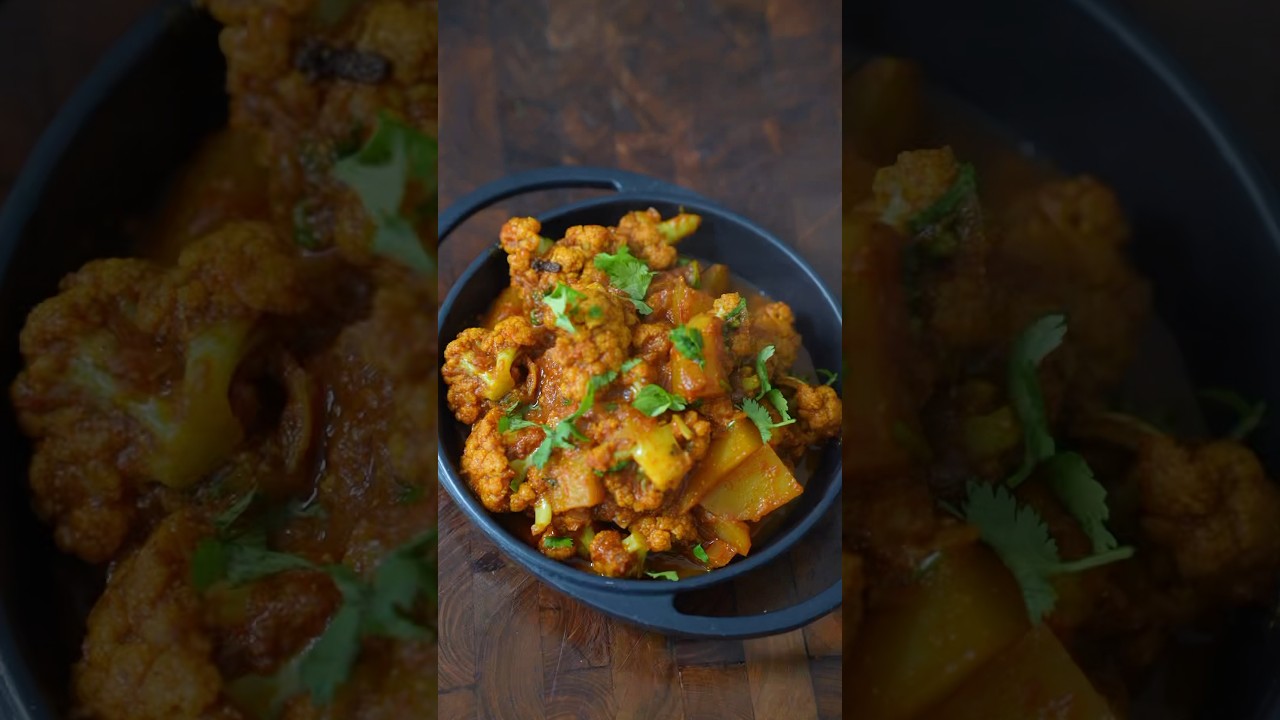
“Aloo Gobi is supposed to be a dry curry — each piece of potato and cauliflower distinct, lightly crisped at the edges, coated in spice but not drowned in sauce. What most people make instead is a grey, steamed vegetable mush with raw-tasting spices sitting on top. The fix isn't more time or more water. It's less of both, and understanding what order the pan actually wants things done.”
Why This Recipe Works
Aloo gobi gets dismissed as a simple dish. Two vegetables, a handful of pantry spices, one pan. And it is simple — in the same way that a properly seared steak is simple. The technique is minimal, which means every mistake is visible.
The Dry Curry Principle
Most Indian curries are defined by their sauce. Aloo gobi is defined by the absence of one. The goal is vegetables that are tender inside, slightly crisped at the edges, and coated in spice rather than submerged in it. This means water is a tool, not an ingredient — you use just enough to steam the potatoes through, then evaporate every drop before serving.
This is where most home cooks go wrong. They add a cup of water, keep the lid on, and then wonder why they have a pale, soggy vegetable soup. The lid comes off. The heat stays up. The pan works until the water is gone. Aloo gobi should look nearly dry in the pan when it's done.
Two Vegetables, Two Timelines
Potatoes and cauliflower have completely different cooking times, and the recipe accounts for this by staggering them ten minutes apart. The potato goes in first, gets a head start with covered steam cooking, and reaches about 60% done before the cauliflower enters the pan. From that point, they finish together in the uncovered phase.
If you add them simultaneously — a reasonable assumption if you've never made this before — the cauliflower disintegrates into grey mush while the potato catches up. The ten-minute separation is the structural decision the entire recipe depends on.
Uniform knife work matters here too. A 1-inch potato cube is not approximate — it's specific. Cut them larger and they're still raw when the cauliflower is done. Cut them smaller and they fall apart. A sharp chef's knife and consistent cuts are the only prep work that actually affects the outcome.
The Spice Bloom
Turmeric, cumin, coriander, and chili powder are all fat-soluble. Their flavor compounds dissolve into oil, not water. When you add ground spices to a dry-ish, hot-oiled pan full of aromatics and stir for 30 seconds, those compounds activate, toast slightly, and bind to the fat in the pan. They then coat every vegetable piece as it gets added.
When you add the same spices to a wet, medium-heat pan, they steam. The volatile oils don't activate. You get dusty, raw-tasting spice flavor sitting on the surface of the vegetables rather than fused into them. The 30-second bloom is not optional — it is the flavor of the dish.
Amchur: The Finishing Move
Amchur — dried raw mango powder — is the ingredient most Western recipes omit, and its absence is why most Western versions of aloo gobi taste flat. It adds a sharp, fruity tartness that cuts through the earthiness of the cumin and turmeric and makes the dish taste finished rather than heavy. Lemon juice at the end provides brightness, but it's a different quality of acidity. Amchur is deeper, more integrated, more complex.
Find it at any Indian grocery store. It costs almost nothing, keeps for a year, and transforms a dozen different dishes. It belongs in your pantry.
Where Beginners Mess This Up
Before we start, read this. These are the 4 reasons your crispy aloo gobi (the dry curry you've been overcooking) will fail:
- 1
Adding cauliflower too early: Cauliflower cooks twice as fast as potato. If you add them together, you get mush florets and crunchy potato cubes. The cauliflower goes in only after the potatoes are halfway done. Ten minutes apart, every time.
- 2
Skipping the spice bloom: Dumping ground spices into wet vegetables steams them instead of toasting them. You get raw, chalky spice flavor rather than the deep, roasted base the dish depends on. The spices must hit dry-ish aromatics in hot oil for 30 full seconds before any liquid enters the pan.
- 3
Using too much water: Aloo Gobi is a dry curry. The cup of water used mid-cook should be almost entirely evaporated by the time the dish is done. If there's sauce at the end, you either added too much water or didn't cook it off. Pull the lid off earlier and let the pan do the work.
- 4
Not letting the pan run hot enough: Medium heat makes soggy vegetables. You need medium-high to get any browning on the potato edges. That caramelization is what separates restaurant-quality aloo gobi from cafeteria vegetable stew.
The Video Reference Library
Want to see it in action? Here are the exact videos we analyzed and combined to build this foolproof recipe translation:
The reference video for this recipe. Clear technique on spice blooming and the two-stage vegetable cooking method that keeps cauliflower from going mushy.
🛠️ Core Equipment
- Large heavy-bottomed skillet or kadaiWide surface area lets moisture evaporate instead of pooling. A kadai's curved walls help toss vegetables without breaking them. A [12-inch cast iron skillet](/kitchen-gear/review/cast-iron-skillet) works perfectly.
- Lid that fits the skilletYou need covered cooking for the potato phase, then uncovered for the cauliflower. The lid timing controls texture — not the recipe's instinct to keep things covered the whole time.
- Sharp chef's knifeEven 1-inch potato cubes are non-negotiable. Irregular cuts mean some pieces are done while others are still raw. Uniform cuts are the only way to cook everything to the same doneness.
Crispy Aloo Gobi (The Dry Curry You've Been Overcooking)
🛒 Ingredients
- ✦3 tablespoons vegetable oil or ghee
- ✦2 medium yellow onions, finely diced
- ✦1 tablespoon fresh ginger, minced
- ✦4 cloves garlic, minced
- ✦2 green chiles, finely sliced
- ✦1 pound medium potatoes, cut into 1-inch cubes
- ✦1 medium head cauliflower, cut into bite-sized florets
- ✦2 teaspoons ground cumin
- ✦1.5 teaspoons ground coriander
- ✦1 teaspoon turmeric powder
- ✦0.5 teaspoon red chili powder
- ✦0.5 teaspoon asafoetida powder
- ✦1 teaspoon salt, or to taste
- ✦0.5 teaspoon black pepper
- ✦1 cup water
- ✦2 tablespoons fresh cilantro, chopped
- ✦1 tablespoon fresh lemon juice
- ✦1 teaspoon amchur powder (dried mango powder, optional)
👨🍳 Instructions
01Step 1
Cut potatoes into uniform 1-inch cubes and break cauliflower into bite-sized florets. Keep them in separate bowls — they go in the pan at different times.
02Step 2
Mince ginger and garlic together into a paste-like consistency. Slice green chiles into thin rings.
03Step 3
Heat oil or ghee in a large skillet over medium-high heat until shimmering, about 1 minute.
04Step 4
Add diced onions and sauté for 4-5 minutes, stirring frequently, until golden and translucent.
05Step 5
Add the ginger-garlic paste and green chiles. Cook for 1 minute, stirring constantly, until fragrant.
06Step 6
Sprinkle cumin, coriander, turmeric, chili powder, and asafoetida directly over the aromatics. Stir constantly for 30 seconds to bloom the spices in the hot fat.
07Step 7
Add potato cubes and stir well to coat every piece in the spice mixture. Cook uncovered for 2-3 minutes, letting the potatoes take on some color.
08Step 8
Pour in the water and bring to a boil over medium-high heat. Reduce heat to medium, cover, and simmer for 10 minutes until potatoes are halfway cooked.
09Step 9
Remove the lid and add cauliflower florets. Stir gently to distribute through the potatoes without breaking the florets.
10Step 10
Cook uncovered for 8-10 minutes, stirring occasionally, until both vegetables are tender and nearly all liquid has evaporated.
11Step 11
Season with salt and black pepper. Add amchur powder if using — it brightens the whole dish with subtle tartness.
12Step 12
Squeeze fresh lemon juice over the pan, toss once, and remove from heat.
13Step 13
Garnish with chopped cilantro and serve immediately alongside steamed basmati rice or warm naan.
Nutrition Per Serving
Estimates based on standard preparation. Adjustments alter macros.
🔄 Substitutions
Instead of Vegetable oil...
Use Ghee or coconut oil
Ghee gives a richer, more authentic flavor. Coconut oil adds subtle sweetness. Either raises the fat profile slightly but improves overall depth.
Instead of Regular potatoes...
Use Purple or red potatoes
Higher antioxidant content and lower glycemic index. Slightly nuttier flavor and creamier texture. Cut the same way — behavior in the pan is identical.
Instead of Water...
Use Vegetable broth
Adds more flavor complexity to the base. Use low-sodium broth or you'll need to pull back on added salt.
Instead of Asafoetida powder...
Use 0.5 teaspoon ground fennel seeds plus a pinch of black salt
Asafoetida can be hard to find. This combination approximates its digestive and umami qualities without requiring a specialty store run.
🧊 Storage & Reheating
In the Fridge
Store in an airtight container for up to 4 days. The spices deepen overnight — day-two aloo gobi is arguably better.
In the Freezer
Freezes well for up to 2 months. The texture softens slightly on thaw but flavor holds. Freeze in individual portions.
Reheating Rules
Reheat in a dry skillet over medium heat for 5-7 minutes, stirring occasionally. This restores some of the crisped edges. Microwave works but produces a softer result.
❓ Frequently Asked Questions
Why is my aloo gobi watery?
Either you added too much water, kept the lid on too long, or both. Aloo gobi is a dry curry — the cup of water used during cooking should be almost completely evaporated by the time you serve it. Cook uncovered for the full cauliflower phase and turn heat up if liquid isn't cooking off.
Can I add tomatoes?
Yes, but it changes the dish significantly. Tomatoes add acidity and moisture, pushing it toward a saucier curry. If you add them, reduce the water to half a cup and add the tomatoes with the spice bloom. Understand you're making a different dish — not better or worse, just different.
My spices taste raw and chalky. What went wrong?
You skipped or rushed the bloom step. Ground spices need 30 seconds in hot fat to toast and activate their volatile oils. If they hit a wet, crowded pan, they steam instead of blooming and that raw, dusty flavor never cooks out.
Do I need asafoetida? It's hard to find.
No. It adds a mild onion-garlic undertone and is traditionally used to aid digestion, but the dish holds up without it. Substitute with the fennel seed and black salt combination listed above, or simply omit it.
Can I make this ahead of time?
Yes, and it improves with time. Make it up to two days ahead, refrigerate, and reheat in a dry skillet. The spices meld and deepen overnight. Just don't add the lemon juice and cilantro until you're ready to serve.
What's the difference between aloo gobi and other potato curries?
Aloo gobi is deliberately dry. There's no coconut milk, no tomato sauce, no gravy. The spices coat the vegetables directly rather than suspending them in liquid. It's closer in technique to a roasted vegetable dish than a stew — which is why the high heat and uncovered cooking phase matter so much.

The Science of
Crispy Aloo Gobi (The Dry Curry You've Been Overcooking)
We turned everything on this page into a beautiful, flour-proof PDF cheat sheet. Print it out, stick it to your fridge, and never mess up your crispy aloo gobi (the dry curry you've been overcooking) again.
*We'll email you the high-res PDF instantly. No spam, just perfectly cooked meals.
AlmostChefs Editorial Team
We translate the internet's most popular cooking videos into foolproof, beginner-friendly written recipes. We analyze multiple methods, test them in our kitchen, and engineer a single "Master Recipe" that gives you the best possible result with the least possible stress.