Agua Fresca That Actually Tastes Like Mexico (Not Sugar Water)
A refreshing Mexican watermelon drink blended with fresh lime, ginger, mint, and vanilla — strained clean and lightly sweetened with honey. We broke down the technique so yours comes out vibrant and balanced, not watery and flat.
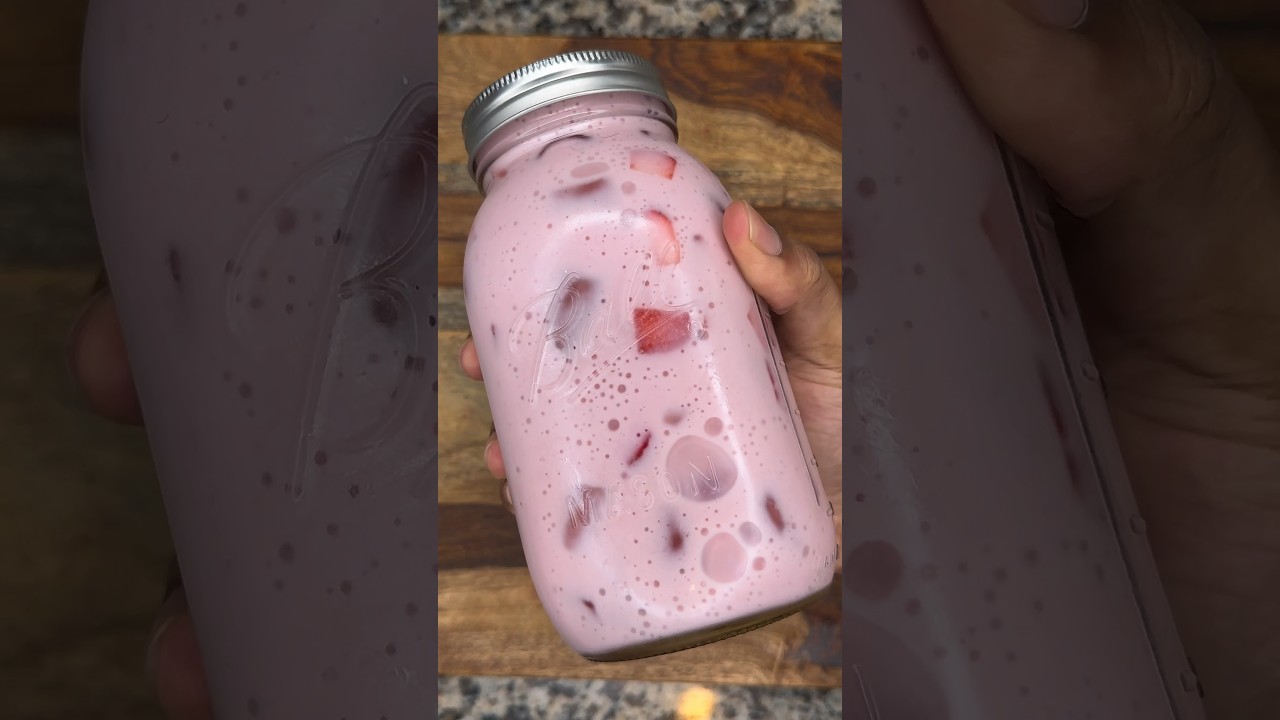
“Most homemade agua fresca fails the same way: too much water, not enough fruit, and zero technique when it comes to extracting flavor. The result is a pale pink liquid that tastes like someone whispered watermelon at a glass of water. Getting it right means understanding the ratio, the straining process, and why the ginger and mint need to be handled — not just dropped in.”
Why This Recipe Works
Agua fresca is deceptively simple and deceptively easy to get wrong. The name means "cool water" and that is exactly what most homemade versions taste like: cool water with ambitions. The gap between a flat, pale pink pitcher and the vivid, balanced drink you get from a Mexican market stand comes down to four variables — fruit quality, extraction technique, acid-salt balance, and infusion time. Nail those four and you have something worth making on repeat.
The Fruit Is the Recipe
No technique compensates for underripe watermelon. A pale, white-centered, flavorless watermelon produces pale, flavorless agua fresca. The test: a ripe watermelon feels heavy for its size (high water content), sounds hollow when tapped (internal pressure from ripe flesh), and smells faintly sweet at the stem end (volatile aromatics escaping through the rind). If you're buying cut watermelon, look for deep red flesh with no white streaking near the rind.
Two pounds of good watermelon blended and strained produces roughly 2-2.5 cups of concentrated juice. The remaining 4 cups of water bring it to drinking strength without washing it out. Increase the water beyond 6 cups total and the fruit flavor can no longer hold the structure of the drink.
Extraction Is a Step, Not an Afterthought
The blending is straightforward. The straining is where most people rush and lose flavor. A fine-mesh strainer pressed firmly with the back of a spoon extracts significantly more juice than a casual pour-through. The pulp that remains contains fiber strings and micro-particles that create chalky texture in the finished drink — keeping those out is the entire point. Press, wait, press again. The yield is worth the two extra minutes.
Salt and Acid Are the Real Sweeteners
The honey provides body and baseline sweetness. The lime provides brightness. But the sea salt is what makes both of those function at their highest level. Salt suppresses perceived bitterness — including the faint bitterness from lime pith that sneaks in even with freshly squeezed juice — and amplifies fruit sweetness by contrast. Remove the salt from this recipe and the drink tastes flatter and more one-dimensional even though none of the sweet or acid components changed.
The lime-to-sweetener balance is personal, but the starting ratio here (1 cup lime juice to 3 tablespoons honey across 6 cups total liquid) leans toward bright and tart. Taste after the initial stir and adjust from there. A common beginner mistake is adding sweetener until it tastes sweet in the pitcher — then serving it over ice, which dilutes the sweetness further, and ending up with a bland drink. Taste it over ice before declaring it done.
The Infusion Window
Ginger, mint, and vanilla are not instant. Dropped whole into a cold liquid, they contribute almost nothing in the first five minutes. After 30 minutes in the refrigerator, they've released enough volatile compounds to register clearly. After 8 hours overnight, they've fully integrated into the base and the result is noticeably more complex and cohesive.
Bruising the mint is non-negotiable. The oil glands in mint leaves are protected by the cell wall — intact leaves in cold liquid release flavor at a glacial pace. Thirty seconds of pressure between your palms ruptures those glands and immediately multiplies the aromatic output. It's the same principle behind muddling in cocktails, applied here without the alcohol.
The vanilla — whether bean or extract — ties together the watermelon's sweetness and the ginger's heat into something that doesn't taste like a fruit salad in a glass. It functions as a flavor bridge, and it's the ingredient most people leave out and then wonder why their version tastes thinner than yours.
Where Beginners Mess This Up
Before we start, read this. These are the 4 reasons your agua fresca that actually tastes like mexico (not sugar water) will fail:
- 1
Too much water, too little fruit: The 1:3 fruit-to-water ratio in most recipes is designed for quantity, not flavor. If your agua fresca tastes thin, that's why. Two pounds of watermelon should drive the flavor. The water is there to dilute to drinkable consistency — not to replace fruit.
- 2
Skipping the fine-mesh strain: Watermelon pulp is full of fiber strings that create an unpleasant, chalky mouthfeel. Pressing through a fine-mesh strainer gives you clean, smooth juice. Pouring directly from the blender into a pitcher is how you end up with a beverage that feels more like a smoothie than a refreshing drink.
- 3
Adding mint without bruising it: Mint leaves sitting whole in a liquid release almost no flavor. You need to bruise them — press them firmly between your palms or crush them briefly with a muddler — to rupture the oil glands before they hit the agua fresca. Whole leaves are garnish. Bruised leaves are flavor.
- 4
Not chilling before serving: Thirty minutes in the refrigerator lets the ginger, vanilla, and mint infuse properly. Served immediately, the drink tastes disjointed — you get separate hits of each component. After chilling, everything melds into a unified, balanced flavor.
The Video Reference Library
Want to see it in action? Here are the exact videos we analyzed and combined to build this foolproof recipe translation:
The foundational technique for straining and balancing watermelon agua fresca. Clear demonstration of the fine-mesh straining step and how to test sweetness before serving.
🛠️ Core Equipment
- High-powered blenderYou need 60-90 seconds at full speed to fully liquefy the watermelon. Underpowered blenders leave chunks that clog the strainer and reduce juice yield.
- Fine-mesh sieveEssential for removing pulp and fiber strings. Cheesecloth works in a pinch but takes twice as long. A [fine-mesh strainer](/kitchen-gear/review/fine-mesh-strainer) is the right tool — press, don't just pour.
- Large pitcher (at least 2 quarts)Six cups of water plus strained juice adds up fast. A too-small pitcher means you're stirring in a full vessel and spilling. Give yourself room to work.
- Citrus juicerEight to ten limes by hand is a workout and leaves significant juice in the rind. A [citrus juicer](/kitchen-gear/review/citrus-juicer) extracts 20-30% more juice per lime and keeps seeds out of the pitcher.
Agua Fresca That Actually Tastes Like Mexico (Not Sugar Water)
🛒 Ingredients
- ✦2 pounds fresh watermelon, cut into chunks
- ✦1 cup fresh lime juice (about 8-10 limes)
- ✦6 cups filtered water, divided
- ✦3 tablespoons raw honey or agave nectar
- ✦1/4 cup fresh mint leaves, loosely packed
- ✦1/4 teaspoon sea salt
- ✦2 tablespoons fresh ginger root, peeled and minced
- ✦1 whole vanilla bean, split lengthwise, or 1/2 teaspoon vanilla extract
- ✦Ice cubes for serving
- ✦Optional: 2 tablespoons fresh cilantro leaves for garnish
👨🍳 Instructions
01Step 1
Cut the watermelon into manageable chunks, remove any seeds, and place them in a large blender.
02Step 2
Pour 2 cups of filtered water into the blender with the watermelon chunks. Blend on high speed for 60-90 seconds until completely smooth.
03Step 3
Pour the blended mixture through a fine-mesh strainer into a large pitcher, pressing gently with the back of a spoon to extract all juice. Discard the pulp.
04Step 4
Add the remaining 4 cups of filtered water to the pitcher with the strained watermelon juice.
05Step 5
Squeeze fresh lime juice directly into the pitcher and stir well to combine.
06Step 6
Stir in the honey or agave nectar until fully dissolved, about 30 seconds of constant stirring.
07Step 7
Bruise the fresh mint leaves firmly between your palms to rupture the oil glands, then add them to the pitcher along with the minced ginger.
08Step 8
Scrape the vanilla bean seeds into the pitcher, or stir in vanilla extract if using.
09Step 9
Add the sea salt and stir gently to distribute all flavors evenly.
10Step 10
Refrigerate for at least 30 minutes to allow the ginger, mint, and vanilla to infuse.
11Step 11
Taste and adjust sweetness or lime juice to preference before serving.
12Step 12
Pour into glasses filled with ice and garnish with fresh cilantro or a thin watermelon slice if desired.
Nutrition Per Serving
Estimates based on standard preparation. Adjustments alter macros.
🔄 Substitutions
Instead of White granulated sugar...
Use Raw honey or pure maple syrup
Lower glycemic index than refined sugar. Honey adds floral complexity; maple syrup adds subtle earthiness. Dissolve in a small amount of warm water before adding to cold liquid.
Instead of Watermelon...
Use Cantaloupe or honeydew melon
Cantaloupe produces a more orange-hued fresca with higher vitamin A content. Honeydew yields a pale green, subtly sweet version. Both strain equally well. Adjust sweetener down slightly — they tend to run sweeter than watermelon.
Instead of Filtered water...
Use Coconut water or cooled herbal tea
Coconut water adds electrolytes and a faint tropical sweetness. Chamomile or hibiscus tea adds aromatic complexity and shifts the nutritional profile. Both work beautifully — use the same volume.
Instead of Fresh ginger root...
Use Turmeric powder
Use 1/2 teaspoon turmeric for every tablespoon of fresh ginger. It adds earthy warmth and a golden hue, plus curcumin's anti-inflammatory properties. The flavor is less sharp and more lingering than ginger.
🧊 Storage & Reheating
In the Fridge
Store covered in the pitcher for up to 3 days. Stir before serving — the ginger and mint settle over time. Flavor actually improves on day two.
In the Freezer
Pour into ice cube trays and freeze. Drop the cubes into sparkling water for a quick agua fresca on demand, or blend from frozen for a granita-style slush.
Reheating Rules
Not applicable — serve cold over ice. If the flavor fades after day two, add a fresh squeeze of lime and stir before serving.
❓ Frequently Asked Questions
Why does my agua fresca taste watery?
You used too much water relative to fruit, or your watermelon wasn't ripe enough. Ripe watermelon should smell sweet at the stem end and feel heavy for its size. If the fruit is bland, no amount of technique fixes it. For a flat batch, reduce by simmering two cups of the liquid in a small saucepan to concentrate the flavor, then return it to the pitcher.
Do I have to strain it?
Not if you prefer a thicker, smoothie-like consistency. But traditional agua fresca is strained — it should be light and fully liquid, not pulpy. The straining step is what makes it a beverage rather than a blended fruit drink.
Can I make this without a blender?
You can muddle the watermelon aggressively in a large bowl with a potato masher, then press through a fine-mesh strainer. It takes more effort and yields about 15% less juice, but the result is the same. A blender is strongly preferred.
How do I make it less sweet?
Cut the honey to 1.5 tablespoons and increase the lime juice by the juice of one additional lime. The lime acid replaces some of the sweetness perception. You can also substitute sparkling water for half the still water, which makes sweetness feel lighter without reducing the actual sugar.
Is there alcohol in agua fresca?
Traditional agua fresca is non-alcoholic. If you want a spiked version, tequila blanco is the natural pairing — 2 ounces per serving stirred in before serving. It becomes a watermelon margarita without the orange liqueur.
Can I use bottled lime juice?
Technically yes, but the flavor difference is significant. Bottled lime juice is pasteurized, which kills the volatile aromatic compounds responsible for lime's brightness. Fresh lime juice is acidic and alive. If you must use bottled, add extra lime zest directly to the pitcher to compensate.
The Science of
Agua Fresca That Actually Tastes Like Mexico (Not Sugar Water)
We turned everything on this page into a beautiful, flour-proof PDF cheat sheet. Print it out, stick it to your fridge, and never mess up your agua fresca that actually tastes like mexico (not sugar water) again.
*We'll email you the high-res PDF instantly. No spam, just perfectly cooked meals.
AlmostChefs Editorial Team
We translate the internet's most popular cooking videos into foolproof, beginner-friendly written recipes. We analyze multiple methods, test them in our kitchen, and engineer a single "Master Recipe" that gives you the best possible result with the least possible stress.