Creamy One-Pan Chicken (The TikTok Technique That Actually Works)
Crispy seared chicken breast finished in a buttery cream sauce with sun-dried tomatoes, wilted spinach, and a hit of lemon. We stripped the viral TikTok method down to its real technique so you can execute it perfectly every time — no ring light required.

“Every few months a chicken recipe goes viral. The clip is 45 seconds, the chicken looks perfect, and when you try it at home the skin is pale and the sauce is thin and watery. The problem isn't the recipe — it's what the video doesn't show you. Proper searing takes patience, not camera time. This recipe teaches you the actual technique behind every creamy one-pan chicken trend, so you can replicate it without the algorithmic luck.”
Why This Recipe Works
TikTok didn't invent this dish. What TikTok did was compress a 40-minute recipe into a 45-second clip and strip out every piece of technique that makes the difference between a glossy restaurant-quality result and a pale, watery disappointment you eat standing over the sink.
This is a one-pan cream sauce with seared chicken. It is one of the most reliable weeknight formats in existence. The reason it keeps going viral is that it looks impressive, costs almost nothing to make, and the flavor ceiling is genuinely high — if you understand the two techniques that actually matter.
The Sear Is the Whole Game
Everything downstream — the sauce, the texture, the flavor — depends on the first five minutes. Chicken breast is a forgiving protein punished into notoriety by people who skip the sear or rush it. Properly seared, it is deeply golden, juicy, and structurally sound enough to hold up in a sauce without falling apart. Improperly seared, it turns grey, weeps moisture into the pan, and makes a sauce that tastes like diluted cream.
The rules are simple and non-negotiable: the chicken must be dry, the oil must be hot, and you must not move the chicken until it releases on its own. That's it. The Maillard reaction needs sustained contact heat to generate the hundreds of flavor compounds that make seared protein taste categorically different from poached protein. Every time you move the chicken, you interrupt that process. Five minutes of patience here buys you everything.
Pound the chicken to even thickness first. This is not optional. A standard boneless chicken breast is 1.5 inches thick at the crown and less than half an inch at the thin end. Those two sections cannot finish cooking at the same time. By the time the thick end is safe, the thin end is cardboard. A meat mallet solves this in 90 seconds.
The Fond Is Your Second Ingredient
After the chicken comes out of the pan, the pan looks like a disaster. Those brown bits welded to the surface are not burnt residue — they are concentrated Maillard compounds, caramelized proteins, and evaporated fond that represent several minutes of cooking chemistry. They are the most flavorful thing in your kitchen right now.
When you add the broth and scrape the pan, those compounds dissolve into the liquid and become the backbone of the sauce. A cream sauce built on properly deglazed fond tastes like it came from a restaurant. A cream sauce built on a clean pan tastes like cream. There is no other way to build that depth without adding it back artificially with stock reductions or flavor enhancers.
Use a stainless steel skillet for this. Non-stick pans don't build fond — the surface chemistry prevents it. Cast iron works but requires more careful temperature management during the sauce stage. Stainless is the right tool for this specific job.
The Sauce Logic
Cream sauces fail for one reason: heat. Above a certain temperature, the emulsion between the fat and water-based components breaks, and you get a greasy, separated liquid that no amount of stirring will fix. The prevention is simple: once the cream is in, the sauce never boils again. It simmers. Medium heat, steady reduction, occasional stirring.
The Dijon mustard is doing invisible structural work. It contains compounds that act as emulsifiers — they bind fat and water together the same way lecithin binds oil and water in mayonnaise. You will not taste it as mustard. What you will taste is a sauce that stays cohesive and glossy rather than separating into cream and butter puddles.
The final mount — stirring in the last two tablespoons of cold butter off-heat — adds body and shine. It is the same technique used to finish pan sauces in every professional kitchen. It takes ten seconds and the difference is visible.
This is not a TikTok recipe. It is a classic French pan sauce technique applied to an American weeknight format, filmed in portrait mode, and set to a trending audio. The technique is old. The platform is new. The food, done correctly, is genuinely good.
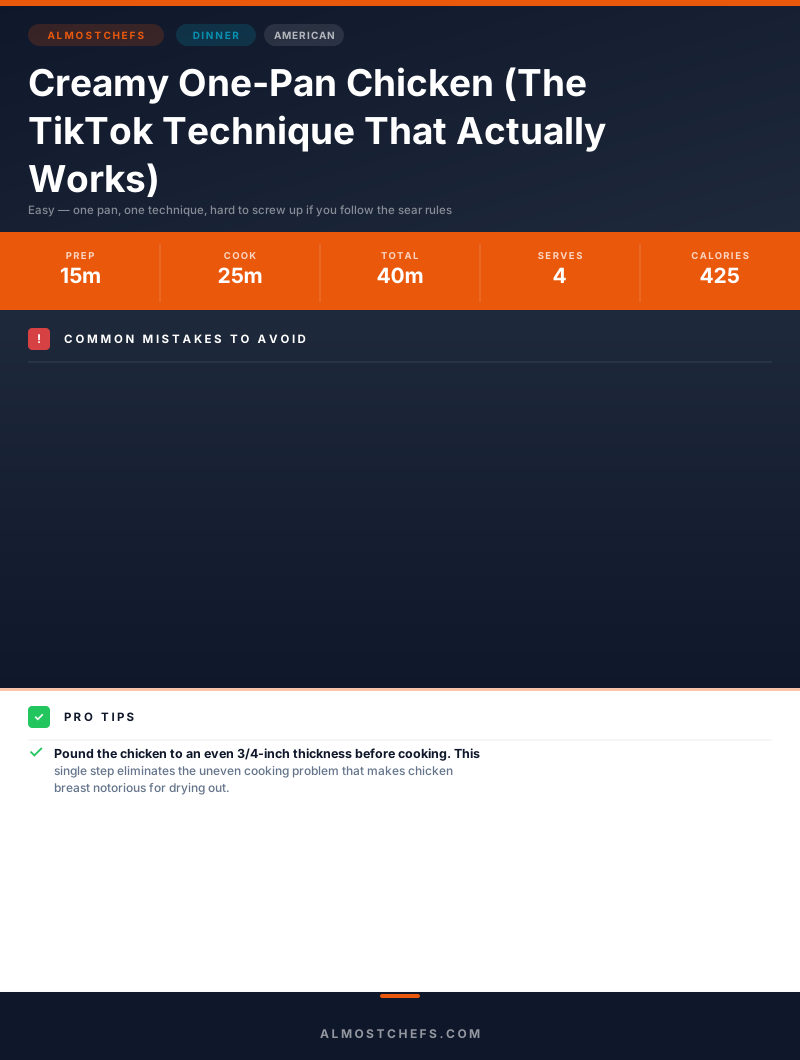
Where Beginners Mess This Up
Before we start, read this. These are the 4 reasons your creamy one-pan chicken (the tiktok technique that actually works) will fail:
- 1
Not drying the chicken before searing: Surface moisture is the enemy of a golden crust. When wet chicken hits hot oil, the water steams before the Maillard reaction can happen — you get a grey, steamed exterior instead of a proper crust. Pat every surface bone dry with paper towels before seasoning.
- 2
Moving the chicken during the sear: Every time you nudge, lift, or check the underside of the chicken, you interrupt crust formation. The chicken will release naturally from the pan when it's ready. If it's sticking, it's not done. Leave it alone for the full 5-6 minutes.
- 3
Adding the cream too hot: If the pan is screaming hot when the cream goes in, it will separate immediately into greasy puddles and white solids. Reduce to medium before adding any dairy. The sauce should simmer, not boil.
- 4
Skipping the fond: The browned bits stuck to the bottom of the pan after searing the chicken are not burnt residue — they are concentrated flavor. Adding the broth and scraping the fond into the sauce is the single step that separates a flat cream sauce from one with real depth.
The Video Reference Library
Want to see it in action? Here are the exact videos we analyzed and combined to build this foolproof recipe translation:

The source video that inspired this recipe. Watch the searing technique and how the chef manages pan temperature between the sear and the sauce — that temperature transition is the key move.
2. How to Build a Pan Sauce
Foundational technique for understanding fond, deglazing, and how to build depth in a cream sauce from the drippings left behind after searing protein.
3. One-Pan Creamy Chicken — Step by StepDetailed breakdown of the sauce reduction stage and how to tell when the cream has tightened enough to coat the back of a spoon without breaking.
🛠️ Core Equipment
- Large stainless steel or cast iron skillet ↗Non-stick pans don't build fond — the browned bits that flavor the sauce. Stainless steel or cast iron develops a proper crust and releases those compounds into the sauce when you deglaze.
- Instant-read thermometer ↗Chicken breast overcooks in seconds. At 165°F it's done. At 170°F it's dry. You cannot judge this by color or time alone. A thermometer is the difference between juicy and rubbery.
- Wooden spoon or flat-edged spatula ↗For scraping the fond after deglazing. Metal tools on stainless are fine; avoid metal on enamel coatings. The flat edge reaches into the corners of the pan where the best bits hide.
- Meat mallet or heavy skillet ↗Pounding the chicken to even thickness ensures every part of the breast reaches temperature simultaneously. Uneven breasts cook unevenly — the thin end dries out before the thick end is safe.
Creamy One-Pan Chicken (The TikTok Technique That Actually Works)
🛒 Ingredients
- ✦1.5 pounds boneless, skinless chicken breasts, pounded to even thickness
- ✦2 tablespoons extra-virgin olive oil
- ✦3 tablespoons grass-fed butter, divided
- ✦1 medium yellow onion, finely diced
- ✦4 cloves garlic, minced
- ✦1 cup low-sodium chicken broth
- ✦1/2 cup heavy cream or full-fat coconut milk
- ✦2 tablespoons fresh lemon juice
- ✦1 teaspoon Dijon mustard
- ✦1 cup fresh baby spinach, loosely packed
- ✦1/2 cup sun-dried tomatoes, chopped
- ✦1 teaspoon sea salt
- ✦1/2 teaspoon freshly cracked black pepper
- ✦1/4 teaspoon red pepper flakes
- ✦1 tablespoon fresh thyme leaves or 1 teaspoon dried thyme
- ✦1/4 cup fresh parsley, chopped
- ✦Zest of 1 lemon
- ✦2 tablespoons grated Parmigiano-Reggiano cheese, optional
👨🍳 Instructions
01Step 1
Pat the pounded chicken breasts thoroughly dry on all sides with paper towels.
02Step 2
Season both sides of each breast generously with sea salt, black pepper, and red pepper flakes.
03Step 3
Heat the olive oil in a large stainless steel or cast iron skillet over medium-high heat until it shimmers and a drop of water flicked in evaporates instantly, about 1 minute.
04Step 4
Place the chicken in the hot pan and sear without moving for 5-6 minutes until the underside releases naturally and is deep golden brown.
05Step 5
Flip each breast and cook for another 4-5 minutes until an instant-read thermometer reads 165°F at the thickest point. Transfer to a clean plate to rest.
06Step 6
Reduce heat to medium. Add 1 tablespoon of butter to the pan with all the browned bits still in place.
07Step 7
Add the diced onion and sauté for 3-4 minutes until translucent and softened.
08Step 8
Add the minced garlic and thyme and cook for 1 minute until fragrant.
09Step 9
Pour in the chicken broth and scrape the bottom of the pan firmly with a wooden spoon to release all the fond into the liquid.
10Step 10
Stir in the heavy cream and Dijon mustard until the sauce is smooth, about 1 minute.
11Step 11
Add the sun-dried tomatoes and baby spinach, stirring gently until the spinach is fully wilted, about 2 minutes.
12Step 12
Return the rested chicken to the pan and nestle it into the sauce.
13Step 13
Add the lemon juice and remaining 2 tablespoons of butter, stirring to incorporate.
14Step 14
Simmer gently for 2-3 minutes until the sauce thickens slightly and coats the chicken.
15Step 15
Taste and adjust seasoning, then finish with fresh parsley and lemon zest before serving.
Nutrition Per Serving
Estimates based on standard preparation. Adjustments alter macros.
🔄 Substitutions
Instead of Heavy cream...
Use Full-fat coconut milk or Greek yogurt whisked with chicken broth
Coconut milk holds together under heat better than most dairy alternatives. Greek yogurt adds tang and protein but must be tempered — stir a spoonful of the hot sauce into it before adding to the pan or it will curdle.
Instead of Grass-fed butter...
Use Ghee or avocado oil
Ghee has a higher smoke point and a nuttier flavor that works well with the thyme and garlic. Avocado oil is neutral and anti-inflammatory. Either works for both the sear and the sauce mount.
Instead of Chicken breasts...
Use Bone-in, skin-on chicken thighs
Thighs are more forgiving and richer. Extend the sear to 7-8 minutes per side and verify 165°F at the bone. The sauce will be noticeably more flavorful.
Instead of Sun-dried tomatoes...
Use Fresh cherry tomatoes, halved
Less concentrated flavor but brighter and fresher. Add them with the broth rather than the cream so they have time to break down and release their liquid into the sauce.
🧊 Storage & Reheating
In the Fridge
Store in an airtight container for up to 3 days. The sauce thickens considerably when cold — that's normal.
In the Freezer
Freeze the chicken and sauce together for up to 2 months. Cream-based sauces can separate on thawing; whisk vigorously while reheating to re-emulsify.
Reheating Rules
Reheat gently in a covered skillet over low heat with a splash of chicken broth to loosen the sauce. High heat will break the cream and turn the chicken rubbery.
❓ Frequently Asked Questions
Why did my sauce break and turn greasy?
The cream was added to a pan that was too hot, or the sauce was boiled rather than simmered after the cream went in. Cream separates above a rolling boil. Once it breaks, you can sometimes save it by removing the pan from heat and whisking in a tablespoon of cold butter, but prevention is easier than repair.
My chicken is golden on the outside but undercooked inside. What happened?
The pan was too hot and the chicken wasn't pounded to even thickness. The exterior charred before the interior could come up to temperature. Pound to 3/4-inch, use medium-high heat rather than maximum, and always verify with a thermometer.
Can I make this dairy-free?
Yes. Use full-fat coconut milk for the cream and ghee or avocado oil in place of butter. The sauce will be slightly thinner and have a mild coconut undertone that works well with the thyme and sun-dried tomatoes.
Can I add pasta to this dish?
Yes, and it's excellent. Cook 8 ounces of linguine or pappardelle al dente, reserve a cup of pasta water, and toss the cooked pasta into the sauce before returning the chicken. Add pasta water a splash at a time to loosen if needed.
Why Dijon mustard? Can I taste it?
You can't taste it as mustard, which is the point. Dijon contains emulsifying compounds that bind fat and water-based ingredients together, keeping the cream sauce smooth and glossy rather than greasy. It's a structural ingredient, not a flavoring one.
How do I know when the sauce is thick enough?
It should coat the back of a spoon and hold a line when you drag your finger through it. If the line fills in immediately, reduce for another minute. If it holds, you're done.
The Science of
Creamy One-Pan Chicken (The TikTok Technique That Actually Works)
We turned everything on this page into a beautiful, flour-proof PDF cheat sheet. Print it out, stick it to your fridge, and never mess up your creamy one-pan chicken (the tiktok technique that actually works) again.
*We'll email you the high-res PDF instantly. No spam, just perfectly cooked meals.
AlmostChefs Editorial Team
We translate the internet's most popular cooking videos into foolproof, beginner-friendly written recipes. We analyze multiple methods, test them in our kitchen, and engineer a single "Master Recipe" that gives you the best possible result with the least possible stress.