The Winter Vegetable Soup That Actually Warms You (Indian 6-Veg Method)
A quick Indian-spiced vegetable soup with six seasonal vegetables, cumin tempering, ginger-garlic base, and bright lemon finish. Ready in under 50 minutes, this is the soup that makes you understand why Indian winters are survivable. We built the technique around proper tempering order and staggered vegetable timing so nothing ends up mushy.
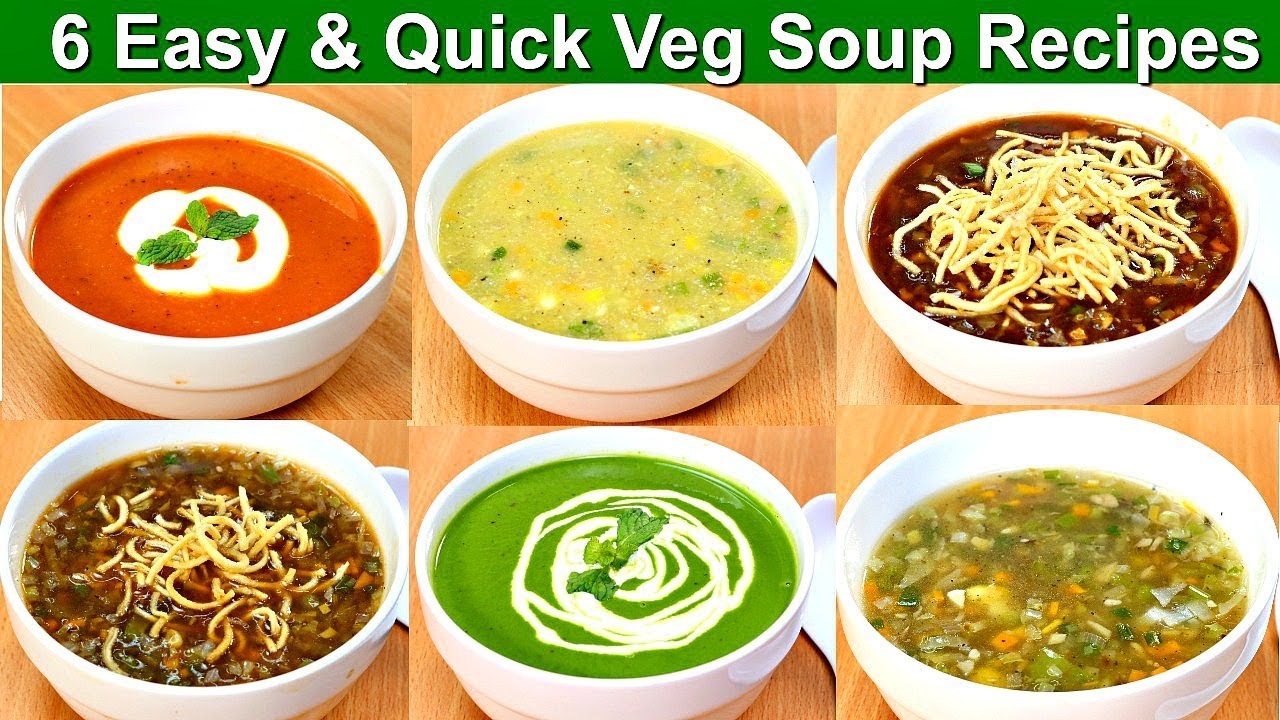
“Most vegetable soups taste like hot vegetable water. This one doesn't. The difference is the tempering: cumin seeds crackled in hot ghee until they pop, then onions, then ginger-garlic paste, building a flavor foundation before a single vegetable hits the pot. Six vegetables. Forty-six minutes. One pot. The kind of soup that makes you want to own a proper ladle.”
Why This Recipe Works
Indian vegetable soup has a bad reputation in the West because every Western approximation misses the single technique that makes it actually taste like something: the tarka. Before a single vegetable touches this pot, you build a spice foundation in hot fat that does more flavor work in 30 seconds than an hour of simmering ever could.
The Tarka Is Not Optional
Tarka — tempering whole spices in hot oil — is how Indian cooking solves the blandness problem that plagues every other soup tradition. You cannot replicate it by adding ground cumin to a finished broth. The chemistry is different. Cumin seeds in shimmering-hot ghee undergo pyrolysis: the volatile aromatic compounds release all at once into the fat, which then carries them through every component that follows. The result is a base flavor that saturates the entire soup rather than sitting on top of it.
The critical window is 30 seconds. Under 25 seconds and the seeds are still raw, tasting piney and harsh. Past 40 seconds and the seeds are scorched, turning bitter. You listen for the crack and pop — that's the moisture inside the seed vaporizing, which means the aromatic oils are releasing simultaneously. When it crackles, add the onions immediately.
The Tomato Problem
Every soup recipe tells you to add tomatoes. Almost none of them tell you to cook them long enough. Raw tomatoes introduced directly to broth stay raw — sharp, acidic, and structurally separate from everything else. They need 3-4 minutes in the onion-ginger base to break down their cell walls completely and integrate into the flavor matrix.
What you're aiming for is a paste consistency before the broth goes in. The onions, ginger-garlic, and tomatoes should look unified — a single reddish-brown mass that smells complex and deeply savory. That paste is your flavor base. The broth is just the liquid that surrounds it.
Vegetable Sequencing
The six vegetables in this soup have different densities and therefore different cooking times. Carrots and green beans are structurally dense — they need 17-20 minutes from the moment the broth comes to a boil. Corn and peas are already soft and only need 12-15. Add everything simultaneously and you solve one problem by creating another: the peas dissolve into mush precisely as the carrots become edible.
Staggered addition isn't complexity for its own sake. It's the reason every component finishes at the same moment, at the right texture. Use a heavy-bottomed pot to maintain a steady simmer — a thin pot fluctuates in temperature every time you add cold vegetables, extending cook times unpredictably.
The Acid Rule
Lemon juice is a finishing element, not a cooking ingredient. At simmering temperatures, citric acid undergoes prolonged heat exposure and breaks down into compounds that taste metallic and bitter — the opposite of what you want. The lemon goes in after the heat is off, right before ladling. Two tablespoons per four servings is the floor; taste and add more at the table if you want brightness without compromising the pot.
This is the most commonly violated rule in this recipe. The soup will not taste sour if you add the lemon correctly. It will taste alive.
Why Six Vegetables
Six is not arbitrary. Fewer vegetables and the soup tastes thin. More and it crowds the pot, drops the broth temperature during simmering, and turns into a stew with confused identity. The six in this recipe — carrot, green bean, corn, pea, tomato, onion — cover the full texture spectrum from crisp to soft, the full color spectrum from orange to green, and the full flavor spectrum from sweet to savory. Each earns its spot.
Where Beginners Mess This Up
Before we start, read this. These are the 4 reasons your the winter vegetable soup that actually warms you (indian 6-veg method) will fail:
- 1
Adding all the vegetables at once: Carrots and green beans need 5 minutes head start over corn and peas. Add everything simultaneously and you get mushy peas next to undercooked carrots. Stagger the additions by hardness — dense roots first, tender legumes last.
- 2
Skipping the tomato cook-down: Raw tomatoes dumped into broth taste sour and sharp. They need 3-4 minutes in the onion-ginger base to break down into a cohesive paste. This step transforms the tomatoes from an ingredient into a sauce — and that sauce is the backbone of every spoonful.
- 3
Adding lemon juice during cooking: Lemon juice added to simmering soup turns bitter and metallic within minutes. It goes in off-heat, right before ladling. The acid is there to brighten finished flavors, not to cook.
- 4
Under-tempering the cumin: Cumin seeds tossed into warm oil do nothing. They need hot, shimmering oil and 30 full seconds to crackle and pop. Undertempered cumin tastes raw and piney. Properly tempered cumin tastes nutty, warm, and unmistakably Indian.
The Video Reference Library
Want to see it in action? Here are the exact videos we analyzed and combined to build this foolproof recipe translation:
The source video this recipe is built from. Watch it for the tempering speed and onion color you're targeting before the ginger-garlic goes in.
🛠️ Core Equipment
- Large heavy-bottomed potEven heat distribution prevents the cumin from scorching before the onions go in. A thin pot creates hot spots that burn the tempering in seconds. A [Dutch oven](/kitchen-gear/review/dutch-oven) is ideal.
- Sharp chef's knifeUniform vegetable cuts aren't aesthetic — they're functional. Unevenly cut vegetables cook at different rates and you end up with some pieces overdone before others are tender.
- LadleFor serving hot soup cleanly without destroying the vegetable structure you spent 28 minutes building. A slotted spoon is not an acceptable substitute.
The Winter Vegetable Soup That Actually Warms You (Indian 6-Veg Method)
🛒 Ingredients
- ✦3 tablespoons ghee or cold-pressed coconut oil
- ✦1/2 teaspoon cumin seeds
- ✦2 medium yellow onions, finely diced
- ✦2 tablespoons fresh ginger-garlic paste
- ✦1-2 green chili peppers, minced
- ✦3 medium carrots, cut into 1/2-inch cubes
- ✦1 cup fresh green beans, chopped into bite-sized pieces
- ✦1 cup fresh or frozen corn kernels
- ✦1 cup fresh or frozen green peas
- ✦3 medium ripe tomatoes, diced (or 1 can crushed tomatoes)
- ✦5-6 cups vegetable broth or filtered water
- ✦1/2 teaspoon turmeric powder
- ✦1/4 teaspoon black pepper
- ✦Salt to taste
- ✦2 tablespoons fresh lemon juice
- ✦1/4 cup fresh cilantro leaves, chopped for garnish
- ✦1 bay leaf
👨🍳 Instructions
01Step 1
Cut all vegetables uniformly into bite-sized pieces. Keep the carrots and green beans separate from the corn and peas — they go in at different times.
02Step 2
Heat ghee or coconut oil in a large heavy-bottomed pot over medium-high heat until shimmering, about 1 minute.
03Step 3
Add cumin seeds to the hot oil and let them crackle for 30 seconds, stirring constantly. They should pop and turn slightly darker.
04Step 4
Add the diced onions immediately after the cumin becomes fragrant. Sauté over medium heat for 4-5 minutes until translucent and soft.
05Step 5
Add the ginger-garlic paste and minced green chili. Cook for 2 minutes until fragrant and the raw smell is completely gone.
06Step 6
Add the diced tomatoes. Cook for 3-4 minutes, stirring occasionally, until they break down and merge with the onion base into a thick paste.
07Step 7
Pour in the vegetable broth. Bring to a rolling boil over high heat, about 3-4 minutes.
08Step 8
Add the carrots and green beans. Cook for 5 minutes.
09Step 9
Add the corn and peas. Stir in turmeric, black pepper, and the bay leaf. Mix well to distribute the spices evenly.
10Step 10
Reduce heat to medium-low. Simmer for 12-15 minutes until all vegetables are tender but still hold their shape and color.
11Step 11
Taste and adjust salt. Remove the bay leaf.
12Step 12
Turn off the heat. Stir in the fresh lemon juice.
13Step 13
Ladle into bowls and garnish with fresh cilantro. Serve immediately.
Nutrition Per Serving
Estimates based on standard preparation. Adjustments alter macros.
🔄 Substitutions
Instead of Ghee...
Use Extra-virgin olive oil or cold-pressed coconut oil
Slightly lighter taste but the cumin tempering works the same way. Coconut oil adds faint sweetness. Neither replicates the nutty dairy richness of [ghee](/kitchen-gear/review/ghee), but both work.
Instead of White onions...
Use Red onions
Slightly sweeter with more vibrant color. Higher quercetin content if that matters to you. The flavor difference in a finished soup is subtle.
Instead of Vegetable broth with added salt...
Use Homemade vegetable scrap broth or low-sodium store-bought
Reduces sodium by up to 40% per serving and adds more depth. If you're skipping salt elsewhere, this substitution makes the biggest structural difference.
Instead of Regular vegetables...
Use Add 1 cup chopped spinach or kale in final 2 minutes
Increases fiber, iron, and micronutrient density without affecting cook time or flavor profile. One of the few 'healthier swap' suggestions that doesn't cost you anything.
🧊 Storage & Reheating
In the Fridge
Store in an airtight container for up to 4 days. The spices deepen by day 2.
In the Freezer
Freeze in individual portions for up to 3 months. Thaw overnight in the fridge.
Reheating Rules
Reheat gently over medium-low heat with a splash of vegetable broth to loosen. Add fresh lemon juice and cilantro again after reheating — both lose intensity when stored.
❓ Frequently Asked Questions
Why does my vegetable soup taste bland?
Three likely culprits: undertempered cumin (it needed to crackle and pop in hot oil, not warm oil), under-cooked tomatoes (they needed to break down fully into the base), or lemon juice added during cooking (it turns bitter — it always goes in off-heat at the end).
Can I use frozen vegetables instead of fresh?
Yes for corn and peas — add them frozen, they'll defrost in the broth within minutes. For carrots and green beans, fresh is meaningfully better in texture. Frozen versions turn soft faster and can get waterlogged.
Is this soup spicy?
With seeds in the green chili, yes — moderate heat. Remove the seeds for warmth without burn. Skip the chili entirely for a completely mild soup that's still deeply flavored from the cumin and ginger-garlic.
Can I make this without ghee to keep it vegan?
Absolutely. Cold-pressed coconut oil or olive oil both work for the tempering. The cumin still crackles, the onions still caramelize, and the soup is fully vegan.
Why do I add carrots and green beans before corn and peas?
Carrots and green beans are dense and need 17-20 minutes total to become tender. Corn and peas are already soft and only need 12-15 minutes. Adding everything at once gives you mushy peas and undercooked carrots in the same bowl.
Can I blend the whole soup into a smooth puree?
You can, but you lose the textural contrast that makes it interesting. A better move is partial blending — scoop out 1-2 cups, blend those, and stir back in. You get body and creaminess without losing the vegetable pieces entirely.
The Science of
The Winter Vegetable Soup That Actually Warms You (Indian 6-Veg Method)
We turned everything on this page into a beautiful, flour-proof PDF cheat sheet. Print it out, stick it to your fridge, and never mess up your the winter vegetable soup that actually warms you (indian 6-veg method) again.
*We'll email you the high-res PDF instantly. No spam, just perfectly cooked meals.
AlmostChefs Editorial Team
We translate the internet's most popular cooking videos into foolproof, beginner-friendly written recipes. We analyze multiple methods, test them in our kitchen, and engineer a single "Master Recipe" that gives you the best possible result with the least possible stress.