Elevated Instant Ramen (Five Bowls, Twenty Minutes, No Regrets)
Five packages of instant ramen transformed into a deeply savory, vegetable-loaded noodle bowl with real broth, egg ribbons, and fresh aromatics. We stripped out the sodium packets and rebuilt the flavor from scratch — same speed, completely different result.

“Instant ramen has a reputation problem. Not because the noodles are bad — they're actually excellent — but because the seasoning packet is doing all the work and doing it badly. Forty percent of your daily sodium in a single foil pouch, and the flavor still tastes flat. The fix isn't complicated: ditch the packet, build a real broth in the same pot, and let the noodles do what they were always capable of. Twenty-two minutes. No sacrifice on speed. Completely different bowl.”
Why This Recipe Works
Instant ramen is not the problem. The problem is the seasoning packet, and the solution is simply leaving it in the drawer.
The noodles themselves are flash-dried wheat noodles with a specific structure designed to rehydrate quickly and absorb broth efficiently. They are, genuinely, excellent at their job. What they've been paired with — a foil pouch containing salt, MSG, powdered broth, and anti-caking agents — is a shortcut that trades depth for convenience and destroys your sodium budget in three minutes flat. Remove the packet and you have a blank canvas. Add real aromatics and you have dinner worth making again.
The Broth Architecture
Eight cups of liquid sounds like a lot for a weeknight pot, but instant noodles are thirsty. Five packages of ramen will absorb nearly a cup of broth during the 3-4 minute cook, and each serving needs enough liquid to fill a bowl. Start with six cups of low-sodium chicken broth and two cups of bone broth — the bone broth adds body and a subtle richness that straight chicken broth can't match alone. This is not a wellness claim. It's a texture claim: collagen-rich broth coats the noodles differently than thin stock.
The garlic and ginger go in first, in hot oil, and they need to sauté — not simmer. The difference is the Maillard reaction: dry heat on aromatics creates hundreds of new flavor compounds that dissolve into the broth as it heats. Garlic sweated in a cool pan tastes raw and sharp. Garlic sautéed in properly hot oil for 60 seconds tastes complex and sweet. Use a large heavy-bottomed pot so you have surface area for even heat distribution across the bottom.
The Protein Timing Problem
Instant ramen's speed advantage gets wasted if you overcook the protein waiting for the noodles. The fix is sequencing: protein goes into the broth before the noodles, cooks for 4-5 minutes, then the noodles go in for their 3-4 minutes. By the time the noodles are done, the protein has rested in the hot broth and finished cooking through without turning rubbery. Chicken breast is the most unforgiving here — pull it the second it's cooked through, not a minute later.
Shrimp and tofu both move faster. Shrimp is done in 2-3 minutes; leave it in through the noodle cook and it turns into pink rubber bands. Tofu just needs to warm through — add it with the noodles rather than before.
The Egg Ribbon Technique
This is the step that separates a professional-looking bowl from a home-cook bowl, and it takes exactly one extra minute. Beat two eggs in a small bowl. Reduce the broth to a gentle simmer. Pour the eggs in a slow, thin, steady stream while stirring the broth continuously in one direction. The egg cooks instantly on contact with the hot liquid, setting into long silky ribbons that distribute through the bowl. The technique requires a fine grater or microplane for the ginger prep earlier — and patience for the eggs here. Fast pour equals scrambled eggs. Slow pour equals restaurant-quality ribbons.
The Finishing Acid
Rice vinegar at the end is not optional — it's the difference between broth that tastes finished and broth that tastes like it's missing something you can't identify. A single teaspoon of acid brightens every other flavor in the bowl, cuts through the richness of the sesame oil, and makes the soy sauce read as complex rather than just salty. This is basic flavor theory: fat, salt, heat, and acid. The vinegar is the acid. Skip it and the bowl falls flat.
The sesame oil goes in at the same time, also off or near-off heat. Sesame oil has a low smoke point and its flavor compounds volatilize quickly at high temperature — cooking it destroys it. Stir it in at the end and every bowl tastes toasted and nutty. Cook it from the start and it disappears entirely.
Five packages of instant ramen. Twenty-two minutes. The packet stays in the drawer. That's the whole recipe.
Where Beginners Mess This Up
Before we start, read this. These are the 4 reasons your elevated instant ramen (five bowls, twenty minutes, no regrets) will fail:
- 1
Using the seasoning packets: This is the whole problem. The packets contain over 800mg of sodium each — five packets across a pot means you're serving salt water with noodles. Discard them. The broth you build with garlic, ginger, soy sauce, and sesame oil will be more complex in flavor with less than half the sodium.
- 2
Overcooking the noodles: Instant ramen noodles cook in 3-4 minutes and turn to mush in 6. They continue cooking in the hot broth after you kill the heat, so pull them the moment they're just tender. If you're dividing into bowls for serving, do it immediately — don't let the pot sit.
- 3
Adding the eggs too early or too late: The egg ribbon technique requires a gentle simmer — not a rolling boil — and slow drizzling while stirring. Pour eggs into boiling broth and you get scrambled eggs floating in soup. Pour them in after the heat is off and you get raw streaks. Medium-low heat, slow pour, constant gentle stir.
- 4
Skipping the acid: Rice vinegar is the ingredient most people omit and most notice when it's missing. A teaspoon of acid brightens the entire bowl, cuts through the richness of the sesame oil, and makes the broth taste finished rather than flat. Don't skip it.
The Video Reference Library
Want to see it in action? Here are the exact videos we analyzed and combined to build this foolproof recipe translation:
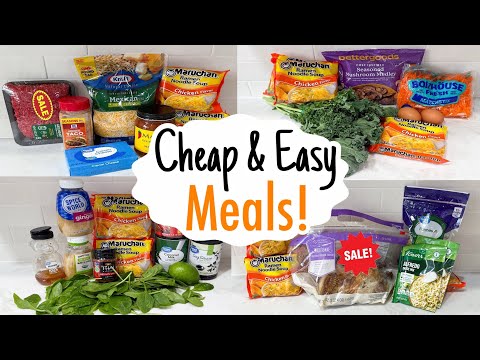
The source video that inspired this recipe. Demonstrates the broth-building technique and shows exactly what the egg ribbons should look like when done correctly.
2. How to Make Ramen Better at Home
A deep dive into instant ramen flavor science — why the packets fail and what aromatics actually replace them. Useful background for understanding the broth-first approach.
3. Quick Weeknight Noodle Bowl TechniqueCovers timing and portioning for noodle bowls made at volume — essential when cooking five packages at once and trying to serve them all at the same temperature.
🛠️ Core Equipment
- Large heavy-bottomed pot or Dutch oven ↗You need volume for five packages of noodles and eight cups of broth. A wide, heavy pot also distributes heat evenly, preventing the garlic and ginger from scorching in the first step.
- Fine grater or microplane ↗Fresh ginger grated on a microplane releases more juice and flavor than minced ginger. The difference in the finished broth is noticeable. A box grater works but is less efficient.
- Ladle ↗For portioning broth into bowls evenly. Trying to pour from a pot loaded with noodles means someone gets all the vegetables and someone gets none.
- Small bowl for eggs ↗Beat the eggs separately before adding them. Drizzling from a measuring cup with a pour spout gives you precise control over the egg ribbon technique.
Elevated Instant Ramen (Five Bowls, Twenty Minutes, No Regrets)
🛒 Ingredients
- ✦5 packages instant ramen noodles, sodium-reduced variety preferred (discard or reserve seasoning packets)
- ✦6 cups low-sodium chicken or vegetable broth
- ✦2 cups bone broth or additional chicken broth
- ✦3 cloves garlic, minced
- ✦1 tablespoon fresh ginger, grated
- ✦2 medium carrots, julienned
- ✦2 cups fresh spinach or bok choy, chopped
- ✦4 scallions, sliced thin (white and green parts separated)
- ✦1 pound protein — diced chicken breast, tofu cubes, or shrimp
- ✦2 tablespoons low-sodium soy sauce
- ✦1 tablespoon sesame oil
- ✦1 teaspoon rice vinegar
- ✦2 eggs, beaten
- ✦1/2 cup mushrooms, thinly sliced
- ✦1 tablespoon coconut oil
- ✦1 teaspoon sriracha or chili paste (optional)
- ✦Sea salt and black pepper to taste
👨🍳 Instructions
01Step 1
Heat coconut oil in a large pot over medium-high heat until shimmering, about 1 minute.
02Step 2
Add minced garlic and grated ginger to the hot oil. Sauté for 1 minute until fragrant and just beginning to color.
03Step 3
Add mushrooms and carrots. Cook for 3-4 minutes, stirring occasionally, until the vegetables begin to soften at the edges.
04Step 4
Pour in the chicken broth and bone broth. Bring to a gentle boil over medium-high heat.
05Step 5
Add your chosen protein to the boiling broth. Simmer for 4-5 minutes until cooked through, stirring occasionally.
06Step 6
Break apart the ramen noodles and add them to the pot. Cook according to package directions, usually 3-4 minutes, until just tender.
07Step 7
Stir in the soy sauce, sesame oil, and rice vinegar. Taste and adjust salt and pepper.
08Step 8
Add the spinach or bok choy and stir until wilted, about 1-2 minutes.
09Step 9
Reduce heat to medium-low. Slowly drizzle the beaten eggs into the simmering broth while stirring gently in one direction. Cook for 1 minute until egg ribbons set.
10Step 10
Add the white parts of the sliced scallions. Simmer for 30 seconds.
11Step 11
Ladle immediately into four bowls, distributing noodles, protein, and vegetables evenly. Top with the green scallion parts and black pepper.
12Step 12
Add sriracha or chili paste to individual bowls for those who want heat. Serve immediately.
Nutrition Per Serving
Estimates based on standard preparation. Adjustments alter macros.
🔄 Substitutions
Instead of Regular instant ramen seasoning packets...
Use Homemade broth aromatics (this recipe)
Each packet contains 800mg+ sodium. The garlic, ginger, soy sauce, and sesame oil in this recipe build equivalent flavor complexity at roughly half the sodium load.
Instead of Chicken breast...
Use Wild-caught salmon or white fish
Add at the same stage but reduce cook time to 3 minutes for fish. Salmon flakes into the broth and adds omega-3 fats. Cut into 1-inch cubes for even cooking.
Instead of Spinach or bok choy...
Use Kale or broccoli florets
Kale needs an extra 2 minutes to wilt properly. Broccoli florets work best if blanched for 1 minute before adding to the finished broth — they stay bright green and don't turn army-drab.
Instead of Coconut oil...
Use Extra virgin olive oil or neutral avocado oil
Olive oil reduces saturated fat significantly and adds polyphenols. Avocado oil has a higher smoke point and no flavor interference. Either works at the same quantity.
🧊 Storage & Reheating
In the Fridge
Store noodles and broth separately if possible, up to 2 days. Noodles left in broth overnight become bloated and mushy. Reheat broth separately, cook fresh noodles, and combine.
In the Freezer
Freeze the broth and protein only — not the noodles. Thaw overnight in the fridge and cook fresh noodles when ready to serve. Frozen noodles disintegrate.
Reheating Rules
Reheat broth on the stovetop over medium heat until simmering. Add fresh instant noodles and cook 3-4 minutes. Leftover noodles reheated in microwave turn gluey — not worth it.
❓ Frequently Asked Questions
Can I use the seasoning packets if I want more flavor?
You can, but you'll undo the entire point of this recipe. One packet adds 800mg of sodium — five packets across the pot adds 4,000mg before any other seasoning. If the finished broth tastes flat without the packets, the fix is more garlic, a touch more soy sauce, or a teaspoon of miso paste — not the packet.
Why do my egg ribbons turn into scrambled egg chunks?
The broth is too hot and you're pouring too fast. Reduce heat to medium-low until the broth is just barely simmering — small bubbles, not a rolling boil. Then drizzle the beaten egg in a thin, slow stream while stirring continuously in one direction. Speed and heat are both enemies here.
How do I keep the noodles from getting soggy if I'm not eating right away?
Cook the noodles separately in boiling water for 2 minutes, drain, and add to individual bowls. Ladle the hot broth over them at serving time. This prevents the noodles from sitting in liquid and absorbing it while the broth stays hot.
Can I make this vegetarian?
Yes. Use vegetable broth in place of chicken and bone broth, swap chicken for firm tofu or edamame, and replace the soy sauce with tamari for a cleaner umami hit. The egg ribbons are still vegetarian-friendly — omit them if vegan.
What other vegetables work here?
Corn kernels, sliced snap peas, baby bok choy, shredded cabbage, and thinly sliced bell peppers all work well. Add harder vegetables (corn, snap peas) with the carrots. Add leafy greens at the end, same as the spinach. Don't overcrowd the pot — the broth-to-noodle ratio needs to stay high.
Is this actually cheaper than just making regular ramen?
Yes. Five packages of sodium-reduced ramen run about $3-4. The broth, vegetables, and protein add $6-8 depending on your protein choice. You're feeding four people a complete meal for roughly $2.50-3 per bowl — less than a single fast food combo, with actual vegetables in it.
The Science of
Elevated Instant Ramen (Five Bowls, Twenty Minutes, No Regrets)
We turned everything on this page into a beautiful, flour-proof PDF cheat sheet. Print it out, stick it to your fridge, and never mess up your elevated instant ramen (five bowls, twenty minutes, no regrets) again.
*We'll email you the high-res PDF instantly. No spam, just perfectly cooked meals.
AlmostChefs Editorial Team
We translate the internet's most popular cooking videos into foolproof, beginner-friendly written recipes. We analyze multiple methods, test them in our kitchen, and engineer a single "Master Recipe" that gives you the best possible result with the least possible stress.