3 High-Protein Lunch Bowls (35g+ Per Serving, Zero Excuses)
Three meal-prep lunch bowls built around chicken, salmon, and whole grains that deliver 40+ grams of protein per serving without processed ingredients. We pulled the best techniques from the most-watched prep videos and built one repeatable Sunday system that actually holds up through Wednesday.

“Most high-protein meal prep fails in the same three ways: the chicken is dry by Tuesday, the greens are soggy by Monday night, and the grain base tastes like wet cardboard. This system solves all three. Two proteins, two grains, five vegetables, one dressing — assembled in the right order so each component survives four days in the fridge without turning into a sad desk lunch.”
Why This Recipe Works
Meal prep bowls have a reputation problem. Most of them are fine on Sunday — vibrant, properly seasoned, visually appealing — and completely depressing by Wednesday. The spinach has turned to slime, the chicken has the texture of chalk, and the grain base has absorbed every liquid in the container into a cold, gummy mass. People blame their willpower for abandoning the routine. They should be blaming their technique.
The Two-Protein Logic
Using both chicken and salmon in the same prep session isn't about variety for its own sake. These two proteins have fundamentally different fat profiles. Chicken breast is lean and mild — it absorbs seasoning aggressively and provides dense, clean protein without richness. Salmon is fatty and assertive — its omega-3 content slows digestion and contributes a creamy, satisfying texture that chicken can't replicate. Together, they address both satiety and nutrition in a way that a single-protein bowl doesn't.
The practical benefit: salmon needs no cooking. Buy a quality fillet, check for bones, flake it cold. That's 10 minutes of prep time eliminated. The only cooking effort in this recipe is the chicken sear and the sweet potato roast — and both can run simultaneously if you sequence them correctly.
The Sear Is Non-Negotiable
Every high-protein meal prep guide tells you to cook the chicken. Almost none of them explain why the sear quality is the difference between chicken that's still edible on day four and chicken that's dry and gray by Tuesday morning.
When chicken hits a properly preheated cast iron skillet at medium-high heat, the Maillard reaction builds a protein crust on the exterior that acts as a moisture barrier during cold storage. That barrier slows the rate at which the internal moisture migrates outward — which is the mechanism behind cold, dry chicken. Low-heat cooking doesn't produce this crust. The chicken cooks through but remains porous, and every hour in the fridge pulls more moisture out until you're left with something that tastes like it was made last month.
The internal temperature target is 165°F — not 170°F, not "until no pink." At 165°F, the muscle fibers are safe and still retain meaningful moisture. At 170°F, they begin contracting and expressing liquid. This is not a small difference when you're eating the result four days later.
Grain Base Architecture
Quinoa and brown rice serve different structural roles. Brown rice provides bulk and a neutral backdrop that absorbs the dressing flavors without competing with them. Quinoa provides protein (8g per cup, cooked), a slightly nutty flavor, and a texture contrast that keeps the base from feeling monotonous. Mixed together, they outperform either grain alone.
Cook both together in the same pot — the ratio is identical (1:2 grain to water), and they finish at roughly the same time. This is one of those efficiencies that prep guides skip over because it seems too obvious, but it cuts both cooking and washing time by a third.
Why the Dressing Goes Last
Lemon juice is acidic enough to break down cell walls in leafy greens within two hours of sustained contact. What looks like fresh spinach going into the container becomes limp, dark, and slightly bitter after a night dressed in lemon-garlic vinaigrette. This is chemistry, not luck — and it's entirely preventable by storing the dressing in a separate small container and applying it at serving time.
The glass storage containers matter here too. Plastic containers absorb garlic and fish odors after repeated microwaving, and the flavors transfer to subsequent meals in ways that are difficult to explain to anyone who opens your lunch in a shared office kitchen. Glass doesn't absorb odors. It also doesn't leach anything into the food during reheating. The upfront cost is worth it within the first month.
The Sweet Potato Decision
Sweet potatoes are in every meal prep bowl for a reason: they are the most nutritionally efficient carbohydrate source for this application. High in fiber, potassium, and vitamin A, they have a glycemic load that's significantly lower than white potato despite tasting sweeter. They also reheat better than almost any other vegetable, retaining their texture and caramelized exterior through three or four reheating cycles.
The 425°F roast temperature is specific. Below 400°F, the cubes release moisture faster than it can evaporate, resulting in steamed-tasting potato. Above 450°F, the exteriors burn before the interiors cook through. At 425°F with adequate spacing on the pan, you get caramelized edges and a dry, slightly sweet interior that holds its structure for the entire week.
This is the whole principle behind making meal prep worth doing: every technical decision compounds. Get the sear right, get the roast right, keep the dressing separate — and lunch on Friday tastes like lunch on Sunday.
Where Beginners Mess This Up
Before we start, read this. These are the 4 reasons your 3 high-protein lunch bowls (35g+ per serving, zero excuses) will fail:
- 1
Searing chicken at too low a heat: Pale, steamed chicken is what ruins meal prep bowls. You need the oil shimmering before the chicken hits the pan — medium-high heat, no moving the pieces for at least 4 minutes. The Maillard crust that forms on the outside is what locks in moisture and keeps the protein palatable on day four. Low heat produces gray, rubbery chicken that leaches water into everything beneath it.
- 2
Mixing the dressing in before storage: Lemon juice and oil begin breaking down the spinach and cabbage within two hours of contact. Dress each bowl at serving time only. If you're prepping for five days, store the dressing in a small separate container. This is the difference between crisp vegetables on Friday and a fermented slaw situation.
- 3
Under-roasting the sweet potatoes: Sweet potatoes at 375°F for 15 minutes are not roasted — they are steamed in their own moisture and taste like hospital food. You need 425°F for 20-25 minutes with enough space on the sheet pan that steam escapes instead of pooling. Caramelized edges are the goal. Dense, pale cubes mean the heat was too low or the pan was too crowded.
- 4
Skipping the salmon bone check: Wild-caught salmon fillets almost always contain pin bones. Run your fingers along the flesh before flaking. A single bone in a prepped container that gets discovered on day three is the kind of experience that ends a meal prep habit permanently.
The Video Reference Library
Want to see it in action? Here are the exact videos we analyzed and combined to build this foolproof recipe translation:
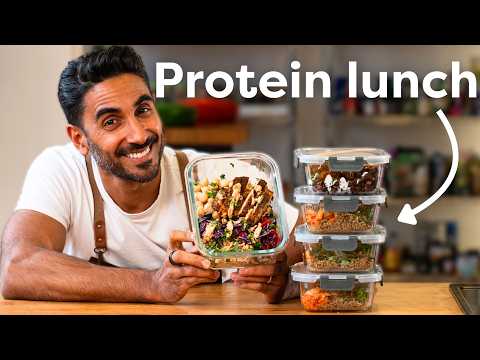
The source video that inspired this recipe — practical, no-fuss technique focused on building bowls that actually hold up through a full work week.
2. How to Meal Prep Chicken That Stays Moist All Week
Deep dive on the sear-and-rest method that prevents dry chicken in cold storage. Covers internal temperature, resting time, and container choices.
3. The Grain Bowl Formula That Never Gets BoringCovers layering order, dressing chemistry, and how to vary the proteins each week without rebuilding your prep system from scratch.
🛠️ Core Equipment
- Large cast iron or stainless steel skillet ↗Thin non-stick pans can't hold sustained high heat, which means you get steamed chicken instead of seared. You need a pan that retains heat when cold protein hits it. Cast iron is ideal.
- Rimmed sheet pan ↗Edges prevent sweet potato cubes from rolling off, and the rim creates airflow beneath the food when paired with a wire rack insert. Without a proper sheet pan, moisture traps and the vegetables steam instead of roast.
- Large glass meal prep containers with lids ↗Glass doesn't absorb odors or leach chemicals the way plastic does after repeated microwaving. Wide containers with flat bottoms also let you section the vegetables properly so they stay crisp and separated.
- Small whisk or fork for the dressing ↗The lemon-garlic-mustard dressing needs proper emulsification — oil and lemon juice don't combine on their own. Thirty seconds of active whisking creates a stable emulsion that coats rather than pools.
3 High-Protein Lunch Bowls (35g+ Per Serving, Zero Excuses)
🛒 Ingredients
- ✦2 lbs boneless, skinless chicken breast, cut into bite-sized chunks
- ✦1 lb wild-caught salmon fillet, flaked into portions
- ✦2 cups cooked quinoa
- ✦2 cups cooked brown rice
- ✦3 medium sweet potatoes, cubed and roasted
- ✦2 cups fresh baby spinach, roughly chopped
- ✦1 cup shredded purple cabbage
- ✦2 medium red bell peppers, thinly sliced
- ✦1 cup cherry tomatoes, halved
- ✦1 medium English cucumber, diced
- ✦3 tablespoons extra-virgin olive oil
- ✦2 tablespoons fresh lemon juice
- ✦2 cloves garlic, minced
- ✦1 teaspoon Dijon mustard
- ✦1 teaspoon dried oregano
- ✦Sea salt and freshly cracked black pepper to taste
- ✦1/4 cup fresh green onions, sliced
- ✦2 tablespoons raw pumpkin seeds
👨🍳 Instructions
01Step 1
Preheat oven to 425°F. Toss the cubed sweet potatoes with 1 teaspoon of olive oil, sea salt, and black pepper. Spread in a single layer on a rimmed sheet pan with space between each piece.
02Step 2
Roast the sweet potatoes for 20-25 minutes, stirring once at the halfway mark, until the edges are caramelized and a fork slides in without resistance. Remove and set aside.
03Step 3
Pat the chicken breast dry with paper towels and season generously on all sides with sea salt, black pepper, and dried oregano.
04Step 4
Heat 1 tablespoon of extra-virgin olive oil in a large skillet over medium-high heat until shimmering, about 2 minutes. Add the seasoned chicken in a single layer and sear without moving for 4-5 minutes until golden brown.
05Step 5
Stir the chicken and continue cooking for another 8-10 minutes until the internal temperature reaches 165°F and no pink remains. Transfer to a plate and let rest 5 minutes.
06Step 6
While the chicken rests, check the salmon fillet for pin bones by running your fingers along the flesh. Flake into bite-sized pieces using two forks.
07Step 7
Whisk together the remaining 2 tablespoons of olive oil, fresh lemon juice, minced garlic, and Dijon mustard in a small bowl until fully emulsified. Season with salt and pepper.
08Step 8
Divide the cooked quinoa and brown rice equally among four large glass containers or bowls, creating a mixed grain base in each.
09Step 9
Layer the roasted sweet potatoes, sautéed chicken, and flaked salmon on top of each grain base, dividing evenly.
10Step 10
Arrange the baby spinach, shredded purple cabbage, sliced red bell peppers, cherry tomatoes, and diced cucumber in separate sections in each bowl.
11Step 11
Top each bowl with sliced green onions and raw pumpkin seeds. Store dressing in separate small containers.
12Step 12
Refrigerate for up to 5 days. Dress each bowl individually at serving time.
Nutrition Per Serving
Estimates based on standard preparation. Adjustments alter macros.
🔄 Substitutions
Instead of Boneless chicken breast...
Use Free-range turkey breast or grass-fed lean beef sirloin
Turkey breast behaves identically to chicken in the pan — same sear time, same temperature target. Sirloin needs only 3 minutes per side and a longer rest. Both maintain high protein density.
Instead of Wild-caught salmon...
Use Atlantic mackerel or sardines packed in water
Stronger, more assertive flavor. Mackerel has higher omega-3 content than most salmon sources. No cooking required — just drain and flake. Reduces both cost and prep time.
Instead of Brown rice and quinoa...
Use Farro, millet, or sprouted lentils
Farro has a nuttier, chewier texture and higher fiber than brown rice. Sprouted lentils eliminate the grain base entirely for a lower-carb, higher-protein alternative that still holds dressing well.
Instead of Dijon mustard...
Use Tahini or white miso paste
Tahini adds creaminess and sesame depth. Miso introduces fermented umami and probiotics. Both require a splash of extra lemon juice to balance the richness. Thin with water to reach pourable consistency.
🧊 Storage & Reheating
In the Fridge
Store assembled bowls (dressing separate) in airtight glass containers for up to 5 days. The grain base actually improves after 24 hours as it absorbs the residual seasoning from the proteins.
In the Freezer
Freeze the cooked chicken and grains only — not the raw vegetables. Thaw overnight in the fridge and assemble fresh with new vegetables. Frozen assembled bowls produce watery, collapsed greens.
Reheating Rules
Microwave only the protein and grain portion in a separate container for 90 seconds. Add the cold vegetables after reheating. Do not microwave the entire assembled bowl.
❓ Frequently Asked Questions
Can I use canned salmon instead of fresh?
Yes, and it's a legitimate upgrade for meal prep. Wild-caught canned salmon is already cooked, bone-free (or easy to debone), and shelf-stable until you need it. Drain thoroughly, flake directly into the bowl. The texture is slightly softer than fresh but holds up well in cold storage.
Why does my chicken taste dry after two days in the fridge?
Two reasons: it was overcooked to begin with (anything past 165°F internal temp dries out fast in cold storage), or it wasn't rested before going into the container. The resting period lets the muscle fibers reabsorb their juices. Slice immediately and those juices pool on the cutting board instead of staying in the meat.
Can I eat these bowls warm or are they strictly cold?
Both work, but the technique matters. Reheat the grains and proteins separately, then add the raw vegetables cold after. Microwaving the entire bowl wilts the spinach, turns the cabbage soft, and makes the cucumber release water that floods everything else.
How do I keep the spinach from wilting in storage?
Keep the spinach physically separated from the warm components — let the proteins and sweet potatoes cool completely before assembling. Residual heat in a sealed container creates a sauna effect that wilts everything within hours. Assemble cold, store cold.
Is this actually enough food for lunch?
At 495 calories and 41 grams of protein per serving, yes — for most people. The fiber content (9g) and protein combination produce sustained satiety for 4-5 hours. If you train heavily, add a second scoop of grains or a handful of edamame on top.
Can I swap out the vegetables entirely?
The vegetables are the most interchangeable component of the whole system. The only rule: keep one crunchy element (cabbage, shredded carrots, snap peas), one fresh element (cucumber, tomato), and one leafy element (spinach, arugula, mixed greens). Everything else is personal preference.
The Science of
3 High-Protein Lunch Bowls (35g+ Per Serving, Zero Excuses)
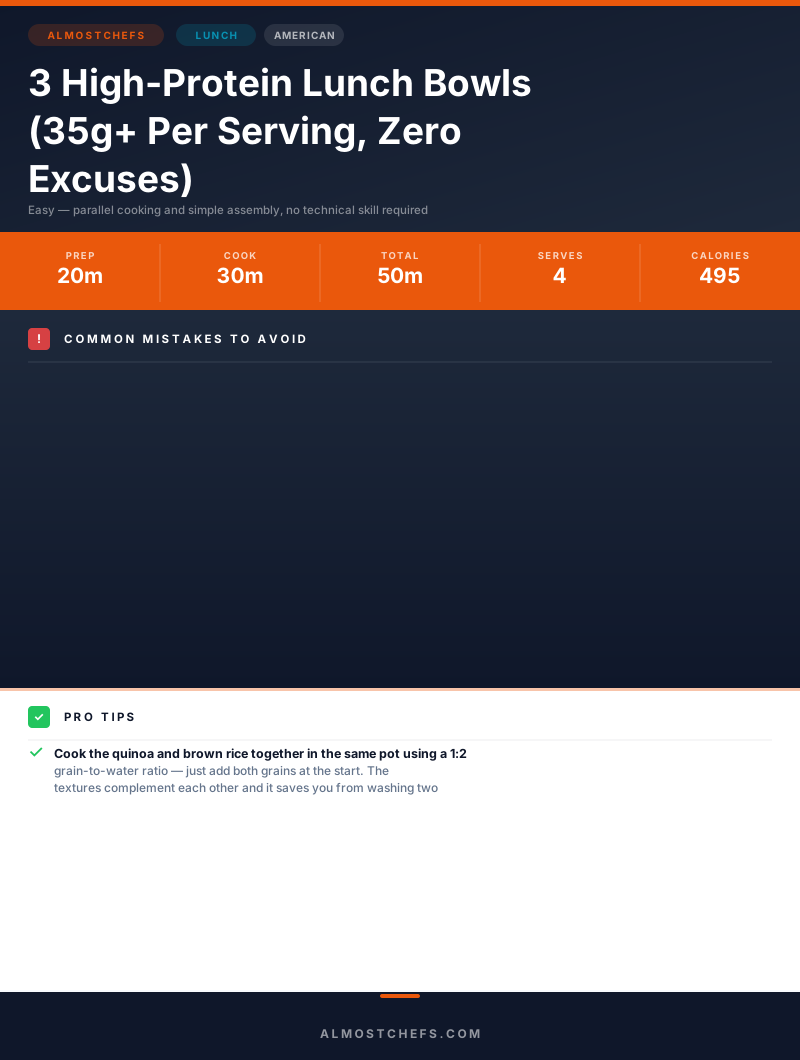
We turned everything on this page into a beautiful, flour-proof PDF cheat sheet. Print it out, stick it to your fridge, and never mess up your 3 high-protein lunch bowls (35g+ per serving, zero excuses) again.
*We'll email you the high-res PDF instantly. No spam, just perfectly cooked meals.
AlmostChefs Editorial Team
We translate the internet's most popular cooking videos into foolproof, beginner-friendly written recipes. We analyze multiple methods, test them in our kitchen, and engineer a single "Master Recipe" that gives you the best possible result with the least possible stress.