The Student Meal Prep Formula (4 Days of Healthy Eating From One Hour)
A modular meal prep system that produces four days of balanced, protein-rich bowls using roasted vegetables, legumes, and whole grains. We built one efficient session that keeps food tasting fresh all week — designed specifically for students who have 90 minutes on Sunday and zero time Monday through Thursday.
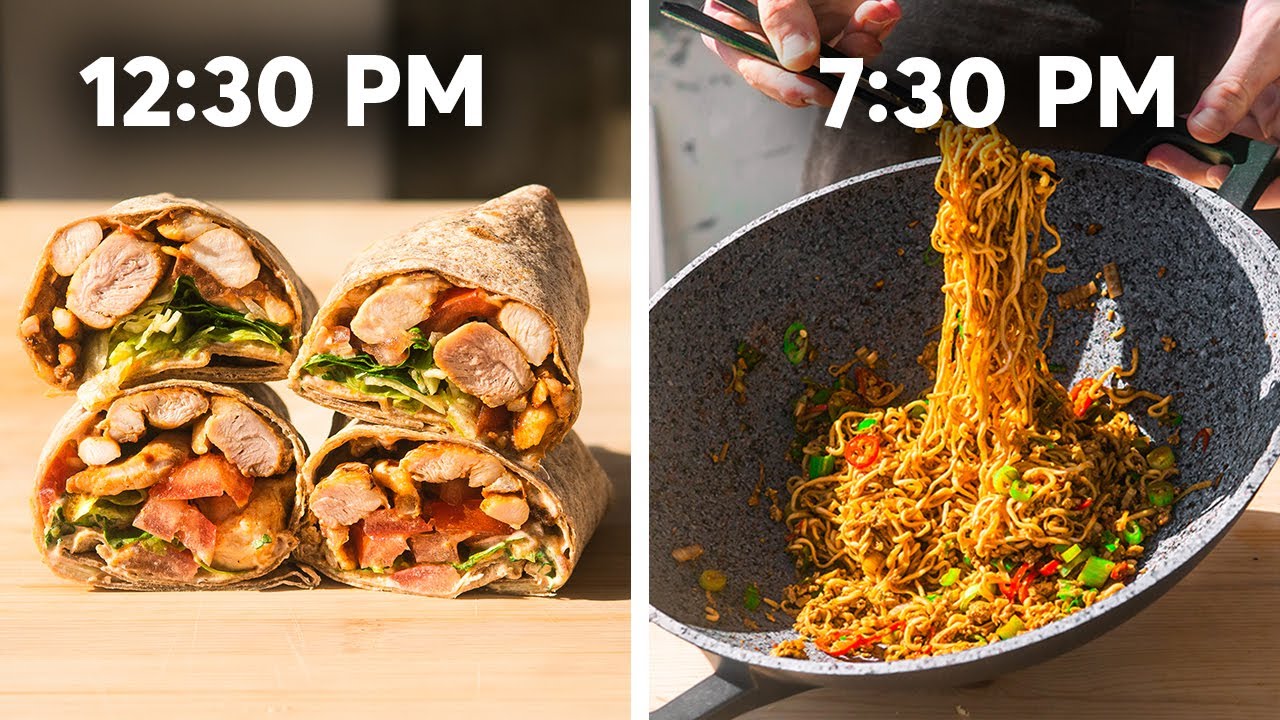
“Most student meal prep fails the same way: everything gets mixed together on Sunday, and by Wednesday it's a soggy, indistinguishable mash that you eat with resignation rather than appetite. The fix isn't a better recipe — it's better architecture. Keep the components separate. Cook them in parallel. Combine only at mealtime. One 90-minute session becomes four genuinely different dinners, and nothing tastes like it was made four days ago.”
Why This Recipe Works
Meal prep has an image problem. It conjures Tupperware towers of identical beige food consumed with quiet resignation on a Tuesday night, sustenance dressed up as self-improvement. Most meal prep recipes deserve that reputation — they treat the entire week's food as one continuous cook, dumping everything together and hoping flavor survives four days of refrigeration. It doesn't.
This system works differently. It's not a recipe. It's a production architecture.
Three Tracks, One Session
The 90-minute cook runs three parallel processes: grains on one burner, chickpeas on another, vegetables in the oven. These three tracks require almost no active attention once initiated — rice doesn't need supervision, chickpeas need a single stir and a temperature check, and the oven handles the vegetables entirely. Your active work is front-loaded in the first 15 minutes and minimal after that.
The reason most students claim they "don't have time" to cook healthy food is that they're mentally modeling cooking as a linear sequence: do this, then do this, then do this. Parallel cooking collapses a 2.5-hour linear sequence into a 90-minute session. The only skill required is starting all three processes within the same 10-minute window.
The Component Separation Principle
This is the architectural decision that makes or breaks the whole system. Every meal prep recipe that mixes finished components before storage is betting against basic food science. Roasted vegetables continue releasing moisture as they cool. Warm grains and legumes are porous and absorb that moisture. Over 12-24 hours in a sealed container, your caramelized broccoli becomes soft and your perfectly cooked farro becomes dense and compressed.
Store each component in its own container. The airtight storage containers you use matter more than most people think — glass containers reheat more evenly than plastic and don't absorb the smell of roasted vegetables over a four-day cycle. At mealtime, you're assembling a fresh bowl from separate components, not reheating a four-day-old mash.
The Grain Decision
Brown rice is the obvious choice and the slightly inferior one. Farro is worth the brief upgrade in thought: it holds its texture through four days of refrigeration better than any other whole grain, has a nutty complexity that makes a plain bowl interesting, and takes only 30 minutes to cook. Quinoa, if you're managing total cook time, finishes in 15 minutes and provides complete protein — all nine essential amino acids, which makes the plant-based protein math on this bowl significantly more favorable.
Whatever grain you choose, rinse it until the water runs clear before cooking. This takes 60 seconds and the difference in texture over multiple days is not subtle. Surface starch is what turns individually cooked grains into a compressed block by Wednesday.
Why the Vegetables Are Roasted at 425°F
Lower temperatures — the instinct when you're new to cooking — create steamed vegetables, not roasted ones. The distinction isn't aesthetic. Steamed sweet potatoes are soft and bland. Roasted sweet potatoes have caramelized edges where natural sugars have undergone the Maillard reaction, creating dozens of new flavor compounds that make each cube taste interesting rather than merely nutritious. At 425°F with adequate spacing on a large rimmed baking sheet, the exterior crisps and caramelizes while the interior stays tender. This texture and flavor survives four days of refrigeration. Steamed texture does not.
Building Variety Without Building More Food
The base components here are intentionally neutral — they accept flavor from multiple directions. The practical implication: a different sauce or acid each day turns one prep session into four genuinely distinct meals. Lemon and parsley reads Mediterranean. Soy sauce, sesame, and a drizzle of chili oil reads East Asian. Tahini thinned with water and garlic reads Levantine. Hot sauce and lime reads anywhere you want it to. The base doesn't care. That's the design.
This is the architecture behind every good meal prep system: a neutral, well-cooked foundation that amplifies whatever you add to it, rather than food that tastes like the memory of last Sunday's effort.
Where Beginners Mess This Up
Before we start, read this. These are the 4 reasons your the student meal prep formula (4 days of healthy eating from one hour) will fail:
- 1
Mixing everything before storing: Roasted vegetables continue releasing moisture after cooking. When stored against warm rice and simmered chickpeas, they steam themselves soft overnight. By Tuesday, every container is the same texture. Store each component separately in its own container and combine at serving time — the bowls will taste fresher on day four than anything mixed on day one.
- 2
Not rinsing the rice: Brown rice and farro are coated in excess starch. Skip the rinse and you get sticky, clumped grains that compress into a solid block in the storage container. Rinse under cold water until it runs clear — this takes 60 seconds and the texture difference over four days is dramatic.
- 3
Overcooking the chickpeas: Chickpeas should be tender but hold their shape — they need to survive four days of refrigeration and reheating without turning to paste. Simmer at low heat for 45 minutes and check at 40. A chickpea should yield to pressure but not collapse. Mushy chickpeas on day one are paste by day four.
- 4
Roasting vegetables at the wrong temperature: 425°F is not negotiable. Lower temperatures steam the vegetables in their own moisture instead of caramelizing the edges. Caramelization creates the flavor complexity that makes this bowl interesting on day four. Crowd the pan and you'll steam instead of roast — use two pans if necessary.
The Video Reference Library
Want to see it in action? Here are the exact videos we analyzed and combined to build this foolproof recipe translation:
The source video that inspired this method. Covers the full parallel cooking workflow and demonstrates the component-separation storage approach that keeps meals tasting fresh all week.
🛠️ Core Equipment
- Large rimmed baking sheetGives the sweet potatoes and broccoli room to roast rather than steam. Crowded vegetables trap moisture and turn soggy. A half-sheet pan fits the full vegetable quantity in a single layer.
- Heavy-bottomed pot with lidFor the chickpeas and their broth. Even heat distribution prevents scorching on the bottom while the legumes simmer for 45 minutes. A [Dutch oven](/kitchen-gear/review/dutch-oven) is ideal — it holds temperature steadily at a very low simmer.
- Fine-mesh sieveFor rinsing the brown rice or farro until the water runs clear. Also useful for draining the soaked chickpeas completely before cooking.
- Four large airtight storage containersEach container gets a rice base layer. The remaining components store separately and get added at mealtime. Glass containers reheat more evenly than plastic and don't absorb odors over a four-day cycle.
The Student Meal Prep Formula (4 Days of Healthy Eating From One Hour)
🛒 Ingredients
- ✦2 cups uncooked brown rice or farro
- ✦1.5 cups dried chickpeas, soaked overnight and drained
- ✦3 medium sweet potatoes, cut into 1-inch cubes
- ✦2 cups fresh broccoli florets
- ✦1 medium red bell pepper, diced into bite-sized pieces
- ✦1 cup diced carrots
- ✦3 medium yellow onions, finely diced
- ✦4 cups low-sodium vegetable broth
- ✦3 tablespoons extra-virgin olive oil, divided
- ✦4 cloves garlic, minced
- ✦1.5 tablespoons dried oregano
- ✦1 teaspoon ground cumin
- ✦0.5 teaspoon red pepper flakes
- ✦Sea salt to taste
- ✦Black pepper to taste
- ✦2 tablespoons fresh lemon juice
- ✦1 cup fresh parsley, roughly chopped
- ✦0.5 cup pumpkin seeds, for garnish
👨🍳 Instructions
01Step 1
Rinse the brown rice or farro thoroughly under cold water until the water runs completely clear. Set aside to drain.
02Step 2
Soak the chickpeas overnight in cold water with a generous pinch of salt. Drain and rinse before cooking.
03Step 3
Preheat the oven to 425°F. Toss the diced sweet potatoes and broccoli florets with 1 tablespoon olive oil, salt, and pepper. Spread in a single layer on a large rimmed baking sheet.
04Step 4
Roast the vegetables at 425°F for 25 minutes, stirring once at the halfway mark, until the edges are caramelized and slightly crisp.
05Step 5
While the vegetables roast, heat 1 tablespoon olive oil in a heavy-bottomed pot over medium-high heat. Sauté the diced onions until translucent and fragrant, about 4 minutes.
06Step 6
Add the minced garlic and cook for 30 seconds, stirring constantly to prevent burning.
07Step 7
Add the drained chickpeas and coat them in the oil and aromatics. Cook for 2 minutes.
08Step 8
Pour in the vegetable broth, bring to a gentle boil, then reduce heat to low. Simmer uncovered for 45 minutes until the chickpeas are tender but still hold their shape.
09Step 9
While the chickpeas simmer, add the rice or farro to a separate pot with 4 cups of water. Bring to a boil, reduce to low, cover, and cook for 35-40 minutes until fluffy and all water is absorbed.
10Step 10
In the final 5 minutes of the chickpea simmer, stir in the diced bell pepper, carrots, oregano, cumin, red pepper flakes, and the remaining 1 tablespoon olive oil.
11Step 11
Season the chickpea mixture with salt, pepper, and fresh lemon juice. Taste and adjust.
12Step 12
Divide the cooked grain evenly among four storage containers as the base layer. Store the roasted vegetables and chickpea mixture in separate containers.
13Step 13
To serve, portion roasted vegetables and chickpeas over the grain base. Top with fresh parsley and pumpkin seeds immediately before eating.
Nutrition Per Serving
Estimates based on standard preparation. Adjustments alter macros.
🔄 Substitutions
Instead of Brown rice...
Use Quinoa or farro
Farro has a nuttier, chewier texture and holds up better over four days of refrigeration. Quinoa cooks in 15 minutes instead of 40 and provides complete protein. Both have a lower glycemic index than brown rice.
Instead of Dried chickpeas...
Use Canned chickpeas or white beans
Reduces cook time to about 20 minutes total. Texture is slightly softer from the start, which means they'll be noticeably softer by day four. Still works well — just expect a creamier rather than firm texture.
Instead of Vegetable broth...
Use Homemade bone broth or mushroom broth
Bone broth adds collagen and a richer, more savory background flavor. Mushroom broth doubles down on umami without adding animal products. Either dramatically elevates the chickpea base.
Instead of Pumpkin seeds...
Use Sunflower seeds or tahini drizzle
Tahini drizzle (thinned with lemon juice and water) adds creaminess and works as a sauce rather than a garnish. Sunflower seeds are a direct textural substitute at lower cost.
🧊 Storage & Reheating
In the Fridge
Store grain, roasted vegetables, and chickpea mixture in separate airtight containers for up to 4 days. Combine only at mealtime.
In the Freezer
The chickpea mixture and grain freeze well for up to 2 months. Roasted vegetables lose texture after freezing — not recommended for the vegetable component.
Reheating Rules
Microwave grain with a splash of water or leftover chickpea broth, covered, for 90 seconds. Reheat chickpeas in a small saucepan over low heat. Revive roasted vegetables in a dry skillet over high heat for 60-90 seconds.
❓ Frequently Asked Questions
Why does my meal prep always taste bad by Wednesday?
Because you mixed everything together before storing. Roasted vegetables emit moisture as they cool, which slowly steams the grains and legumes soft. Store each component separately and combine at mealtime — the texture and flavor difference by day four is significant.
Can I use canned chickpeas instead of dried?
Yes. Drain and rinse two 15-oz cans. Skip the soaking step. Add them to the sautéed onions and garlic, pour in the broth, and simmer for just 15-20 minutes to let them absorb the aromatics. The texture will be slightly softer but the flavor is comparable.
Is this actually filling enough for dinner?
At 510 calories with 19g protein and 16g fiber per serving, yes — especially if you're not an athlete with elevated caloric needs. The fiber from chickpeas and whole grains creates genuine satiety that lasts 3-4 hours. Add an extra half-cup of grain or a drizzle of tahini if you need more calories.
How do I add variety so the four meals don't taste identical?
Different acids and sauces are the fastest lever: lemon juice, hot sauce, balsamic glaze, tahini, soy-ginger dressing. You can also swap the garnish herb — parsley one day, cilantro the next. The base is intentionally neutral so it accepts flavors from multiple directions.
Can I roast different vegetables instead?
Completely. Zucchini, cauliflower, cherry tomatoes, and green beans all work at 425°F for 20-25 minutes. The key variables are density and moisture content. Dense vegetables (sweet potatoes, carrots) need more time; high-moisture vegetables (zucchini, tomatoes) need less and more space on the pan.
Do I need to soak the chickpeas overnight?
For dried chickpeas, yes — or use the quick-soak method (boil 2 minutes, rest covered for 1 hour, drain). Unsoaked dried chickpeas take 90 minutes or more to become tender, which breaks the 90-minute total session. Canned chickpeas require no soaking at all.
The Science of
The Student Meal Prep Formula (4 Days of Healthy Eating From One Hour)
We turned everything on this page into a beautiful, flour-proof PDF cheat sheet. Print it out, stick it to your fridge, and never mess up your the student meal prep formula (4 days of healthy eating from one hour) again.
*We'll email you the high-res PDF instantly. No spam, just perfectly cooked meals.
AlmostChefs Editorial Team
We translate the internet's most popular cooking videos into foolproof, beginner-friendly written recipes. We analyze multiple methods, test them in our kitchen, and engineer a single "Master Recipe" that gives you the best possible result with the least possible stress.