16 Rice Hacks That Actually Work (Fluffy Grains Every Time)
A practical guide to 16 essential rice cooking techniques — from proper rinsing and toasting to broth ratios and the leftover hack that makes the best fried rice. We cut through the noise and kept only the methods that make a measurable difference.
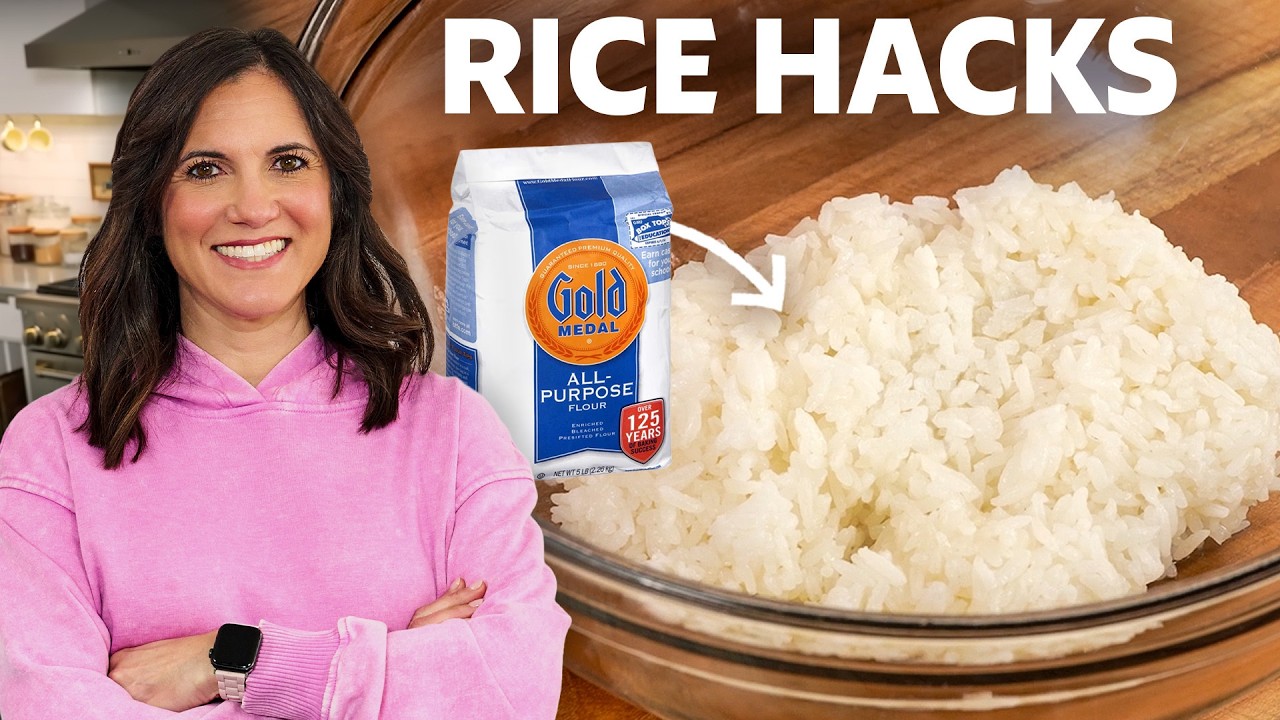
“Most people cook rice the same way forever and never question why it comes out sticky, gummy, or weirdly wet. The answer is almost always one of three things: skipping the rinse, using the wrong liquid ratio, or lifting the lid at the wrong moment. These 16 hacks are not gimmicks — they are the decisions professional cooks make automatically, now written down so you can make them too.”
Why This Recipe Works
Rice is treated as a passive ingredient — something you dump in a pot while you focus on the real dish. That assumption is why most home-cooked rice is mediocre. Rice responds dramatically to technique. The same bag of long-grain white rice produces either a sticky, gluey mass or distinct, separate grains depending on five decisions made in the first ten minutes of cooking.
The Rinse Is Not Optional
Rice mills coat finished grains in talc and excess starch. That coating is invisible to the eye and catastrophic to texture. The starch gelatinizes when it hits hot water, creating a paste that fuses grains together before they even finish cooking. Rinsing removes it. Two minutes under cold water, agitating with your fingers, until the runoff shifts from milky white to nearly clear. This is not a hack — it is a prerequisite.
Toast Before You Boil
Toasting the rinsed grains in olive oil over medium heat for 3-4 minutes does two things simultaneously. It dehydrates the grain surface slightly, slowing the rate at which each grain absorbs cooking liquid. And it triggers the Maillard reaction on the outer layer, producing a subtle nuttiness that plain boiled rice never achieves. The grains should turn from translucent to a pale opaque white. This is the step professional cooks do automatically and home cooks consistently skip.
Broth Is Not a Luxury
Rice absorbs its cooking liquid completely. Whatever flavor is in that liquid becomes the flavor of the rice. Water is neutral. Broth is not. Swapping water for low-sodium vegetable or chicken broth costs nothing — a $2 carton lasts multiple batches — and the result is rice that tastes developed rather than plain. Adding whole spices (bay leaves, a cinnamon stick, cloves) to the cooking liquid during the boil builds a second layer of aromatic complexity that permeates every grain without requiring any additional technique.
The Simmer Is a Commitment
Once the lid goes on, it stays on. The rice is not just absorbing liquid — it is steaming from below while the lid redirects evaporated moisture back down from above. This dual process is why the ratio matters and why the lid must stay sealed. Lifting it drops the internal temperature and releases accumulated steam. The top grains, which depend entirely on indirect steam to finish cooking, immediately fall behind. The bottom grains, which have direct contact with the heat source, keep going. By the time you serve it, the texture is inconsistent from top to bottom — and no amount of fluffing fixes that.
The Rest Is the Last Step
Removing the pot from heat does not end the cooking. Residual heat in the pot and steam trapped under the lid continue working for another 5 minutes. This rest period is when moisture redistributes from the wetter bottom layer to the drier top layer, equalizing texture throughout. Remove the lid immediately after the timer goes off and you vent that steam before it does its job. The rest is not downtime — it is the final phase of the recipe.
The Cold Rice Principle
Day-old rice stored uncovered in the fridge becomes the best fried rice ingredient you can buy. Fresh rice is too moist — each grain releases steam in a hot wok or skillet and the whole batch clumps into a wet mass instead of crisping individually. Cold rice has lost that surface moisture. It separates cleanly under high heat and develops a light crust that fresh rice cannot achieve. If you are serious about fried rice, cook a double batch the night before specifically to have cold leftovers.
The difference between forgettable rice and rice people notice is not an exotic ingredient. It is the rinse. It is the lid. It is the 5-minute rest. These are not advanced techniques — they are the decisions that matter, made consistently.
Where Beginners Mess This Up
Before we start, read this. These are the 4 reasons your 16 rice hacks that actually work (fluffy grains every time) will fail:
- 1
Skipping the rinse: Unrinsed rice is coated in surface starch that turns into a thick paste during cooking. The grains bond together and you get a gummy, clumped result instead of separate, fluffy grains. Rinse under cold water for 2-3 minutes until the runoff is nearly clear — this step takes 3 minutes and changes everything.
- 2
Lifting the lid mid-cook: Every time you lift the lid, you release steam that the rice is actively using to finish cooking. The top layer stalls. The bottom layer keeps cooking. You end up with uneven texture from top to bottom. Set a timer. Do not lift the lid until the rest period is done.
- 3
Cooking with water instead of broth: Water produces edible rice. Broth produces flavorful rice. The rice absorbs the cooking liquid entirely — whatever you put in is what you taste. Swapping water for low-sodium vegetable or chicken broth is the single cheapest upgrade you can make with zero extra effort.
- 4
Skipping the rest: Pulling the lid and serving immediately after the timer goes off produces wet, unevenly cooked rice. The 5-minute covered rest allows residual steam to redistribute moisture from the bottom to the top. It is not optional — it is the last step of cooking.
The Video Reference Library
Want to see it in action? Here are the exact videos we analyzed and combined to build this foolproof recipe translation:
The source video that covers all 16 techniques in sequence. Useful for visual reference on toasting color, rinsing consistency, and the correct lid-off moment.
🛠️ Core Equipment
- Fine-mesh strainerFor rinsing efficiently. A colander with large holes lets small grains fall through. You need a fine mesh to rinse properly without losing half the rice.
- Heavy-bottomed saucepan with tight-fitting lidEven heat distribution prevents the bottom from scorching before the top is done. A [Dutch oven](/kitchen-gear/review/dutch-oven) works exceptionally well here. Thin pans create hot spots that burn the bottom layer.
- Fork for fluffingA spoon compresses the grains and breaks them. A fork separates them. Use a fork exclusively when handling cooked rice.
- Airtight container for storageCooked rice left in the pot overnight dries out and loses texture. A proper airtight container keeps it viable for up to 5 days and sets you up for the leftover fried rice hack.
16 Rice Hacks That Actually Work (Fluffy Grains Every Time)
🛒 Ingredients
- ✦2 cups long-grain white rice or brown rice
- ✦3 cups chicken or vegetable broth
- ✦1 tablespoon olive oil
- ✦4 cloves fresh garlic, minced
- ✦1 tablespoon fresh ginger, grated
- ✦2 medium yellow onions, finely diced
- ✦1 teaspoon sea salt
- ✦1/2 teaspoon black pepper
- ✦2 bay leaves
- ✦1 cinnamon stick
- ✦4 whole cloves
- ✦2 green onions, chopped
- ✦1/4 cup fresh cilantro, chopped
- ✦2 tablespoons unsalted butter
- ✦1 tablespoon lime juice
- ✦1/2 teaspoon turmeric powder
👨🍳 Instructions
01Step 1
Rinse the rice under cold running water in a fine-mesh strainer, agitating gently with your fingers for 2-3 minutes until the water runs nearly clear.
02Step 2
Toast the rinsed rice in a large saucepan over medium heat with 1 tablespoon olive oil, stirring frequently for 3-4 minutes until the grains smell fragrant and slightly nutty.
03Step 3
Add the diced yellow onions and sauté over medium-high heat for 2-3 minutes until softened and translucent.
04Step 4
Stir in the minced garlic and grated ginger, cooking for 45-60 seconds until fragrant.
05Step 5
Pour in the broth slowly while stirring, then add bay leaves, cinnamon stick, whole cloves, and turmeric.
06Step 6
Season with salt and pepper, then bring to a boil over medium-high heat uncovered, about 5-7 minutes.
07Step 7
Reduce heat to low, cover with a tight-fitting lid, and simmer for 18-20 minutes (white rice) or 35-40 minutes (brown rice). Do not lift the lid.
08Step 8
Remove from heat and let the covered rice rest undisturbed for 5 minutes.
09Step 9
Remove the lid, discard the bay leaves, cinnamon stick, and whole cloves.
10Step 10
Fluff the rice with a fork, separating grains gently without compressing them.
11Step 11
Stir in the butter and lime juice, tossing gently to coat all grains.
12Step 12
Fold in the chopped green onions and fresh cilantro just before serving.
13Step 13
Leftover hack: spread cooled rice on a baking sheet, chill overnight, then use for fried rice or grain bowls. Cold, dry rice separates cleanly in a hot wok.
Nutrition Per Serving
Estimates based on standard preparation. Adjustments alter macros.
🔄 Substitutions
Instead of White rice...
Use Brown rice or wild rice blend
Nuttier, chewier, lower glycemic index. Requires 15-20 additional minutes of cook time and slightly more liquid. Nutritionally superior — more fiber and micronutrients.
Instead of Chicken broth...
Use Low-sodium vegetable broth or bone broth
Vegetable broth keeps it fully plant-based with a lighter flavor. Bone broth adds richness and collagen. Either outperforms water.
Instead of Unsalted butter...
Use Ghee or avocado oil
Ghee adds a subtle nuttiness and is easier to digest for those sensitive to dairy. Avocado oil stays neutral and light. Both work well for the finishing coat.
Instead of White onions...
Use Shallots or red onions
Shallots bring a sweeter, more delicate flavor and contain prebiotic compounds. Red onions add mild sharpness and quercetin. Either substitutes 1:1 by volume.
🧊 Storage & Reheating
In the Fridge
Store in an airtight container for up to 5 days. Flavor improves on day two as aromatics meld.
In the Freezer
Freeze in portioned airtight containers or silicone ice cube trays for up to 2 months. Thaw overnight in the refrigerator.
Reheating Rules
Add 1-2 tablespoons of water or broth to the rice, cover tightly, and reheat on low heat for 5-8 minutes. Steaming preserves texture better than microwaving, which dries the grains unevenly.
❓ Frequently Asked Questions
Why is my rice always sticky or clumpy?
You are almost certainly skipping the rinse. Unrinsed rice is coated in surface starch that gelatinizes during cooking and bonds the grains together. Rinse under cold water for 2-3 minutes until the water runs clear — this alone solves most sticking problems.
What is the correct water-to-rice ratio?
For long-grain white rice: 1.5 cups liquid per 1 cup rice. For brown rice: 2 to 2.25 cups liquid per 1 cup rice. These ratios assume a tight-fitting lid and a proper 5-minute rest. Adjust slightly based on altitude and ambient humidity.
Can I use these techniques with a rice cooker?
Most of them, yes. Toast the rice in a pan first before adding it to the cooker. Use broth instead of water. Add aromatics to the cooking liquid. The rest and fluffing steps apply identically. The lid-lifting warning is even more important with rice cookers — never open mid-cycle.
Why does day-old rice make better fried rice?
Fresh-cooked rice has high surface moisture. In a hot wok, that moisture turns to steam instantly and the grains clump together into a wet mass. Day-old rice has dried out slightly in the fridge — the lower moisture content allows each grain to fry independently and develop a light crust.
Does toasting the rice actually make a difference?
Yes, measurably. Toasting in oil before adding liquid creates a slight barrier on the exterior of each grain that slows starch absorption. The result is grains that stay separate rather than swelling together. It also adds a subtle nuttiness that water-cooked rice lacks.
How do I know when the rice is done without lifting the lid?
Set a timer and trust it. After the simmer period ends, remove from heat and rest for 5 minutes without lifting the lid. If you want a visual check, tilt the pan at the end of cooking — no pooled liquid at the base means absorption is complete.
The Science of
16 Rice Hacks That Actually Work (Fluffy Grains Every Time)
We turned everything on this page into a beautiful, flour-proof PDF cheat sheet. Print it out, stick it to your fridge, and never mess up your 16 rice hacks that actually work (fluffy grains every time) again.
*We'll email you the high-res PDF instantly. No spam, just perfectly cooked meals.
AlmostChefs Editorial Team
We translate the internet's most popular cooking videos into foolproof, beginner-friendly written recipes. We analyze multiple methods, test them in our kitchen, and engineer a single "Master Recipe" that gives you the best possible result with the least possible stress.