15-Minute Garlic Butter Shrimp Pasta (The Weeknight Lifesaver)
A high-heat garlic butter shrimp pasta that goes from pantry to table in under 15 minutes without sacrificing flavor. We broke down the fastest weeknight techniques across dozens of YouTube cooking channels to engineer one method that delivers restaurant-quality results at home speed.
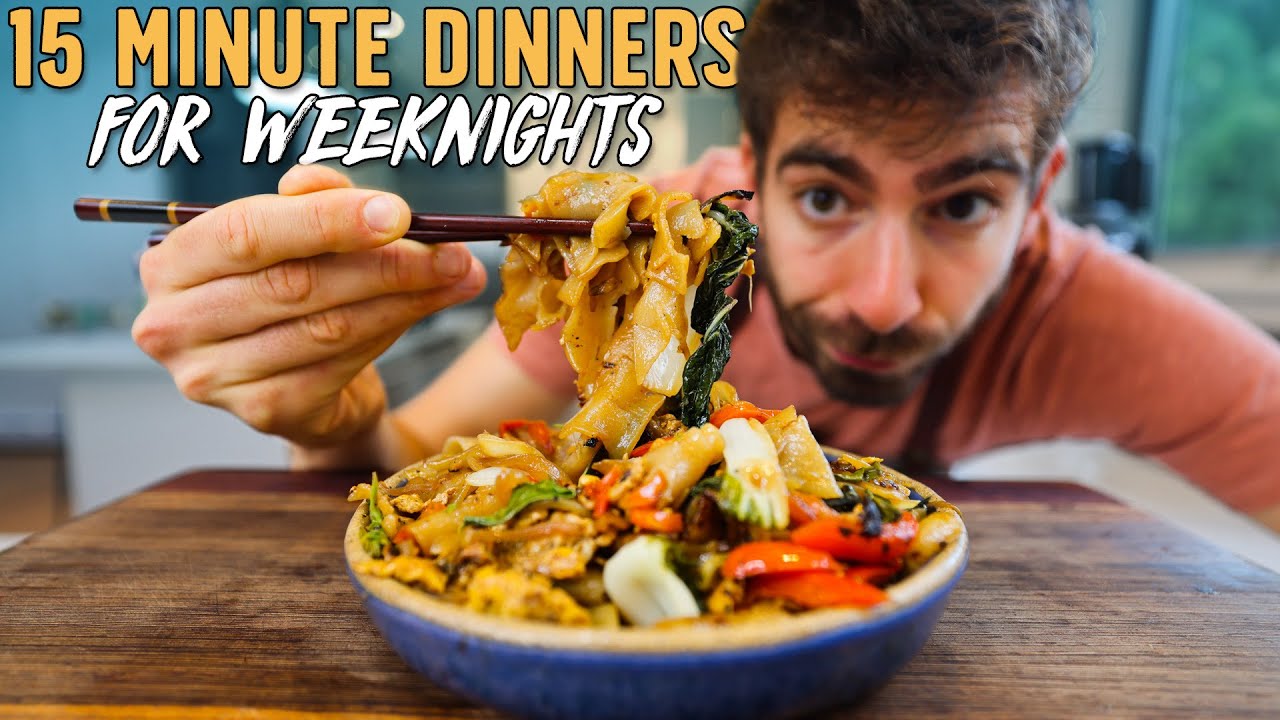
“The myth of the 15-minute dinner is that it requires shortcuts. It doesn't. It requires sequence. Every second in a 15-minute dinner is load-bearing — you're not cooking fast, you're cooking in parallel. Garlic hits the pan while the pasta water comes to a boil. Shrimp sear while the sauce builds. Nothing waits for anything else. This recipe is the proof of concept: a full garlic butter shrimp pasta with a glossy emulsified sauce and perfectly pink shrimp in exactly 15 minutes, no compromises.”
Why This Recipe Works
The 15-minute dinner is not a genre of recipe — it's a discipline of sequencing. Most weeknight cooking fails not because of bad technique but because of serial thinking applied to a parallel problem. You boil the water, then prep the shrimp, then start the sauce, then wonder why dinner took 40 minutes. This garlic butter shrimp pasta is engineered to run every component simultaneously, which means the moment the pasta hits al dente, the sauce is glossy, the shrimp are pink, and the plate is ready. Nothing waits.
Heat Is the Variable That Controls Everything
Shrimp are the most unforgiving protein in home cooking because they have essentially no margin. They go from raw to perfectly cooked in about 90 seconds per side in a screaming hot pan. They go from perfectly cooked to rubber in the 60 seconds after that. The single biggest mistake in any shrimp recipe is a pan that isn't hot enough — you can tell immediately because the shrimp release a pool of liquid instead of searing. That liquid drops the pan temperature by 40 degrees, which means the shrimp are now poaching in their own juices and will never develop color or texture regardless of how long you cook them.
The fix is mechanical: a 12-inch stainless steel or cast iron skillet, preheated for 90 full seconds over high heat until the butter foams and the foam subsides. This is the threshold where the Maillard reaction can occur — the point at which amino acids and reducing sugars in the shrimp surface react to form the browned, complex flavor compounds that make seared protein taste like seared protein rather than boiled. No browning, no flavor. No hot pan, no browning. The sequence is inviolable.
The Sauce Is an Emulsion, Not an Afterthought
Garlic butter sauce sounds like the simplest thing in the world, and in concept it is. Fat plus aromatic plus acid plus water equals sauce. The execution is what trips people up. Butter is a fat-in-water emulsion — roughly 80% fat, 16% water, 4% milk solids. When you melt butter in a hot pan, that emulsion breaks: the fat separates from the water and you get grease. The starchy pasta cooking water reintroduces the aqueous phase and, combined with the mechanical action of tossing, re-emulsifies everything into a stable, glossy sauce that clings to the pasta.
This is why reserved pasta water is non-negotiable, and why the tossing motion matters. You're not mixing; you're emulsifying. The tongs are doing real work here — the constant folding motion keeps the fat droplets suspended in the water phase long enough for the starch to act as a stabilizer. Thirty seconds of aggressive tossing over medium heat with a splash of pasta water will transform a broken, greasy mess into a sauce that looks like it came out of a restaurant kitchen.
Garlic Has a Narrow Window
In a dish this fast, garlic is a primary flavor, not a supporting note — and it is also the most volatile and punishing ingredient in the pan. Raw sliced garlic in hot butter goes from pale and pungent to golden and sweet in about 60-90 seconds. In those same 60-90 seconds, it continues cooking into bitter, acrid char if you look away. The solution is not lower heat — lower heat causes the garlic to steam in its own moisture and turn soft without developing the toasted, nutty character you want. The solution is constant attention and immediate deglazing the moment the garlic hits pale gold.
The white wine hit at that exact moment stops the cooking, lifts every browned bit from the pan surface (the fond that carries concentrated flavor), and introduces acidity that will balance the richness of the butter. This is also why jarred pre-minced garlic fails here. It has been sitting in citric acid brine for weeks, its volatile compounds long since volatilized. It contributes a faint garlic suggestion where you need garlic conviction.
Why 16/20 Shrimp and Not Something Else
Shrimp sizing is specified on packaging as a count per pound. The 16/20 designation means 16 to 20 individual shrimp per pound — a size most packages label "large." This size has enough mass to develop a proper sear on the outside before the interior overcooks, which is the fundamental physics problem with smaller shrimp. A 31/40 count shrimp is done in 45 seconds per side. In a screaming hot pan, that leaves almost no margin for error. A 16/20 shrimp gives you 90 seconds to achieve color before you cross into overcooked territory — a window that's still tight but manageable.
Buy them already peeled and deveined. This is not laziness; it's time allocation. The 15-minute goal is only achievable if you're not breaking down a pound of shrimp with your hands. Frozen pre-peeled shrimp thawed overnight in the fridge performs identically to fresh and costs a fraction of the price. The protein quality does not degrade with proper freezing and thawing.
The whole system — sequence, heat, emulsification, garlic timing, shrimp size — adds up to a dinner that takes less time to cook than to order delivery. That is the point. Not shortcuts. Not compromises. Sequence.
Where Beginners Mess This Up
Before we start, read this. These are the 4 reasons your 15-minute garlic butter shrimp pasta (the weeknight lifesaver) will fail:
- 1
Cold shrimp hitting a cold pan: Shrimp need to go into a screaming hot pan. A cold or lukewarm pan causes the shrimp to steam instead of sear — they release water, turn gray, and take twice as long to cook. Pat them completely dry with paper towels and make sure the oil is shimmering and nearly smoking before they touch the surface.
- 2
Overcooking the shrimp by even 60 seconds: Shrimp go from perfect to rubber in under a minute. The visual cue is the curl: a loose C-shape means done, a tight O-shape means overdone. Pull them from the pan the moment they turn opaque and pink — they'll continue cooking slightly from residual heat. When in doubt, pull early.
- 3
Skipping the pasta water: The starchy pasta cooking water is what emulsifies the butter and garlic into a glossy, clingy sauce rather than a greasy pool at the bottom of the bowl. Reserve at least a half cup before draining. This is not optional — it's the structural ingredient that makes the sauce work.
- 4
Using pre-minced jarred garlic: Jarred garlic has been sitting in citric acid brine and has lost the volatile sulfur compounds responsible for that sharp, pungent bite. In a dish this fast and this simple, garlic is a primary flavor, not a background note. Fresh cloves only.
The Video Reference Library
Want to see it in action? Here are the exact videos we analyzed and combined to build this foolproof recipe translation:
The source video covering fast weeknight cooking techniques, parallel prep sequencing, and why heat management is the real skill in any quick dinner.
A deep dive into building an emulsified butter sauce with pasta water and why the order of operations matters for achieving a glossy, restaurant-style finish.
Covers dry-patting, pan temperature, and the exact visual cues for pulling shrimp at the right moment — the most common failure point in any quick shrimp dish.
🛠️ Core Equipment
- 12-inch stainless steel or cast iron skilletYou need a pan that holds and distributes intense heat. Non-stick pans can't get hot enough for a proper sear and suppress the fond (browned bits) that flavors the sauce. Stainless or cast iron is the only right answer here.
- Large pot for pastaPasta needs space to move. A small pot makes the water temperature drop when you add pasta, leading to gummy, clumping noodles. Use the biggest pot you own and salt the water aggressively — it should taste like mild seawater.
- TongsFor tossing pasta directly in the sauce and transferring shrimp without puncturing them. A fork drags and tears; tongs fold and lift. Essential for getting sauce into every crevice of the pasta.
- Microplane or fine graterFor finishing Parmesan directly over the plated dish. Pre-grated cheese clumps and doesn't melt smoothly into the butter sauce. Freshly grated dissolves on contact.
15-Minute Garlic Butter Shrimp Pasta (The Weeknight Lifesaver)
🛒 Ingredients
- ✦8 oz linguine or spaghetti
- ✦1 pound large shrimp (16/20 count), peeled and deveined
- ✦4 tablespoons unsalted butter, divided
- ✦2 tablespoons extra-virgin olive oil
- ✦6 cloves garlic, thinly sliced
- ✦1/2 teaspoon red pepper flakes
- ✦1/3 cup dry white wine (or chicken broth)
- ✦1/2 cup reserved pasta cooking water
- ✦2 tablespoons fresh lemon juice
- ✦1 teaspoon lemon zest
- ✦1/4 cup fresh flat-leaf parsley, roughly chopped
- ✦1/4 cup freshly grated Parmesan cheese
- ✦Kosher salt and freshly cracked black pepper to taste
👨🍳 Instructions
01Step 1
Bring a large pot of heavily salted water to a boil. Add the linguine and cook until just under al dente — about 1 minute less than the package instructions.
02Step 2
While the water heats, pat the shrimp completely dry with paper towels. Season generously with kosher salt and black pepper on both sides.
03Step 3
Heat 1 tablespoon of butter and the olive oil in a 12-inch skillet over high heat until the butter foams and the foam subsides — about 90 seconds.
04Step 4
Add the shrimp in a single layer. Do not touch them for 90 seconds. Flip once they're pink and curled on the bottom. Cook 60 more seconds on the second side.
05Step 5
Transfer the shrimp to a plate. In the same skillet over medium heat, add the remaining butter, sliced garlic, and red pepper flakes. Cook, stirring constantly, for 60-90 seconds until the garlic turns pale gold and fragrant.
06Step 6
Add the white wine and let it reduce by half, scraping up any browned bits from the bottom of the pan — about 1 minute.
07Step 7
Reserve 1/2 cup of pasta cooking water before draining. Add the drained pasta directly into the skillet.
08Step 8
Add 1/4 cup of the pasta water, the lemon juice, and lemon zest. Toss aggressively with tongs for 60 seconds, adding more pasta water tablespoon by tablespoon until the sauce is glossy and clings to every strand.
09Step 9
Return the shrimp to the pan and toss for 30 seconds to warm through and coat.
10Step 10
Plate immediately. Finish with chopped parsley and freshly grated Parmesan over each bowl.
Nutrition Per Serving
Estimates based on standard preparation. Adjustments alter macros.
🔄 Substitutions
Instead of Shrimp...
Use Scallops or thinly sliced chicken breast
Scallops need the same dry-pat and high-heat sear, 2 minutes per side. Chicken breast needs to be sliced thin (½ inch) and pounded to cook fast enough. Adjust cook time accordingly.
Instead of Linguine...
Use Bucatini, spaghetti, or gluten-free pasta
Flat pasta like linguine grabs the butter sauce more effectively than tubular shapes. Gluten-free pasta often needs slightly less cook time and releases less starch into the water — use extra pasta water.
Instead of White wine...
Use Chicken broth with a squeeze of lemon
Broth adds savory depth but lacks wine's acidity and complexity. Add an extra teaspoon of lemon juice to compensate. The sauce will be slightly flatter but still solid.
Instead of Butter...
Use Vegan butter (Miyoko's or Earth Balance)
Works for the emulsification. Skip the Parmesan and finish with nutritional yeast for a fully dairy-free version. The sauce texture will be slightly looser.
🧊 Storage & Reheating
In the Fridge
Store in an airtight container for up to 2 days. The pasta will absorb the sauce overnight — add a tablespoon of water when reheating.
In the Freezer
Not recommended. Shrimp become rubbery after freezing and thawing a second time, and the emulsified sauce breaks on reheating from frozen.
Reheating Rules
Low heat in a skillet with a splash of water or broth, covered, for 3-4 minutes. Never microwave shrimp — it turns them to rubber.
❓ Frequently Asked Questions
Can I use frozen shrimp?
Yes — but thaw them properly. Run them under cold water for 5 minutes, then pat completely dry. Never cook frozen shrimp directly from the bag; the excess moisture guarantees steaming instead of searing, and you won't get the color or texture you're looking for.
Why does my garlic butter sauce look greasy instead of glossy?
The emulsification broke. This happens when the pan is too hot when you add the pasta water, or you didn't add enough water. Fix it: add 2 tablespoons of pasta water, reduce the heat to medium-low, and toss continuously for 30-60 seconds. The sauce will come back together.
What size shrimp should I use?
16/20 count (meaning 16-20 shrimp per pound) is the sweet spot. Smaller shrimp overcook almost instantly in a hot pan. Larger shrimp (under 10 count) take too long and push you past the 15-minute window. Look for 'large' or 'extra-large' on the package.
Do I really need to reserve pasta water before draining?
Yes, and you need to remember to do it before you drain — not after. The hot, starchy water is the emulsifier that binds the butter and garlic into a sauce. Plain water from the tap will not do the same thing. Put a mug next to the pot as a physical reminder.
Can I make this dairy-free?
Yes. Substitute vegan butter and skip the Parmesan (or use nutritional yeast). The technique is identical. The sauce will be slightly less rich but the core flavor from the garlic, wine, and shrimp will carry it.
What if I don't have white wine?
Chicken broth works well. Avoid cooking wine from the grocery store — it's loaded with salt and produces a flat, slightly off-flavor result. Use a real broth or just skip the deglazing liquid entirely and go straight to pasta water. The sauce will be simpler but still good.

The Science of
15-Minute Garlic Butter Shrimp Pasta (The Weeknight Lifesaver)
We turned everything on this page into a beautiful, flour-proof PDF cheat sheet. Print it out, stick it to your fridge, and never mess up your 15-minute garlic butter shrimp pasta (the weeknight lifesaver) again.
*We'll email you the high-res PDF instantly. No spam, just perfectly cooked meals.
AlmostChefs Editorial Team
We translate the internet's most popular cooking videos into foolproof, beginner-friendly written recipes. We analyze multiple methods, test them in our kitchen, and engineer a single "Master Recipe" that gives you the best possible result with the least possible stress.